Running Shoes
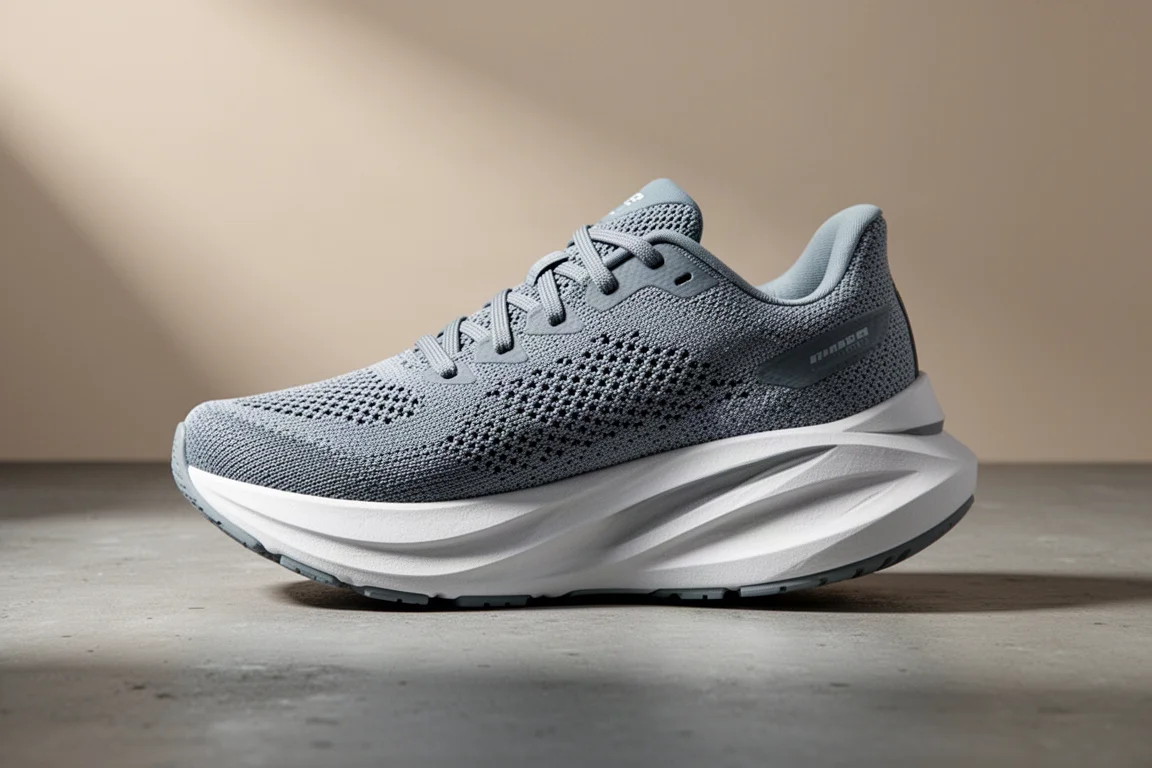
New Balance Fresh Foam X Vongo v5 Review: Gentle Stability Without a Medial Post
After nearly 50 miles of testing, the Vongo v5 proves that stability can feel smooth and natural, though a stretchy toe box holds it back from a higher score.
Introduction
Stability shoes rarely earn a spot in a neutral runner’s rotation, but the New Balance Fresh Foam X Vongo v5 managed to do exactly that. After logging close to 50 miles in it, this shoe finished with a final run score of 7.27 out of 10, and an overall review score of 6.5 out of 10. The headline here is simple: New Balance built a stability shoe that guides your foot gently instead of forcing it, and that approach mostly works.
The trade-offs are real, though. A very stretchy toe box costs the shoe some lockdown, and at $150 the price feels a touch ambitious. Here is how it all breaks down.
Who This Shoe Is For
The Vongo v5 is a daily trainer aimed at runners who need a bit of help with overpronation but do not want the rigid, posted feel of a traditional stability shoe. There is no medial post here at all. Instead, the support comes from the foam itself, which makes the ride feel far more natural than the old-school stability shoes many of us grew up on.

If you are a neutral runner curious about stability, or a mild overpronator who has been scared off by overly rigid shoes in the past, this is exactly the profile the Vongo v5 serves.
Specs at a Glance
The numbers put this firmly in the medium-to-high stack category. You get an 8 millimeter drop from heel to toe, with 34 millimeters in the heel and 26 in the forefoot. Weight comes in around 9.3 to 9.4 ounces in a men’s size 9 (women’s size 8 runs about 8.7 ounces), which is a smidge on the heavy side and one reason the overall score did not break into the sevens.
The upper is a HypoKnit engineered mesh, and the midsole marks the first appearance of Fresh Foam X in the Vongo line.
Upper and Fit
The collar is the standout. New Balance absolutely nailed it: comfortable, secure around the ankle, with a heel flare that produced zero rubbing or discomfort. The heel counter is fairly strong and solid, and the heel pocket kept the foot locked in through foot strike with no slipping at all. The tongue is neither semi-gusseted nor fully gusseted, and while the collar and tongue are not plush, the whole rear of the shoe feels extremely well thought out.
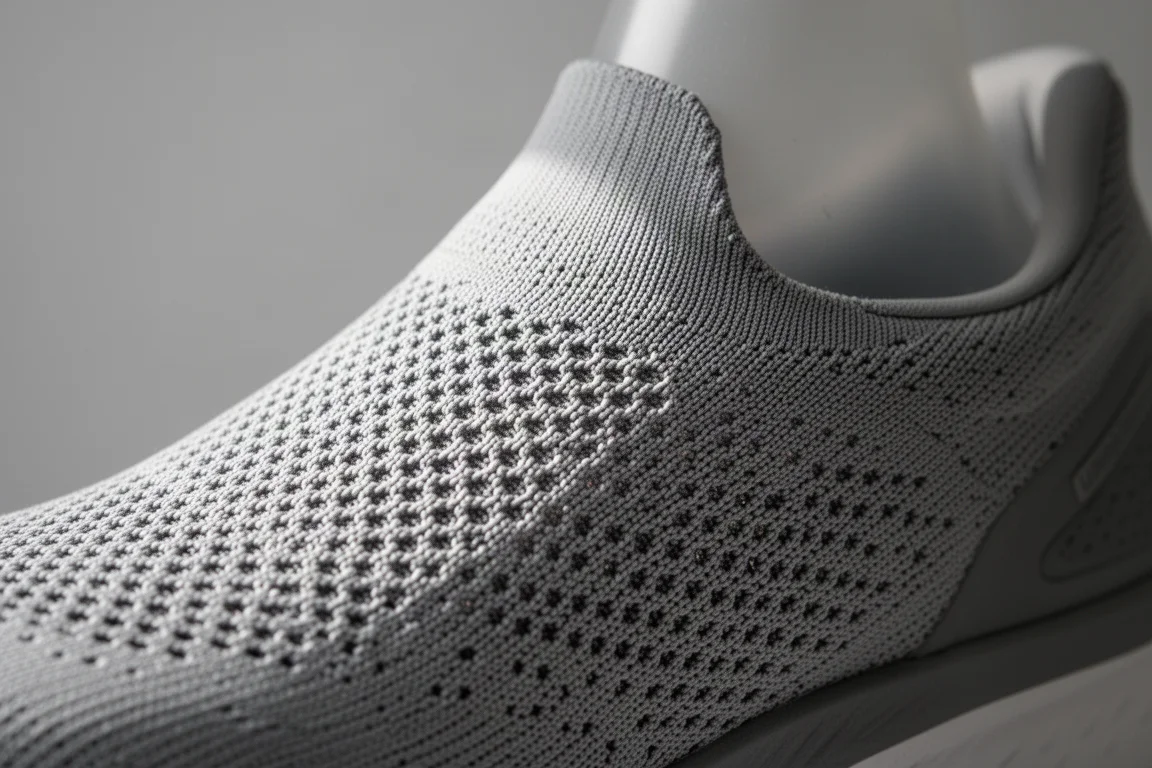
The toe box is where things get complicated. The HypoKnit mesh stretches almost like spandex, arguably a bit too much. Comfort is excellent, but lockdown through the forefoot suffers. It feels like your foot is swimming a little through the toe box, and some extra structure or an overlay there would have helped the fit score considerably. Sizing runs true to size.
Midsole and Ride
This is the heart of the shoe. Fresh Foam X debuts in the Vongo line with what New Balance calls gradient stability: foam pellets that gradually become denser on the medial side toward the midfoot. The result is smooth, gradual support rather than an abrupt push.
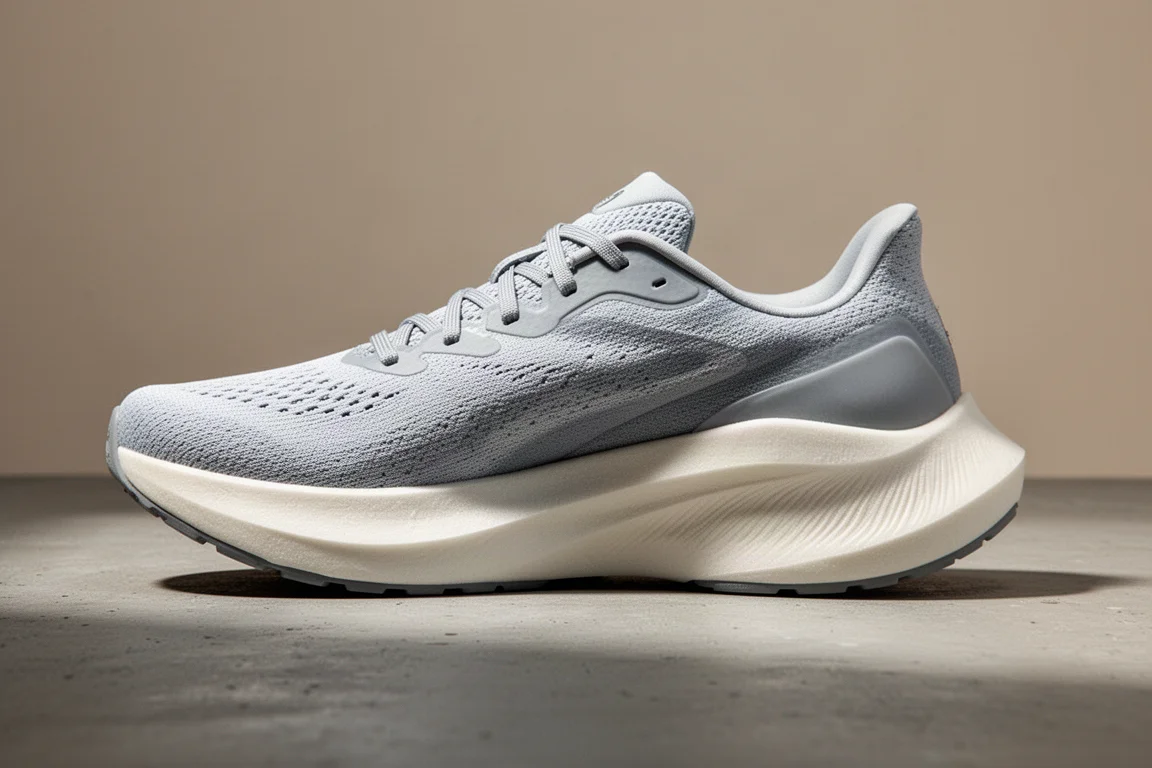
The durometer testing showed a foam that gives, but not excessively. As a forefoot striker, switching to heel-to-toe transitions in this shoe still felt genuinely good, and that smooth roll deserves real credit. Because there is no post, the ride never feels over-rigid through foot strike, which is exactly what a gentle stability shoe should deliver. Energy return scores landed in the sevens.
Outsole and Durability
The blown rubber outsole accomplishes its goal with a solid score. Pressing a thumb into it reveals a little give, so the landing never feels harsh or clacky the way some stability shoes with extra-hard rubber can. High durability is the prediction here.
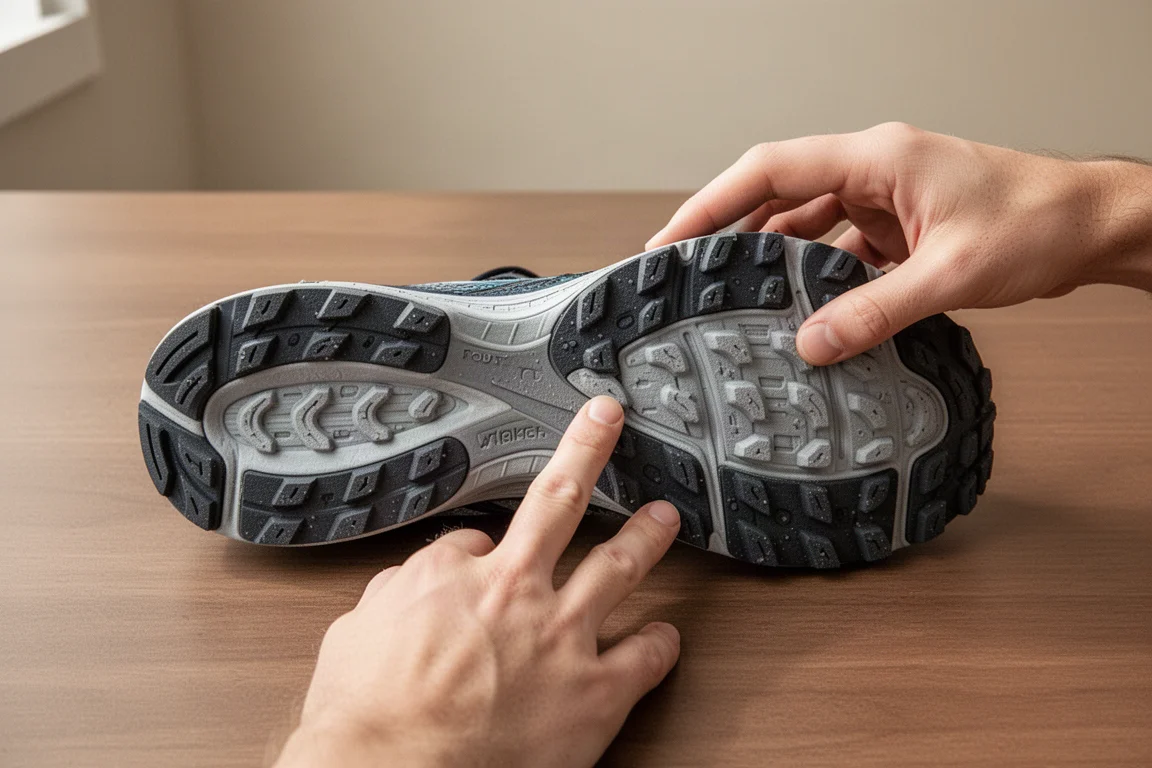
The durability prediction sits around 500 miles. The toe box upper is the main durability question mark, and long-term outsole wear past 300 miles is worth watching for anyone putting serious volume on this shoe.
Things to Consider Before Buying
The strengths are clear: a superbly executed collar and heel, a smooth ride with genuine but unobtrusive stability, and a comfortable upper. The drawbacks are equally clear. The stretchy toe box undermines lockdown, the shoe runs slightly heavy, and $150 feels pricey when something closer to $135 to $140 would sit much better.
If the Vongo v5 does not quite fit your needs, alternatives worth a look include the Saucony Endorphin Shift 2, which delivered a very enjoyable ride, the Saucony Hurricane 23, and the New Balance Prism v2, which ranked lowest of the three.
Buying Advice
Buy the Vongo v5 if you want a daily stability trainer that guides gently and feels natural underfoot, especially at easy and moderate paces. Skip it if you prioritize a locked-in forefoot feel or want maximum value at this price point. For the right runner, though, it is one of the more pleasant ways to add stability to a rotation.
Conclusion
The New Balance Fresh Foam X Vongo v5 is proof that stability does not have to mean stiffness. Gradient-stability foam, a superb collar, and a smooth heel-to-toe transition make it an easy recommendation for mild overpronators, held back only by a swimmy toe box and a premium price. A thoughtful, comfortable stability daily trainer with real appeal.
Product link
View more details for New Balance Fresh Foam X Vongo v5
This product is mentioned in the review. Check the specifications, options, and compatibility before buying.
View more details for New Balance Fresh Foam X Vongo v5Further reading
Related Reviews

Running Shoes
Best Road-to-Trail Running Shoes: Three Versatile Options for Mixed Terrain
A practical guide to three road-to-trail running shoes that handle both pavement and mild trails, with clear strengths and trade-offs for different runner types.

Running Shoes
Best Running Shoes for Achilles Tendonitis: Three Options Explained
Three running shoes with different heel drops and support features designed to help reduce Achilles tendon pain during walking and running.

Running Shoes
Best Running Shoes for Women: Five Top Choices Ranked
A ranked guide to five women's running shoes, from versatile daily trainers to high-performance racing options, with real strengths and trade-offs for each.