Trail Running Shoes
New Balance Fresh Foam X Hierro V9 vs Hierro V8: Is the Bigger Update a Better Shoe?
The Hierro V9 gets a deeper dual-density Fresh Foam X midsole, 6mm Vibram Megagrip lugs and a heavier build. We compare it against the much-loved V8 to see who it actually suits.
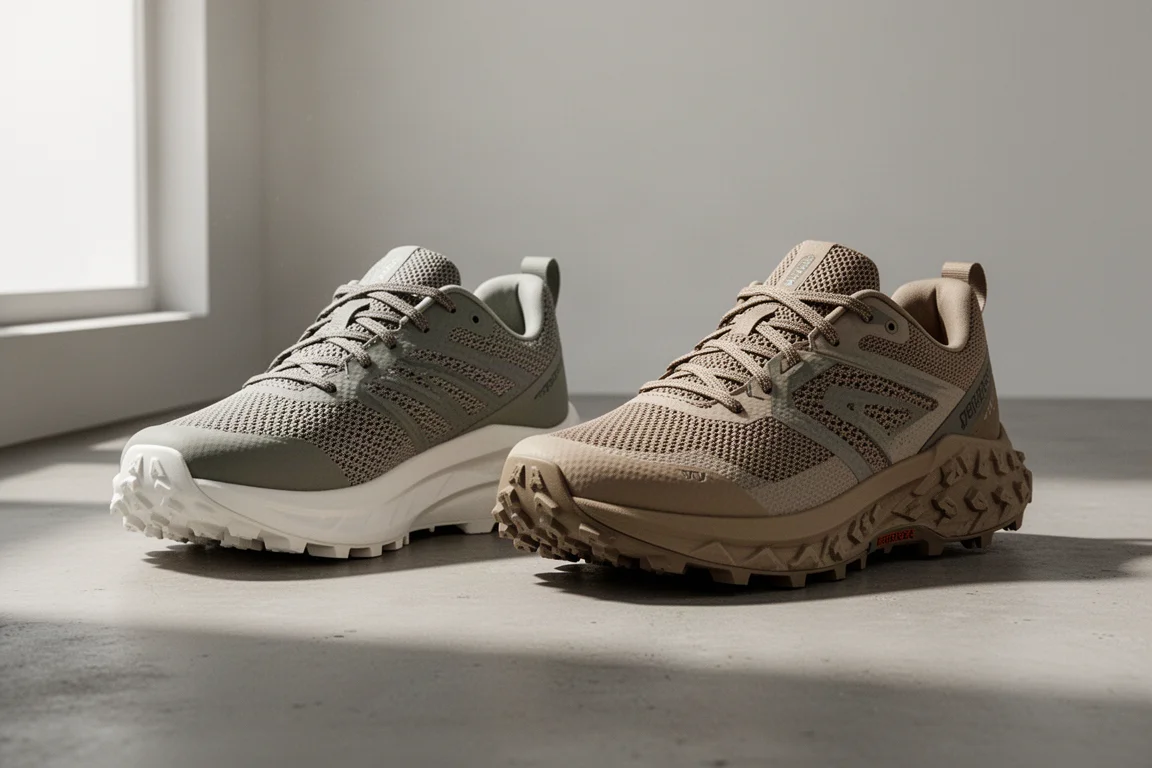
Introduction
The New Balance Hierro V8 was one of the surprise trail running shoes of its generation. It delivered a comfortable, cushioned ride without losing ground feel, and plenty of runners found it easy to rack up serious mileage in. The newly updated Hierro V9, however, is not a light refresh. It is essentially a brand new shoe from the ground up, with a deeper midsole, a dual-density foam setup and a much more aggressive outsole.
That raises an obvious question: does the V9 improve on a shoe many runners already loved, or do the changes take the Hierro in a direction that some riders will not enjoy? After a first run covering more than eight miles on a mix of woodland, compacted and loose trails, here is how the two versions compare.
What’s New in the Hierro V9
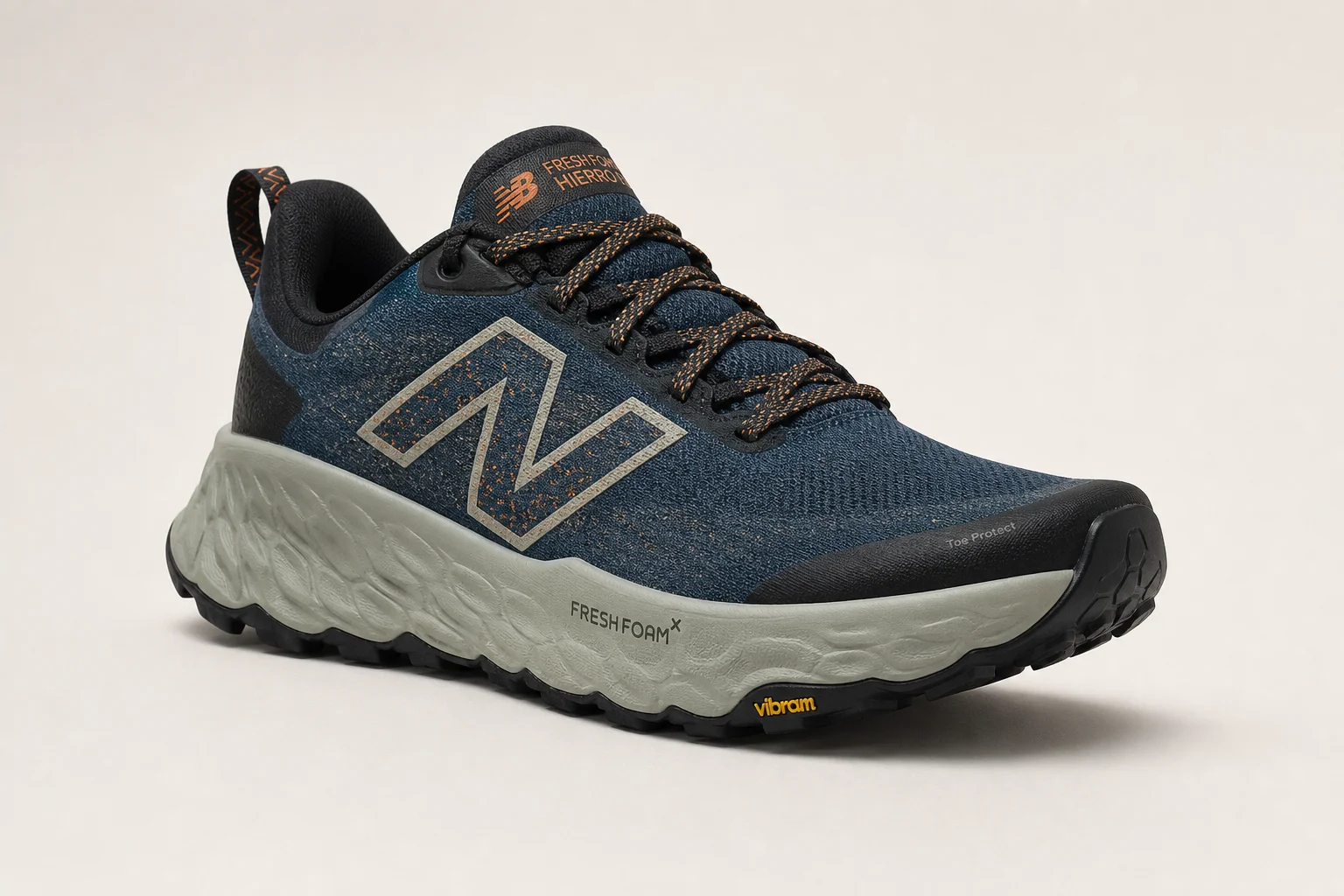
The headline change is the midsole. The V9 steps up to a 42mm heel and 38mm forefoot stack of New Balance’s soft Fresh Foam X cushioning, now arranged as a dual-density setup designed to pair plush comfort with a degree of stability. That gives a 4mm heel-to-toe offset, compared with the V8’s 38mm/32mm split and 6mm drop.
The trade-off is weight. Our pair in a UK 10 came in at 335g, a 25g increase over the previous version. That is never a welcome direction for an updated shoe, and the extra cushioning is the reason for it.

Elsewhere, the upper is a soft engineered mesh design not a million miles from the V8’s, with a plush padded gusseted tongue that the V8 lacked. New Balance has also added a fair amount of padding to the ankle collar and heel cup, which does look a little bulky on paper, though in practice lockdown remained secure. The excellent toe protection carried over, so stubbing a toe on the trails should not be a problem.
Grip and Outsole: The Clear Win
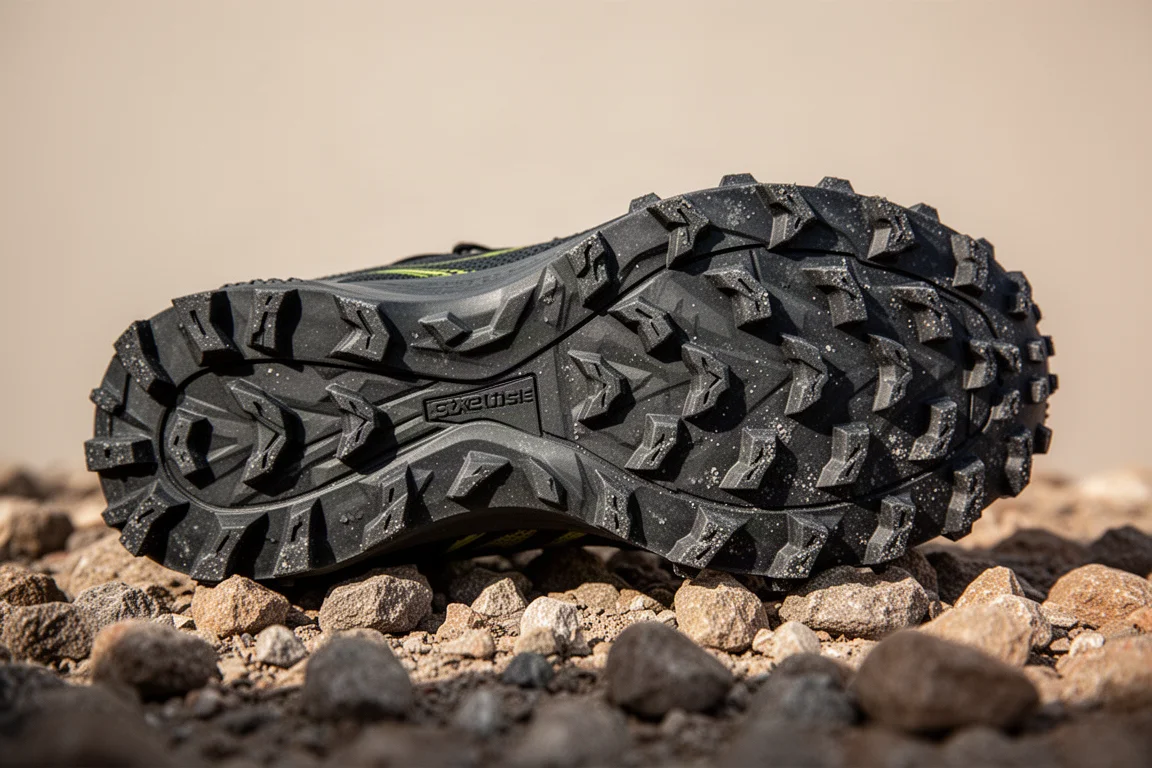
The outsole is arguably the most exciting update in the V9. New shoes get a 6mm-lugged Vibram Megagrip rubber outsole, a real step up from the previous version’s less aggressive 4.5mm lugs, which genuinely struggled for traction once trails turned muddy.
On our first run, which included compacted paths, loose dusty trails and rooty woodland sections, the deeper lugs handled everything with ease and delivered strong traction on loose gravel. Anyone who has run in Vibram Megagrip will know how sticky that rubber feels on wet rock, and this outsole design looks capable of covering most underfoot trail conditions.
First Run Impressions
The good news first: the upper and midsole felt comfortable from the very first mile, with no rubbing or irritation over eight-plus miles, and despite the added collar padding, midfoot lockdown and heel hold stayed secure. The midsole soaks up hard surfaces well, offers generous underfoot protection and delivers a noticeable bounce and energy return on firmer trails.
The less good news is stability. The deeper stack puts you noticeably higher off the ground, and on rooty technical sections we had to concentrate hard on foot placement. That extra cushioning costs ground feel and connection, something the V8 delivered in spades.

The honest verdict on ride character: the V9 sits somewhere in the middle between the V8 and New Balance’s maximally cushioned Fresh Foam X More trail v3. It is not an unstable shoe by any stretch, but runners who like to feel super connected to the trail will notice the difference immediately.
Who Should Buy Which
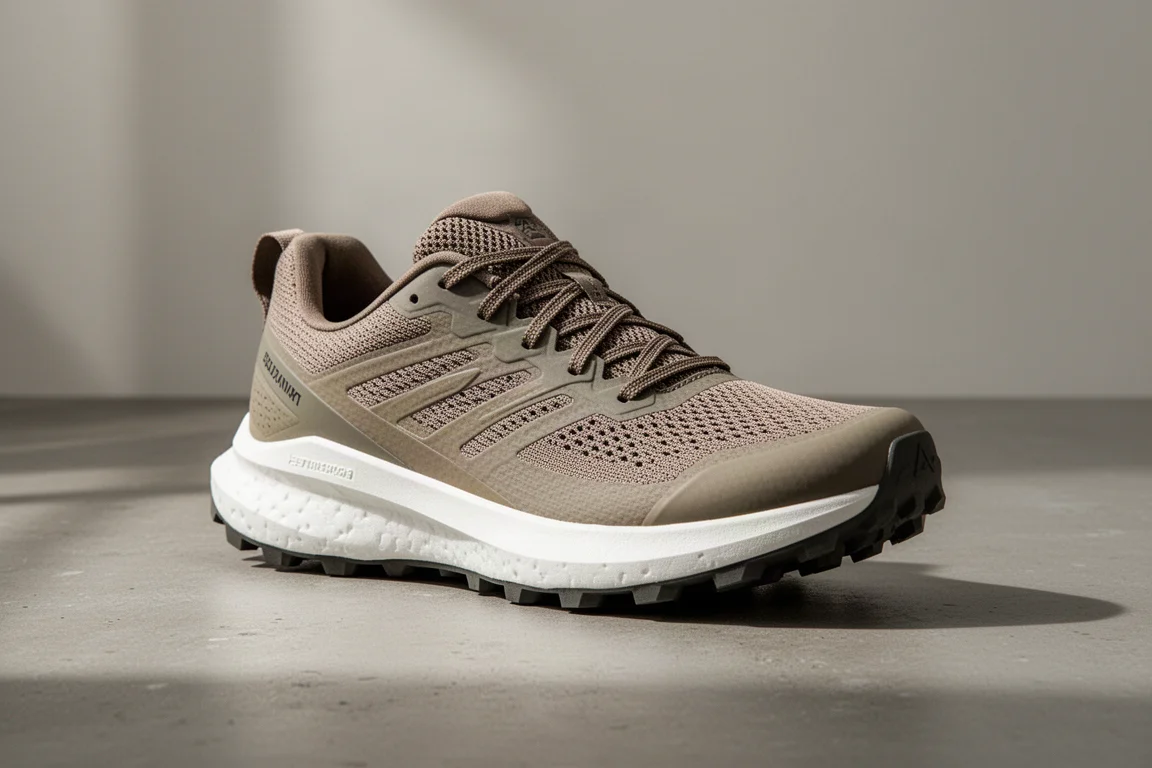
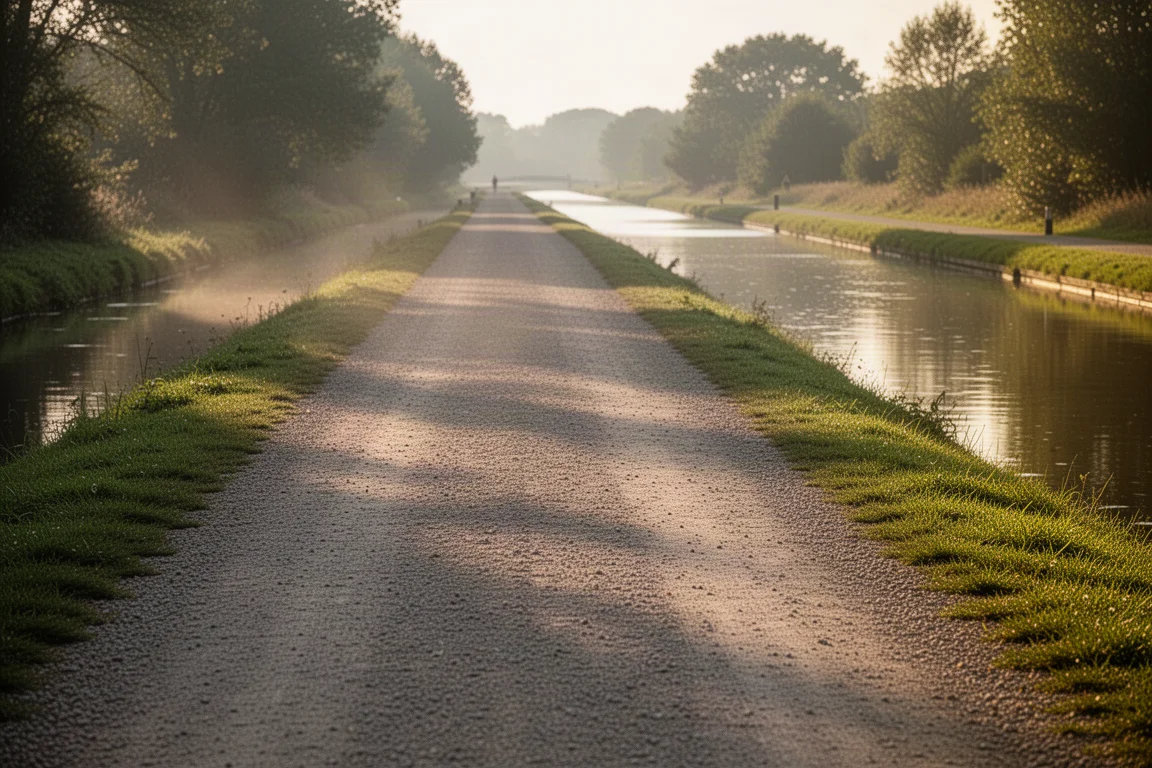
If you do most of your trail running on tow paths, gravel tracks and the occasional stretch of tarmac, the Hierro V9 is the stronger pick. It is comfortable, bouncy and well protected, and the upgraded Megagrip outsole gives it far more all-weather credibility than the V8 ever had. It retails for £140 in the UK, which looks like fair value given the foam, manufacturing quality and rubber on offer.
If technical, uneven terrain is where you spend your time, the V8 remains the more confident choice. Its lighter build, lower stack and better ground feel made it a shoe that handled close to 300 miles, including a couple of 50k races, with minimal fuss.
One sizing note applies to both: New Balance running shoes size small, so going up at least half a size is strongly recommended to avoid black toenails.
Conclusion
The Hierro V9 is a very different shoe from the V8, and neither is objectively better. The V9 wins on grip, cushioning and comfort on easier terrain, while the V8 keeps the edge for connection and stability on technical trails. Choose based on where you actually run, and either way, remember to size up half a size.
Further reading
Related Reviews
Trail Running Shoes
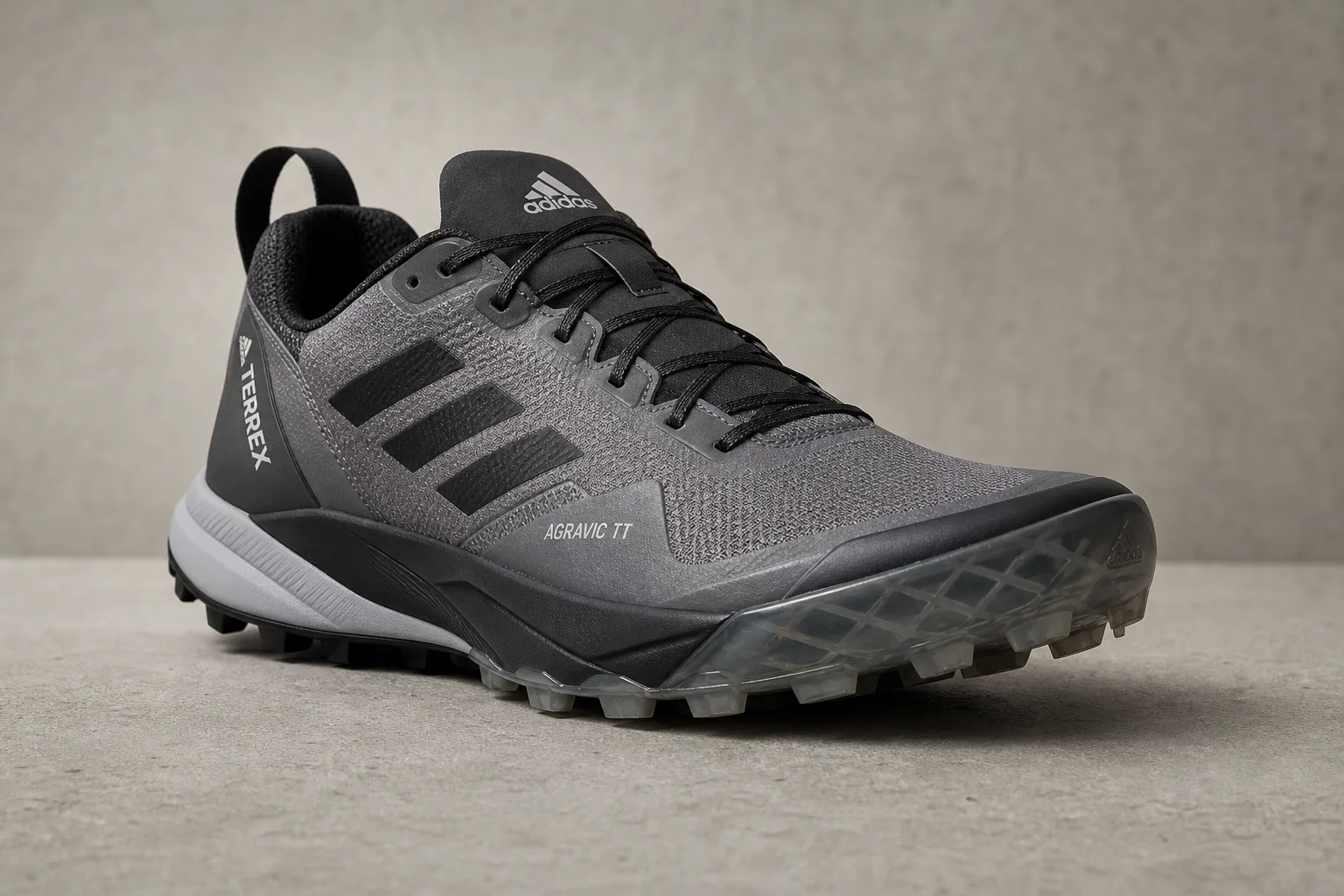
Adidas Terrex Agravic TT Review: A Technical Trail Shoe Built for Rocky Terrain
The Adidas Terrex Agravic TT combines a full-coverage rock plate with a firmer midsole to deliver protection and stability on technical, rocky trails. A capable choice for runners who prioritize underfoot defense over lightweight cushioning.
Trail Running Shoes
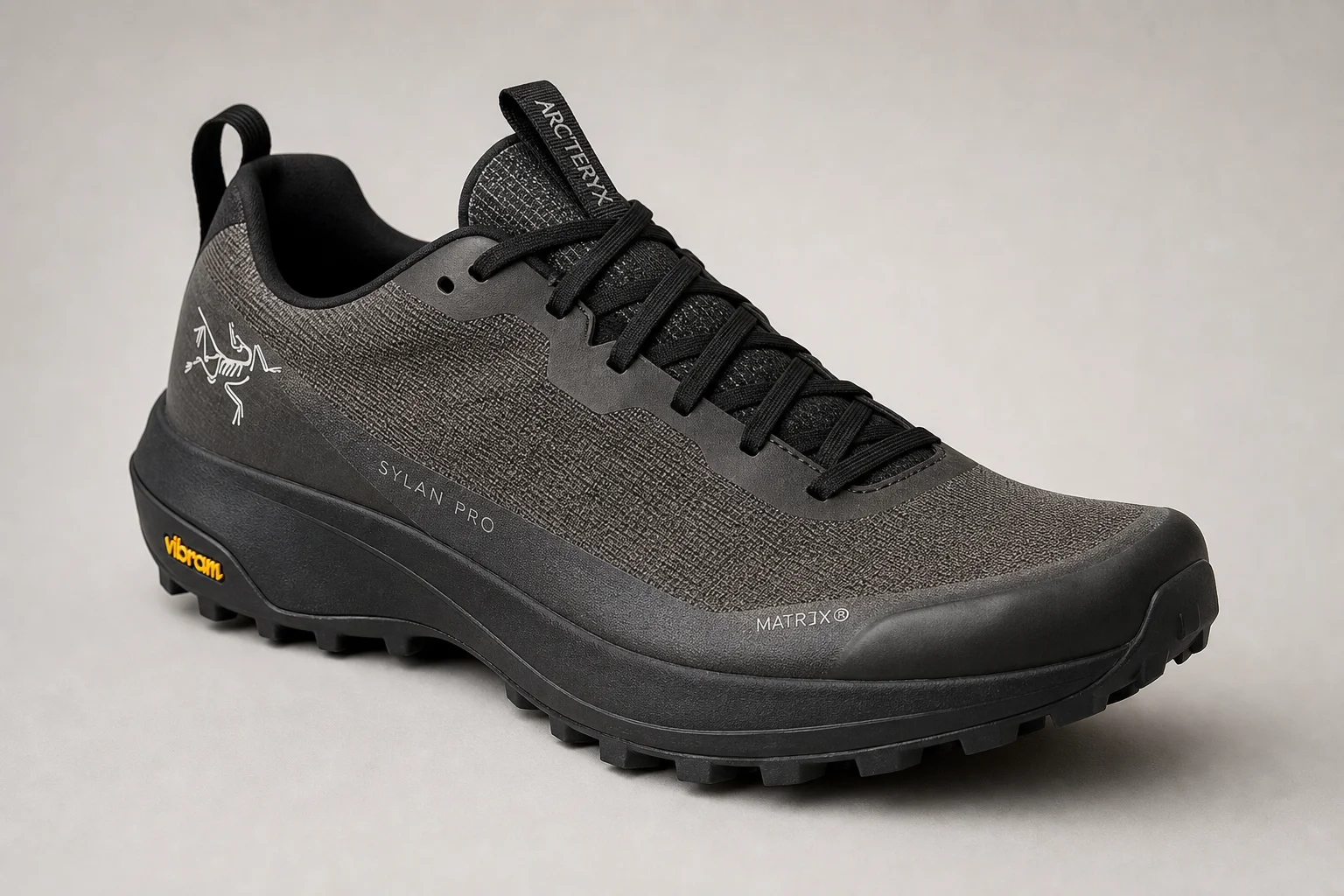
Arc'teryx Sylan Pro Review: A Rocker-Focused Mountain Running Shoe Tested on 20 Miles
The Arc'teryx Sylan Pro brings a pronounced rocker geometry and secure fit to mountain terrain. We tested it on a 20-mile Sawtooth loop to evaluate its climbing efficiency, protection, and handling of technical descents.
Trail Running Shoes
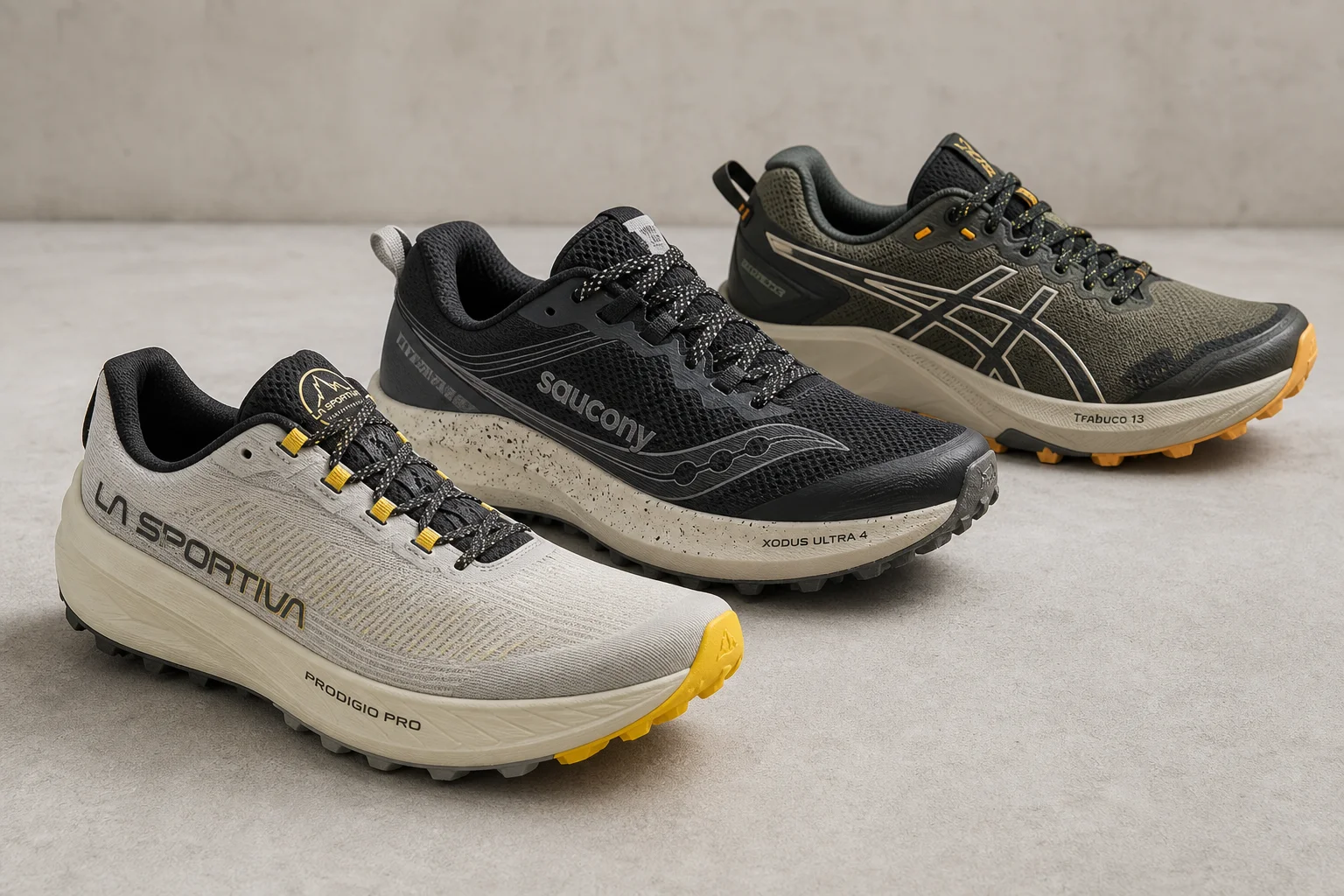
Best All-Mountain Trail Running Shoes: Three Versatile Options for Any Trail
A focused roundup of three all-mountain trail running shoes that handle technical terrain, long distances, and variable conditions with real strengths and practical trade-offs.