Running Shoes
New Balance Fresh Foam X BOS V1 vs Fresh Foam X 1080 v13: Which Soft Shoe Deserves Your Money?
A head-to-head look at New Balance's two softest Fresh Foam trainers, covering ride, fit, stability, and which shoe suits which kind of running.
Introduction
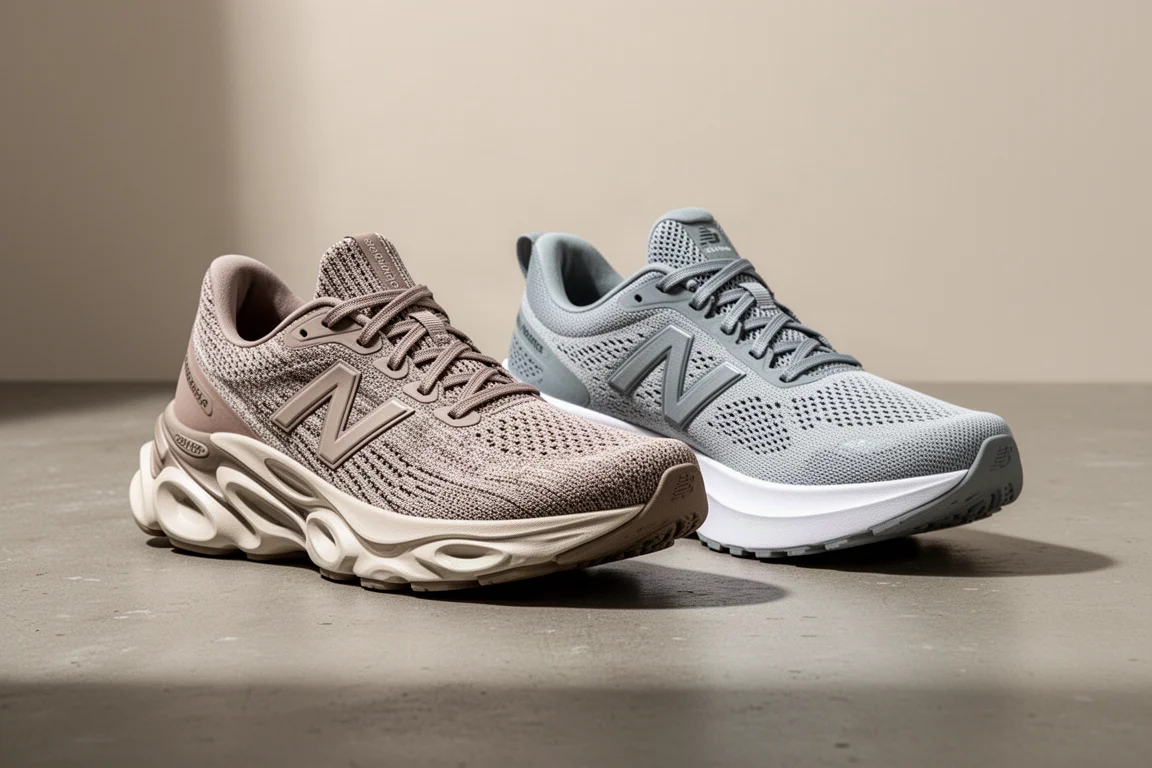
New Balance’s Fresh Foam lineup is built around comfort, and these two shoes sit at the very top of that softness scale. The Fresh Foam X 1080 v13 is the established favorite, with roughly 300 miles of testing behind it and a reputation as one of the softest trainers available. The Fresh Foam X BOS V1 is the newcomer, and it brings something interesting: race foam worked into the midsole.
This comparison breaks down where they differ, what they share, and who should pick which one. The price gap matters too: the BOS V1 sits at $165 while the 1080 v13 runs $200, which makes the question of what you actually get for the extra money a fair one.
Two Fresh Foam Shoes, Two Very Different Missions
Both shoes carry Fresh Foam X, which means both are built around comfort. The BOS is the newest addition to the family, and its defining feature is the race foam, a PEBA-based compound, mixed into the midsole. That addition gives the BOS noticeably more energy return and makes it genuinely versatile, capable of faster running as well as slow mileage.
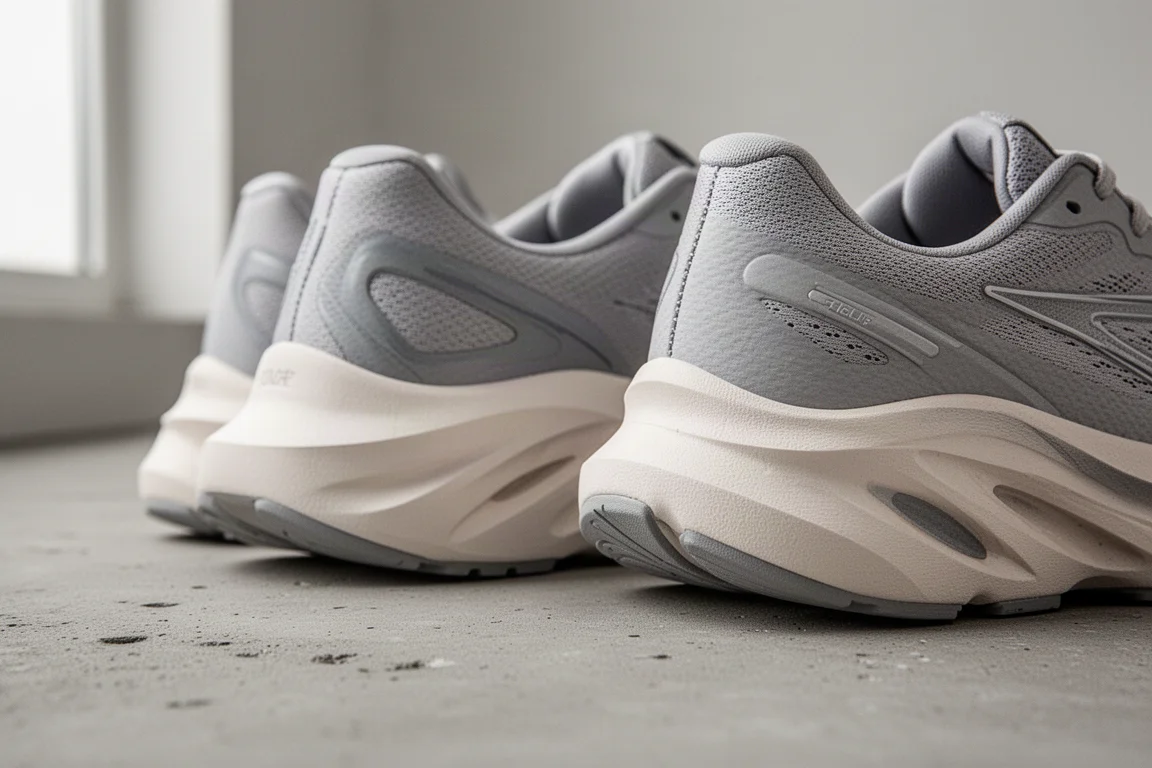
The stack heights are very similar, with the BOS a few millimeters taller. The key structural difference is the base: New Balance widened the BOS platform to fix a stability complaint that came up on longer runs in the 1080, where the heel did not feel as planted as some riders wanted. The BOS also gets a much more aggressive rocker, which changes how the shoe rolls through footstrike.
Running Feel: Recovery Miles vs Everyday Pace
On an easy jog, the difference becomes obvious quickly. The 1080 v13 is very soft, almost buttery, but underfoot it offers essentially no bounce or return. It can feel like it is absorbing your effort rather than giving any of it back. The BOS V1 is the opposite: very bouncy, very lively, with the race foam doing real work, yet it still keeps that signature super-soft Fresh Foam feel.
The rocker plays a role here too. The BOS rolls you forward noticeably, while the 1080 has a much gentler slope through the front, which reads as comfortable but not aggressive.
For pure recovery runs and easy mileage where pace does not matter, the 1080 remains an excellent pick, and it avoids the top-of-market $200 premium if that is all you need it for. It also has proven durability at 300 miles with room for another hundred, and some overpronators have reported it works well for them at shorter distances. Its main weakness shows up past the 90-minute to two-hour mark, when the soft foam stops feeling lively.
The BOS is the pick if you want anything faster in the mix: strides, tempo work, or even a race. It handled a 20-mile double-run day, including a 12-mile recovery run lasting 1 hour and 37 minutes, without complaint, making it a strong non-plated long-run option and a potential replacement for runners still searching for something like the Saucony Triumph 20 or 21. The wider platform also makes it an easy shoe to run in, taking the burden off the legs, and it may suit bigger runners thanks to that combination of bounce and support.
Upper and Fit Differences
The uppers tell two different stories. The 1080 v13 uses a warmer, less performance-fitting upper that is not especially breathable but is noticeably softer and plusher. The BOS goes with a lightweight, translucent performance mesh that has a race-day feel and breathes far better in summer heat.
Inside, both have padding around the heel and a comfortable overall fit. One quirk: the 1080 was tested a half size up, an 11 versus the standard 10.5 worn in the BOS, which fit true to size. The BOS also features a strapped-down tongue design with a sock-like layer inside the upper, locking the foot in place, which feels necessary given how lively the foam can get. Toe box width is slightly roomier in the BOS.
If the shoe is exclusively for walking, the 1080 is the sensible choice. The extra $35 for race foam adds little for casual walking, and the 1080 delivers all the comfort you need around town.
Durability Question Marks
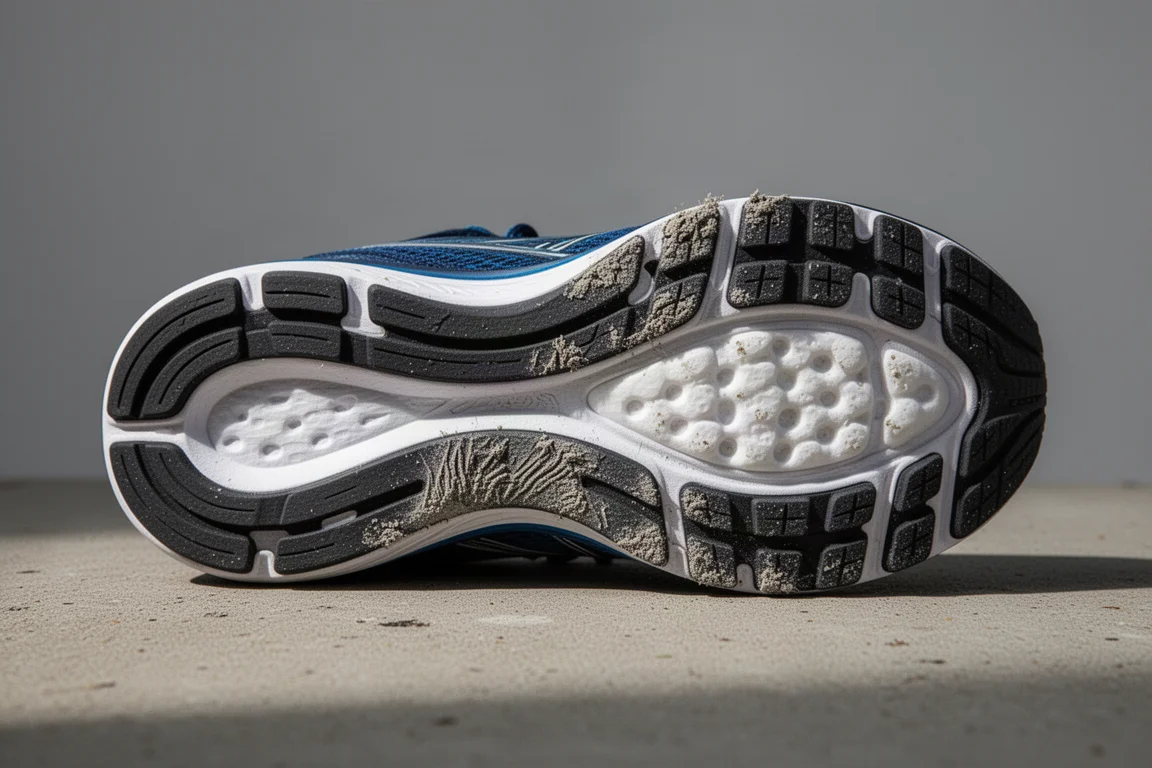
The BOS has an EVA layer on the bottom of the midsole that the 1080 does not, and at around 40 miles in, some minor rubbing is already showing on the exposed foam at the back. The 1080 chewed up its outsole similarly and still reached 300 miles, so the pattern is not alarming, but how the BOS holds up over the long haul remains an open question for a $200 shoe.
Overall Buying Advice
Choose the 1080 v13 if you want a comfortable shoe for shorter everyday miles, walking, and recovery runs where speed is irrelevant and you would rather not pay the premium. Choose the BOS V1 if you want one shoe to handle most of your weekly mileage: fast days, long runs, and recovery work alike.
Worth knowing: the BOS is a special edition commemorating the 10-year anniversary of the Fresh Foam line, positioned almost as an innovation product suggesting the future direction of the 1080. A direct BOS V2 is not confirmed, and elements of the BOS could instead show up in a future 1080 v15, possibly priced around $170 to $175.
Conclusion
These are two very good soft shoes that solve slightly different problems. The 1080 v13 is the plush, proven comfort king for easy miles and walking, while the BOS V1 adds bounce, stability, and a performance edge that makes it the more versatile daily trainer. If you can only buy one and you do anything faster than a slow jog, the BOS makes a compelling case.
Product link
View more details for New Balance Fresh Foam X BOS V1
This product is mentioned in the review. Check the specifications, options, and compatibility before buying.
View more details for New Balance Fresh Foam X BOS V1Further reading
Related Reviews

Running Shoes
Best Road-to-Trail Running Shoes: Three Versatile Options for Mixed Terrain
A practical guide to three road-to-trail running shoes that handle both pavement and mild trails, with clear strengths and trade-offs for different runner types.

Running Shoes
Best Running Shoes for Achilles Tendonitis: Three Options Explained
Three running shoes with different heel drops and support features designed to help reduce Achilles tendon pain during walking and running.

Running Shoes
Best Running Shoes for Women: Five Top Choices Ranked
A ranked guide to five women's running shoes, from versatile daily trainers to high-performance racing options, with real strengths and trade-offs for each.