Running Shoes
New Balance Fresh Foam X BOS V1 Review: A Fun, Cushioned Daily Trainer With Race Foam in the Mix
After a 20-mile double run day, the Fresh Foam X BOS V1 proves itself as one of the most comfortable premium trainers around, with a few trade-offs to weigh before buying.
Introduction
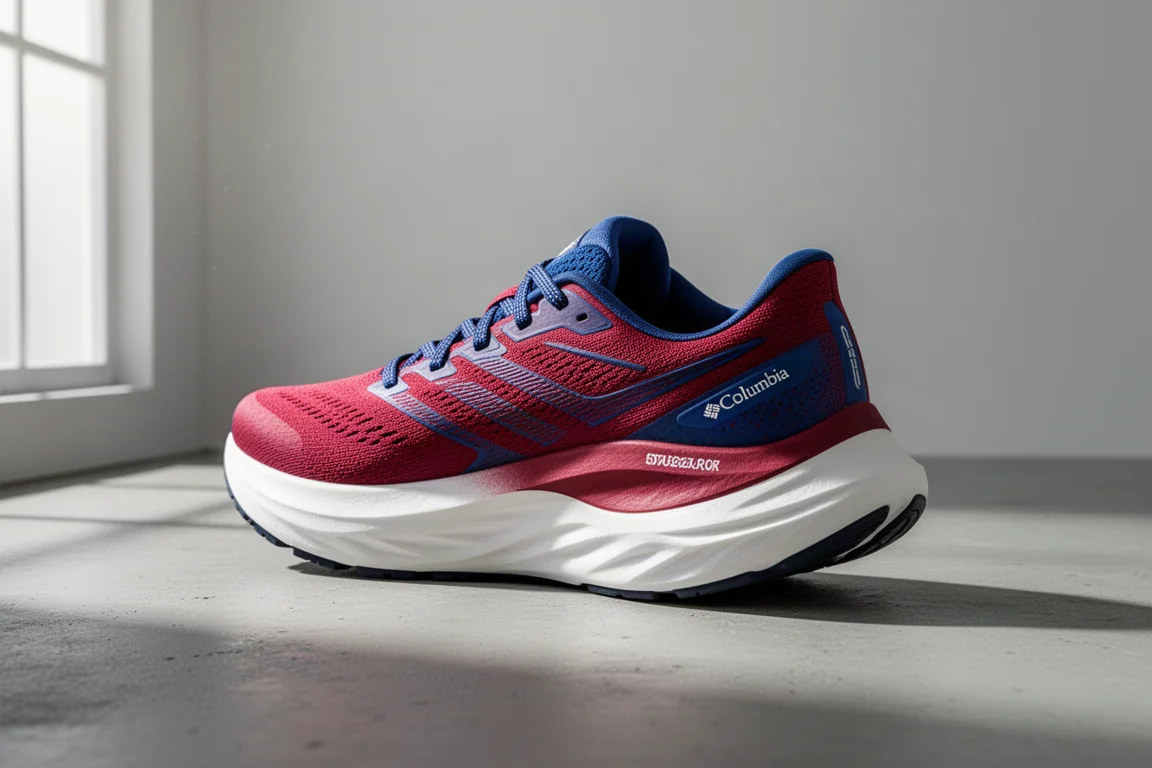
The New Balance Fresh Foam X BOS V1 is a premium daily trainer that blends race foam into a cushioned training platform. Priced at $200, it sits in the same bracket as shoes like the Saucony Endorphin Skyward X and the Adidas缓-style max cushion models, but it takes a different route: there is no plate at all. Instead, New Balance relies on a soft Fresh Foam midsole with PEBA race foam mixed in, framed by a firmer ground-contact EVA layer that reinforces the ride without adding anything rigid or harsh.
After roughly 30 miles of initial testing, capped by a 20-mile double run day (12 miles in the morning, 8 more in the afternoon heat), the picture is clear: this is one of the most comfortable premium trainers on the market, with a few trade-offs around stability and outsole durability that are worth understanding before you buy.
Who This Shoe Is For
This is a shoe for runners who want something genuinely easy to run in. It does not force a pace, does not push you onto your toes, and does not require a specific foot strike to work well. Heel strikers get a wide, soft landing platform at the back, while forefoot landings benefit from the firmer EVA frame firming things up just enough to add pop.

It suits runners building mileage, logging recovery runs, or looking for a fun, bouncy daily shoe rather than a race-day weapon. If you liked the New Balance Rebel but found it slightly unbalanced, the BOS V1 keeps that Rebel-like construction with the race foam content dialed up considerably, producing a much more balanced ride.
Main Strengths
Comfort is the headline. Among training shoes at $180 and above, this is arguably the most comfortable option in the lineup, and likely second only to the More within New Balance’s own range. The Fresh Foam X midsole mixes PEBA race foam into the EVA training foam, and the result feels like the geometry and dual-layer ride of a Mach 5 combined with the plush underfoot feel of a 1080. It is soft and bouncy without ever bottoming out, and you ride on top of the foam rather than sinking deep into it.
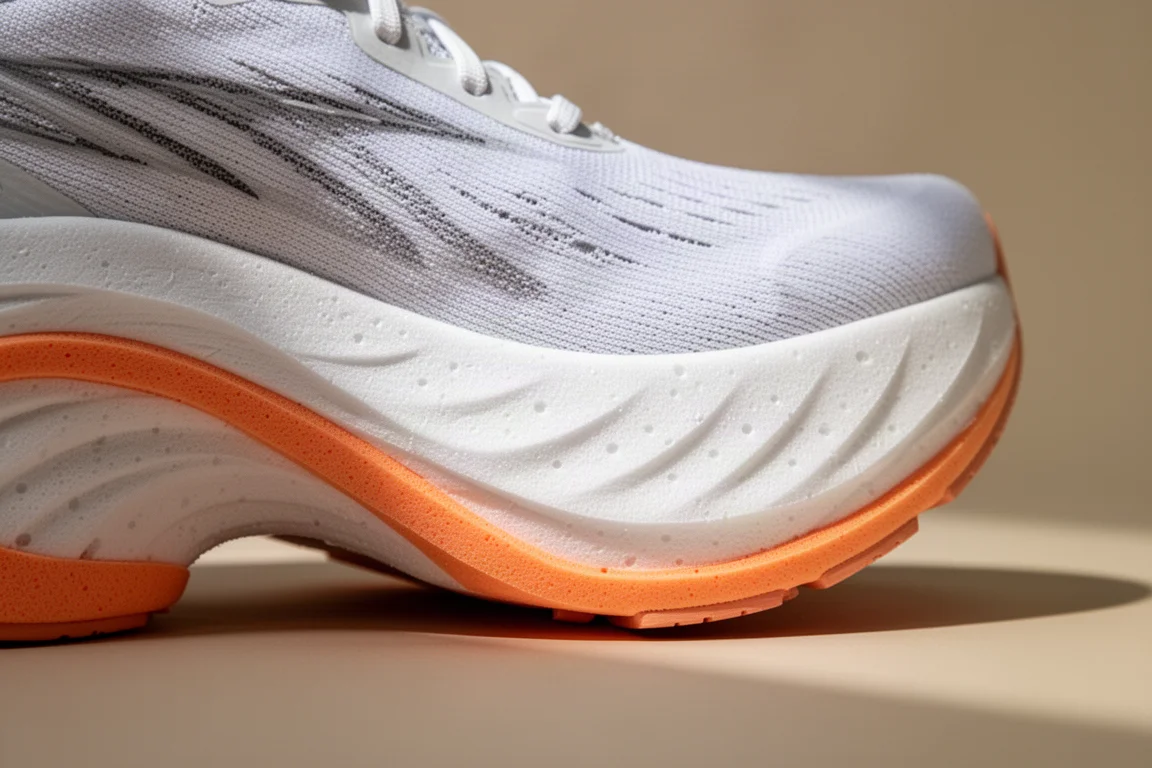
The ride is highly rockered, rolling smoothly along at any pace. The ground-contact EVA framing the exposed Fresh Foam is the unsung hero here: it is firmer and more rigid than the core foam, giving structure without the unnatural feel of a plate, and it reinforces the forefoot so the shoe retains snap instead of going mushy.
Fit is another win. It fits like the Rebel V4, so if that worked for you, take your normal size. The toe box is roomy with good volume, the heel has a touch of padding, and the upper is lightweight and breathable enough for hot summer running. On a brutally humid 12-mile run, socks stayed dry.
Things to Consider Before Buying
Stability is the main caveat. With roughly a 40mm heel stack of very soft foam and no plate, the platform can feel squishy and slightly squirrely, especially at the heel when you are fatigued. On tired legs during the second run of a double day, that softness showed itself. For most runners doing everyday miles this will not be a problem, but if you regularly stack very long runs in one shoe, be aware of it.

Durability is the second watch item. The exposed foam and the EVA on the outsole begin showing wear around the 30 to 40 mile mark, particularly at the heel for heel strikers. Exposed foam rarely becomes a performance problem, but at a $200 price point, buyers will want to see solid long-term wear. Early signs suggest it should reach a reasonable lifespan, though this is worth monitoring.
Finally, the foam can feel a touch uncontrolled and aggressive on the very first runs. The shoe needs a short break-in period, around 30 miles, before it settles into its best, most balanced form.
Buying Advice
At $200, this shoe makes sense for runners who value comfort and versatility and want a fun, bouncy trainer that can handle recovery miles and faster running alike. It held up well across relaxed 7:30-8:30 pace miles, tempo efforts, fast finishes, and even some six-minute-pace running, all without forcing a stride change.
If you want 90% of the experience for less money, the Mach 6 or SL2 are worth a look. But the BOS V1 adds better forefoot padding and a more forgiving landing, and it edges out plated alternatives for pure comfort. The no-plate design keeps the ride natural and flexible, which is exactly what makes it such an easy shoe to live with.
The key question over its lifespan will be durability, not ride quality. If the outsole holds up, this is a shoe that could earn a permanent rotation spot.
Conclusion
The New Balance Fresh Foam X BOS V1 delivers exactly what the Fresh Foam name promises: comfort, softness, and a wide, stable-feeling platform, elevated by race foam mixed into the training compound and a clever EVA frame instead of a plate. It is the most comfortable premium trainer in recent memory, easy to run in at any pace, and genuinely fun. The stability on fatigued legs and early outsole wear are the two things to keep an eye on, but neither should scare off runners looking for a cushioned, versatile daily shoe that justifies its price tag.
Product link
View more details for New Balance Fresh Foam X BOS V1
This product is mentioned in the review. Check the specifications, options, and compatibility before buying.
View more details for New Balance Fresh Foam X BOS V1Further reading
Related Reviews

Running Shoes
Best Road-to-Trail Running Shoes: Three Versatile Options for Mixed Terrain
A practical guide to three road-to-trail running shoes that handle both pavement and mild trails, with clear strengths and trade-offs for different runner types.

Running Shoes
Best Running Shoes for Achilles Tendonitis: Three Options Explained
Three running shoes with different heel drops and support features designed to help reduce Achilles tendon pain during walking and running.

Running Shoes
Best Running Shoes for Women: Five Top Choices Ranked
A ranked guide to five women's running shoes, from versatile daily trainers to high-performance racing options, with real strengths and trade-offs for each.