Running Shoes
New Balance Fresh Foam X 880 v14 vs v15: Which Daily Trainer Fits Your Running
Two very different takes on the New Balance 880: a lighter moderate-stack trainer versus a taller maximal rocker shoe. Here is how they compare and which one suits you.
Introduction
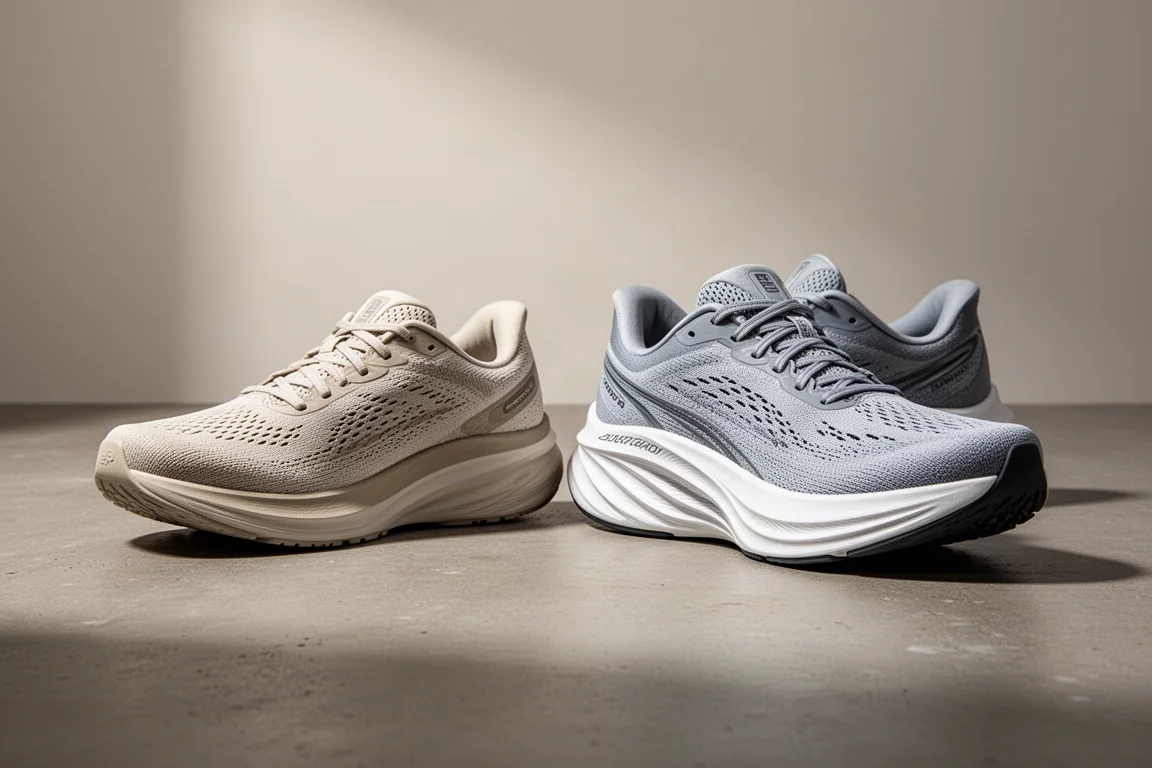
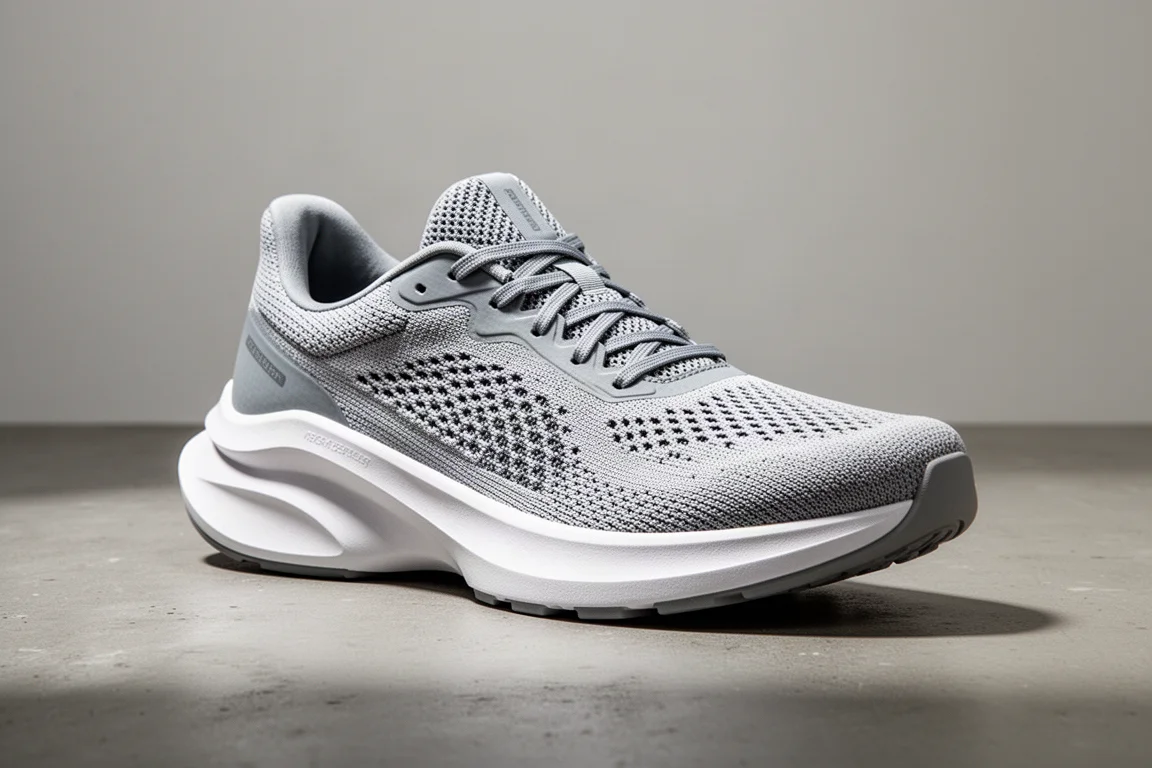
The New Balance Fresh Foam X 880 line took an interesting turn. The v14 stayed at a moderate stack height while getting genuinely light, making it a comfortable but unexciting classic neutral trainer. The v15 evolves in a different direction entirely: it crosses the 40 mm stack height mark and positions itself as a firmer alternative to the 1080.
These are very different shoes, and this comparison is aimed at helping you decide which one works better for you, whether you liked the 880 v14 or are considering either version.
Specs: Weight and Stack Height
Measured in a men’s size 10, the 880 v14 comes in at 9.3 oz (about 262 g), while the v15 weighs in at 10.6 oz (300 g). That is a large increase in weight, and the reason is a massive jump in stack height.
The v14 sits at 31 mm in the heel and 23 mm in the forefoot for an 8 mm drop. The v15 measures 40.5 mm in the heel and 34.5 mm in the forefoot for a 6 mm drop. The lower drop also feels lower in practice, because more foam compresses more under load.
Ride and Heel Transition
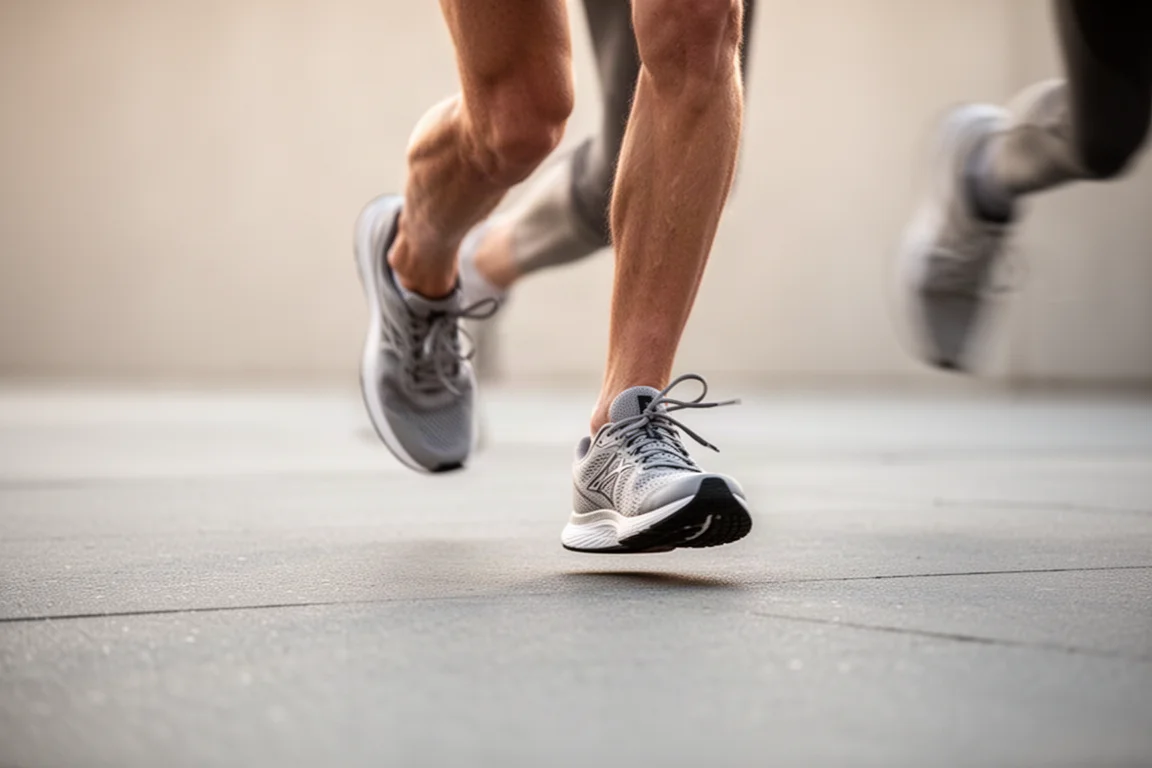
The v14 feels light and firm: a standard training shoe with nothing flashy about it, great for stacking up miles, especially if you are a newer runner or walker wanting something simple and light.
The v15 becomes a maximal rocker shoe. It is much stiffer, which is a natural result of the higher stack height and more foam underfoot, and it is noticeably less flexible.
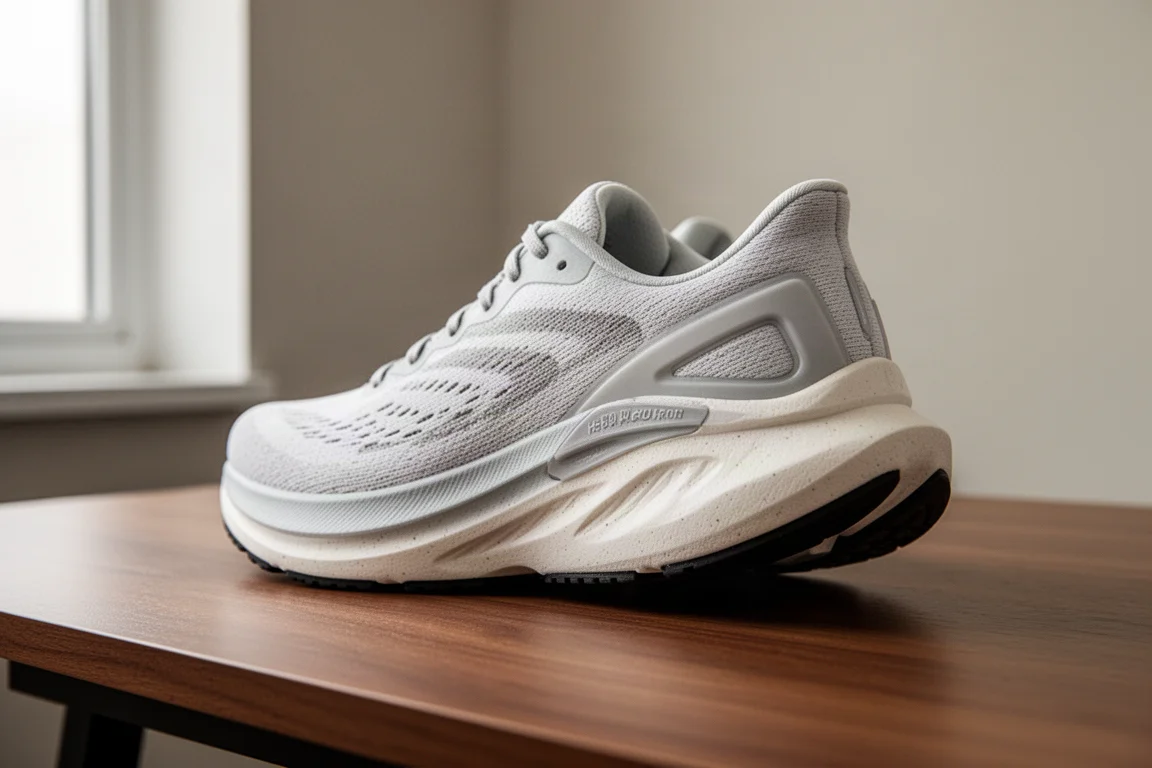
The heel geometry is one of the biggest differences. The v14 has a nice posterolateral heel bevel that transitions really smoothly. On the v15, the bevel is more centered, because at very tall stack heights an aggressive lateral bevel can drive you too far in one direction. The trade-off is that the v15 heel feels a bit clunky at first; it took about 30 miles to break in and soften that lateral piece. If you like a lateral transition, the v14 is better. If you want a more centered ride, the v15 is the better choice.
Midfoot Stability and Flexibility
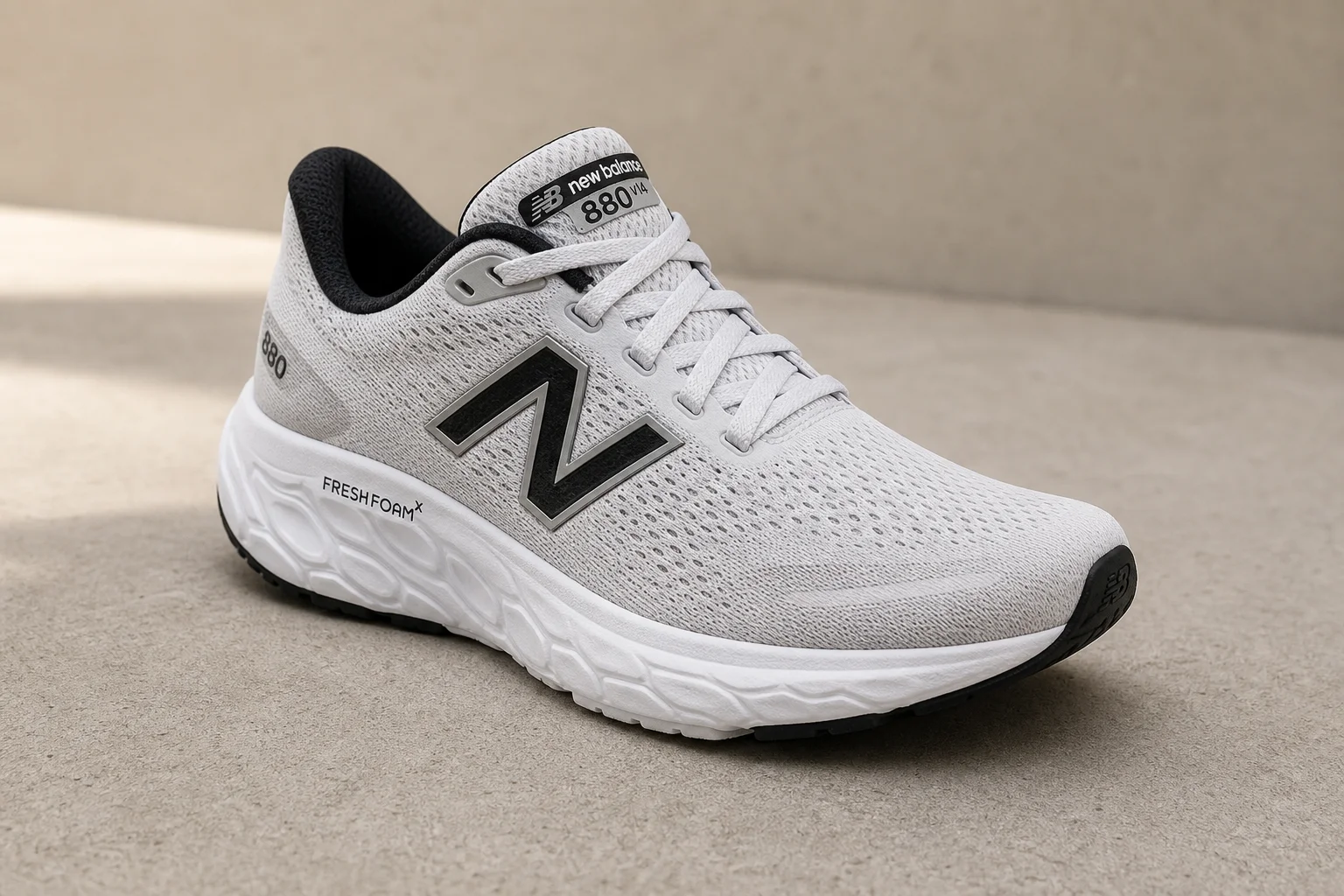
The midfoot is filled in considerably more in the v15 than in the v14. Both shoes have heel sidewalls that are not too aggressive, keeping the heel stable and neutral. At the midfoot, the v14 stays neutral while the v15 moves into stable-neutral territory: the wider, filled-in midfoot adds stiffness, which makes it inherently more stable.

That stiffness also influences firmness. Walking, the v15 actually feels softer than the v14, but running they feel very similar in terms of the slightly firm midsole, because longitudinal bending stiffness affects how firm a shoe feels. The v15 clearly has more cushioning underfoot, but the firmer feel carries over from the v14.
At the forefoot, the two diverge again. The v15 forefoot is much stiffer and much more rockered, while the v14 stays a little more flexible and natural with a lower profile. If you prefer a rocker ride, the v15 will do a lot better for you; if you like a more natural feel, the v14 is the one.
Use Case: Which One Should You Buy
Weight matters here. Neither is a fast shoe for workouts: the v15’s weight rules that out, and the v14’s foam is not especially responsive either, though its lighter weight means it can handle a bit more pace. Both are daily trainers. The v15 is your more maximal daily trainer, best if you wanted more stack height and more cushioning. The v14 is your classic daily trainer if you still want that lighter, more traditional ride.
There is nothing wrong with either choice. It comes down entirely to what you want from a daily shoe.
Fit and Sizing
The fits are really similar. The forefoot is fairly wide but lower volume, and the toe guard is fairly aggressive, so if you are sensitive to that, consider going up a half size. The midfoot and heel fit fairly normally; tying the laces down a bit gives a secure fit, and after that the upper disappears on the foot.
Conclusion
The 880 v14 and v15 are legitimately different shoes, and both are worth buying depending on your preference. Choose the v14 for a lighter, more traditional, moderate-stack trainer with a smooth lateral heel transition. Choose the v15 for a taller, more cushioned, stable-neutral maximal rocker shoe. Either way, both make sense to pick up on sale if the ride description matches what you want out of your daily training.
Further reading
Related Reviews

Running Shoes
Best Road-to-Trail Running Shoes: Three Versatile Options for Mixed Terrain
A practical guide to three road-to-trail running shoes that handle both pavement and mild trails, with clear strengths and trade-offs for different runner types.

Running Shoes
Best Running Shoes for Achilles Tendonitis: Three Options Explained
Three running shoes with different heel drops and support features designed to help reduce Achilles tendon pain during walking and running.

Running Shoes
Best Running Shoes for Women: Five Top Choices Ranked
A ranked guide to five women's running shoes, from versatile daily trainers to high-performance racing options, with real strengths and trade-offs for each.