Running Shoes
New Balance Fresh Foam X 860 V13 First Run: A Solid Moderate Stability Daily Trainer
The Fresh Foam X 860 V13 refines a well-liked moderate stability trainer with a softer midsole, a more responsive forefoot, and wider fit options.
Introduction
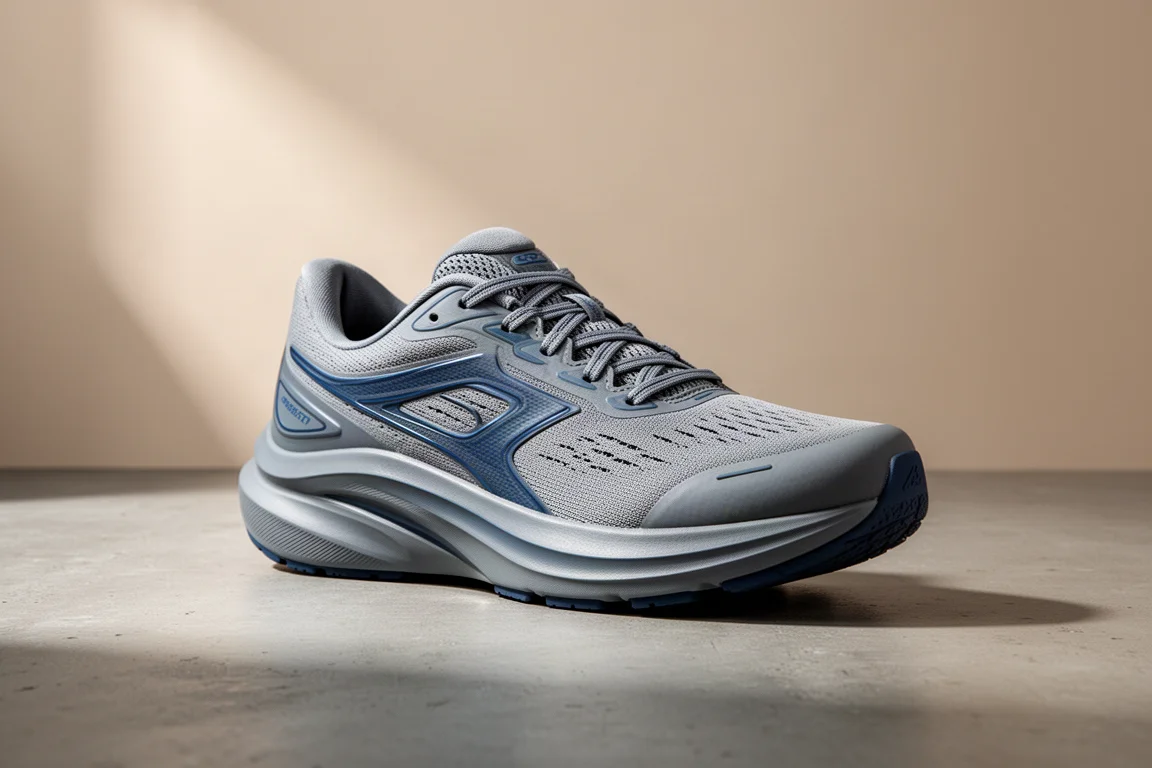
The New Balance Fresh Foam X 860 V13 is a moderate stability shoe designed to double as a daily trainer that can absorb plenty of mileage. It arrives at £140 in the UK and $140 in the US, matching the launch price of the 860 V12, and it builds on a predecessor that quietly earned a reputation as a strong, comfortable mileage shoe.
New Balance has reworked the upper, midsole, and outsole, with more elements contributing to the stability the shoe is designed to deliver. The changes are aimed at improving comfort and support without turning the 860 into an aggressive stability shoe, and off a first 10-mile road run, the results look promising.
Fit and Sizing: Consider Going Half a Size Up
In a UK size 8, the shoe feels like it sits a touch close to the toes, and comparison with the 860 V12 suggests it fits a little short. With a thicker pair of socks it felt noticeably tighter, while thinner socks were fine. Going half a size up looks like a sensible move for many runners, and some sizing experimentation may be needed on a first run.
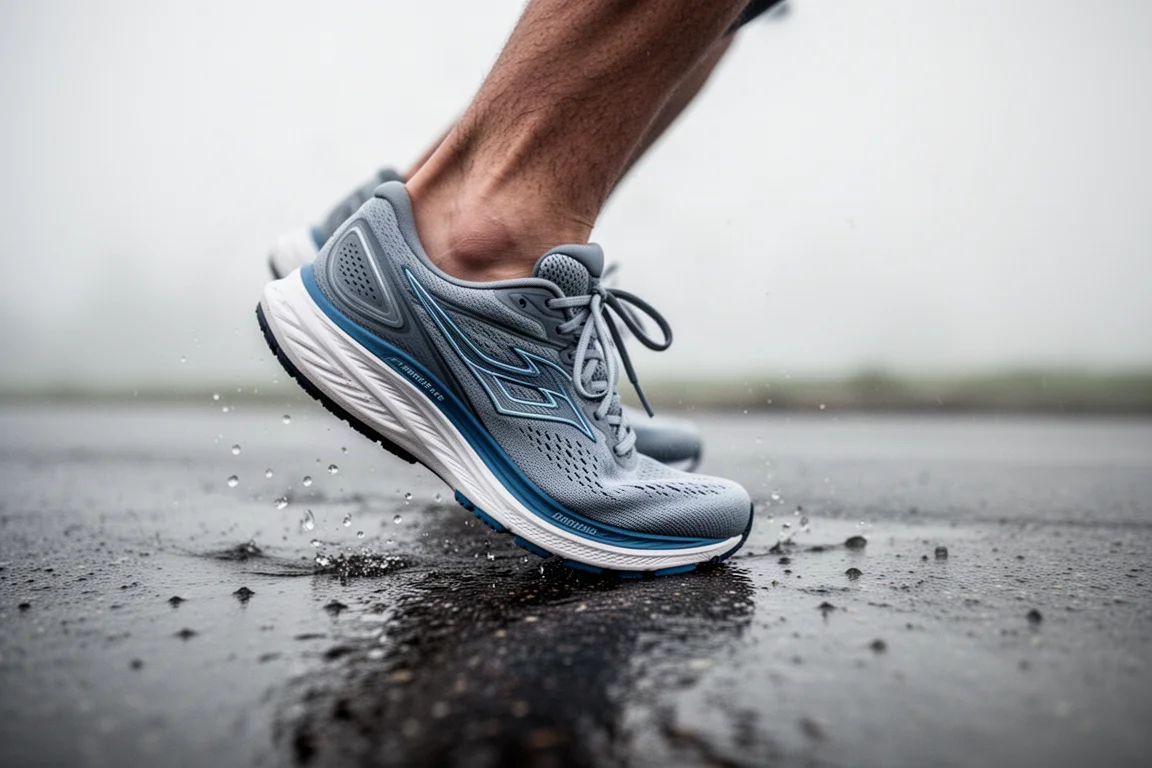
On the plus side, the V13 adds an extra width option. You can now get narrow, standard, wide, and extra wide, which makes it easier to dial in a fit for both narrower and wider feet than before.
Main Strengths
The engineered mesh upper provides good support and lockdown, with laces and a tongue that feel much like the V12. That is no bad thing: the fit was already one of the stronger aspects of the previous version and did not need major change.
The midsole is where the most noticeable updates live. New Balance has rebuilt it with a softer version of Fresh Foam X, paired with a larger, firmer blue foam segment positioned more toward the forefoot. The intent is a quicker toe-off and a more responsive ride up front, and on the road the softer rear foam was clearly distinguishable when pressed.
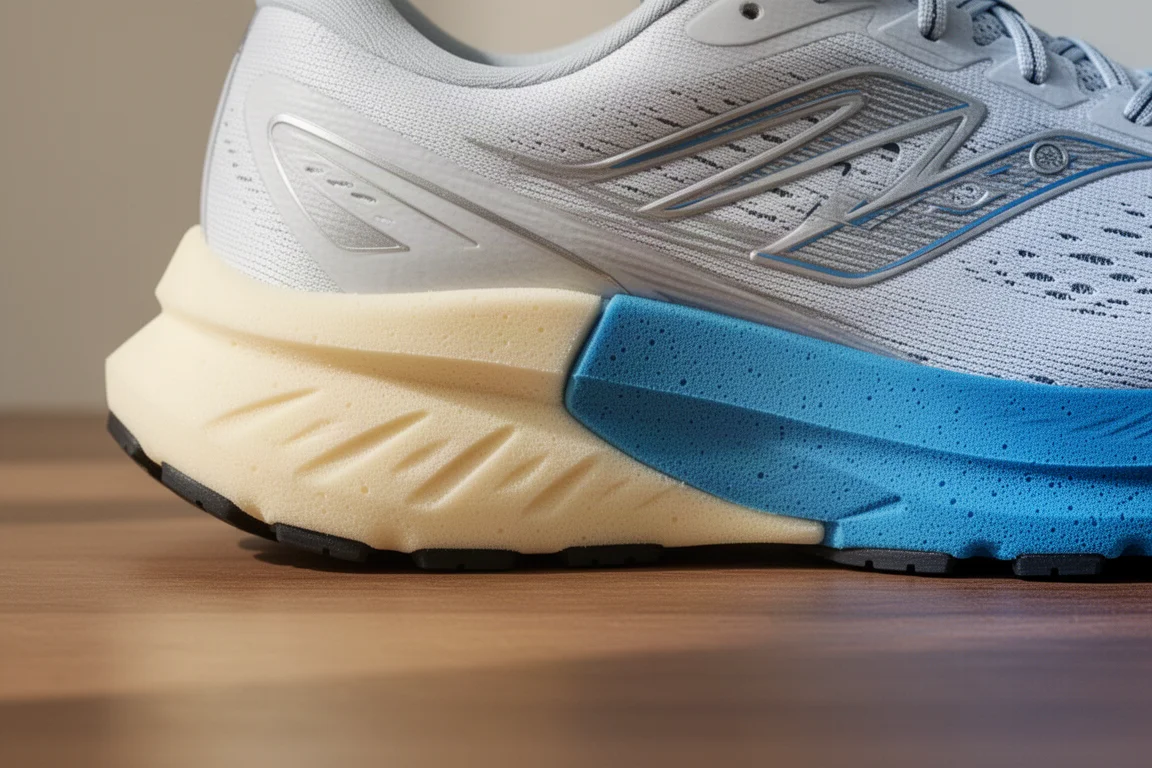
On the run, the ride reads as soft but not overly soft, and very smooth and consistent. New Balance also talks about an improved step-in feel, and that came through in practice. The net result is a shoe that feels more comfortable than the V12 while keeping the same mileage-friendly character.
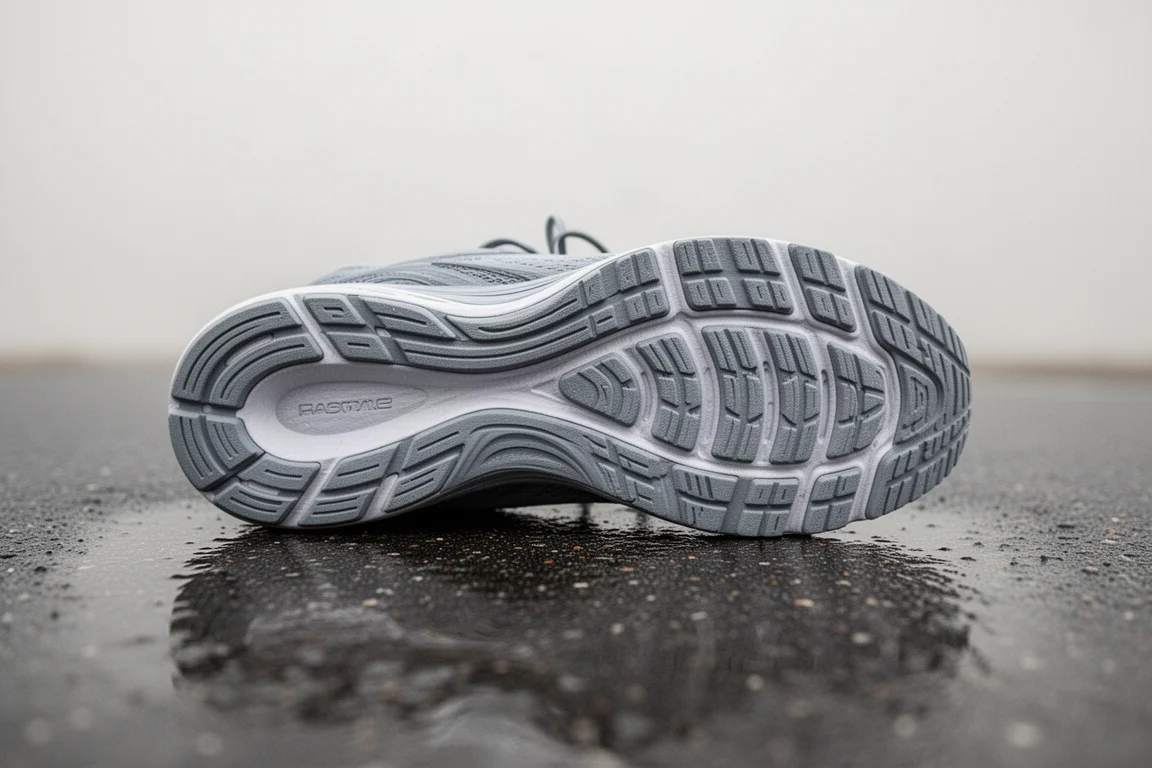
The outsole gets a new pattern with focus areas that add to the overall stability. Grip was dependable in both dry and wet conditions during the first run, and you can feel the outsole slightly more, particularly in the forefoot, midfoot, and heel zones where stability elements are emphasized without being overly aggressive.
Things to Consider Before Buying
The shoe sticks to a 10 mm drop and sheds roughly 10 to 15 g overall compared with the 860 V12, which is welcome but modest. Runners expecting a dramatic transformation may find the changes evolutionary rather than revolutionary.
The fit running slightly short is the main practical caveat. If you are between sizes, the half-size-up recommendation is worth taking seriously, and the extra width options should be factored into your choice.
Buying Advice
This is a shoe for runners who want moderate stability support that does not feel like overkill, paired with a soft, consistent ride for slower, longer runs and high mileage weeks. It is not a speed shoe; it is a daily trainer that supports you in the right places while staying comfortable over distance.

If you are cross-shopping moderate stability trainers, the Saucony Tempus is a strong alternative that sits roughly £20 more expensive. The Saucony Guide is a bit lighter on foot while offering similar moderate stability. If you want to step up to firmer, more classic stability support, the latest Gel Kayano, with its newer foam, offers a more enjoyable ride than previous versions.
For runners who liked the 860 V12, the V13 preserves what made that shoe strong while improving overall comfort, particularly over distance. Based on first impressions, it looks like a very solid upgrade.
Conclusion
The Fresh Foam X 860 V13 takes a well-regarded moderate stability daily trainer and makes it a little softer, a little more responsive at the forefoot, and available in more widths, all at the same launch price as before. The changes feel positive across the board, the ride is smooth and consistent, and the support never feels heavy-handed. If you want a dependable mileage shoe with just enough stability, this should be on your shortlist.
Product link
View more details for New Balance Fresh Foam X 860 V13
This product is mentioned in the review. Check the specifications, options, and compatibility before buying.
View more details for New Balance Fresh Foam X 860 V13Further reading
Related Reviews

Running Shoes
Best Road-to-Trail Running Shoes: Three Versatile Options for Mixed Terrain
A practical guide to three road-to-trail running shoes that handle both pavement and mild trails, with clear strengths and trade-offs for different runner types.

Running Shoes
Best Running Shoes for Achilles Tendonitis: Three Options Explained
Three running shoes with different heel drops and support features designed to help reduce Achilles tendon pain during walking and running.

Running Shoes
Best Running Shoes for Women: Five Top Choices Ranked
A ranked guide to five women's running shoes, from versatile daily trainers to high-performance racing options, with real strengths and trade-offs for each.