Running Shoes
New Balance Fresh Foam X 1080 v13 vs Fresh Foam X Balos: Which Cushioned Trainer Fits You?
Two max-cushion New Balance trainers with nearly identical specs but very different rides. Here is how to choose between the soft 1080 v13 and the bouncier, more stable Balos.
Introduction
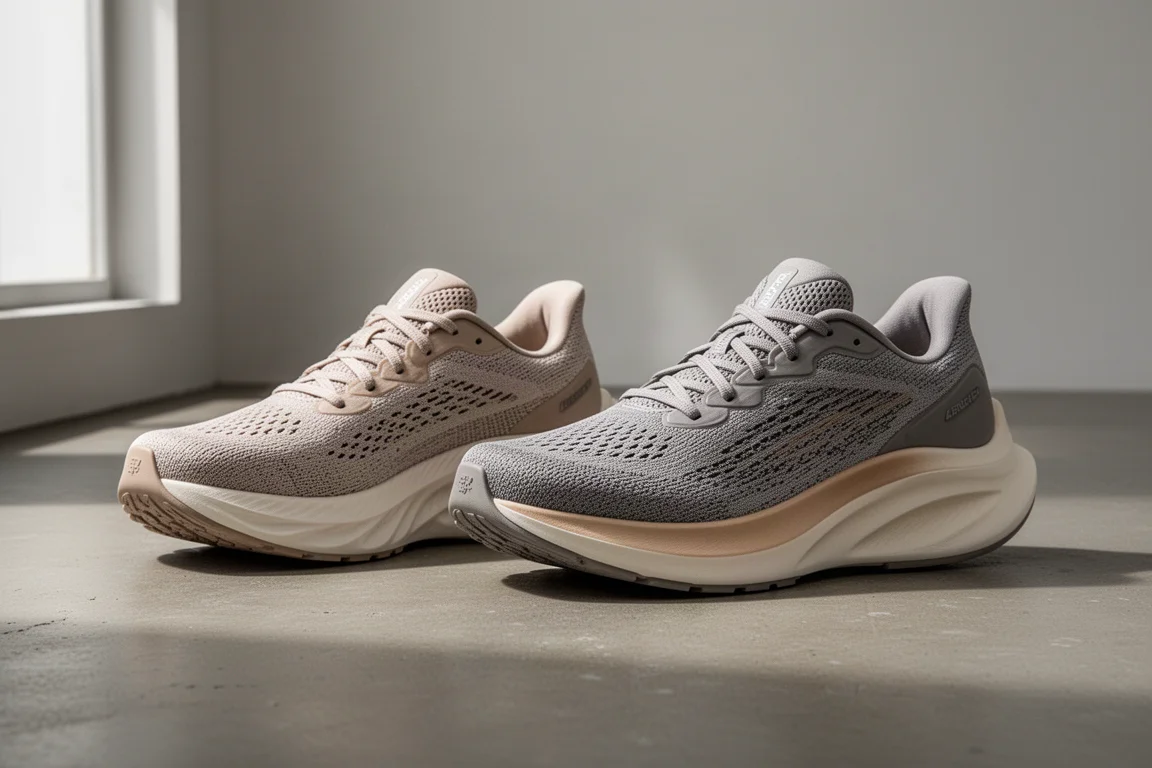
New Balance offers two max-cushion trainers that look similar on paper but feel very different underfoot. The Fresh Foam X 1080 v13 is the brand’s premium neutral cushioning shoe, while the Fresh Foam X Balos is a newer model that uses a PE-blended midsole foam. Both are highly cushioned, both have similar weights and stack heights, and both are well suited to easy mileage. The difference is in how that cushioning responds, how stable each shoe feels, and how they fit.
This comparison breaks down where the two shoes diverge so you can decide which one matches your running style.
Specs at a Glance
The numbers are almost identical. The 1080 v13 weighs 9.2 oz in men’s size 9 and 7.3 oz in women’s size 8. The Balos matches that exactly, with the same 9.2 oz and 7.3 oz weights.
Stack heights differ by only half a millimeter. The 1080 v13 measures 38 mm at the heel and 32 mm at the forefoot for a 6 mm drop. The Balos comes in at 38.5 mm in the heel and 32.5 mm in the forefoot, also with a 6 mm drop. With specs this close, the choice comes down entirely to ride character and fit.

Midsole and Ride Feel
This is where the two shoes really separate. The 1080 v13 uses Fresh Foam X, and it delivers one of the softest, most compliant rides on the market. It compresses deeply and comfortably, but it is not a bouncy ride. Think of it as a genuinely plush, forgiving platform that is excellent for easy runs, recovery days, and daily mileage.
The Balos also uses Fresh Foam X, but with a PE blend mixed in. It is still clearly a cushioned shoe, yet the foam is more resilient, returning a bit more bounce with each stride. The ride feels more balanced between softness and energy return rather than purely soft.
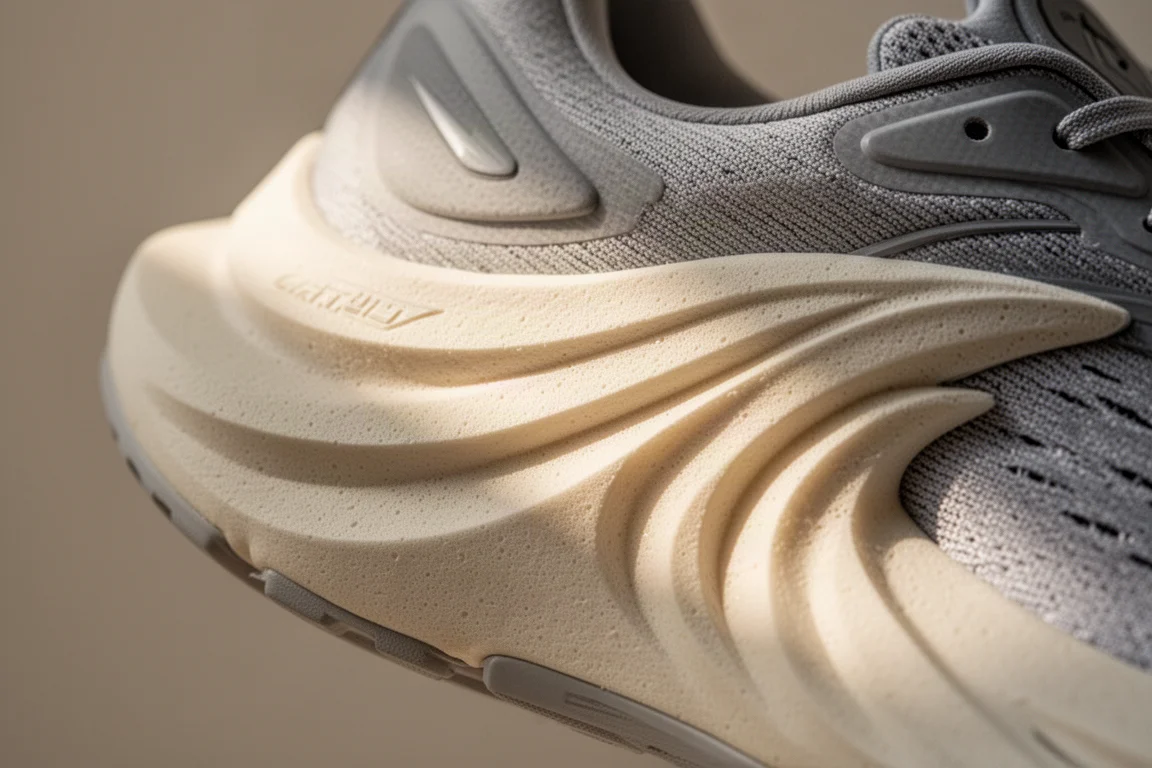
The rocker geometry is present in both shoes, but it is far more noticeable in the Balos, especially the larger, longer heel bevel. That geometry actively rolls you forward through the stride. The 1080 v13 feels more traditional, with a smooth heel transition and smooth forefoot but less of an aggressive rolling sensation.
Stability and Base Width
Neither shoe is a stability shoe, but the Balos is the more stable of the two. The firmer, more resilient foam keeps your foot from sinking too far into the midsole, and the sidewalls are more significant. You can feel the arch on the medial side of the Balos a bit more than in the 1080.
The 1080 v13 has a fairly wide base as well, but the sidewalls are essentially invisible. The foam simply compresses and your foot goes where it wants. If you are sensitive to sidewall pressure or arch contact, be aware that the Balos will have some, while the 1080 offers none at all.
Upper and Fit
The uppers are quite different. The 1080 v13 has a fairly voluminous fit with plenty of stretch, generous room in height and width if you need it. The stretchy upper means you may need to lock the laces down fairly tight to get a secure fit.
The Balos is wider overall but has much lower volume. You may feel the upper sitting against your toes. If you need extra vertical room, the Balos may not offer enough, but if you simply want a bit more width, it performs very well. The lower volume creates a snug, secure fit without lace adjustments, and it suits normal-width feet and slightly wider feet nicely.
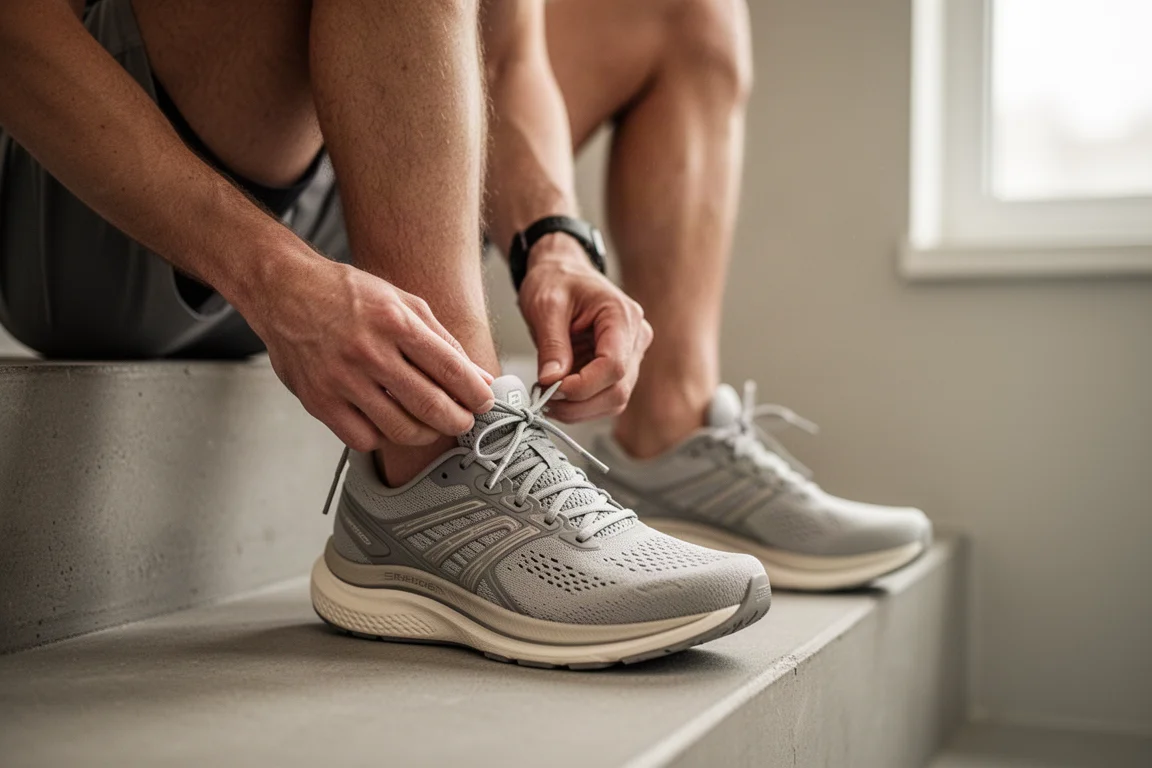
The tongues differ too. The 1080 v13 has a conventional tongue. The Balos has an extremely thin tongue, so wear socks with some height, as low socks can lead to a bit of scratching at the top of the foot. It has not caused any blistering, just mild irritation. Neither shoe works well for sockless running.
Both shoes have fairly solid heel counters with good cushioning around them. The heels are quite rounded, so they did not cause discomfort, but runners sensitive to heel counters should take note.
Durability
Both shoes show very little outsole wear after around 30 miles of testing, and expectations are for a decent number of miles overall. The caveat is that both shoes use soft foam compounds, and softer outsoles tend to wear faster than firmer ones. Long-term durability may turn out average rather than exceptional, but early signs are good on both.
Which Shoe for Which Runner?
The Balos edges ahead for runners who want a bit more stability, a wider midfoot feel, and a touch of bounce in their cushioning. Despite being positioned as a faster shoe, it performs best on easier runs and longer efforts, with maybe a small amount of tempo work. It is less suited to genuine workout pace.

The 1080 v13 is the true recovery shoe of the pair: soft, slow, and forgiving. It is also the better walking shoe of the two thanks to its plush, comfortable design, which is notable given how some PE-blended shoes feel for walking.
Conclusion
Both shoes are excellent, just for different reasons. Choose the Balos if you want a cushioned trainer with more bounce, a more noticeable rocker, a wider but lower-volume fit, and slightly better stability. Choose the 1080 v13 if maximum softness is the priority and you want a dedicated easy-day, recovery-day, and everyday walking shoe. With specs this similar, your preference for ride character and fit will make the decision for you.
Product link
View more details for New Balance Fresh Foam X 1080 v13
This product is mentioned in the review. Check the specifications, options, and compatibility before buying.
View more details for New Balance Fresh Foam X 1080 v13Further reading
Related Reviews

Running Shoes
Best Road-to-Trail Running Shoes: Three Versatile Options for Mixed Terrain
A practical guide to three road-to-trail running shoes that handle both pavement and mild trails, with clear strengths and trade-offs for different runner types.

Running Shoes
Best Running Shoes for Achilles Tendonitis: Three Options Explained
Three running shoes with different heel drops and support features designed to help reduce Achilles tendon pain during walking and running.

Running Shoes
Best Running Shoes for Women: Five Top Choices Ranked
A ranked guide to five women's running shoes, from versatile daily trainers to high-performance racing options, with real strengths and trade-offs for each.