Running Shoes
New Balance Fresh Foam More v6 Review: A Comfortable Update That Lacks a Reason to Exist
The Fresh Foam More v6 trims the platform and adds toe box volume, but the market has moved on. Here is how it stacks up against the still-available v5 and the rest of the max cushion category.
Introduction
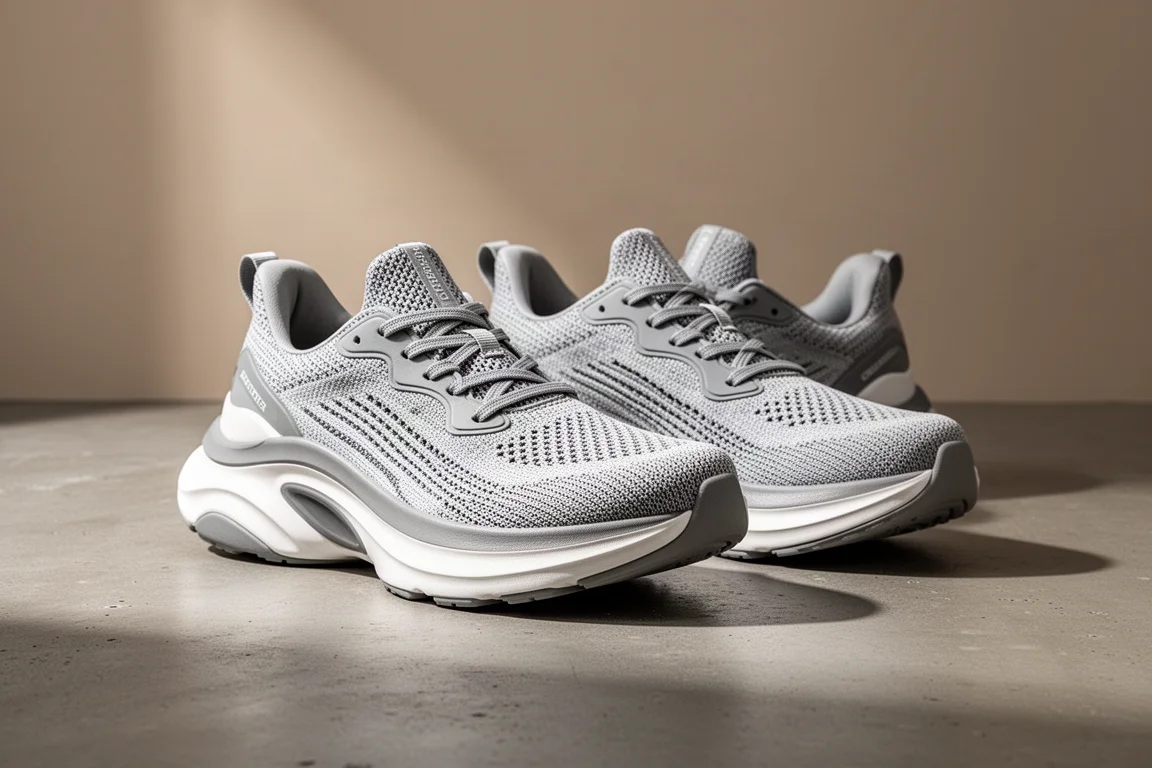
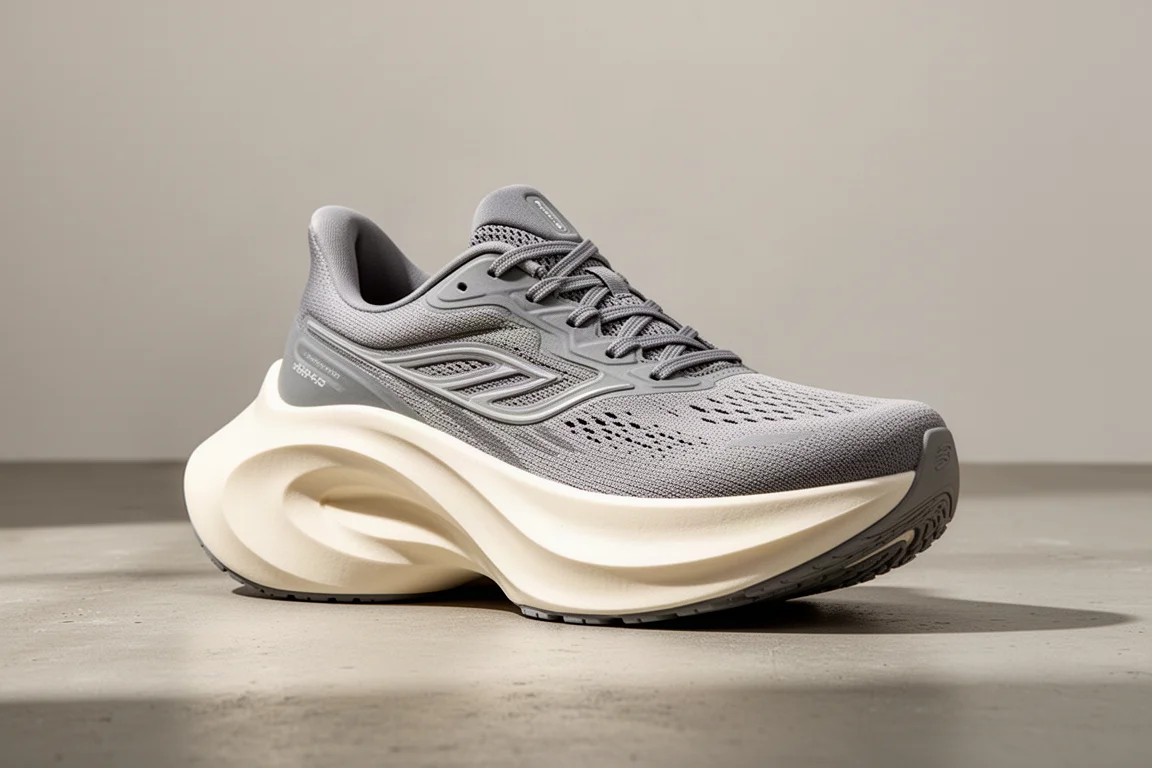
The Fresh Foam More v6 arrives as the follow-up to one of New Balance’s most anticipated max cushion releases. The v5 debuted to genuine excitement, but since then the entire max cushion segment has transformed. Shoes like the MagMax and Glycerin Max brought bouncier foams and taller stacks near 45 to 50 mm, splitting the category in two: premium bouncy trainers for runners stacking miles, and softer, more conventional comfort shoes for everyday wear.
The v6 is New Balance’s answer, and it is a strange one. Rather than chasing the super max stack trend, the brand has shaved down the platform and leaned further into the comfort and casual side of the market. This review walks through what changed, how it runs, and whether it deserves your money at around $155.
What Changed from the More v5
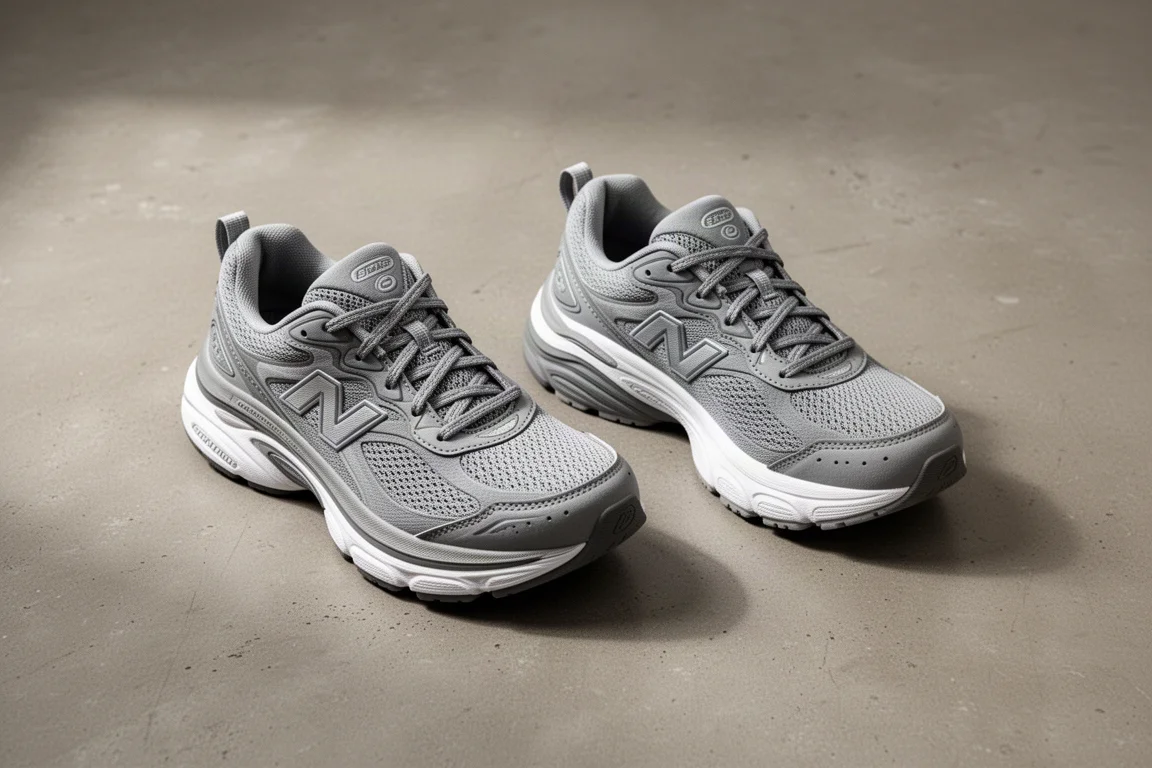
The core foam compound is the same as the v5, and that is both the shoe’s strength and its weakness. It remains a very comfortable, impact-absorbing material with a smooth, surprisingly gentle ride. What has changed is the geometry and shaping. New Balance trimmed the platform, reducing the foam wrapping on the sides from roughly 70 mm on the v5 to around 57 to 60 mm on the v6.
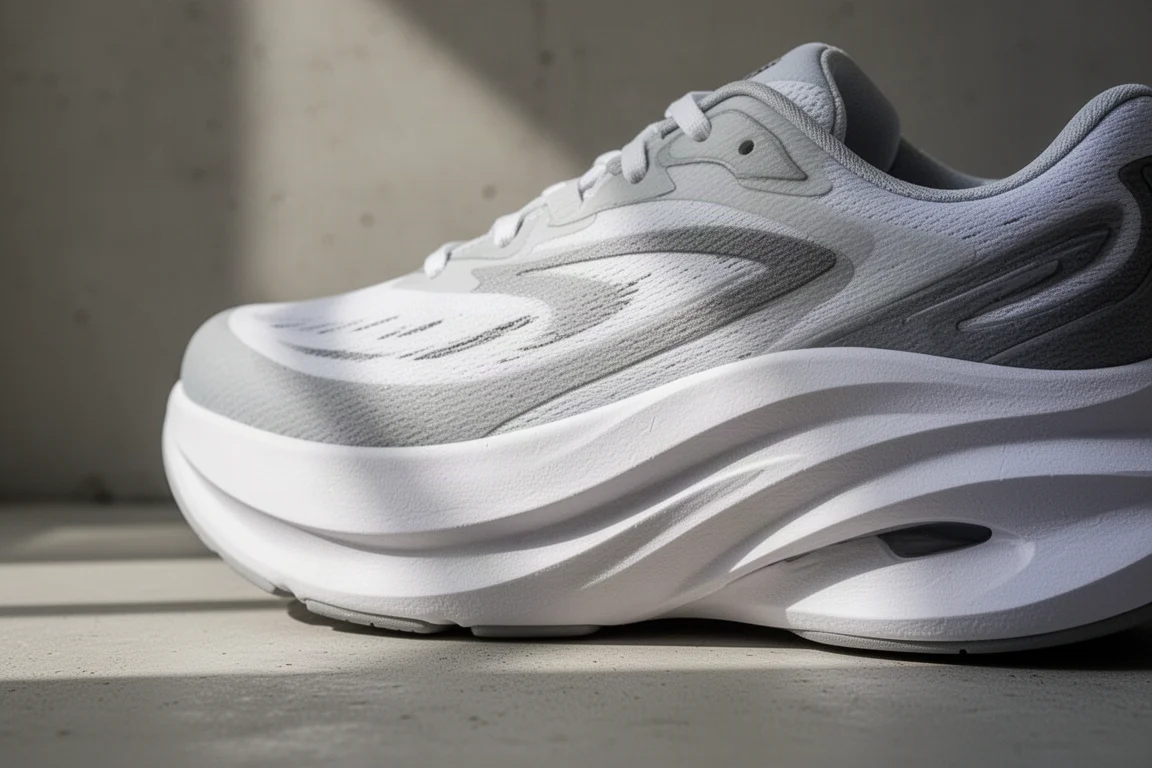
The upper stays very similar, but toe box volume above the foam has increased noticeably. That matters because one of the biggest complaints about the v5 was a narrow, low-volume toe box that caused blisters for some runners. The v6 adds only a few millimetres of width but more vertical room, which should reduce pressure on the toes.
Weight comes in at roughly 330 g on the tested pair, only about 9 g lighter than the v5’s 339 g. Stack height measured around 42.7 mm out of the box on the v6, not dramatically taller than competitors that have compressed with mileage. It is still a very large shoe, as its oversized shipping box alone suggests.
On-Foot Fit and Feel
On foot, the v6 fits true to size with a relatively narrow, low-volume front end. It is not uncomfortably tight, but runners who like generous toe boxes will find the Nimbus and Vomero more accommodating. The upper is secure with good padding at the heel, and the reduced foam wrapping means the midsole no longer rides up against the toes like it did on the v5.

The ride is soft and squishy, softening further as the foam breaks in. It responds better when landing mid-forefoot with more force behind each stride, but at genuinely slow recovery paces around 8:30 per mile, the shoe feels like a lot of foam to push through. The bounce is there, but it is gentle rather than energetic, and it needs faster running to come alive. It is also an exceptionally quiet shoe on pavement, which makes it well suited to easy miles where you simply want to disappear into the run.
Running Performance: Very Mid
On an eight-mile recovery run at around 8:00 to 8:10 per mile, the v6 was serviceable but unremarkable. It locks you into slow paces and it is heavy enough that the ride feels like strength training rather than easy running. At 155 lb body weight, the foam only delivers its nice, gentle bounce once pace drops closer to 7:30, which is not where most people will use a shoe like this.
The bigger problem is competitive context. At 330 g, the v6 weighs as much as the Glycerin Max while offering far less bounce and energy return. The MagMax delivers more foam at a lighter 302 g. The Mizuno Neo Vista 2 sits above 50 mm in the heel at under 300 g. Even the Clifton, a pure soft-comfort shoe, is 10 to 15 percent lighter and easier to turn over, while still handling occasional pickups. Against that field, the v6’s only real advantage is price.
How It Compares to the Max Cushion Market
The running shoe market has bifurcated into roughly $150 to $160 shoes that lean toward comfort and casual use, and $180-plus super max stack shoes built for genuine mileage. New Balance has clearly positioned the More in the first group, but that creates a portfolio problem: the 1080 already covers that ground, costs $165, and is significantly lighter.
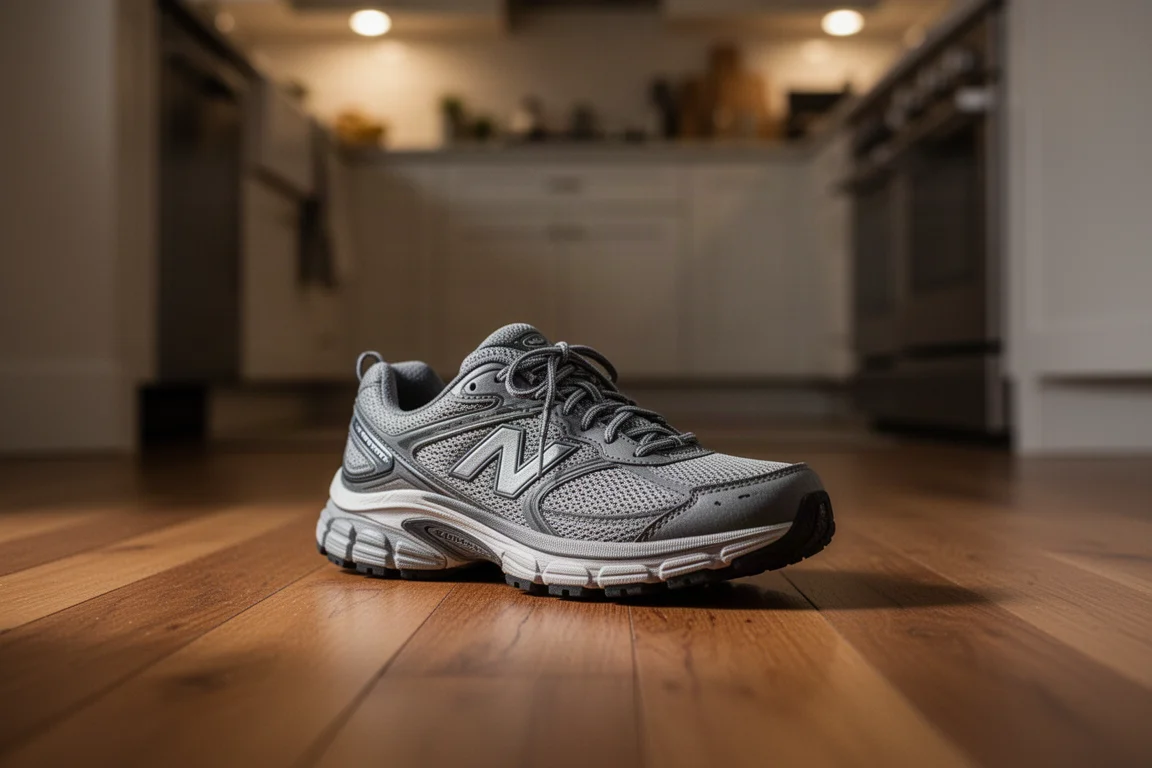
The Vomero 18, Nimbus, and Bondi each execute the traditional max cushion formula better, with either lighter builds, better geometry, or more resilient foam that does not feel long in the tooth. The Bondi and Vomero in particular hold up well for runners who want comfort that works for both walking and running. If bounce and excitement are the goal, the MagMax, Glycerin Max, and Neo Vista 2 all outclass this shoe by a wide margin.
Should You Buy the v6 or Stick with the v5
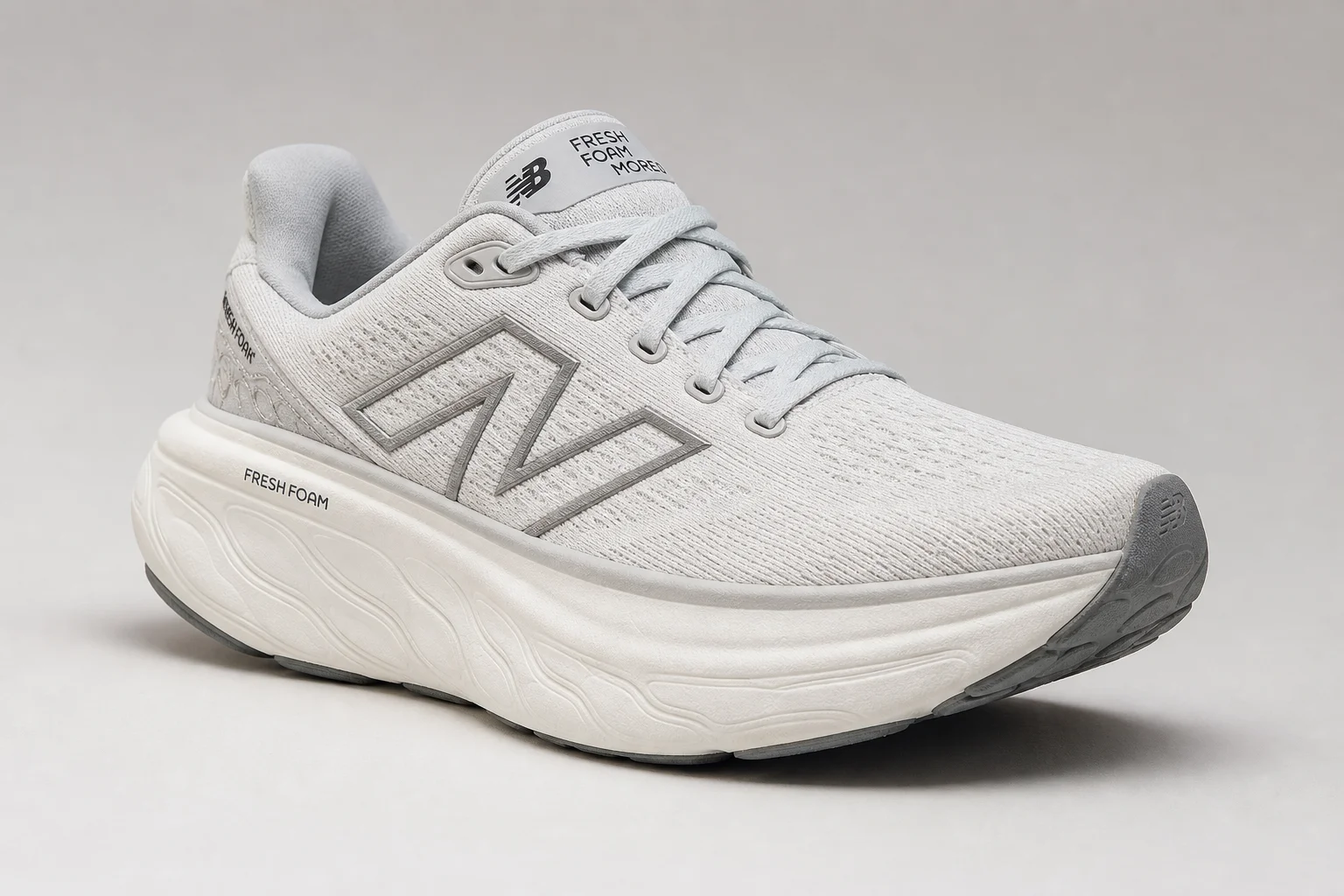
For most buyers, the answer is the v5. The previous generation is still widely available at $125 to $130, and with common discount codes it drops to around $112, a savings of more than $40 over the v6. The v5 also has a better, more aggressive rocker geometry with more roll through the forefoot, and many runners, including devoted longtime fans, found it the more satisfying ride overall.
The v6 makes sense only if you specifically want the slightly roomier toe box and cannot find the v5 in your size. Otherwise, buyers wanting soft comfort should look at the Clifton or the 1080, and buyers wanting a genuine high-mileage max cushion trainer should stretch to the MagMax or hunt for Nimbus deals. There is no run for which the v6 is clearly the optimal shoe.
Buying Advice
If maximum comfort is your only priority and you enjoy a big, plush, quiet shoe, the v6 will not disappoint on that single dimension. But comfort alone is no longer enough in this segment. The foam is aging, the weight is uncompetitive, and the price sits awkwardly below the 1080 while offering less. Buy the v5 on sale, spend up for a bouncier super max stack trainer, or choose a lighter comfort shoe like the Clifton. Almost any of those paths serves you better.
Conclusion
The Fresh Foam More v6 is not a bad shoe. It is comfortable, smooth, and well suited to slow recovery miles and casual wear. But it is a very minor update to a shoe that already felt dated, and in a market flooded with lighter, bouncier, more purposeful alternatives, it struggles to justify its own existence. Unless you find it heavily discounted or simply love the fit, the previous generation or one of its many rivals is the smarter purchase.
Further reading
Related Reviews

Running Shoes
Best Road-to-Trail Running Shoes: Three Versatile Options for Mixed Terrain
A practical guide to three road-to-trail running shoes that handle both pavement and mild trails, with clear strengths and trade-offs for different runner types.

Running Shoes
Best Running Shoes for Achilles Tendonitis: Three Options Explained
Three running shoes with different heel drops and support features designed to help reduce Achilles tendon pain during walking and running.

Running Shoes
Best Running Shoes for Women: Five Top Choices Ranked
A ranked guide to five women's running shoes, from versatile daily trainers to high-performance racing options, with real strengths and trade-offs for each.