Running Shoes
New Balance Fresh Foam More v4 Review: A Guided Maximal Trainer That Got Almost Everything Right
After 61 miles, the Fresh Foam More v4 stands out as one of the strongest max-cushion daily trainers of the year, with a smoother ride and a major weight drop over its predecessor.
Introduction
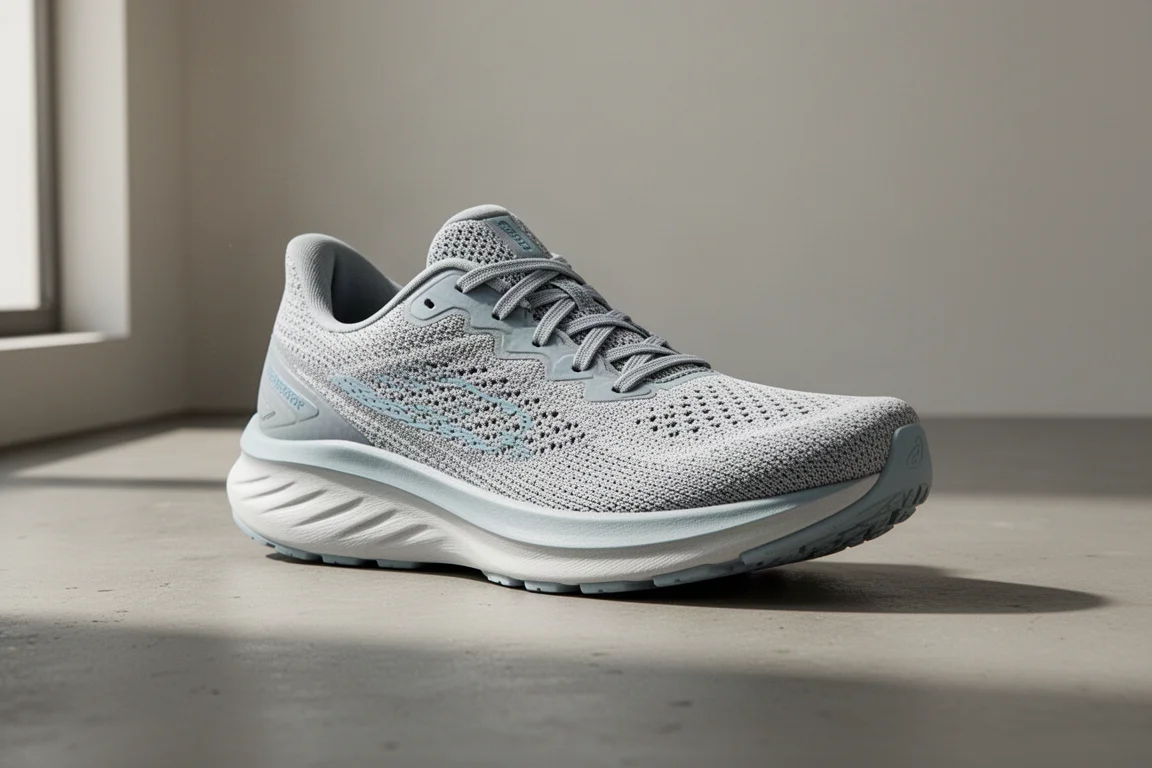
Some updates feel incremental. The New Balance Fresh Foam More v4 is not one of them. This is a dramatically different shoe from the version that came before it, and after putting 61 miles on a single pair, it has earned a place among the top training shoes of the year so far. The reviewer enjoyed the shoe so much that an initial impressions write-up never even happened. That says a lot about how the shoe performs in everyday rotation.
The core appeal is simple: a maximal-cushion ride that is guided and stable without being a stability shoe, softer without being mushy, and significantly lighter than the model it replaces. It is not trying to be a racing shoe, and it does not pretend to be one. What it does well, it does very well.
Weight and Stack: A Serious Overhaul
The most obvious change is on the scale. The previous version weighed well over 11 ounces, and this one comes in at 10.4 ounces for men and 8.4 ounces for women. That is a substantial drop, and on the foot it feels much lighter than the numbers suggest. For a shoe with this much foam underfoot, that weight reduction changes the entire character of the ride.
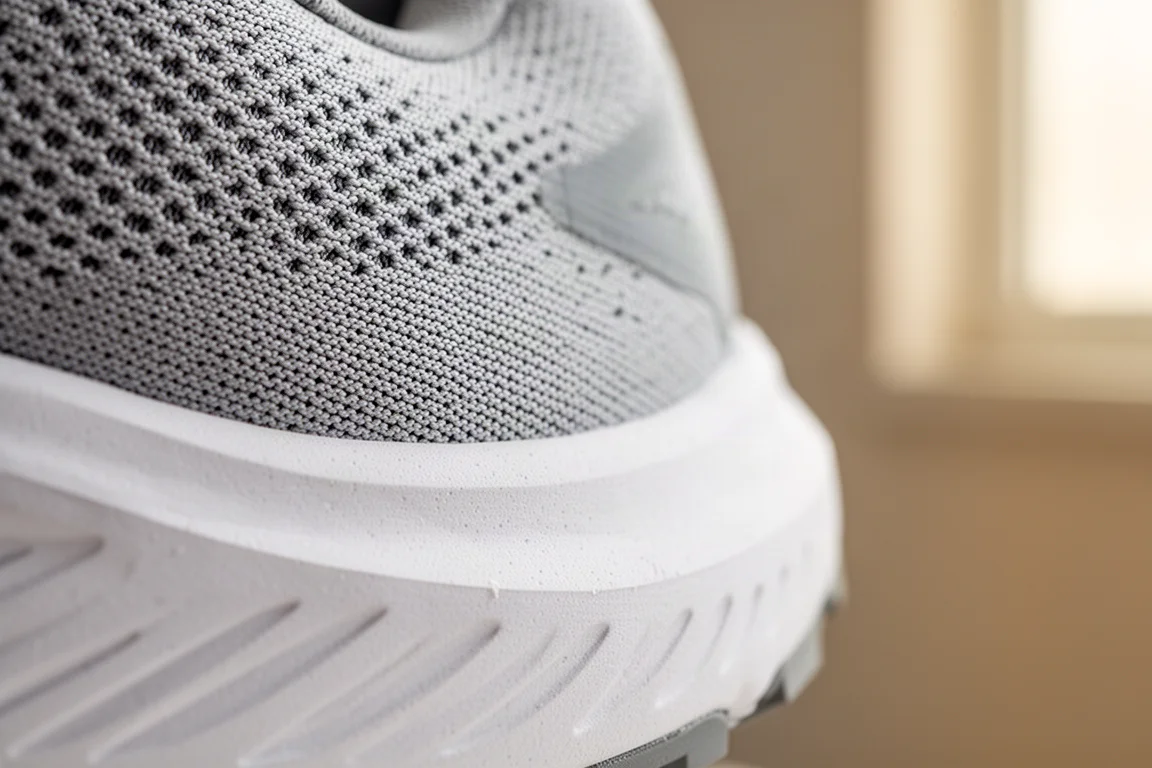
Stack height remains very high, likely sitting close to 40mm, and it can look even higher because the sidewalls are so pronounced. That visual bulk is misleading, though, because the weight savings make the shoe feel far more manageable than its silhouette implies.
Ride Quality: Soft Without Being Mushy
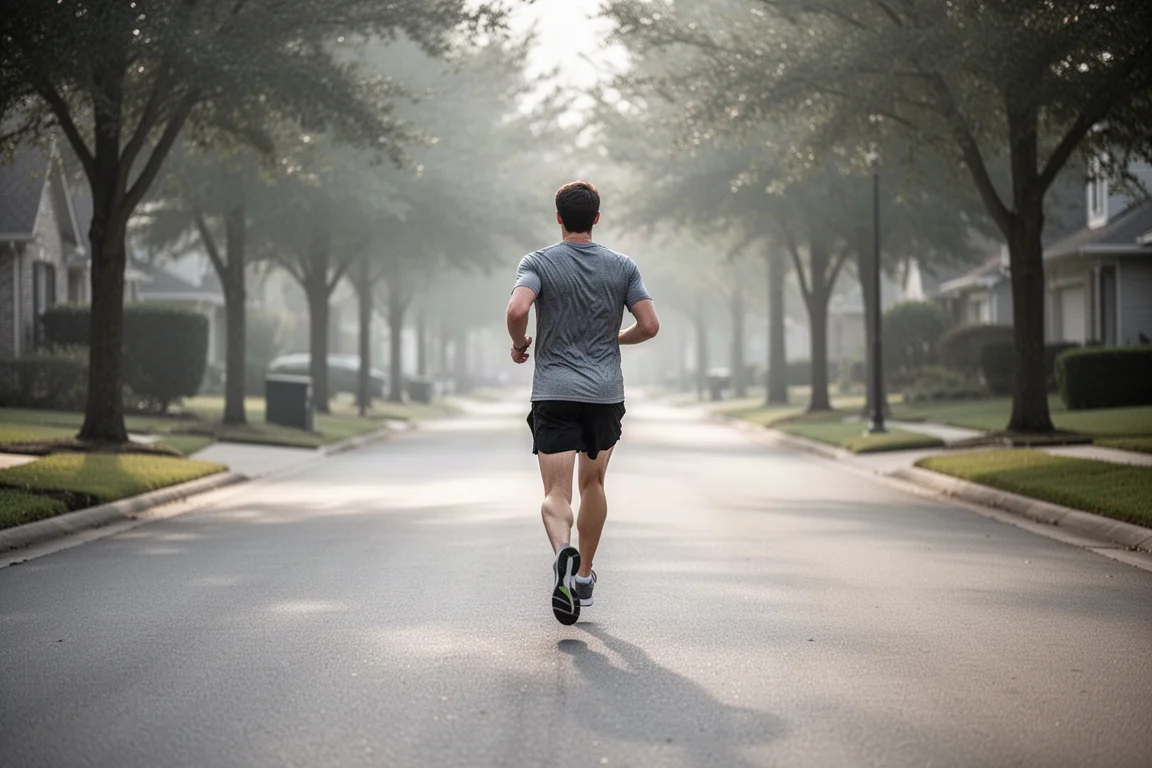
The foam is completely different this time around. Previous versions had plenty of foam but felt stiff and overly rockered, with a ride that sometimes felt like landing on something too firm. The v4’s Fresh Foam midsole, believed to still be EVA-based, is the best version of that foam recipe yet. It has a nice give on landing and a bounce back that is not aggressive, just smooth and resilient.
There is real flexibility here too, particularly in the forefoot where a solid rocker and some toe spring help transition you forward. The heel bevel is well placed and slightly laterally biased, which matches where most runners actually land. The result is a very smooth, very guided ride that works beautifully for daily miles and long runs.
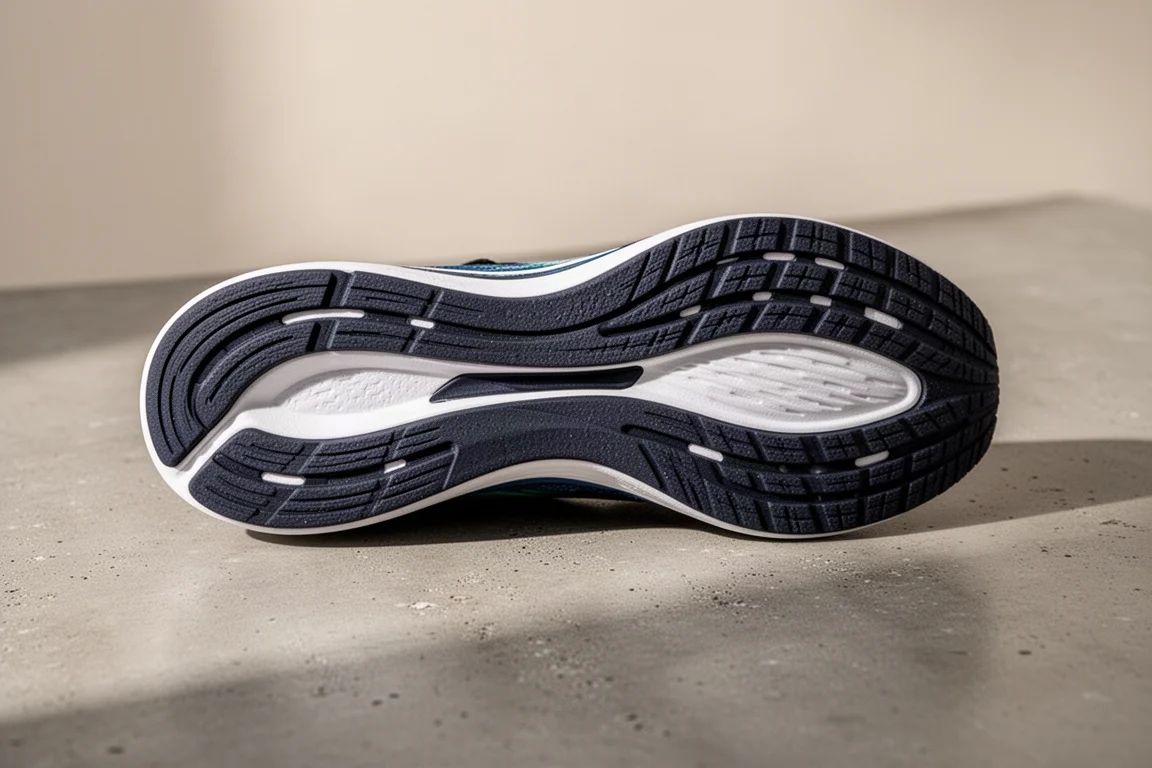
The sidewalls deserve special mention. They do a much better job than the previous version of cradling the foot, creating a naturally guided ride forward without acting like a stability shoe. Runners who need some guidance but do not want a hard, firm post will do extremely well here.
It is worth being clear about what this shoe is not. It is not a fast shoe, and it is not a super-stiff maximalist shoe. Some flexibility in the midsole is what makes the transition and toe-off so smooth. Surprisingly, it held up fine during fartlek sessions, but that is a bonus, not the mission. This is a daily trainer and a long run shoe first.
Fit and Upper: Wide, Low Volume, Needs a Break-In
The upper is much softer than the boxier version on the previous model, and the fit is generously wide in classic New Balance fashion. The catch is that the volume sits low, so it takes a little time to stretch. Early on, this caused a small blister on the fourth toe of one foot, and once broken in, the problem disappeared entirely.
Lace security is good once you cinch the midfoot down. With the laces tightened properly, there was no slippage and no issues. The flexible heel counter never caused discomfort, partly because you sit into the midsole rather than on top of a rigid cage.
One important distinction for buyers: wide feet are well served here, but high-volume feet are not, because of how low the upper sits. Those are two different fit characteristics, and knowing which one applies to you matters before purchasing.
Durability: Still Going Strong at 61 Miles
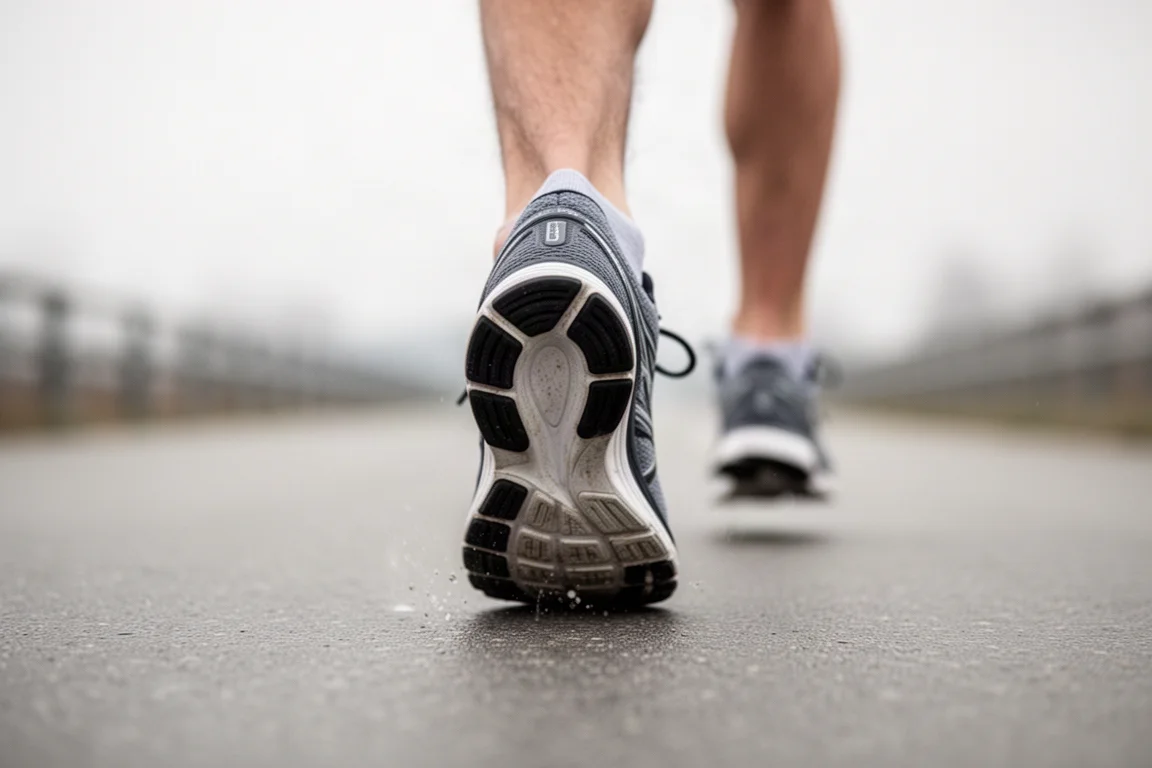
After 61 miles, the outsole is still intact, which points to durability being genuinely good. For a daily trainer meant to soak up big mileage, that matters as much as ride quality. The midsole has not degraded into feeling flat or lifeless either, which is encouraging given the foam’s softer character.
The main caution from long use is the sidewalls themselves. On one particularly long run, a small blister developed on the medial side where the intense sidewall structure meets the foot. That is as much a matter of skin adaptation as shoe design, and the solution is simply building up mileage gradually in the shoe.
Buying Advice
The Fresh Foam More v4 is a great match if you want a guided, maximal ride that lands in a Goldilocks zone: not too soft, not too hard. Runners who need some stability but dislike firm posts will find a lot to like, as will anyone with wider feet looking for a high-mileage road trainer. It is best kept to training miles and long runs rather than speedwork.
If you expect a maximal shoe that is super stiff and rock-hard, look elsewhere. If you have a high-volume foot, the low-sitting upper may be a dealbreaker. Everyone else looking for a comfortable, durable, genuinely guided max-cushion trainer should give this one serious consideration.
Conclusion
The Fresh Foam More v4 might be one of the best updates of the year. The weight drop, the improved foam, the cradling sidewalls, and the durable outsole all come together into a shoe that handles daily training and long runs with equal confidence. It is not the fastest shoe on the road, and it is not trying to be. It is a genuinely fun shoe to put miles on, and it sets a high bar for what a neutral maximal trainer can be.
Product link
View more details for New Balance Fresh Foam More v4
This product is mentioned in the review. Check the specifications, options, and compatibility before buying.
View more details for New Balance Fresh Foam More v4Further reading
Related Reviews

Running Shoes
Best Road-to-Trail Running Shoes: Three Versatile Options for Mixed Terrain
A practical guide to three road-to-trail running shoes that handle both pavement and mild trails, with clear strengths and trade-offs for different runner types.

Running Shoes
Best Running Shoes for Achilles Tendonitis: Three Options Explained
Three running shoes with different heel drops and support features designed to help reduce Achilles tendon pain during walking and running.

Running Shoes
Best Running Shoes for Women: Five Top Choices Ranked
A ranked guide to five women's running shoes, from versatile daily trainers to high-performance racing options, with real strengths and trade-offs for each.