Running Shoes
New Balance Fresh Foam BOS V1 vs More v5: Which Soft Everyday Shoe Fits Your Running
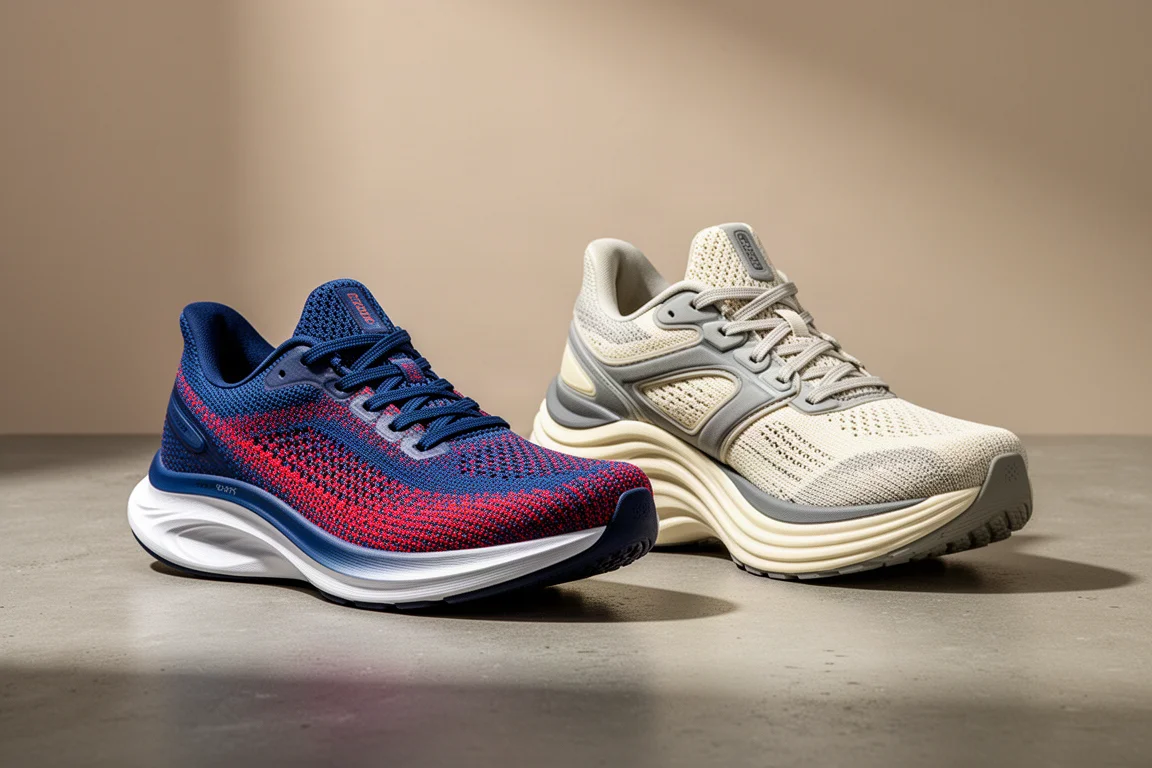
Two cushioned New Balance trainers with very different characters: the lightweight race-foam BOS V1 and the heavily cushioned, stability-focused More v5.
Introduction
New Balance is in an interesting place right now. Its Fresh Foam lineup keeps growing, and two of its softest, most comfortable everyday trainers now sit side by side doing very similar jobs: keeping your legs fresh through high mileage and making everyday runs feel easy. The Fresh Foam BOS V1 is the new arrival, a $200 model launched to celebrate ten years of Fresh Foam, with race foam mixed into the midsole. The More v5, at $155, was already a favorite from the brand’s year, a big, cushioned, rockered cruiser built for comfort and support.
They share a lot of DNA. Soft, bouncy, rockered, comfortable, stable. But they get there in noticeably different ways, and those differences matter depending on what you want from a daily shoe.
New Balance Fresh Foam BOS V1: Race Foam in a Comfort Shoe
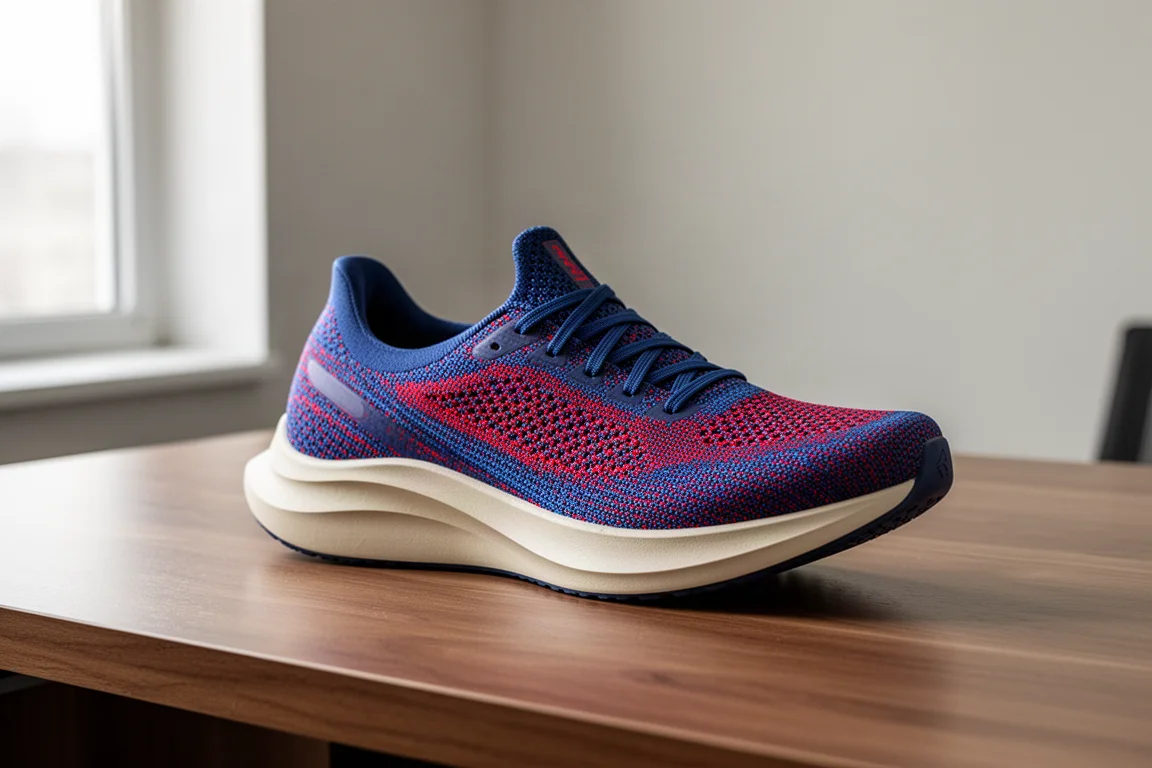
The BOS V1 is the first generation of a brand-new model in the Fresh Foam line, created to mark a decade of Fresh Foam. What makes it special is the race foam blended into the midsole. That is the key midsole difference versus the More v5, and it gives the BOS a little more balance and snap. When your foot lands, it feels like less time is spent on the ground, and combined with the curved rocker, you roll along a bit quicker than the stack numbers suggest.

It is also impressively light for how much foam is underfoot. The upper has minimal padding, a nice thin tongue, and a performance-feeling material that is more breathable than the More v5’s standard training upper. Inside, a sock-like strap wraps down to lock the foot in place, and the fit feels solid with a bit of room up front. The heel stack sits around 40 mm, slightly less than the More v5, and thanks to the race foam the shoe avoids the bulk you might expect.
On the run, the BOS feels like floating on top of the ground. There is nothing harsh or aggressive about it, yet it stays genuinely versatile. It has handled everything from relaxed recovery pace in the eights down to 6:40s and 6:20s at faster efforts, and when you pick up the pace the race foam comes alive. It is not a dedicated speed shoe, but you could throw marathon-pace work at it if you want a very comfortable ride.
New Balance More v5: Max Cushion With a Cradle of Stability
The More v5 is a different animal. It is noticeably heavier on foot, with a denser-feeling foam, a taller stack measured around 44 mm at the heel, and a much wider platform. The foam wraps up the sidewalls, creating a cradle that locks your foot in place, and that makes this the more stable of the two by a clear margin. The BOS, with its softer, unwrapped heel, can feel a little squishy and squirrely by comparison. The More v5 is one of the most stable and one of the most comfortable max-cushion shoes around.
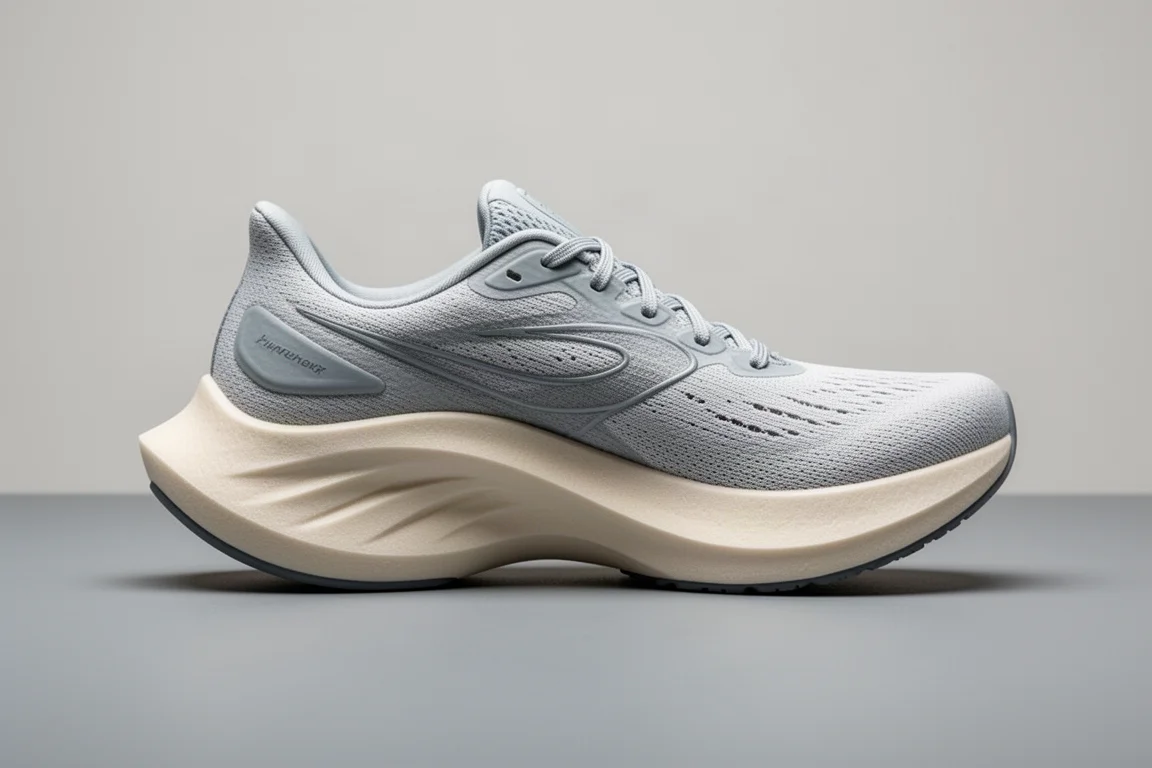
Its rocker is also far more aggressive than most max-cushion competitors, sloping sharply up front. That makes it surprisingly easy to hit quicker paces, with 6:20 pace run over two miles in testing, but the overall character is still a big protective cruiser. The trade-off is weight and bulk: you can feel the stack, you can feel the cradle, and you can feel the rocker tipping you along. It is a shoe that helps you a lot, rather than one that disappears underfoot.
Fit and Upper Comparison
Fit is one of the most important practical differences. The BOS fits a little wider and more forgiving in the toe box. The More v5 runs narrower, and several wearers have reported it fitting slightly short, with some tightness and even blisters reported around the toes. If you are between sizes or sensitive in the forefoot, consider going up half a size or choosing the wide version, though many runners do fine true to size. Breathability is decent on both: the BOS is the slightly better ventilated of the pair, while the More v5 is serviceable but not standout in warm weather.
Outsoles and Durability
On paper the outsoles look similar, but there is a catch on the BOS. On the More v5, everything black is proper rubber, decently thick, with durability expectations of around 300 miles based on how similar New Balance outsoles have worn in testing. The foam compresses a bit more than the BOS, but protection and ride feel hold up okay.
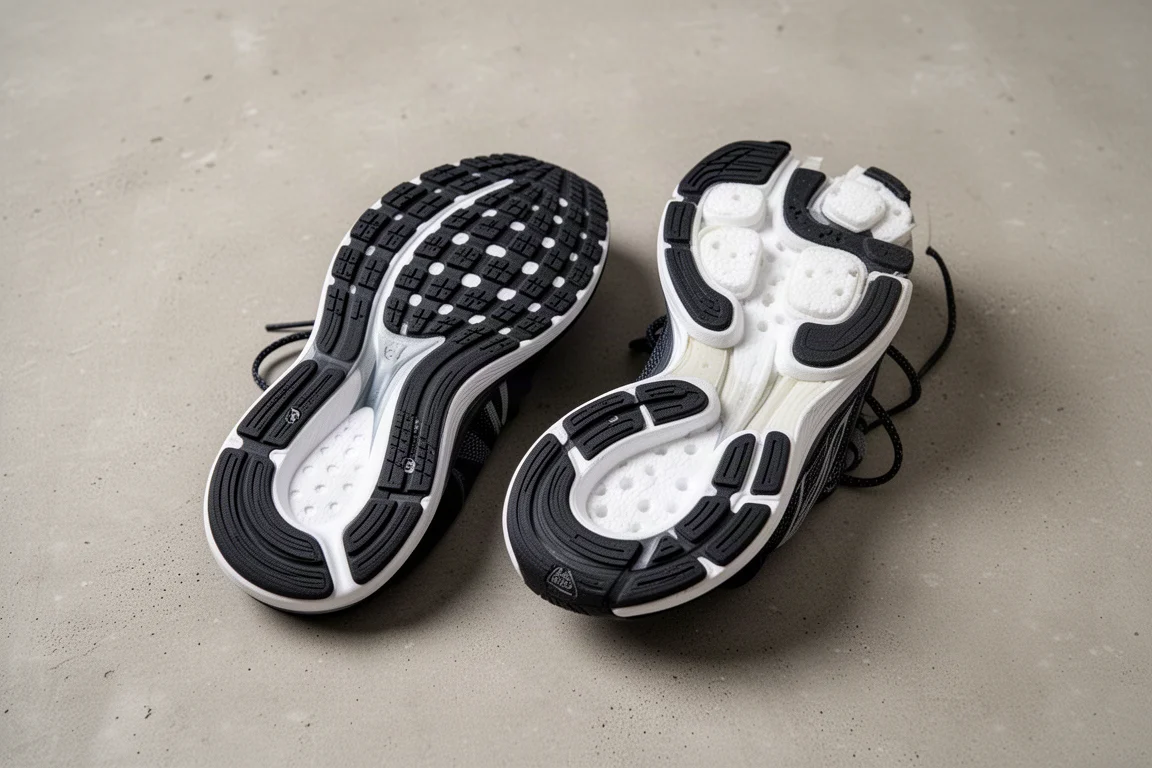
The BOS, however, uses ground contact EVA on much of its outsole. Everything orange is not rubber but firm training foam exposed on the bottom, which saves weight and adds a touch of underfoot firmness and forefoot stability, but raises durability questions at a $200 price. Around 50 miles in, the exposed foam was already showing visible wear. Wet-weather grip is not a concern on either shoe, as New Balance traction this year has been reliably strong.
Which One Should You Buy
Think of the BOS V1 as the best version of a comfortable everyday shoe with a simple, streamlined character: lightweight, easy to turn over, connected to the ground, with race foam that rewards faster paces. It is the pick if you want a fun, versatile everyday shoe that is not the most protective and not the highest stack, and if you love the look of a clean, well-executed design.
The More v5 is the max cushion cruiser. It is the pick for maximum protection, recovery miles, high-mileage blocks, and standing or walking all day. It dethroned other max cushion shoes as a walking shoe in testing, thanks to the extra heel support and cradle of stability, and it is the safer recommendation for newer runners who want cushion, comfort, and support above all.
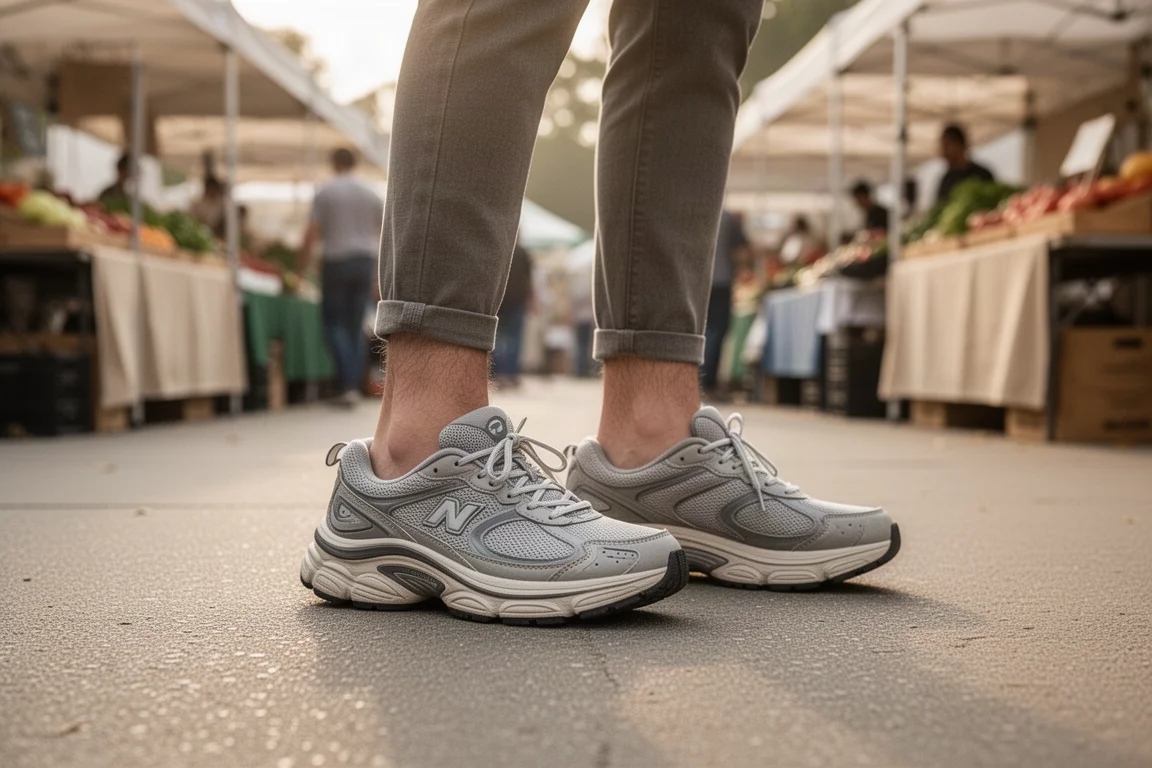
The BOS is a shoe for running shoe enthusiasts who have tried everything else and want something a few percent different. The More v5 is the one most people will be happy with.
Conclusion
Both shoes do the same fundamental job very well: soft, comfortable miles that keep your legs feeling fresh. The BOS V1 wins on weight, versatility, and a more connected feel, while the More v5 wins on cushioning, stability, and all-day comfort. If you can only choose one, match it to your priorities: lighter and simpler points to the BOS, protection and support point to the More v5.
Further reading
Related Reviews

Running Shoes
Best Road-to-Trail Running Shoes: Three Versatile Options for Mixed Terrain
A practical guide to three road-to-trail running shoes that handle both pavement and mild trails, with clear strengths and trade-offs for different runner types.

Running Shoes
Best Running Shoes for Achilles Tendonitis: Three Options Explained
Three running shoes with different heel drops and support features designed to help reduce Achilles tendon pain during walking and running.

Running Shoes
Best Running Shoes for Women: Five Top Choices Ranked
A ranked guide to five women's running shoes, from versatile daily trainers to high-performance racing options, with real strengths and trade-offs for each.