Running Shoes
New Balance Fresh Foam Balos First Run Review: Soft, Bouncy, and Non-Plated
A hands-on first-run look at New Balance's non-plated PEBA daily trainer, including weight, stack specs, wet grip, and how it compares to rivals.
Introduction
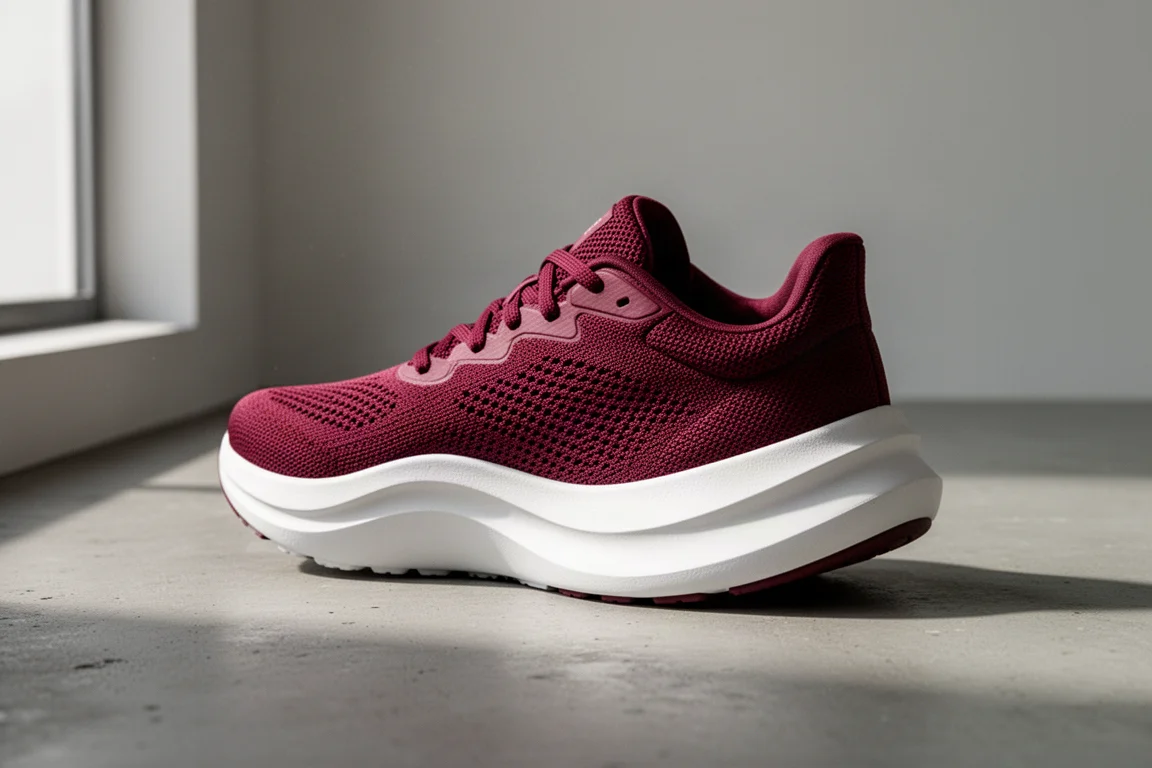
Some shoes arrive with a clear mission. The New Balance Fresh Foam Balos is the brand’s first Fresh Foam shoe to use PEBA, the foam family behind its racing compounds, but without a plate. The idea is simple: take race foam content, leave it un-plated and very soft, and wrap it in the comfort elements Fresh Foam is known for. That positioning puts it directly against a small but crowded field of non-plated trainers built on race foam, and the Balos is New Balance’s first swing at that category.
What Is the Fresh Foam Balos?
The Balos sits in an interesting spot in the New Balance lineup. FuelCell is the name of the brand’s racing foam in its fast shoes, while Fresh Foam is the soft comfort line. The Balos blends the two: it uses PEBA content, but New Balance does not market it as a race foam shoe. On paper it carries a 40 mm stack height at the tallest point with a 6 mm drop, which keeps things a little lower to the ground than many max-stack rivals.
The closest comparisons are shoes like the Saucony Triumph 22, ASICS Superblast, and Nike Invincible 3, all of which use race foam in an everyday trainer with mixed results. Some of those shoes feel great, others feel detuned or uncontrolled. That history is exactly why the Balos was worth watching closely: non-plated race foam can either be magic or a mess.
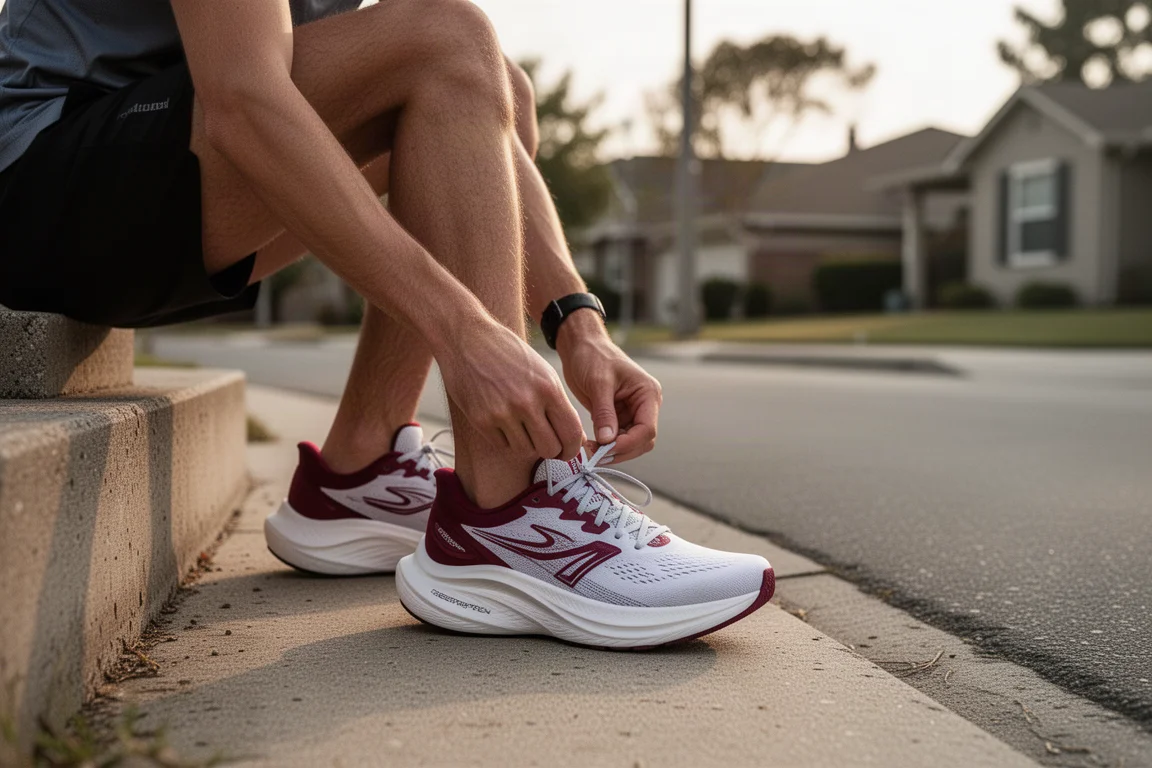
Fit, Feel, and Weight
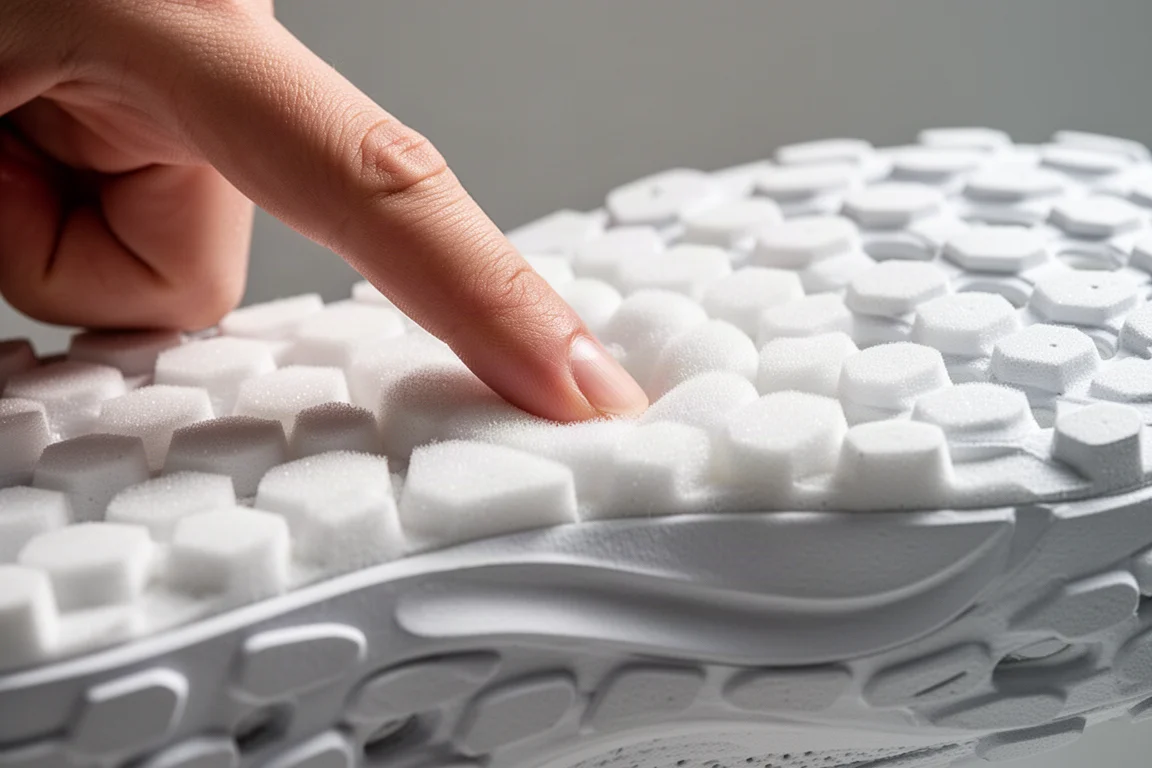
Out of the box, the foam is genuinely one of the softest on the market. A simple push test sinks a fingertip nearly half an inch into the midsole. The shoe uses the same padded comfort upper found on other up-market Fresh Foam shoes like the 1080, with generous padding around the Achilles collar and a thin tongue. The geometry is also notably rockered, more aggressive than the Superblast, Triumph, or Invincible, promising a tip-along roll with each step.
Underneath, the Balos uses a dual-layer approach: a ground contact EVA layer on the bottom with rubber only in the highest-wear zones, similar to the Superblast. That EVA layer should firm up forefoot landings slightly and add a touch of stability to an otherwise very soft platform.
On the scale, the Balos came in at 271 g in a US 10.5, with both shoes weighing 270 g and 271 g, an impressively consistent factory pair. That is only slightly lighter than a 1080 in a comparable size and roughly in the same weight class as other max-stack daily trainers, though heavier than a Superblast, which scales into the 250s at smaller sizes.
First Run: 10 Miles in the Rain
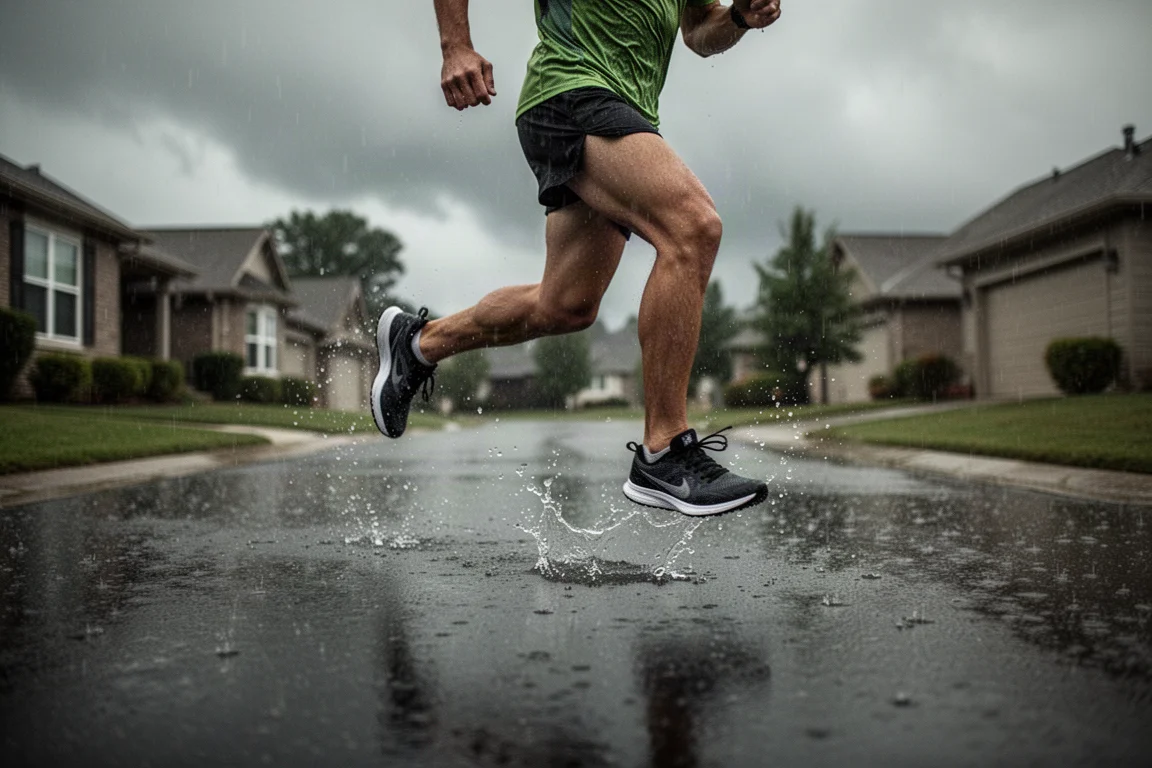
The first run was a proper test: 10 miles through torrential summer rain, finishing at a 7:35 average pace. The verdict was strongly positive. The ride felt soft, bouncy, and peppy, and the shoe did not bottom out over the full 76 minutes. On relaxed effort it delivered noticeable bounce and speed assistance without demanding hard running to activate the foam.
The most natural comparison is the Invincible 3, but the Balos feels like a more refined version of that idea: more rocker, a foam blend that feels a touch more inherently stable than ZoomX, and a better upper. The shoe also resembles a built-up Rebel V4, combining that shoe’s forgiving wide fit and rocker geometry with substantially more cushion. For everyday miles at 7:00 to 7:30 pace, it felt most at home.
Durability, Grip, and Open Questions
Grip held up remarkably well, even on soaked roads and wet uphill climbs, with rubber coverage in the forefoot pods and heel strike zone. That matters because the exposed ground contact EVA layer between those rubber sections is the main durability question mark, and it will likely show wear first.
The clearest weakness so far is the upper, which runs warm on hot days. Longer-term questions also remain: how the shoe handles genuinely relaxed recovery miles, whether it can go the distance on multi-hour long runs, and how the midsole and outsole wear past 100 miles. As a first version, it is a strong start, and anyone who liked the Rebel V4 but wanted a more robust, cushioned version should pay close attention.
Buying Advice
The Balos makes the most sense as an everyday trainer for runners who want maximum softness and bounce without a plate, particularly for daily miles at a steady to moderately quick pace. Runners seeking a firm, stable ride or a dedicated slow-recovery shoe have better options in New Balance’s own lineup, but for fun, cushioned daily running, this is one of the most exciting non-plated options to date.
Conclusion
The Fresh Foam Balos delivers what its design promised: a very soft, bouncy PEBA-infused ride with an aggressive rocker, protective midsole, and solid wet grip. It is not perfect, with a warm upper and unproven long-term durability, but as a first entry it stands tall in a competitive category and gives New Balance a genuine contender among non-plated race foam trainers.
Product link
View more details for New Balance Fresh Foam Balos
This product is mentioned in the review. Check the specifications, options, and compatibility before buying.
View more details for New Balance Fresh Foam BalosFurther reading
Related Reviews

Running Shoes
Best Road-to-Trail Running Shoes: Three Versatile Options for Mixed Terrain
A practical guide to three road-to-trail running shoes that handle both pavement and mild trails, with clear strengths and trade-offs for different runner types.

Running Shoes
Best Running Shoes for Achilles Tendonitis: Three Options Explained
Three running shoes with different heel drops and support features designed to help reduce Achilles tendon pain during walking and running.

Running Shoes
Best Running Shoes for Women: Five Top Choices Ranked
A ranked guide to five women's running shoes, from versatile daily trainers to high-performance racing options, with real strengths and trade-offs for each.