Running Shoes
New Balance Fresh Foam 1080 v14 vs v15: Two Very Different Premium Neutral Trainers
The Fresh Foam 1080 v14 and v15 could barely be more different. Here is how weight, stack, geometry, foam, and fit compare so you can pick the right one.
Introduction
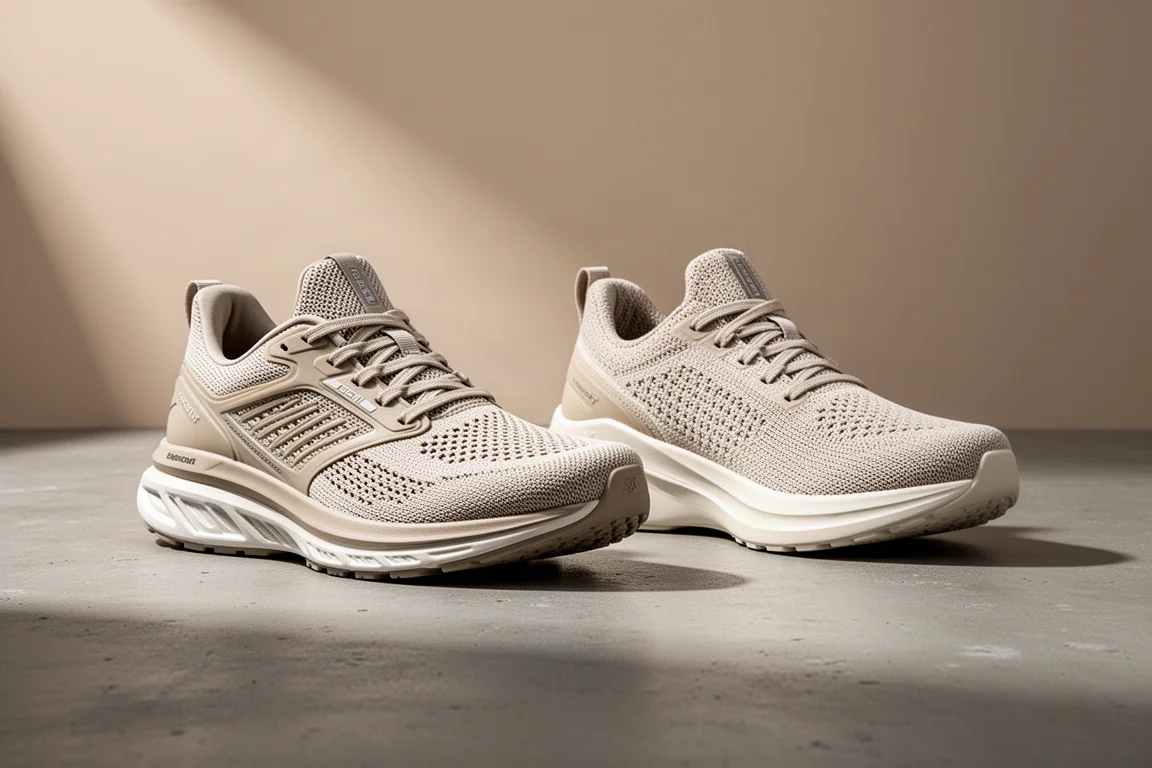
New Balance’s Fresh Foam 1080 has been one of the most popular premium neutral training shoes for years, but the jump from version 14 to version 15 is not a normal update. Version 15 changes the foam, the fit, and the ride underfoot. It is a great shoe, but for anyone currently in the v14, it will feel like a completely different product.
That makes the usual “should I upgrade” question genuinely hard to answer here, because the two shoes serve noticeably different purposes. Version 14 leans toward a soft, compliant run-and-walk shoe with a smooth rolling ride. Version 15 is lighter, bouncier, and much more running-focused. This comparison breaks down the differences so you can figure out which one actually matches your feet and your running.
Specs: Weight, Stack, and Drop
Measured in a men’s size 10, the Fresh Foam 1080 v14 comes in at 306 g (10.8 oz). That was already a big weight gain over the very light v13. The v15 drops that considerably: 264 g (9.3 oz) in the same size. An ounce and a half of weight loss is a lot in this category, and it is really noticeable on foot.

Stack heights differ as well. The v14 sits at 38 mm in the heel and 32 mm in the forefoot despite its tall sidewalls. The v15 stacks about 40 mm in the heel and 34 mm in the forefoot, with some technicalities around the measurement. Both carry a 6 mm drop on paper, but that number does not describe how either shoe actually feels.
Geometry and Ride Feel
The geometry is where these two really split. With this much foam, a shoe needs a pronounced rocker profile, because thick foams do not flex much and a large heel bevel plus forefoot rocker is what keeps the foot rolling forward.
The v14 does this well. It rolls smoothly through the gait cycle, which is exactly why it works so well as a walking shoe. You can run in it, and many people do, but the foam is not especially responsive. It suits slower, relaxed paces best, and it feels great after long hours of standing or walking.
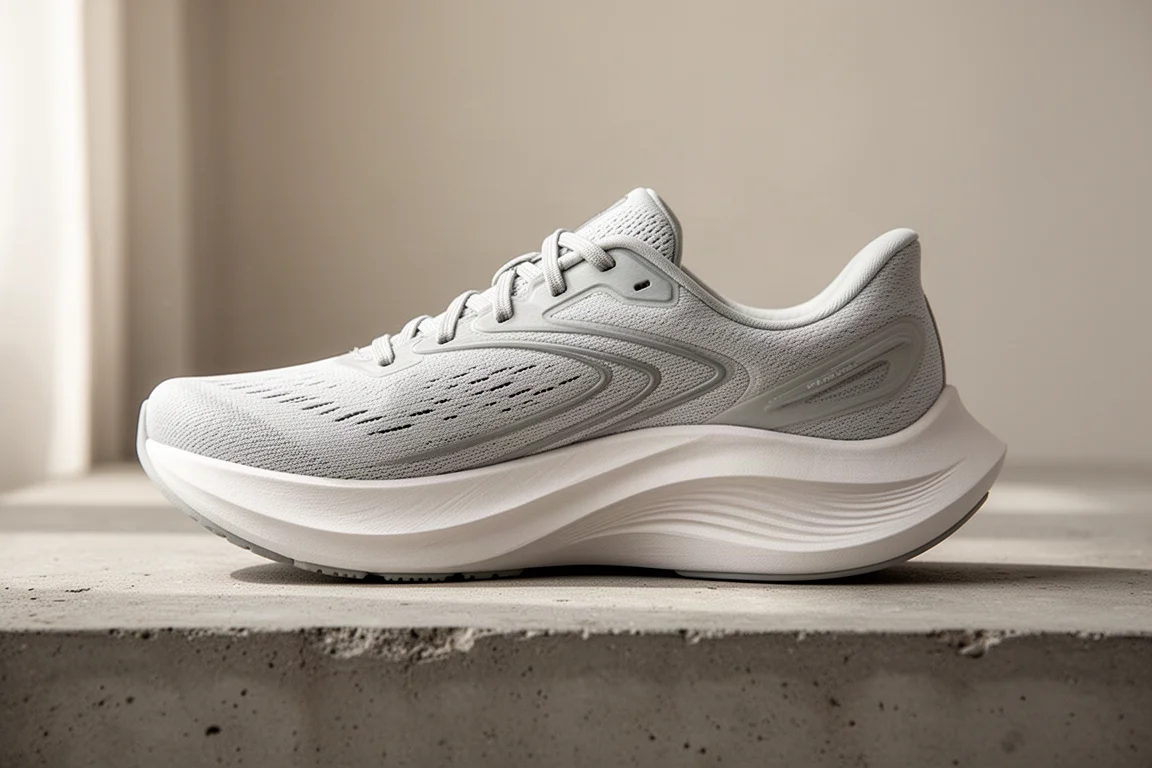
The v15 flattens the rockers out. The heel bevel is more centered and less aggressive, and the forefoot is not nearly as rocker-shaped. Instead, the smooth ride comes from flexibility and bounce in the foam itself. Even with more stack height, the v15 flexes more, which is unusual and interesting, because it means the shoe rolls through a genuinely flexible forefoot rather than an artificial rocker.
The foams explain the rest. The Fresh Foam in the v14 compresses a lot and does not give much rebound. It is soft and relaxed underfoot, and it holds its shape well over long miles, but it is not snappy. The v15’s new Infiniton foam, which New Balance does not fully explain, feels like a denser, TPU-style foam with some resemblance to older FuelCell formulations. It bounces, it snaps, and combined with the lower weight and flatter geometry it makes the v15 feel much more responsive.
Fit and Upper
The uppers are also very different. The v14 is low volume but fairly wide: not an ultra or wide-fit shoe, but with a good amount of room, and wider 2E and 4E options exist. The volume sits lower on the toes, which delivers genuinely excellent security. The thicker, more structured upper felt heavy at first, but the lockdown is great for walking and keeping the shoe planted on your foot.
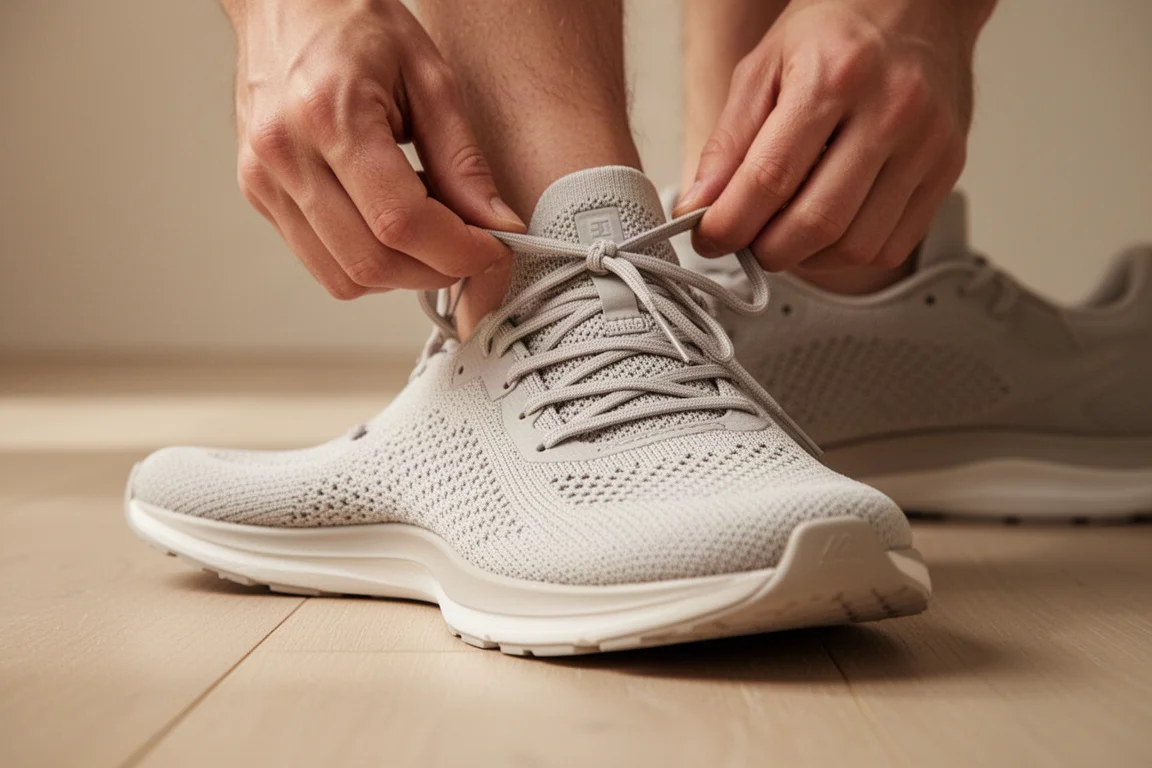
The v15 goes the opposite way. It is not narrow, but it snugs up widthwise while offering far more vertical volume. There is a lot of height in the upper, and it is much more of a knit than a mesh now, with fewer overlays. People with higher-volume feet will love this. Runners with lower-volume feet may struggle: lacing down tight enough for security is a real challenge, and picking up the pace or turning can leave you sliding around inside the shoe. That stripped-down upper is also part of why the v15 is so much lighter.
Both shoes have thicker heel counters. The v15 has slightly more flexibility back there, but if you have sensitive heels, neither is a great choice. The v14 is marginally better thanks to a touch more padding, and both provide a secure heel hold, the v14 a little better than the v15.
Durability and Stability
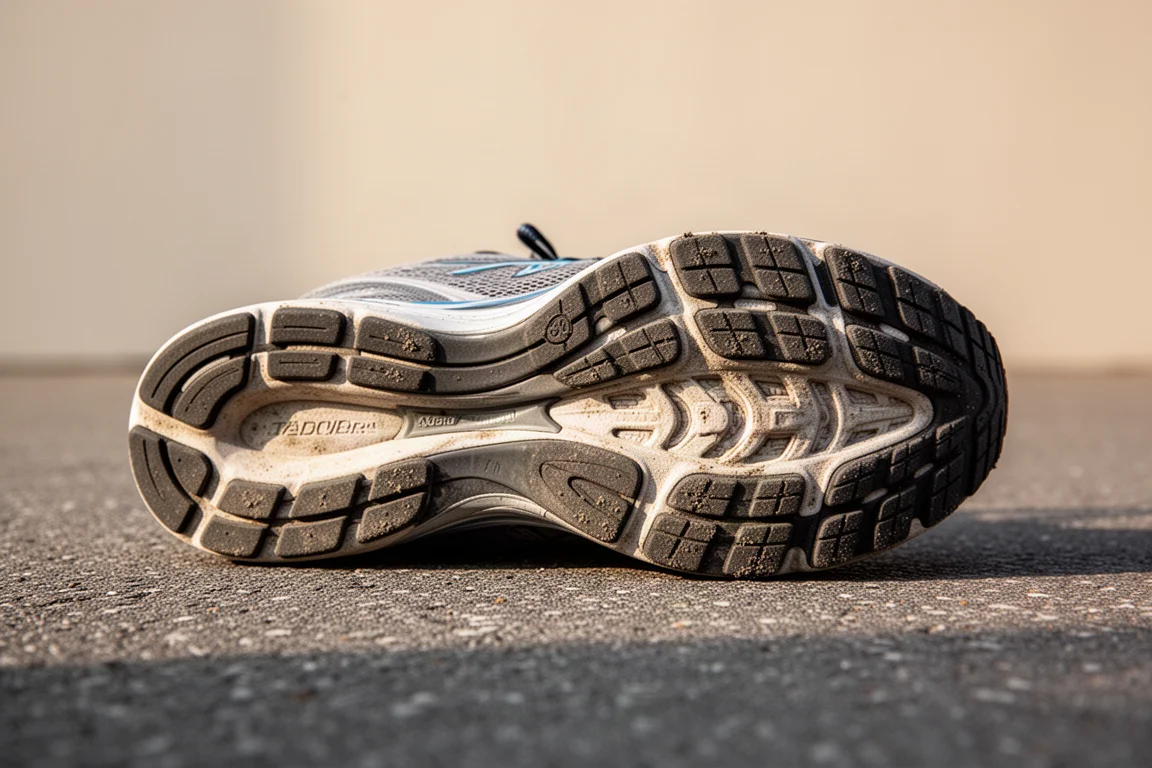
Durability is holding up well on both shoes. Despite plenty of exposed midsole, neither is fragile, though neither will last forever either. The midsoles in particular have held up really well over lots of miles in both versions.
Neither shoe is a stability shoe, but both offer some mild guiding elements. Both have wider, straighter last shapes rather than curved ones, so your foot is not collapsing into a narrow midfoot. The v14 has better midsole sidewalls and feels a touch more guided, which suits neutral runners who just want a hint of structure. The v15 does things differently: the lateral heel collapses quite a bit, so it is a poor choice if you have lateral sensitivities, but if you tend to pronate slightly and need a small lateral bias, it can actually nudge you the other way while the filled midfoot holds you off.
Which One Should You Buy
If you want a better run-and-walk shoe that is more compliant, a little softer, and rolls nicely after long hours on your feet, the v14 is the better choice. It especially suits lower-volume feet that still want a bit of width, and runners who prefer a relaxed, smooth ride at slower paces.
If you want a genuine running shoe, the v15 is the pick. It has bouncy cushioning, a light build that makes it one of the lightest premium neutral daily trainers available, more pace versatility, and a higher-volume, more flexible upper. Recreational runners who do not get along with super light racing shoes often do really well in this kind of foam for consistent miles and faster efforts.
Conclusion
The v14 and v15 are almost opposites: one is a smooth-rolling, softer run-and-walk shoe with excellent security, and the other is a lighter, bouncier, more running-focused trainer with a roomier knit upper. Neither is strictly better; the right answer depends entirely on your feet, your volume needs, and whether you prioritize walking comfort or running performance.
Product link
View more details for New Balance Fresh Foam 1080 v14
This product is mentioned in the review. Check the specifications, options, and compatibility before buying.
View more details for New Balance Fresh Foam 1080 v14Further reading
Related Reviews

Running Shoes
Best Road-to-Trail Running Shoes: Three Versatile Options for Mixed Terrain
A practical guide to three road-to-trail running shoes that handle both pavement and mild trails, with clear strengths and trade-offs for different runner types.

Running Shoes
Best Running Shoes for Achilles Tendonitis: Three Options Explained
Three running shoes with different heel drops and support features designed to help reduce Achilles tendon pain during walking and running.

Running Shoes
Best Running Shoes for Women: Five Top Choices Ranked
A ranked guide to five women's running shoes, from versatile daily trainers to high-performance racing options, with real strengths and trade-offs for each.