Running Shoes
New Balance Fresh Foam 1080 v14 Review: 100 Miles of Comfort Testing
We put 100 miles on the New Balance 1080 v14, including a 20-mile long run, to see if this softer, firmer-tuned daily trainer lives up to its legendary predecessor.
Introduction
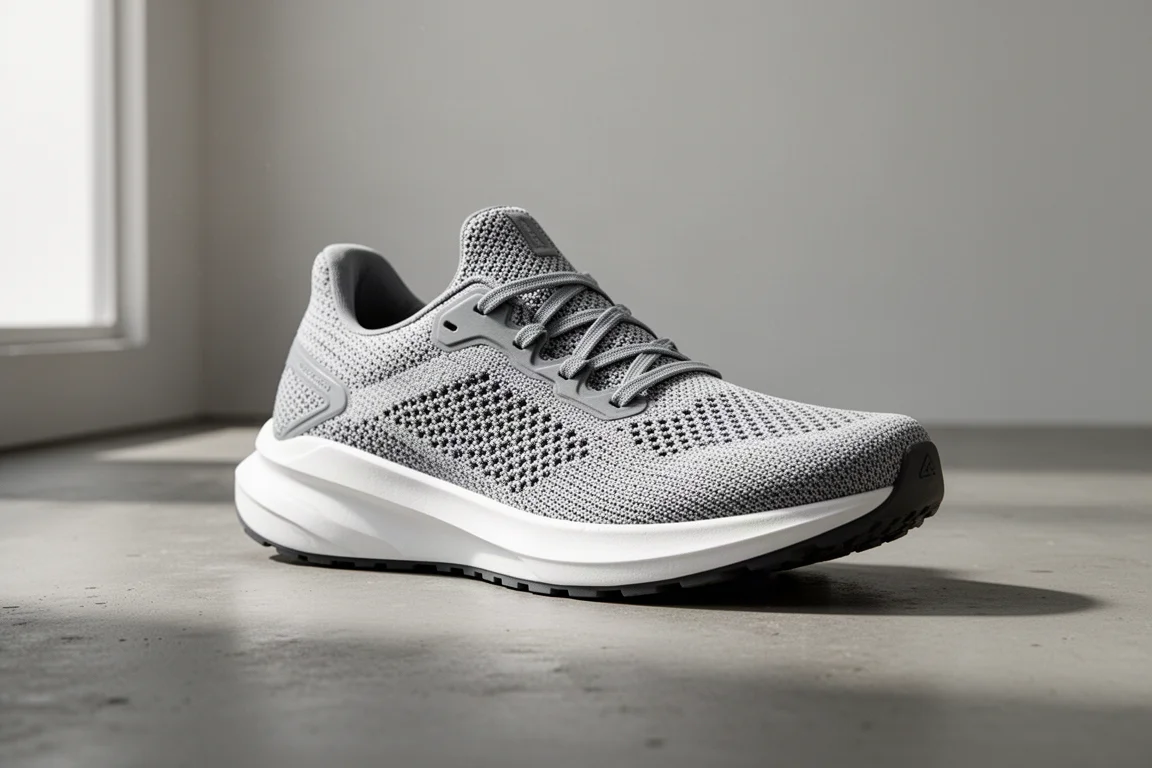
The New Balance Fresh Foam 1080 v13 was one of the most beloved soft daily trainers of its generation: buttery, cushioned, and comfortable enough to anchor an entire base-building block. The v14 arrives with big shoes to fill, and after 100 miles of testing, including a 20-mile long run, the short version is that New Balance has kept the character of the v13 while firming things up just a touch, making the shoe more versatile without losing the comfort that made the line famous.
Who the 1080 v14 Is For
This is a comfort-first everyday running shoe. It is built for relaxed mileage: easy runs, recovery runs, base-building miles, and long, steady sessions where the goal is to finish feeling protected rather than fast. If you want a shoe that disappears on foot while you cruise, this is squarely in that category.
It is not a speed shoe. Runs at around seven-minute-mile pace felt fine, and it handled a short faster stretch without complaint, but the 1080 v14 is not the shoe you lace up to grind out a hard workout. It will not encourage you to run too fast, and it will not hold you back either.
First Runs: What Changed from the v13
The v14 keeps a similar stack height to the v13 but introduces a more aggressive, smoother rocker geometry and what appears to be slightly denser foam. The result is a ride that is firmer than before, though still unmistakably soft. It reminds us of the Brooks Ghost Max in feel: not the softest sinking-in sensation, but a perfect layer of impact absorption between your feet and the ground.
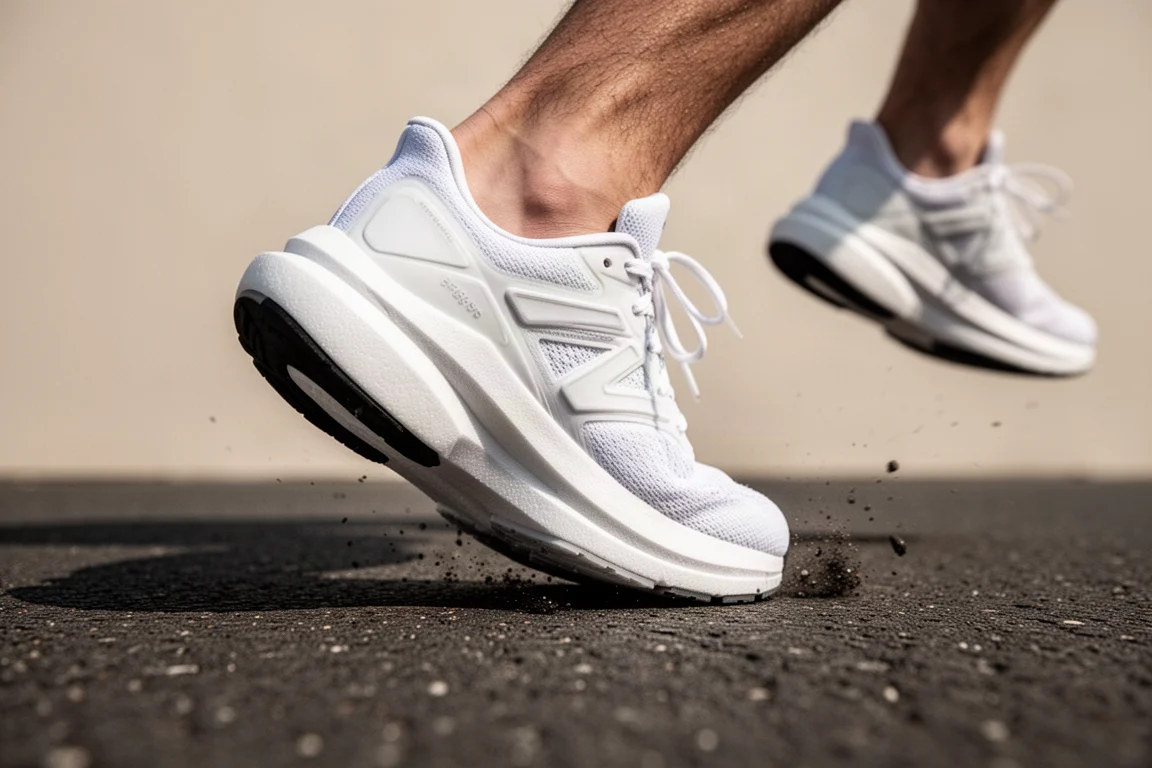
One trade-off is weight. Our tester pair came in at 317 g, roughly 30 g heavier than a comparable v13, and essentially the same weight as the New Balance More v5. The extra weight likely comes from denser foam and added rubber coverage, which should help bigger runners who found the v13 bottomed out under heavier loads.
Fit, Feel, and the Upper
The upper is a touch less padded and more streamlined than the v13, which had an exceptionally plush, soft upper. On foot, the v14 still fits comfortably, with a roomy toe box that should suit runners with wider feet. The foam does not wrap up around the foot as aggressively as the More v5, so blister-prone areas are less of a concern.
In the walk test, it completely takes the pressure off your legs. It is an excellent walking shoe as well, and the cushioning feels effortless without feeling unstable.
The 100-Mile Test
We ran a full 100-mile week in the v14, including a 20-mile long run closing out a 130-mile training week. The long run is where a soft daily trainer usually falls apart, but the v14 held up well. An hour into the run, the shoe felt like it was just getting warmed up: still soft, not too soft, and not dreading the remaining 90 minutes.
The ride is slightly bouncier than the v13 and has a more connected, ground-feel-oriented character than either the More v5 or the New Balance Bose. Of the three, the 1080 has the most ground feel. Compared with the Bose, the 1080 is firmer, heavier, and in our view the better shoe, especially given the price difference.
Durability and Wear After 100 Miles
At 100 miles, wear was mild: a little exposed foam at the rear and some dirt accumulated on the compressed sidewalls, but nothing alarming. The soft foam does compress a lot underfoot, which is inherent to the design, but the outsole rubber coverage is thicker and better distributed than on the v13, which had some exposed areas for purely aesthetic reasons.
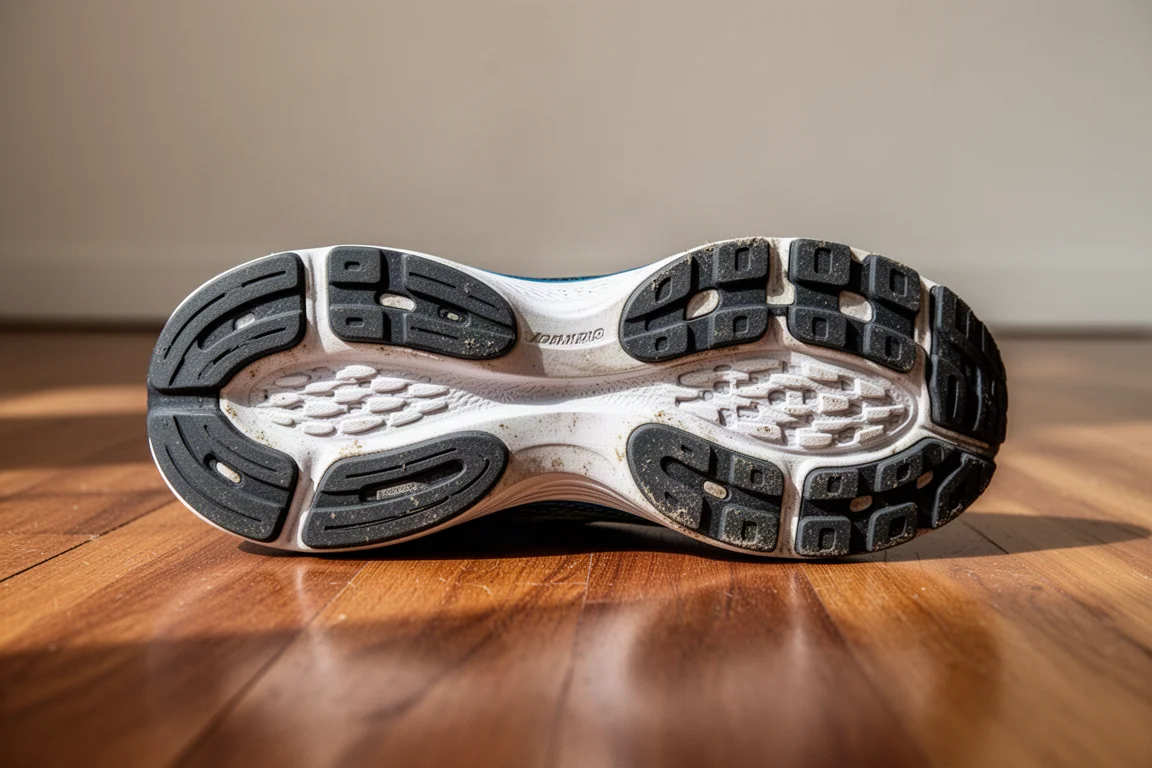
If the softest part of the shoe concerns you, note that a fresh pair compresses noticeably in the forefoot, and runners who dislike very soft shoes may still find this one a touch too pillowy.
How It Compares Within the Fresh Foam Line
New Balance’s 2024 Fresh Foam lineup is strong. The 860 v14 stability shoe earned our earlier recommendation for its balance of bounce and support, and the 1080 v14 shares some of that foam character while leaning further into comfort. The More v5 offers more cushion and bulk but is heavier and less nimble, while the Bose sits above the 1080 at a higher price with a softer, bouncier ride that some may find too soft for the money.
Buying Advice
At its price point, the 1080 v14 competes with premium cushioned trainers that carry more tech, but its simplicity is its strength: one Fresh Foam midsole, no plate, no gimmicks, just a protective, comfortable workhorse. If you want soft, cushioned everyday miles and do not need stability or speed-focused features, this is one of the easiest recommendations of the year.
Conclusion
After 100 miles, the 1080 v14 earns its place as a top-tier soft daily trainer. It refines rather than reinvents, firming up the ride just enough to broaden its appeal while keeping the comfort that made the 1080 line a favorite. If your running revolves around comfortable mileage, this shoe will get the job done and then some.
Product link
View more details for New Balance Fresh Foam 1080 v14
This product is mentioned in the review. Check the specifications, options, and compatibility before buying.
View more details for New Balance Fresh Foam 1080 v14Further reading
Related Reviews
Running Shoes
Best Road-to-Trail Running Shoes: Three Versatile Options for Mixed Terrain
A practical guide to three road-to-trail running shoes that handle both pavement and mild trails, with clear strengths and trade-offs for different runner types.
Running Shoes
Best Running Shoes for Achilles Tendonitis: Three Options Explained
Three running shoes with different heel drops and support features designed to help reduce Achilles tendon pain during walking and running.
Running Shoes
Best Running Shoes for Women: Five Top Choices Ranked
A ranked guide to five women's running shoes, from versatile daily trainers to high-performance racing options, with real strengths and trade-offs for each.