Running Shoes
New Balance Fresh Foam 1080 v13 vs v14: Which Premium Daily Trainer Is Right for You
A side-by-side comparison of New Balance's Fresh Foam 1080 v13 and v14, covering ride feel, fit, upper changes, and who each version suits best.
Introduction
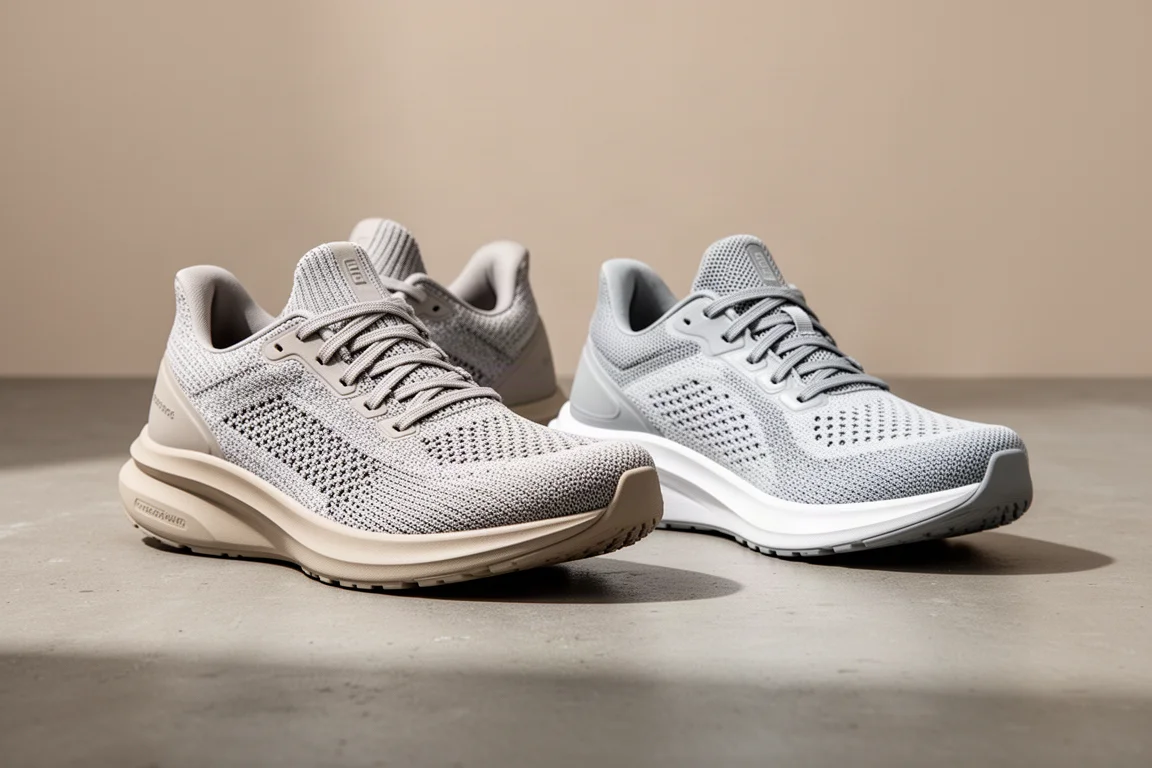
The Fresh Foam 1080 line is New Balance’s premium neutral daily training shoe, and the jump from version 13 to version 14 is bigger than the similar looks suggest. Version 13 is one of the softest shoes you can put on your feet, while version 14 keeps the high cushion but firms up, adds stability, and changes the fit noticeably. If you are wearing the 1080 v13 and wondering whether the v14 is worth upgrading to, or trying to decide which one might work better for you, this comparison walks through the differences that actually matter.
Specs and Weight
In a men’s size 10, the 1080 v13 weighs 9.9 oz, about 276 g, while the v14 comes in at 10.4 oz, about 296 g. That is a definite small weight increase, which makes sense once you look at what changed underfoot. Stack height is identical across both versions: 38 mm in the heel, 32 mm in the forefoot, for a 6 mm drop.
Despite the weight bump, the v14 is still one of the lightest premium daily training shoes on the market, and both versions rank among the softer options available if you are not chasing a maximal super-soft ride.
Ride and Cushioning
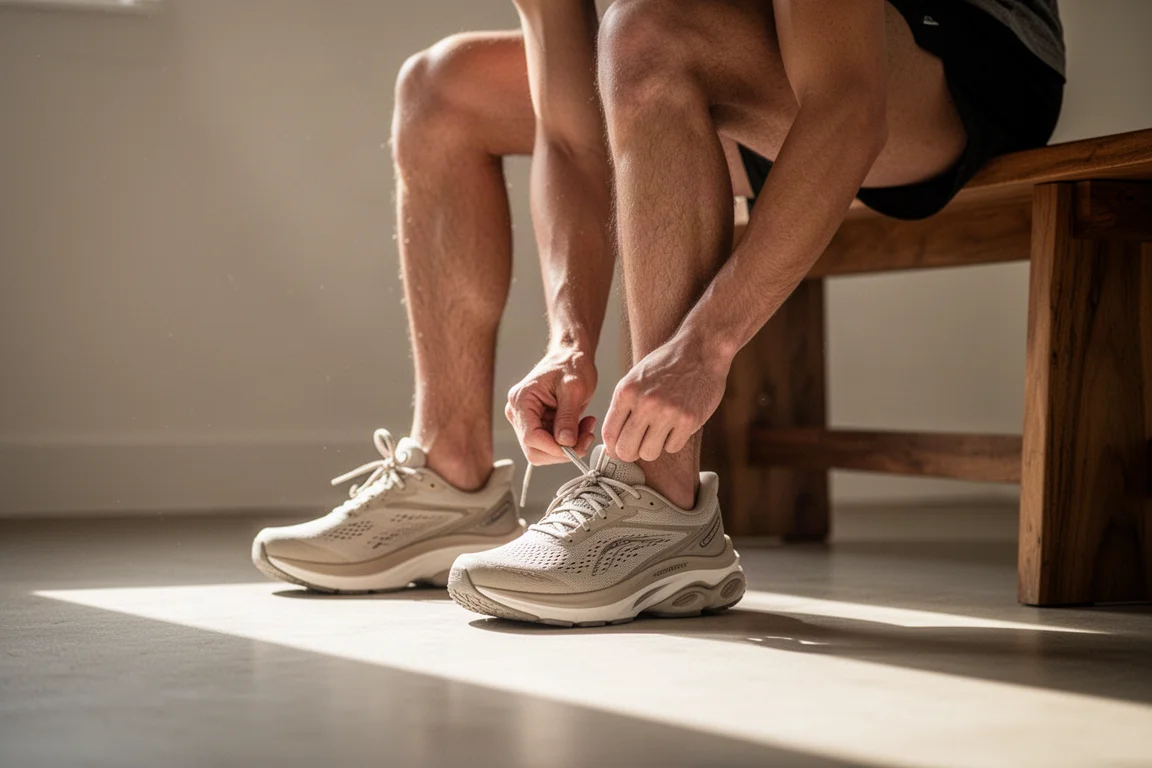
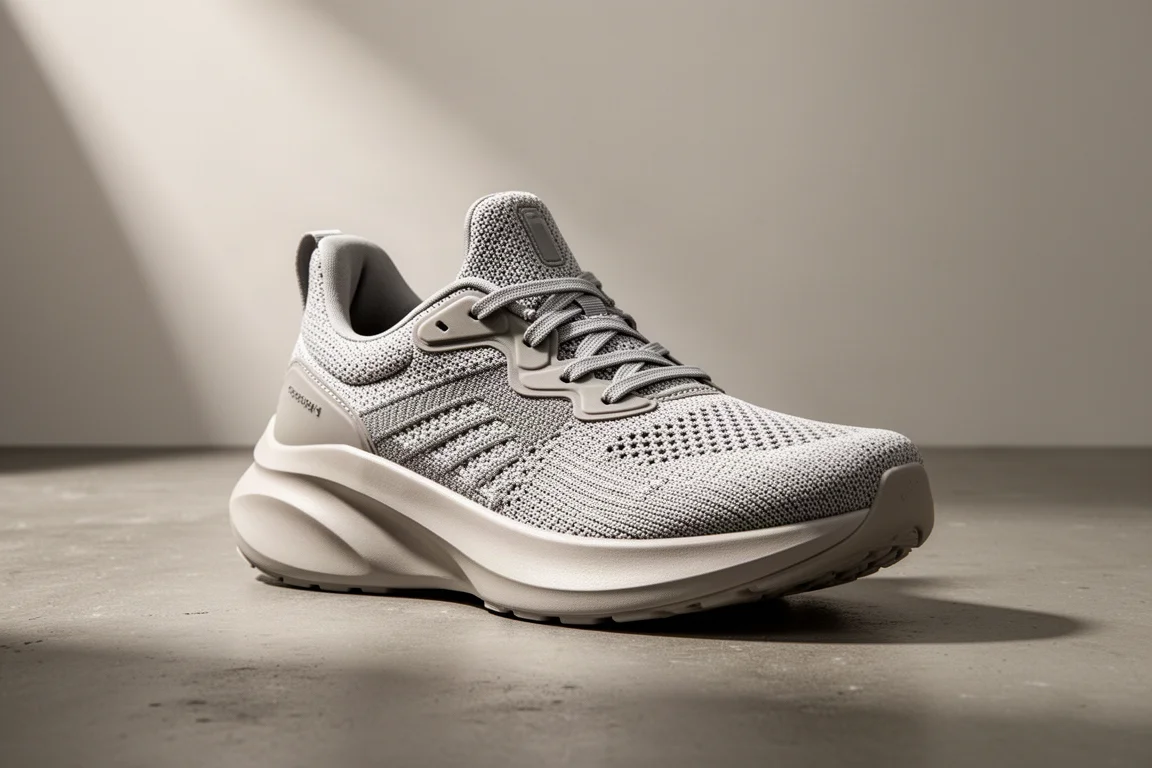
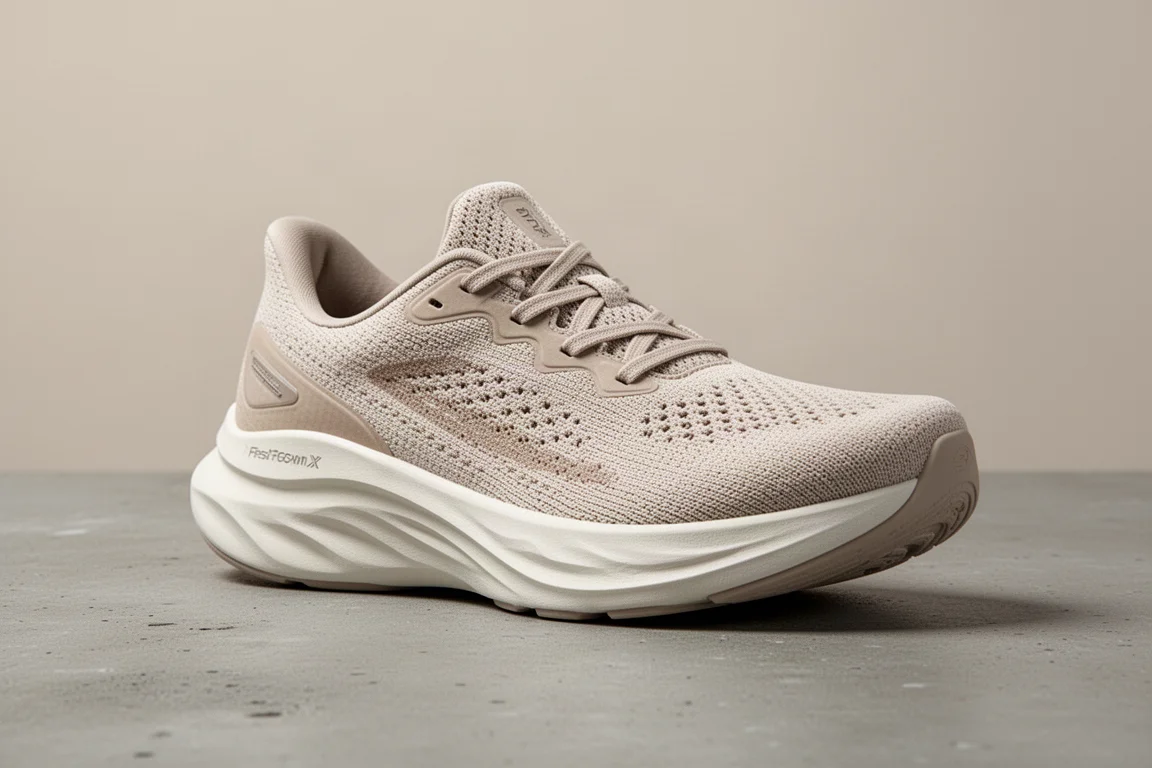
Version 13 was one of the softest shoes ever worn in this comparison, and it shows in the ride. It rolls easily from heel to toe, the posterior-lateral heel bevel compresses nicely, and the midfoot is not unstable, just very soft. For runners who need even a little guidance, that squish can make the sidewalls feel like they collapse, and the v13 may not be the best daily choice even though it is a genuinely great shoe.
Version 14 changed that formula. The midsole feels slightly firmer throughout, possibly due to a tweaked Fresh Foam blend, and the shoe is a touch stiffer. A big reason is the new outsole rubber: the v14 has much more coverage, with longer and thicker rubber lines, which naturally firms and stiffens the ride. That added rubber also creates a more centered ride, and the firmer midsole makes the sidewalls actually effective instead of collapsing into the foam.
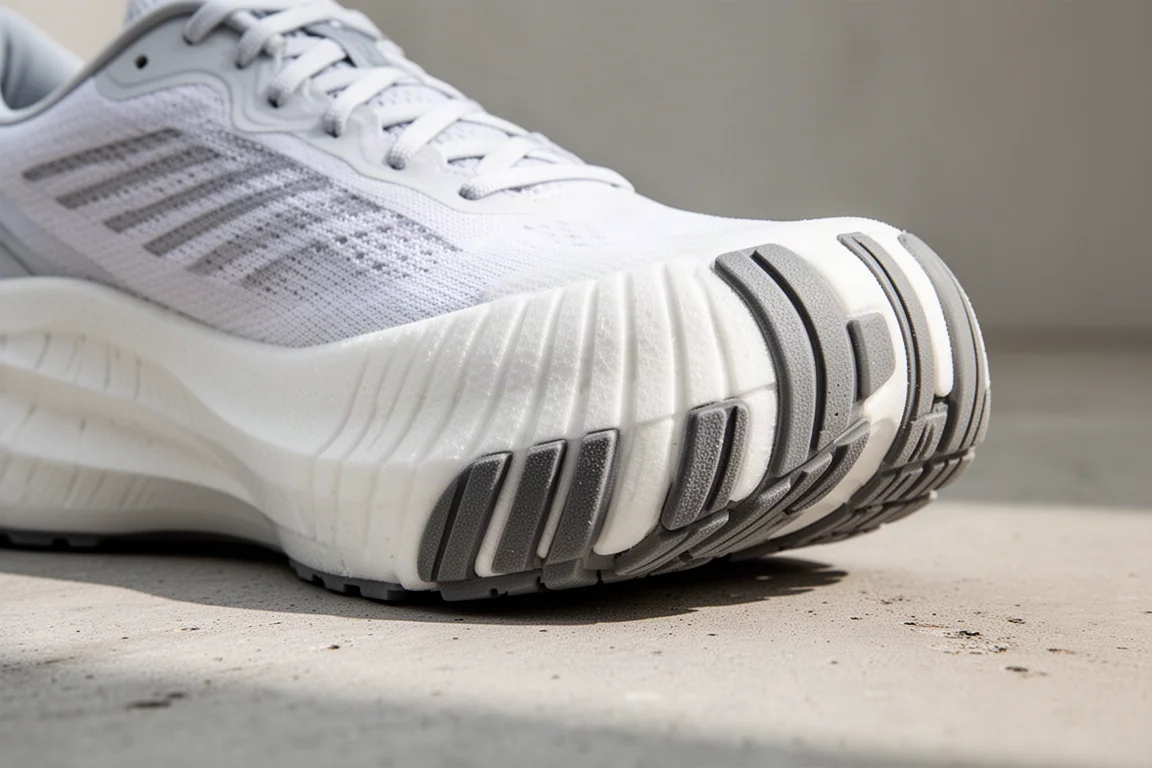
Neither shoe is meant for uptempo work; the softness and compliance are too high. Both are best for easy miles and long runs. If you want maximum softness with an easy heel-to-toe roll, the v13 is the better pick. If you want a still-highly-cushioned ride with a touch more firmness, a bit more stability, and a shoe you can likely put more miles into, the v14 makes more sense.

Durability-wise, the v14 has shown some abrasion over more miles but nothing concerning. With exposed midsole foam on both, expect around an average lifespan for a daily trainer, with the v14 possibly holding up slightly above average.
Upper and Fit
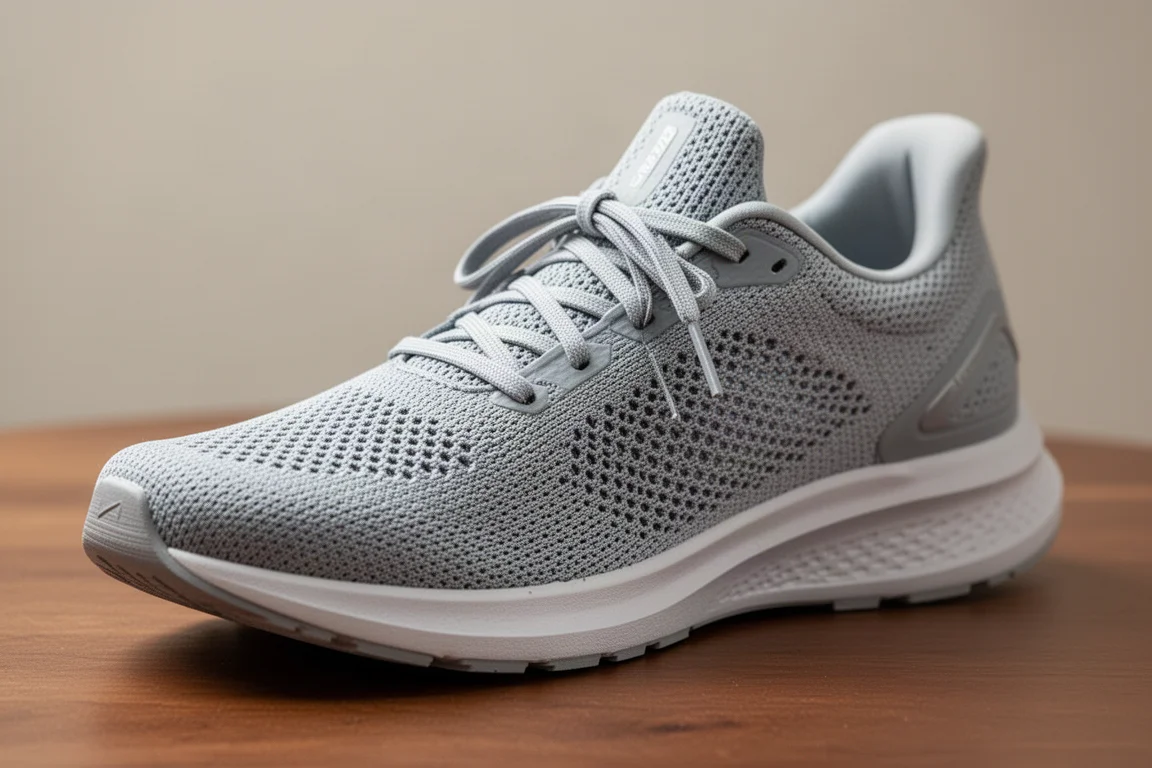
The uppers are where the two versions diverge the most. The v13 uses a knit mesh with a normal to slightly snug fit and a lot of stretch. It feels really comfortable, and the knit upper works very well for sockless running as long as you are okay snugging the laces down for security, since there are few overlays to hold the foot in place.
The v14 switches to an engineered mesh with a wider overall fit and more structure. There is plenty of room, and security is better because the upper holds its shape, so laces do not need to be cranked down. Wide sizes are available in both versions.
One shared trait: both shoes have fairly stiff heel counters. Runners with Haglund’s deformity or heel sensitivity may find either version a little unforgiving back there, though neither is extreme.
Which One Should You Buy
Choose the v13 if your priority is the softest possible ride with a plush, stretchy knit upper and you do not mind taking extra time locking down the laces. It suits runners who love maximum cushion and easy-pace mileage.
Choose the v14 if you want nearly the same cushioning with a slightly firmer, more stable ride, a more structured and secure upper, and a wider default fit. Runners who found the v13 too soft or needed a touch more guidance will likely get more miles and more enjoyment from the v14, even though it remains a neutral, highly cushioned shoe.
Conclusion
The Fresh Foam 1080 v13 and v14 look alike but deliver meaningfully different experiences. The v13 is the super-soft, stretchy, easy-rolling option, while the v14 trades a little softness for more stability, structure, and durability. Match the version to how you like your daily miles to feel and both are excellent premium trainers.
Further reading
Related Reviews

Running Shoes
Best Road-to-Trail Running Shoes: Three Versatile Options for Mixed Terrain
A practical guide to three road-to-trail running shoes that handle both pavement and mild trails, with clear strengths and trade-offs for different runner types.

Running Shoes
Best Running Shoes for Achilles Tendonitis: Three Options Explained
Three running shoes with different heel drops and support features designed to help reduce Achilles tendon pain during walking and running.

Running Shoes
Best Running Shoes for Women: Five Top Choices Ranked
A ranked guide to five women's running shoes, from versatile daily trainers to high-performance racing options, with real strengths and trade-offs for each.