Running Shoes
New Balance Fresh Foam 1080 v13 vs Saucony Endorphin Shift 3: Max Cushion Compared
Two similarly stacked max cushion trainers with very different personalities. Here is how the soft Fresh Foam 1080 v13 stacks up against the firmer, rocker-driven Saucony Endorphin Shift 3.
Introduction
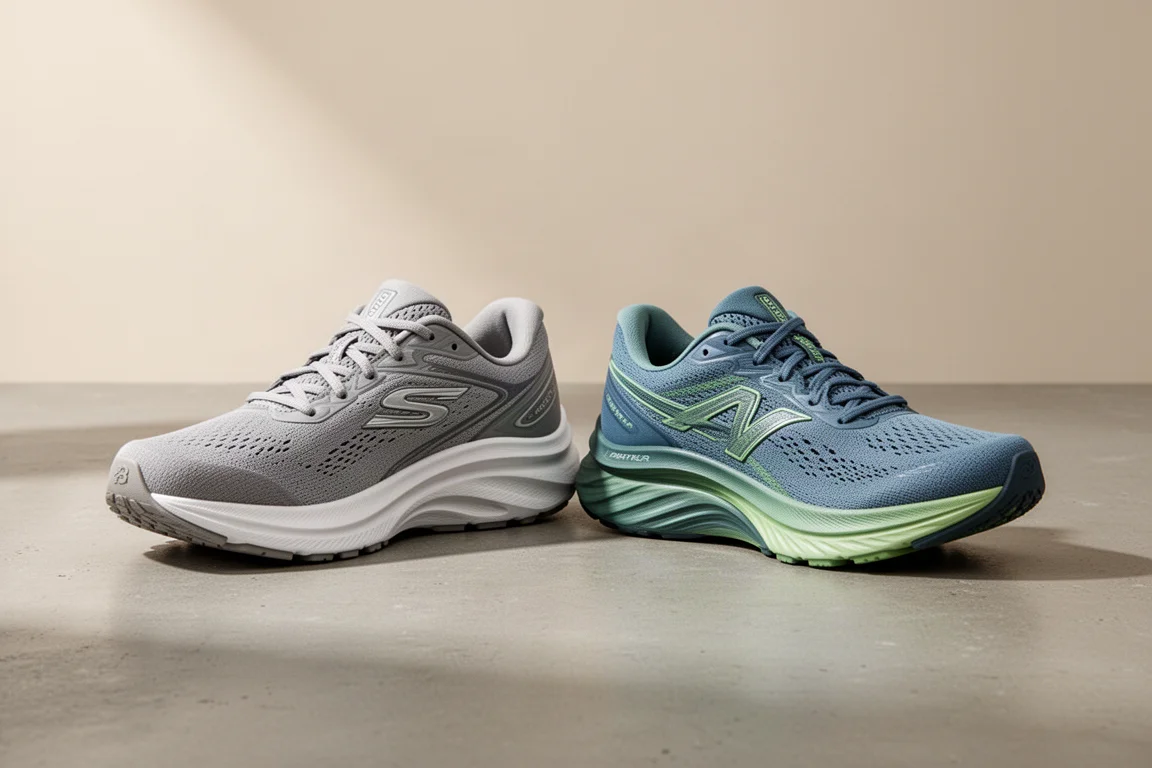
On paper, the New Balance Fresh Foam 1080 v13 and the Saucony Endorphin Shift 3 look remarkably similar. Both are max cushion trainers with nearly identical stack heights and weights, and both promise a comfortable ride for daily miles. In practice, they deliver very different experiences.
The 1080 v13 leans on soft, plush foam for a relaxed recovery-style ride. The Endorphin Shift 3 pairs a firm midsole with Saucony’s Speedroll rocker geometry to create a surprisingly quick-feeling daily trainer. Add a price gap of roughly $70 to $80 in the Saucony’s favor, and this becomes one of the more interesting comparisons in the cushioned trainer category.
Midsole and Ride Feel
The New Balance 1080 v13 uses Fresh Foam X, an EVA blend tuned for softness. It measures around 30 out of 100 on a durometer scale, making it genuinely squishy underfoot. The stack sits at 38 mm in the heel and 32 mm in the forefoot for a 6 mm drop, and the shoe weighs 9.2 oz. The platform is not very flexible, which adds some inherent rigidity and keeps the shoe from feeling wobbly despite the soft foam.
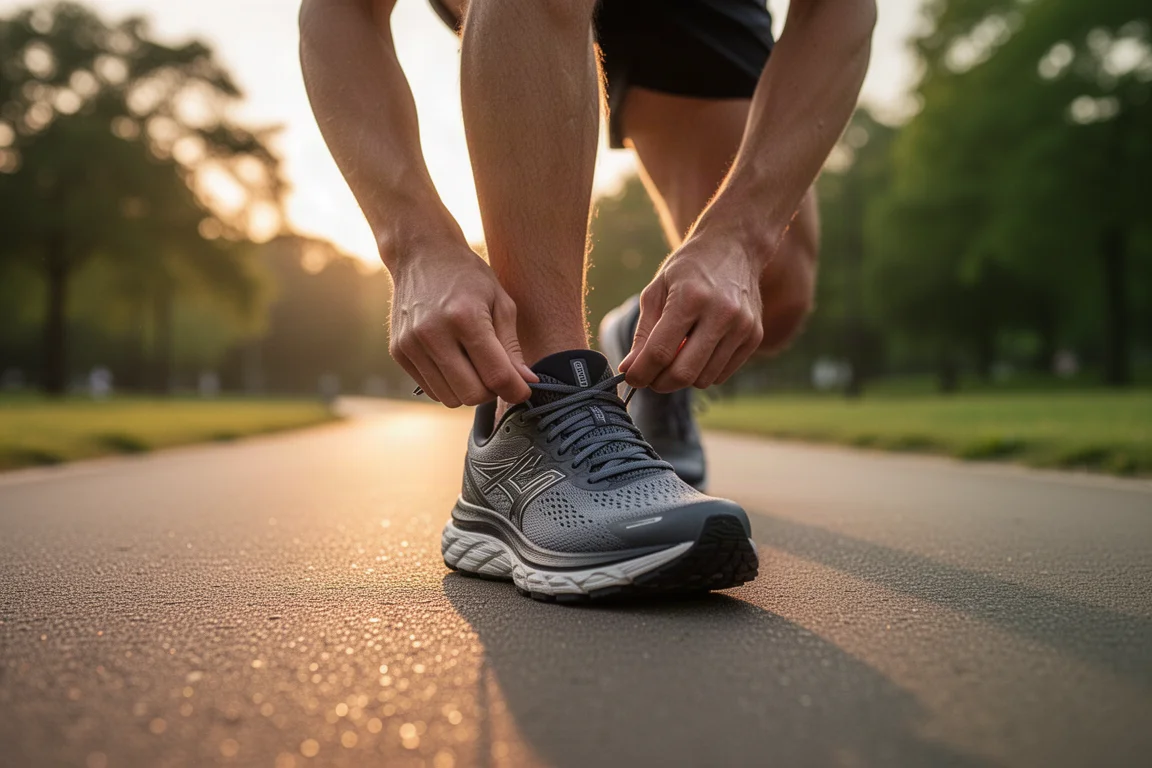
The Saucony Endorphin Shift 3 takes the opposite approach. Its PWRRUN EVA midsole is clearly firmer, measuring around 40 on the same durometer scale, with a taller 39 mm heel and 35 mm forefoot stack and a lower 4 mm drop. Weighing 9.4 oz, it feels more like a propulsive platform than a plush cruiser. If you want a softer max cushion option in Saucony’s line, that role belongs to the Triumph with its PWRRUN+ bead TPU foam.
In terms of ride character, the 1080 v13 is best at easy paces, roughly a minute and a half to two minutes slower than marathon pace. It can handle a stray marathon-pace mile or strides, but it is not a shoe for workouts. The Endorphin Shift 3 is the surprising one: the rocker and firm foam actively encourage a quicker cadence, and testers found themselves running 15 to 20 seconds per mile faster than intended. It can handle marathon pace, light fartleks, and runs with strides, making it a viable alternative to standard daily trainers like the Pegasus or the Ride.
Rocker Geometry and Stability
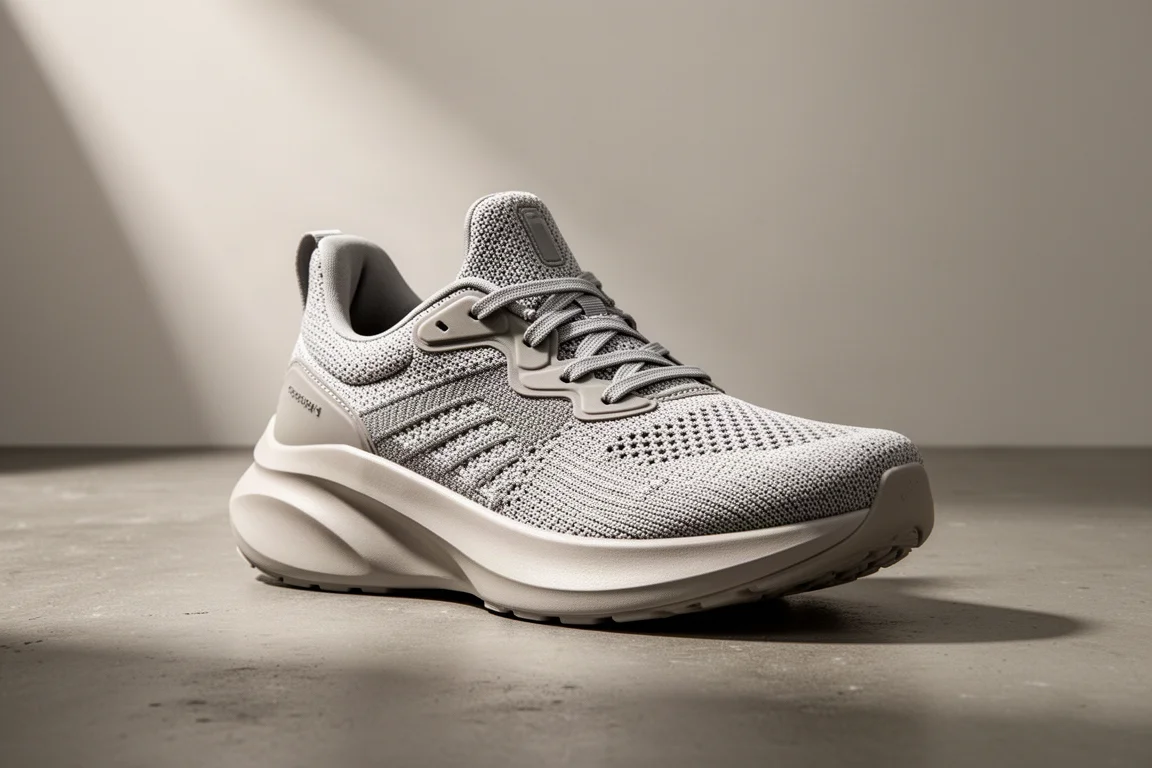
The Endorphin Shift 3’s Speedroll rocker is one of its defining traits. The geometry curves up sharply at the front and back like a canoe, helping heel strikers roll smoothly through their stride. The New Balance 1080 v13 has a gentler toe spring that puts you slightly on your toes but otherwise feels like a flat, natural shoe.
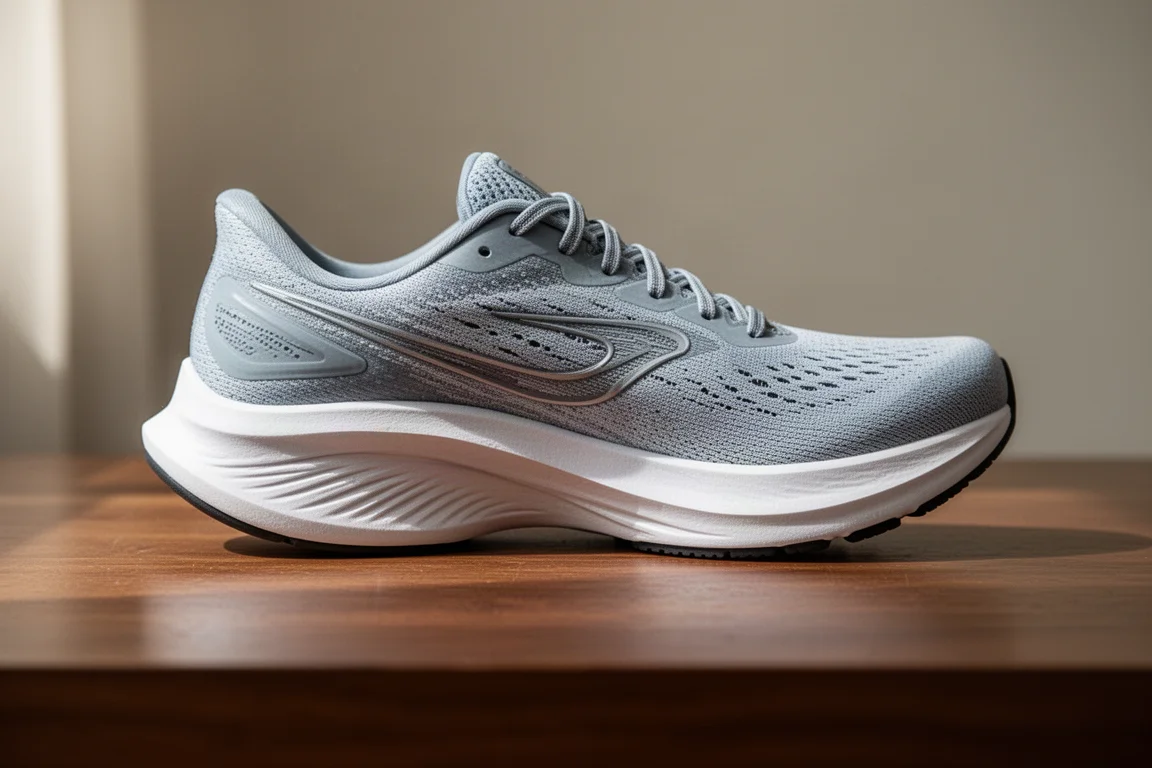
Stability also favors the Saucony. The Shift 3 includes a plastic heel clip, a rear overhang of foam, and a wide platform, and it was designed with mild stability in mind for slight overpronators. The 1080 v13 also has a solid, planted platform that is nearly as wide, but the firmer PWRRUN foam gives the Saucony the edge for stable landings.
Upper and Fit
This is where the comparison tilts decisively toward New Balance. The 1080 v13 has a plush, comfortable upper with generous room in the toe box, soft cotton t-shirt-like engineered mesh, soft laces, and heavy padding around the heel and Achilles area. It fits generously without feeling loose.
The Endorphin Shift 3’s upper is stripped down and almost race-like in feel: a thin tongue, less forgiving scratchier mesh, and rounded laces that lack the stretch of the New Balance but caused no lace bite. The notable downside is the narrow forefoot. Even with a standard-width foot, the toe box pinched noticeably at the pinky toe area, a recurring trait of Saucony’s standard fit. Runners with wider feet or anyone wanting a forgiving toe box will be far better served by the 1080 v13.
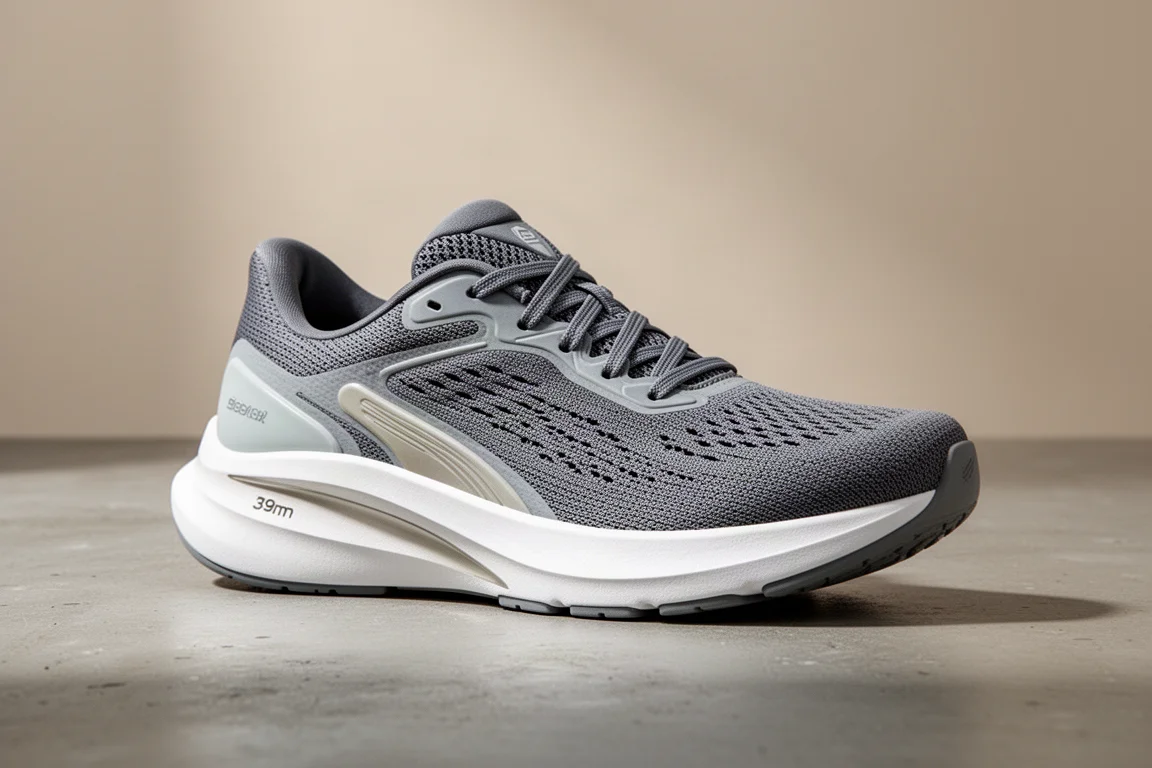
Lockdown is solid on both shoes, though the Saucony’s lighter upper holds the foot slightly more securely. Given the 1080’s role as a recovery and comfort shoe, the looser fit is not a problem.
Outsole and Durability
Durability is a mixed story on both shoes. The Endorphin Shift 3, with around 350 miles on it, chewed through its rear rubber completely, with the wear accelerating around the 250-mile mark, and exposed foam in the forefoot also wore down. The lighter, more race-like rubber coverage was a cost-saving choice, and it is the shoe’s biggest weakness. It also means limited grip: the Shift 3 is not the shoe for damp roads, mud, or sticky off-road conditions.
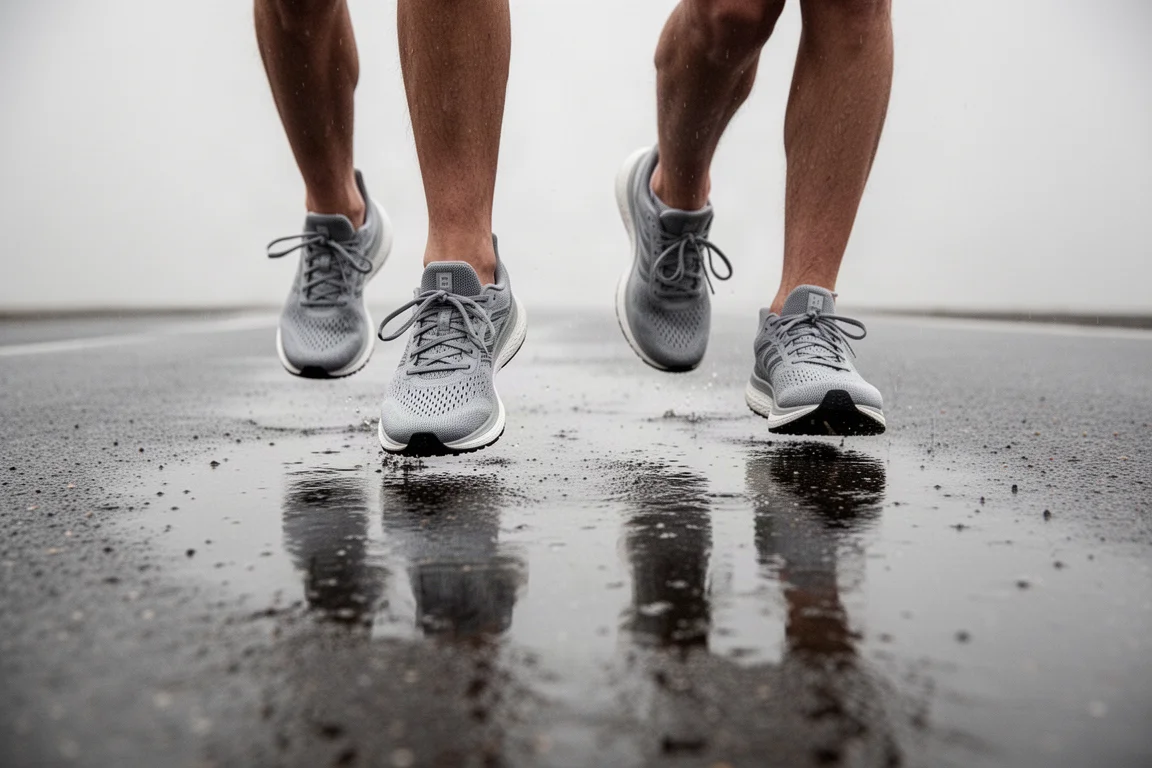
The 1080 v13, with about 100 miles on it, already shows exposed foam chewing through on the outside of the heel and midfoot thanks to its pod-based strategic rubber layout. Soft foams like Fresh Foam X also tend to wear faster than the firmer PWRRUN compound. The forefoot rubber looked solid at 100 miles, but longevity remains a question.
For durability and value, the Saucony wins: it is roughly $80 cheaper and has already proven it can rack up more miles. For grip and rubber coverage, especially in wet conditions, the New Balance takes it with far better forefoot coverage.
Which Shoe Should You Buy?
If budget comes first, the Endorphin Shift 3 is the clear pick. It handles everything from recovery runs to daily training and light workouts, and the $80 you save is real money. If you are a hardline low-drop or zero-drop runner experimenting with a touch of drop, the Shift 3’s 4 mm drop is also the friendlier entry point.
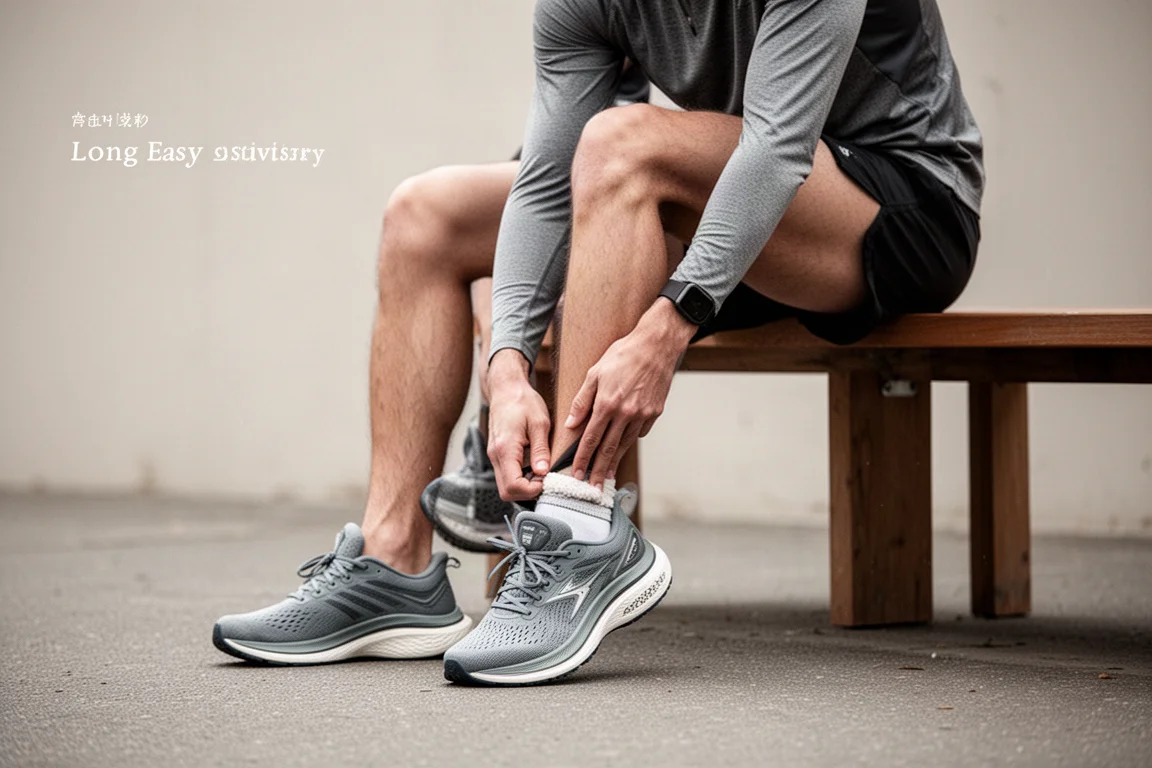
If you want a genuinely soft, comfortable shoe that takes the load off your legs day after day, the 1080 v13 justifies its premium. It is the better pick for long runs of 10 miles or more, where the Saucony’s firmer foam can feel grating past the 90-minute mark, and it is the better fit for wider feet.
The final question is what kind of shoe you need: a recovery shoe or a daily trainer. Despite the similar stack heights, the 1080 v13 is a recovery running shoe, while the Endorphin Shift 3 is much closer to a true daily trainer, especially for bigger and taller runners who benefit most from the rocker and firm foam combination.
Conclusion
The Fresh Foam 1080 v13 wins on comfort, softness, fit, and wet-road grip, and for soft-ride enthusiasts it is worth the price premium. The Saucony Endorphin Shift 3 wins on price, durability, versatility, and pace versatility, making it the smarter buy for budget-focused runners and daily trainers who do not mind a firmer ride. Choosing between them comes down to soft versus firm, recovery versus daily training, and how much value you place on that $70 to $80 saving.
Further reading
Related Reviews

Running Shoes
Best Road-to-Trail Running Shoes: Three Versatile Options for Mixed Terrain
A practical guide to three road-to-trail running shoes that handle both pavement and mild trails, with clear strengths and trade-offs for different runner types.

Running Shoes
Best Running Shoes for Achilles Tendonitis: Three Options Explained
Three running shoes with different heel drops and support features designed to help reduce Achilles tendon pain during walking and running.

Running Shoes
Best Running Shoes for Women: Five Top Choices Ranked
A ranked guide to five women's running shoes, from versatile daily trainers to high-performance racing options, with real strengths and trade-offs for each.