Running Shoes
New Balance Fresh Foam 1080 v13 vs 880 v14: Which Neutral Trainer Fits Your Running?
Two neutral trainers from New Balance that look similar but ride very differently: a maximal soft cruiser and a dependable, lighter mileage shoe.
Introduction
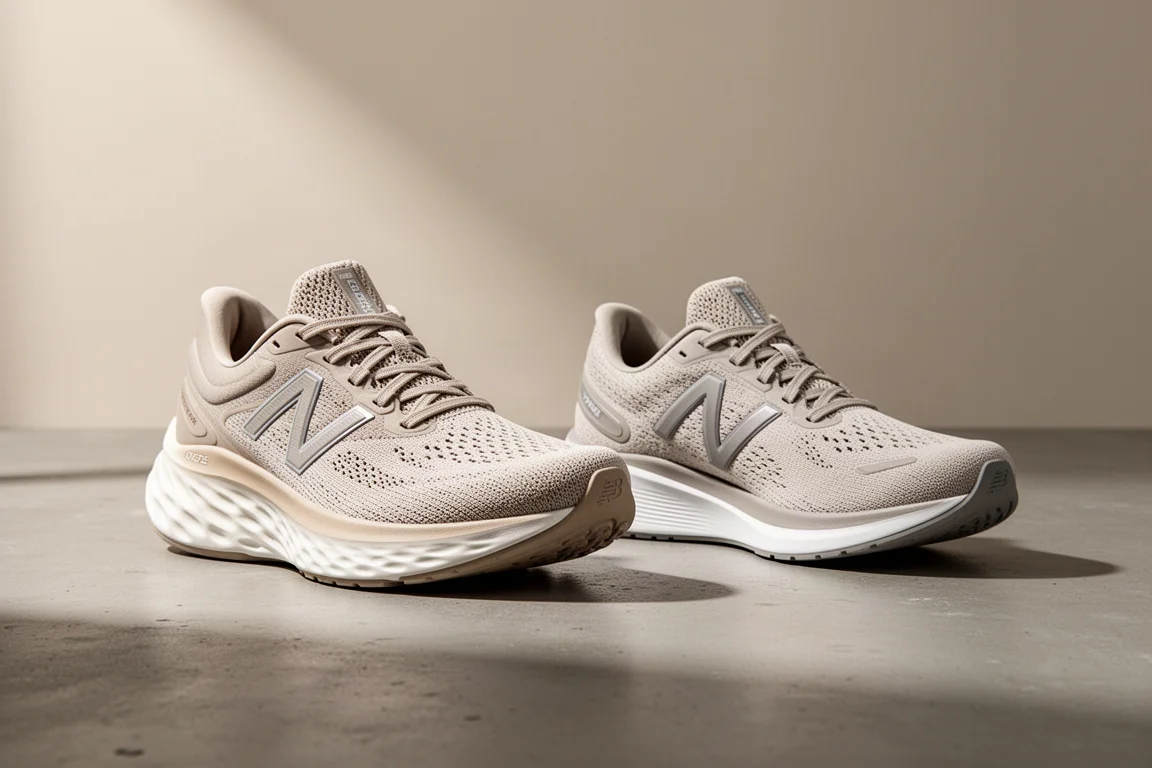
New Balance’s neutral lineup currently includes two shoes that look almost identical on a shelf but serve very different runners: the Fresh Foam 1080 v13, the brand’s premium neutral cushioning trainer, and the Fresh Foam 880 v14, its standard inline neutral shoe. Both have evolved significantly from their previous versions, dropping a large amount of weight and updating the Fresh Foam midsole to feel noticeably softer underfoot.
If you are torn between them, the decision mostly comes down to one question: do you want the softest ride possible, or a dependable shoe that can handle a wider range of runs?
Quick Take: Two Shoes, Two Missions
The specs set the tone immediately. The 1080 v13 comes in at 9.3 oz (about 263 g) for a men’s size 9 or women’s size 10.5, with a 37 mm heel and 31 mm forefoot for a 6 mm drop. The 880 v14 is lighter at 8.7 oz (about 247 g) in the same reference sizes, with a lower 31 mm heel and 23 mm forefoot.
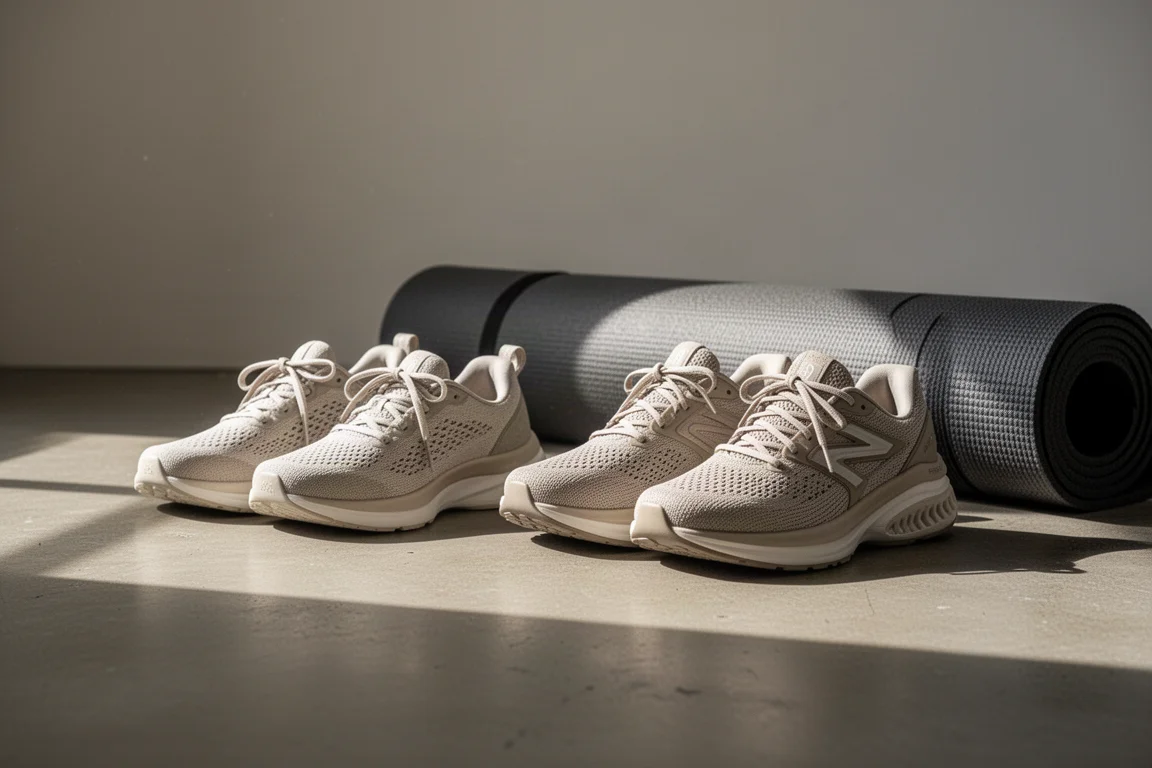
Shared strengths are worth noting before diving deeper. Both shoes have an excellent heel bevel with a slightly lateral posterior shape that transitions nicely for rearfoot strikers. The midfoot on both runs a little wide, adding a touch of inherent stability, and the forefoot is moderately to mildly flexible on both sides. If you have any toe mobility issues, that flexibility may not suit you, but if you want a more standard, adaptable training shoe, both work very well in that regard.
Ride and Feel
This is where the two shoes diverge sharply. The 1080 v13 is, simply put, the softest running shoe experience in this lineup. The Fresh Foam compound compresses heavily and offers very little resilience, so this is not a responsive shoe at all. What you get instead is a light, deeply cushioned, almost maximalist feel. It is the lightest of New Balance’s premium neutral training shoes, and it shines on very easy efforts. Some runners may be able to use it for long runs, but the softness can feel unstable at higher mileage.
The 880 v14 takes a different approach. It is softer and lighter than before, and at 8.7 oz it almost feels like a lightweight trainer. The Fresh Foam midsole sits right in the middle: good cushioning, neither the softest nor the firmest. It can handle some uptempo work when you want it, but it really earns its keep just chugging along through standard miles. It is a classic mileage shoe with a little extra pep.
Stability and Guidance
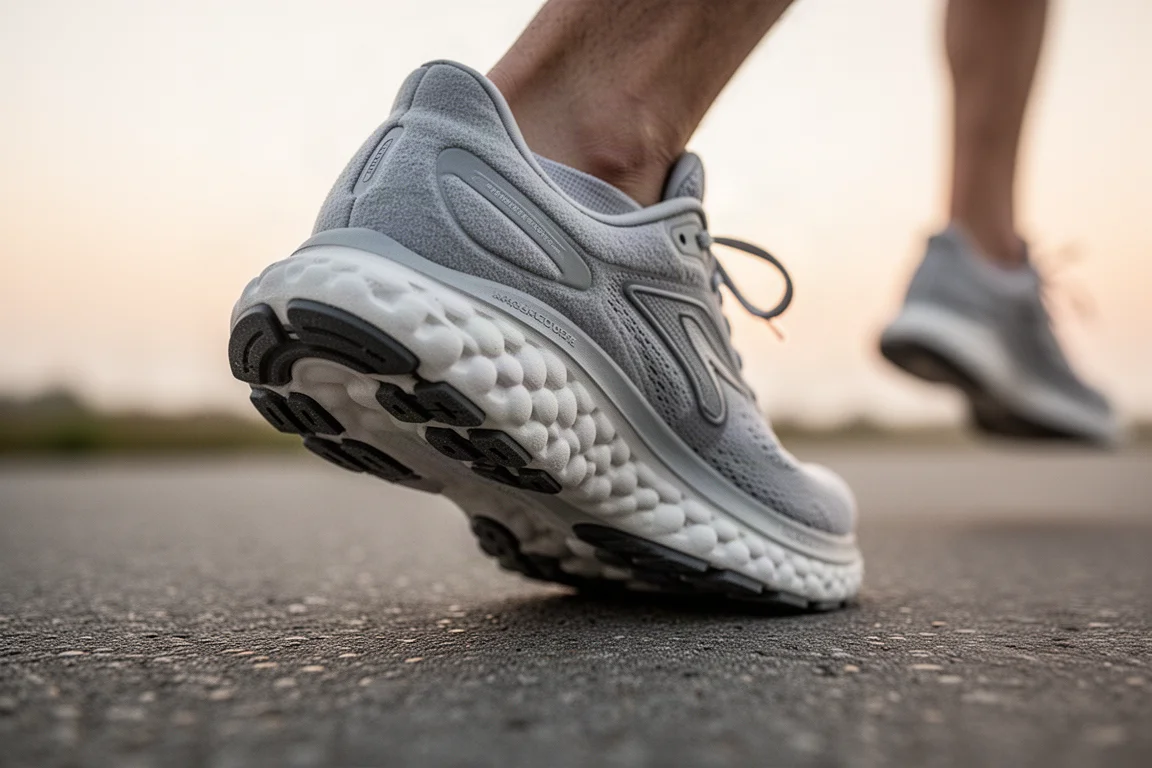
Neither is a stability shoe, but the level of guidance differs meaningfully. The 1080 v13 has visible sidewalls, but the sole is so soft that it offers essentially no stability in practice. You need solid, stable running mechanics to run in it comfortably.
The 880 v14 is a different story. It features excellent sidewalls, especially in the rearfoot, the midsole sets a bit wider, and the midfoot does not narrow excessively. The result is a neutral shoe that feels slightly stable, reliable enough for long runs and heavy mileage weeks. If you want mild guidance in the rearfoot without stepping up to a true stability shoe like New Balance’s 860, the 880 is the better pick. If you want nothing in the way, just pure softness, the 1080 wins.
Fit and Sizing
The fit differences may actually decide things for you. Both shoes have a forefoot that is slightly wider than standard, and both are available in a wide range of widths from narrow up to 4E or wider, so most feet can find a workable version.
But volume is another matter. The 880 v14 sits low across the foot: it uses a knit mesh with some flexibility, paired with a slightly stiffer toe guard up front, which makes the shoe feel a touch more tapered. Side to side there is a very normal amount of room, but the height across the forefoot and midfoot is low.
The 1080 v13 has considerably more volume throughout. The knit mesh stretches quite a bit and there is plenty of room everywhere, so much that lacing it down is often needed for a secure fit. If you have a higher-volume, wider foot, the 1080 is clearly the better match.
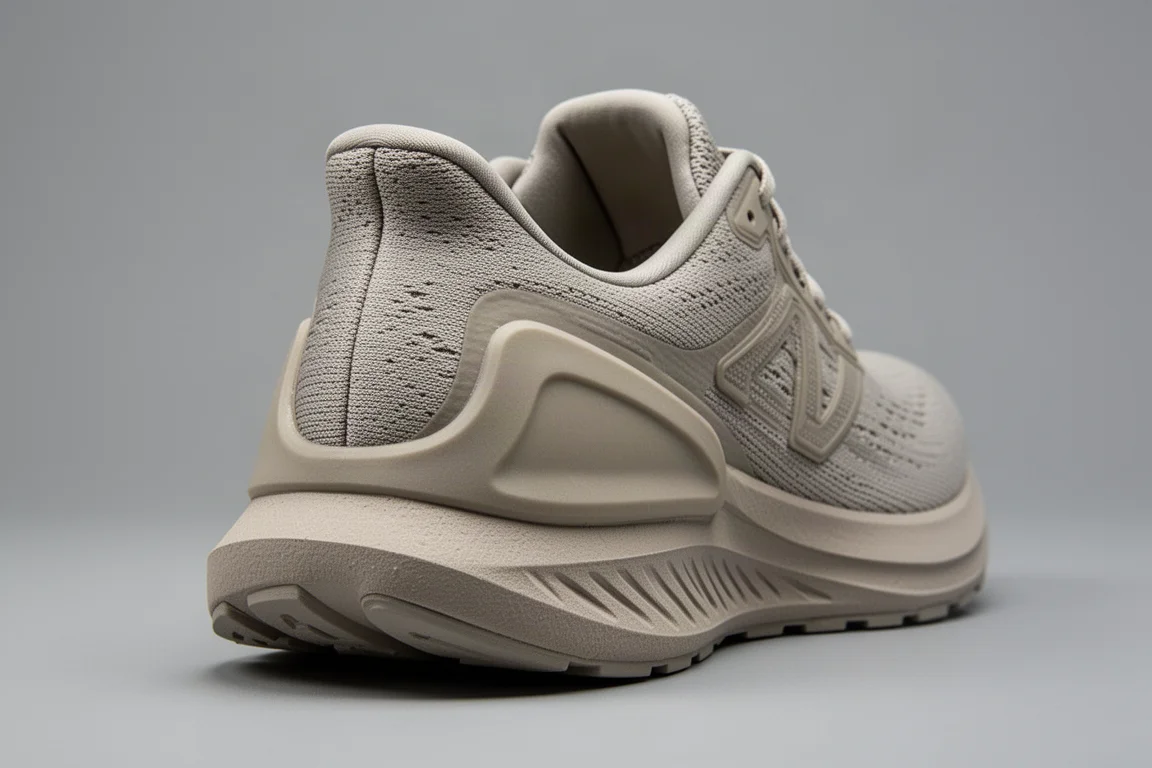
One shared caveat: both shoes have a fairly stiff heel counter, and the 880 can rub the heel a little. If you have heel sensitivities, neither is a great choice, even though the 1080 has more cushioning around the area.
Durability and Outsole Grip
Test mileage so far covers roughly 30 miles in the 1080 and about 40 miles in the 880, and both show excellent durability even under a hard-running tester, with no wear on the posterolateral heel. The outsoles grip well for road shoes, and both handle a little more than pure pavement, though they should be kept to road use.
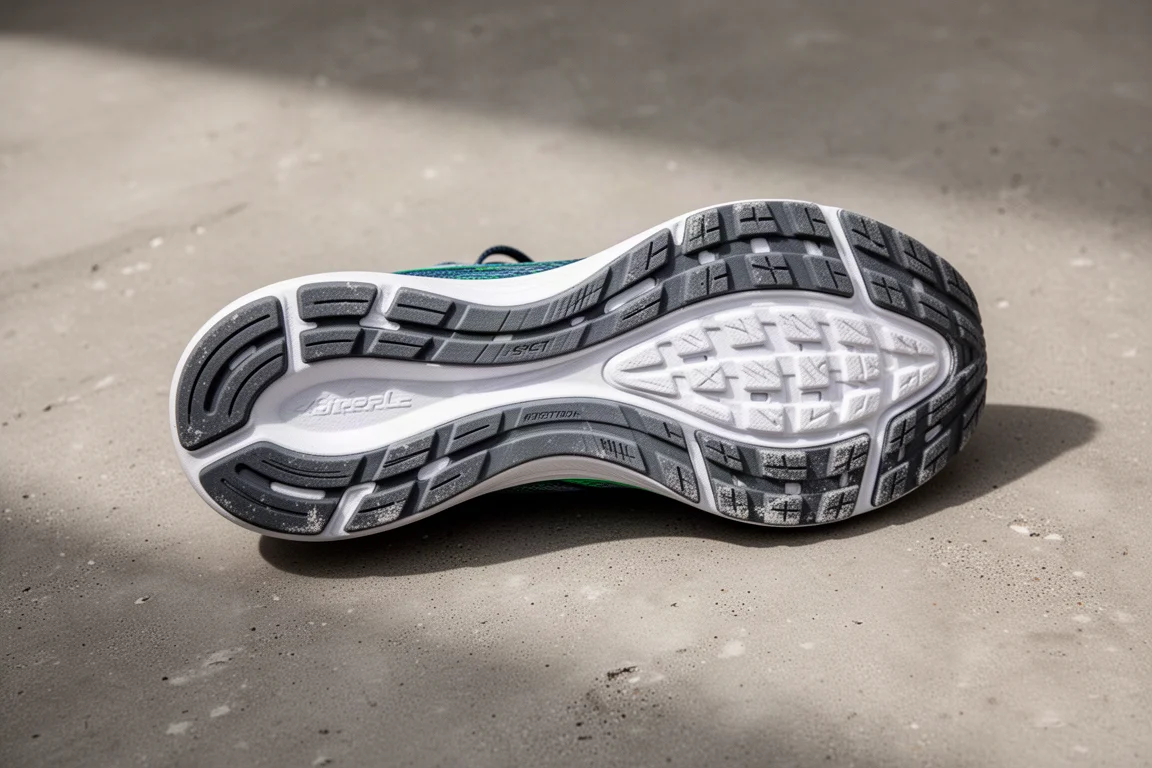
The distinction is trails: the 1080’s soft, exposed Fresh Foam midsole would get ripped up on trail terrain, while the 880 might cope slightly better. Neither is a trail shoe, and New Balance’s dedicated trail lineup is the better route for off-road running.
Buying Advice
The verdict comes down to priorities. The 880 v14 is the reliable all-rounder: consistent, durable, inherently a bit more stable, light enough to pick up the pace, and ideal for runners who just want a dependable shoe to log miles in. It is arguably the best straightforward, unassuming trainer of its generation.
The 1080 v13 is for the softness seekers. If you want the plushest ride available, extra volume and width in the upper, and confirmed durability, it may be worth the roughly $25 premium over the 880. Just be honest about your stability needs and your pace targets before committing.
Conclusion
Both shoes are excellent upgrades from their previous versions, and both are among the lightest in their respective categories. Choose the 1080 v13 for maximal softness and a roomier fit, or the 880 v14 for a lighter, more stable, and more versatile everyday trainer. Matching the shoe to your actual running habits is what will make either choice a good one.
Product link
View more details for New Balance Fresh Foam 1080 v13
This product is mentioned in the review. Check the specifications, options, and compatibility before buying.
View more details for New Balance Fresh Foam 1080 v13Further reading
Related Reviews

Running Shoes
Best Road-to-Trail Running Shoes: Three Versatile Options for Mixed Terrain
A practical guide to three road-to-trail running shoes that handle both pavement and mild trails, with clear strengths and trade-offs for different runner types.

Running Shoes
Best Running Shoes for Achilles Tendonitis: Three Options Explained
Three running shoes with different heel drops and support features designed to help reduce Achilles tendon pain during walking and running.

Running Shoes
Best Running Shoes for Women: Five Top Choices Ranked
A ranked guide to five women's running shoes, from versatile daily trainers to high-performance racing options, with real strengths and trade-offs for each.