Running Shoes
New Balance Ellipse v1 vs 880 v15 vs 1080 v15: Which Neutral Trainer Fits You?
Three neutral New Balance trainers with similar stack heights but completely different rides. Here is how the Ellipse, 880 v15, and 1080 v15 compare on cushioning, stability, fit, and durability.
Introduction
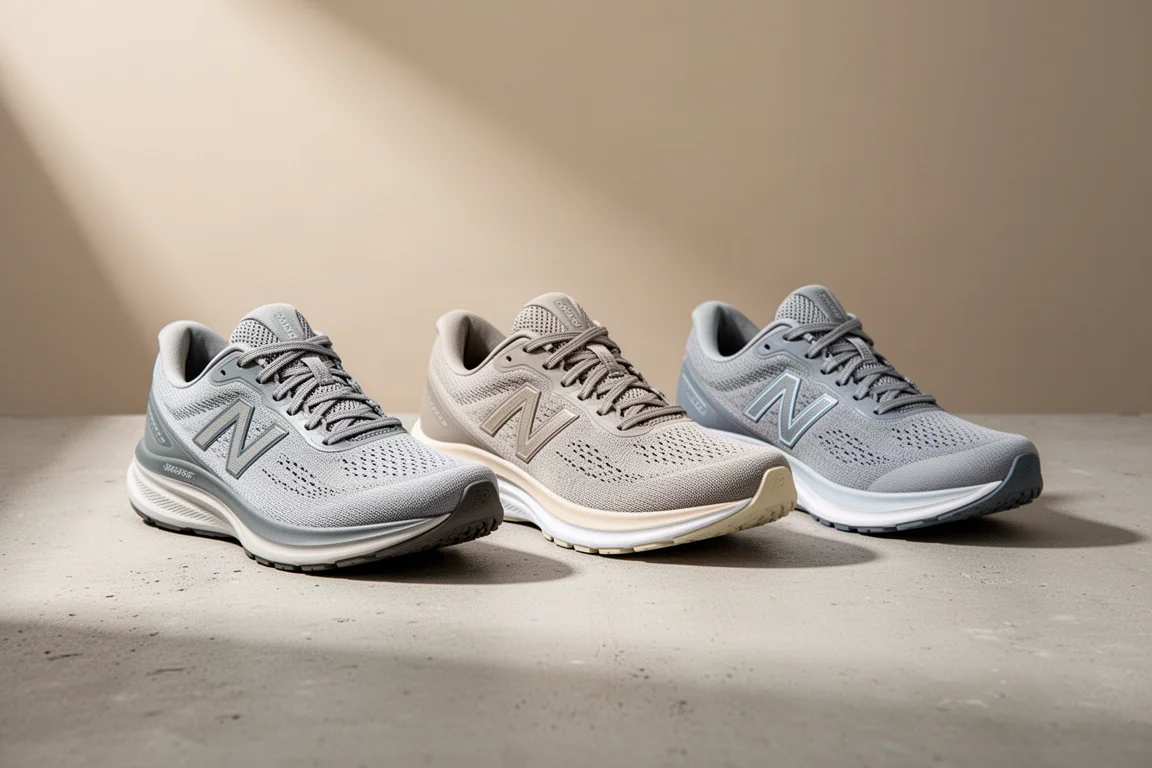
New Balance now offers three neutral trainers that sit close together in both price and stack height: the newly added Ellipse v1, the 880 v15, and the 1080 v15. The Ellipse is the cheapest of the three at $145, compared with $150 for the 880 and $170 for the 1080. On paper they look interchangeable. In practice they ride and fit completely differently, and picking the wrong one for your needs is easy to do.
This comparison breaks down where each shoe excels so you can match the right one to your running style and foot shape.
At a Glance: Specs and Prices
In a men’s size 10, the Ellipse weighs 10 oz (about 282 g), the 880 is the heaviest at 10.6 oz (300 g), and the 1080 is the lightest at 9.3 oz (266 g). Stack heights are similar across the board: the Ellipse sits at 38 mm in the heel and 30 mm in the forefoot for an 8 mm drop, while the 880 and 1080 both measure 38 mm heel and 32 mm forefoot for a 6 mm drop. That 2 mm difference in drop is subtle and unlikely to be noticeable in daily running.
Cushioning and Ride
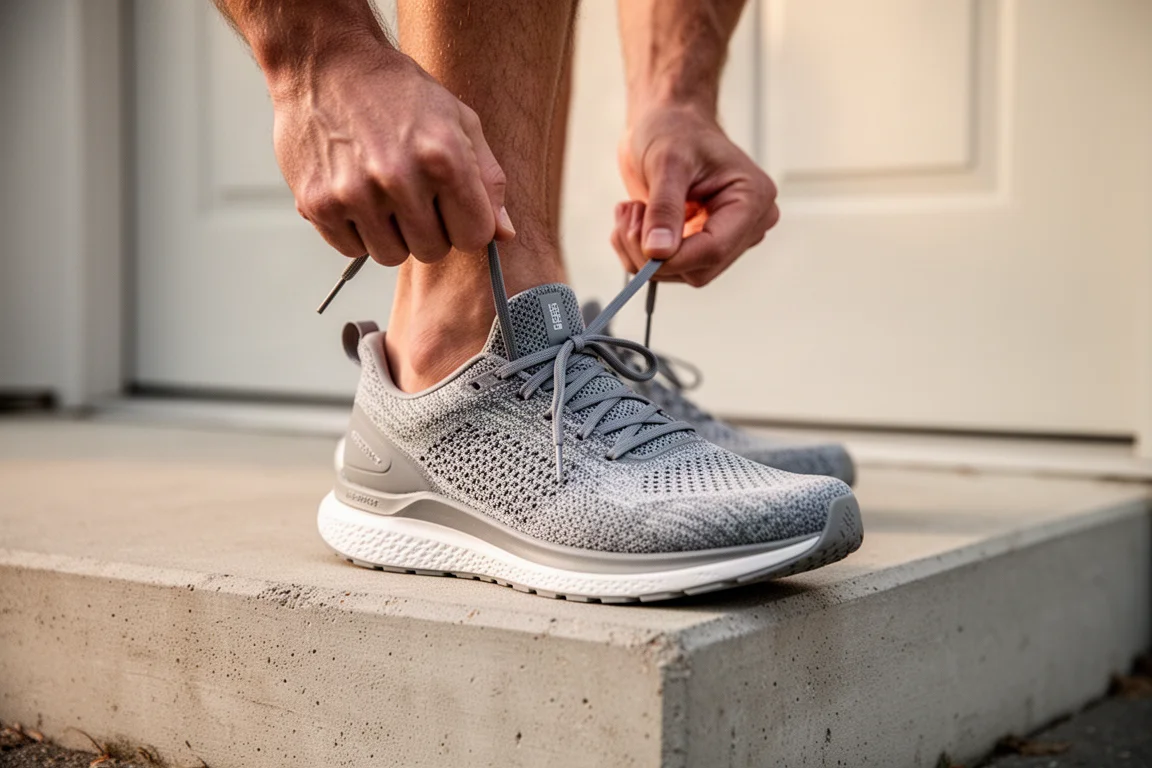
The Ellipse is the softest shoe of the group. Its Fresh Foam X midsole has a lot of compliance, meaning it compresses deeply on landing, but relatively little resilience, so it does not bounce back much. The ride is soft and rolling rather than snappy, supported by a nicely shaped heel bevel and a decent forefoot rocker with some flexibility. It is not a stiff rocker shoe, but it rolls through the stride comfortably.
The 880 v15 is the firmest of the three and the most rockered in feel. Its midsole barely compresses and is not bouncy, but that firmness holds the structure of the shoe, letting the large heel bevel and forefoot rocker do their job. The platform rolls forward noticeably.
The 1080 v15 uses FF Infinion foam, which is still EVA-based but with more bounce and resilience than either of the other two. It is not as soft as the Ellipse, but it returns more energy when you put force into it. Combined with its lower weight, it feels the quickest and most responsive of the group, even though none of these is a true speed shoe.
Stability
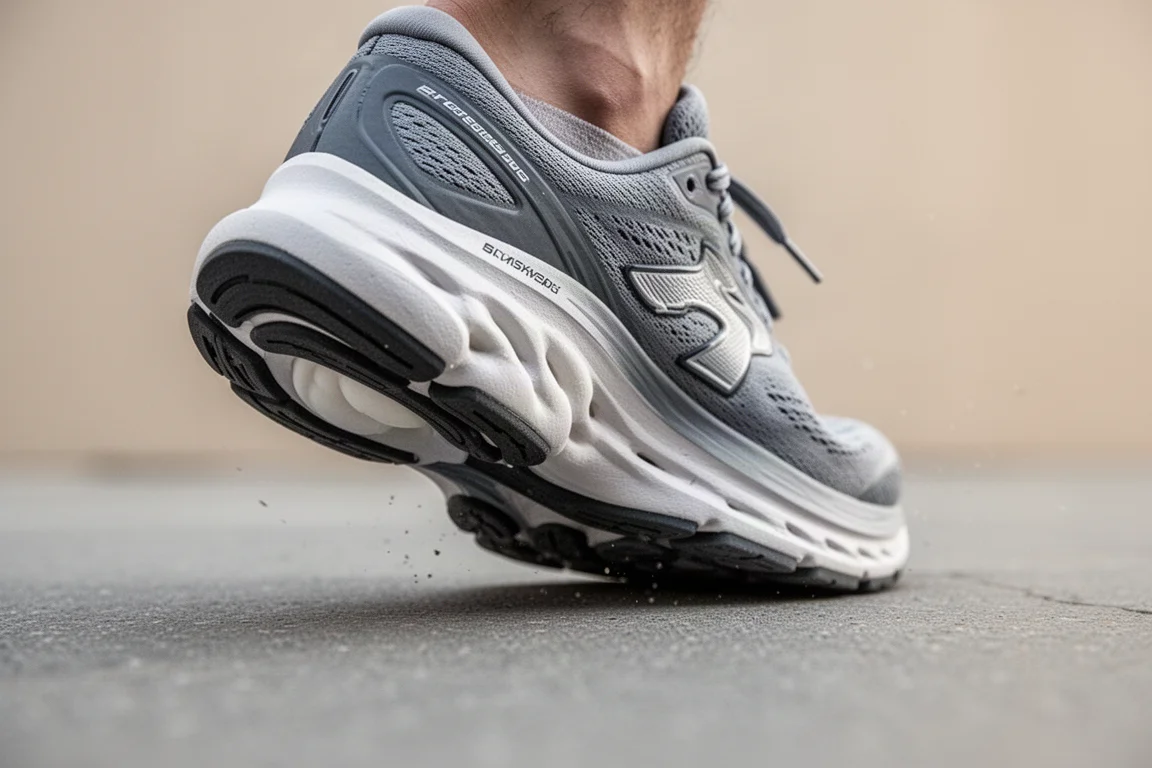
The 880 v15 is the clear stability leader here. It has a wide sole, sidewalls, and stiffness both longitudinally and torsionally. It is still a neutral shoe, but it sits close to borderline stability territory, comparable to where the 860 and Vongo live. If you need a stable neutral trainer, this is the best option of the three.
The Ellipse and the 1080 are roughly tied. The Ellipse has a slightly narrowed midfoot and a softer platform, which makes it a little less inherently stable. The 1080 has no sidewalls, but a slightly wider midfoot and more bounce give it a small edge, though its overall platform is a bit narrow. Both remain firmly neutral shoes.
Durability
The 880 v15 looks like the durability winner. With around 50 miles of wear, the outsole shows barely any deterioration, and there is little in the firm midsole to break down. The Ellipse has held up well over about 30 miles too, with outsole pods hanging on nicely and minimal wear. However, because its foam is soft and unresponsive, it tends to compress more over time, so it may prove the least durable of the three from a midsole perspective. The 1080’s softer foam shows more visible wear than the 880, but at around 30 miles it is not concerning.
Fit
Fit separates these three more than anything else, and it is worth thinking about volume as well as width, since your foot is three-dimensional.
The 880 v15 looks the widest but has the lowest volume. The height sits low, so it feels more snug overall even with a genuinely wide fit, and it comes in a wide version. The heel counter is the stiffest of the group, which some will love and others will not tolerate. The width carries up into the midfoot, but the heel sits snug.
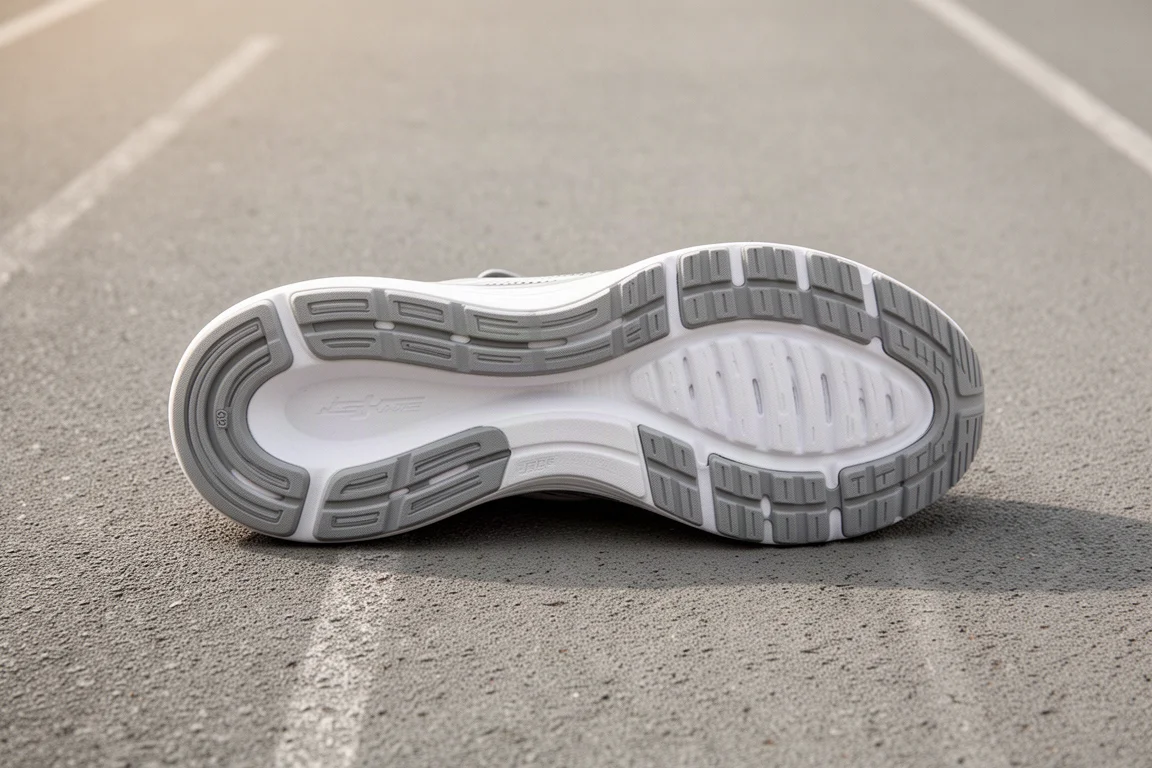
The Ellipse arguably feels wider than the 880 because its upper is less stiff and thinner, with more padding and more volume. It likely offers the most room of the three, especially for wider feet. There was no heel slippage, though the laces needed locking down in the midfoot.
The 1080 has the most volume thanks to a stretchy knit upper that gives generously. It is not the widest, but it feels roomy, particularly in the midfoot. The heel is heavily padded, which snug things down nicely, though be aware that a lot of heel padding can push your foot forward and make the shoe feel short. All three shoes concentrate padding at the top of the heel collar rather than distributing it evenly, which can press against a sensitive Achilles area, so that is worth testing before buying.
Which One Should You Buy?
Each shoe has a clear audience. If you want a soft, affordable, versatile trainer for easy running and walking where pace does not matter, the Ellipse v1 is the straightforward pick. It is also among the most comfortable here for casual wear unless you prefer stiffness.
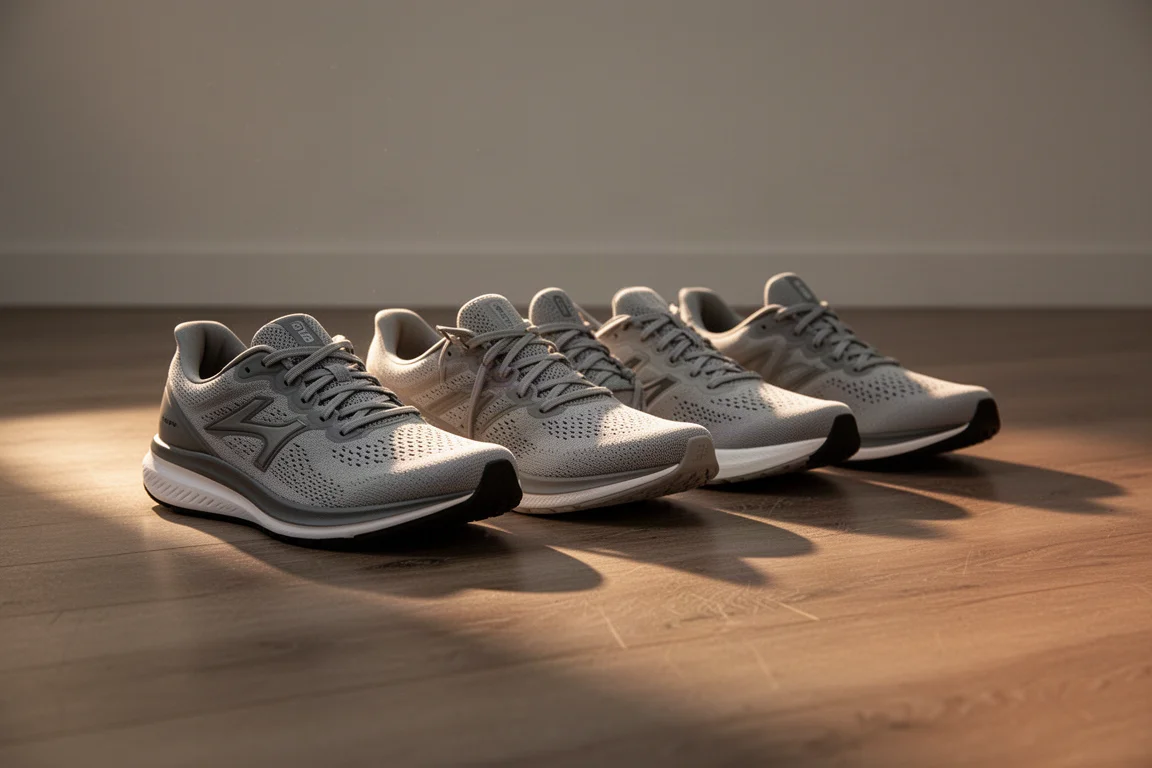
If you want a firmer, structured, rockered ride with the most stability and the best durability, the 880 v15 is the one. It suits people on their feet all day and runners who like a shoe that holds its shape.
If you want something a bit more premium, bouncier, and lighter, with a stretchy upper and the most responsive feel, the 1080 v15 justifies its higher price.
Conclusion
These are three genuinely distinct neutral trainers despite the similar specs. The Ellipse v1 is the soft, budget-friendly all-rounder, the 880 v15 is the firm and stable workhorse, and the 1080 v15 is the lighter, bouncier premium option. Match the ride and fit characteristics to your needs and any of the three can be a satisfying daily trainer.
Product link
View more details for New Balance Ellipse V1
This product is mentioned in the review. Check the specifications, options, and compatibility before buying.
View more details for New Balance Ellipse V1Further reading
Related Reviews

Running Shoes
Best Road-to-Trail Running Shoes: Three Versatile Options for Mixed Terrain
A practical guide to three road-to-trail running shoes that handle both pavement and mild trails, with clear strengths and trade-offs for different runner types.

Running Shoes
Best Running Shoes for Achilles Tendonitis: Three Options Explained
Three running shoes with different heel drops and support features designed to help reduce Achilles tendon pain during walking and running.

Running Shoes
Best Running Shoes for Women: Five Top Choices Ranked
A ranked guide to five women's running shoes, from versatile daily trainers to high-performance racing options, with real strengths and trade-offs for each.