Running Shoes
New Balance Elipse Review: Great Looks and Comfort, But the Ride Falls Short
A $145 lifestyle-leaning daily trainer with standout step-in comfort and styling, undermined by a flat, uninspiring ride.
Introduction
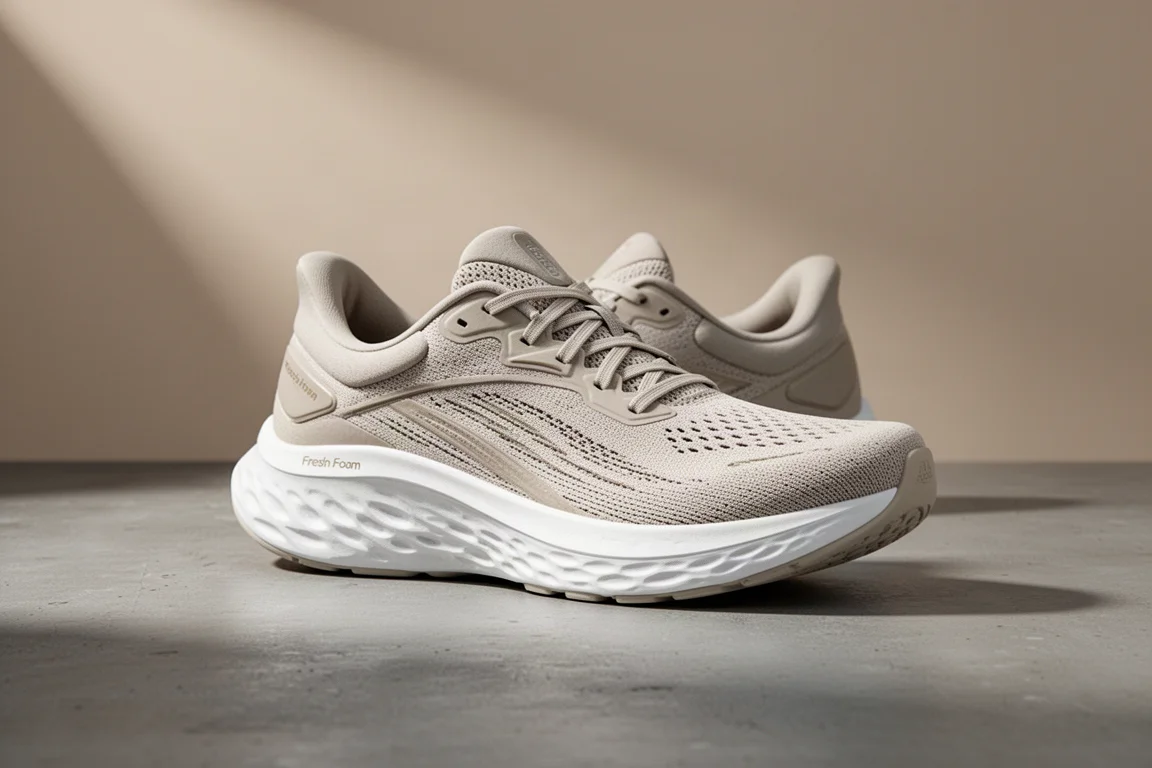
The New Balance Elipse is the brand’s newest entry in the basic daily trainer segment, priced at $145. The concept is clear: take the comfort DNA of the 1080 franchise, add a lifestyle-inspired design aesthetic, and package it at an approachable price point for runners who don’t want to spend $200 on a super trainer. Think of it as the opposite playbook to what Adidas did with the Evo SL, which took race-day speed and put it into a $150 shoe. The Elipse is designed to be a normal shoe for normal people running normal mileage.
The idea makes a lot of sense on paper. New Balance is leaning into what it does well: comfort, heritage design, and broad appeal. Unfortunately, after putting real miles on the shoe, the gap between concept and execution shows up quickly.
Design and Aesthetics
This is where the Elipse genuinely shines. The muted grey upper with white accents and pops of color has a clean, heritage-inspired look that leans into the classic New Balance aesthetic without the unnecessary gradients that show up on some competitors. It looks like a lifestyle shoe you can run in, and that is exactly the positioning.
Step-in comfort is equally impressive. The thick, padded tongue and generous padding around the heel collar make it feel like stepping into a pillow. The upper is decently thick and roomy, fitting true to size in 10.5 with enough space for a slightly thicker winter sock. If step-in feel and looks are your primary buying factors, this shoe delivers on both.
Specs and Weight
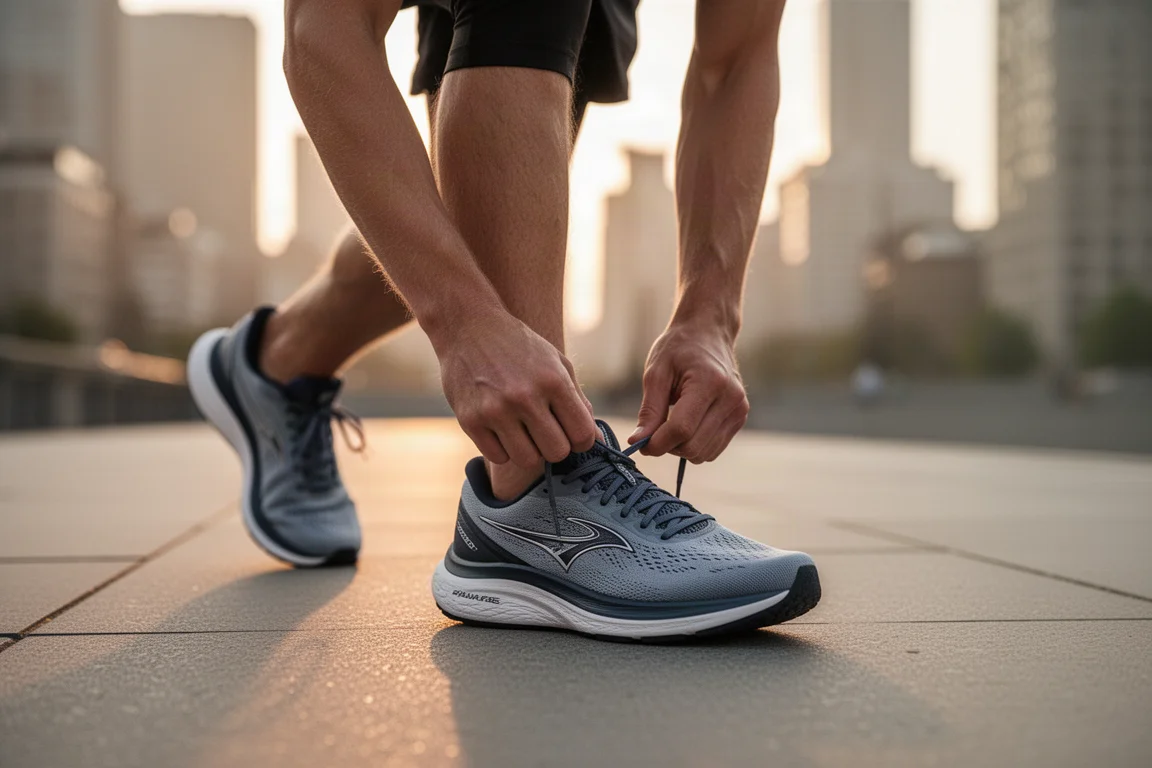
The Elipse came in at roughly 280 g in a size 10.5, just a few grams heavier than the 1080 V15, which is reasonable for a comfort-oriented trainer. The heel stack measured around 36 to 38 mm, which puts it lower to the ground than much of the current cushioned trainer field. That explains the sub-300 g weight, but it also means less protection underfoot than the numbers on paper suggest.
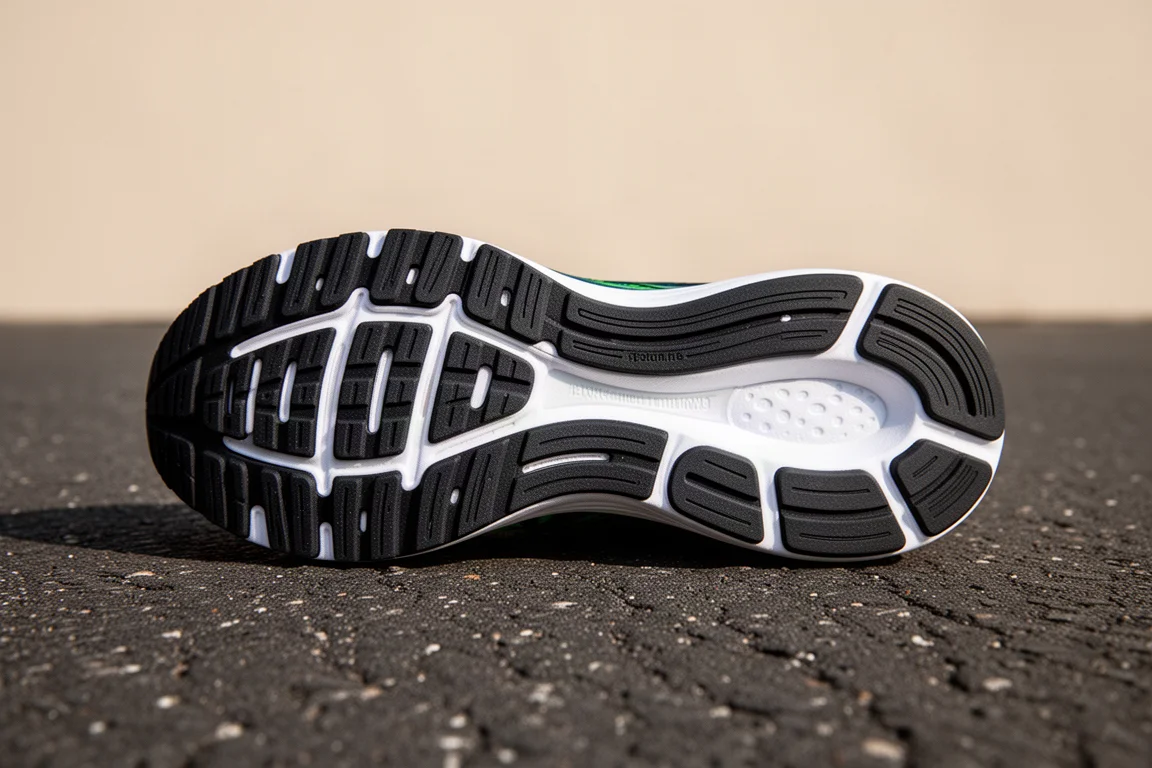
The outsole offers generous rubber coverage with a thick layer at the heel, which points toward solid durability. New Balance clearly did not chase weight savings by skimping on the rubber, a sensible choice for an entry-level daily trainer.
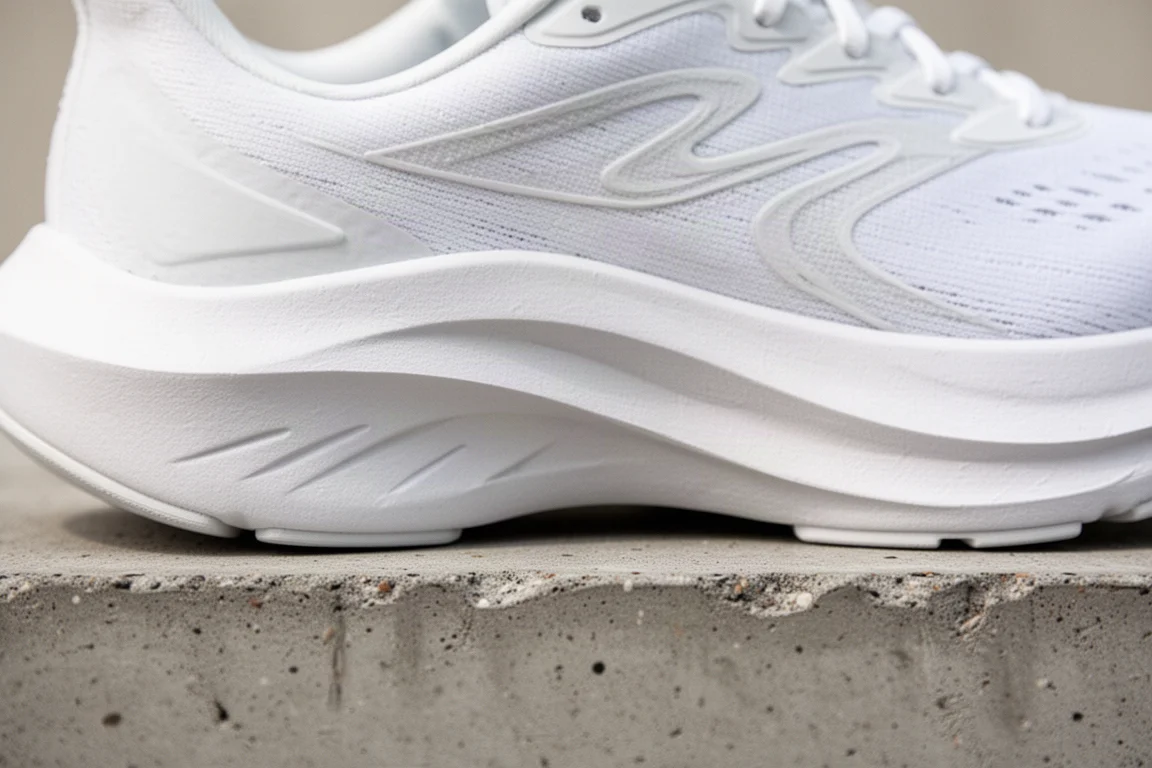
The foam is a Fresh Foam blend that feels decently soft when pressed, but it offers very little energy return in return. It is noticeably firmer and less lively than the Fresh Foam in older 1080 versions, suggesting a blend with more standard EVA, likely for durability at this price.
Ride Experience
Here is where the review turns. The ride is flat, uninspiring, and lifeless. There is essentially no rocker geometry, just a very gentle toe spring, and the shoe is predominantly flat from heel to forefoot. Combined with a soft heel and an 8 mm drop, it produces a sinking sensation at slower paces, with a noticeable heel clunk on relaxed jogs.
The forefoot feels noticeably thin. Within the first 10 minutes of running, it produced a bottoming-out sensation similar to the New Balance Rebel, especially when landing midfoot or forefoot. By the end of a 6-mile run, the forefoot felt even flatter and the suggestions of bounce had largely disappeared.

One pattern worth noting: the shoe feels better the faster you run. At around 7:40 pace it improved considerably, but at everyday 8 to 8:30 paces, the sluggishness is hard to ignore. Over longer efforts, the softer foam and lower drop make the shoe feel less protective than most of its competition.
Who This Shoe Is For
The Elipse is explicitly designed for people running 15 miles per week or less, doing 30 to 45 minute jogs, walk-run routines, or a first 5K. For that brief, it succeeds. It will be a genuine upgrade over running in casual sneakers, and its comfort and looks will win plenty of fans. Compared to its intended purpose, it is a solid B+ effort.
If you are a higher mileage runner or someone who cares about ride quality and energy return, the 1080 is the better New Balance option and worth the extra money.
Things to Consider Before Buying
The main drawbacks center on the ride. The foam variant here feels like one of the least lively versions of Fresh Foam to date: not as soft as past iterations and with almost no bounce. The flat geometry does nothing to generate forward motion, and the thin forefoot compresses quickly. Heavier runners or anyone pushing past an hour will feel these limitations sooner rather than later.
There is also a fit-and-feel quirk: the shoe feels weirdly heavier than its scale weight suggests, a function of weight distribution and the foam’s sluggish performance rather than raw grams.
Buying Advice
If your priorities are aesthetics, value, and step-in comfort, and your runs are short, the Elipse fits that brief. If you want a shoe that also performs as a serious running tool, look elsewhere in the lineup. The market at this price point is simply too competitive in 2026, with excellent discounted options available if you shop around.
How It Compares to the Competition
Against the entry-level daily trainer field, the Elipse is okay but not competitive as a performance product. The Nike Vomero 18 offers more protection and better mileage durability. The Puma Magnify 3 has livelier, bouncier foam, though it cannot touch the Elipse on design and cultural appeal. The Asics Novablast remains the king of the category with a far more energetic ride. And within New Balance’s own lineup, the 1080, and even discounted 1080 V14 pairs, are simply better running shoes.
Graded against its intended purpose, the Elipse earns a B+. Against the entry-level category, a B. Against everything else on the market, it falls well short. The looks and comfort are real strengths, but they do not compensate for a foam and geometry combination that struggles once you actually start moving.
Conclusion
The New Balance Elipse is a shoe of two halves. As a lifestyle product with excellent step-in comfort and one of the better-looking silhouettes in the category, it succeeds. As a performance running shoe, it does not, with a flat ride, thin forefoot, and foam that offers little in the way of bounce or protection. For short, casual runs and everyday wear, it is serviceable and stylish. For anyone serious about training, spend the extra money on the 1080 or hunt down a better performer on sale.
Product link
View more details for New Balance Elipse
This product is mentioned in the review. Check the specifications, options, and compatibility before buying.
View more details for New Balance ElipseFurther reading
Related Reviews

Running Shoes
Best Road-to-Trail Running Shoes: Three Versatile Options for Mixed Terrain
A practical guide to three road-to-trail running shoes that handle both pavement and mild trails, with clear strengths and trade-offs for different runner types.

Running Shoes
Best Running Shoes for Achilles Tendonitis: Three Options Explained
Three running shoes with different heel drops and support features designed to help reduce Achilles tendon pain during walking and running.

Running Shoes
Best Running Shoes for Women: Five Top Choices Ranked
A ranked guide to five women's running shoes, from versatile daily trainers to high-performance racing options, with real strengths and trade-offs for each.