Running Shoes
New Balance BOS V1: A 100-Mile Review of One of the Softest Shoes of the Year
After 100 miles of testing, including a 25-mile double day in peak marathon training, here is what holds up and what does not with New Balance's premium soft trainer.
Introduction
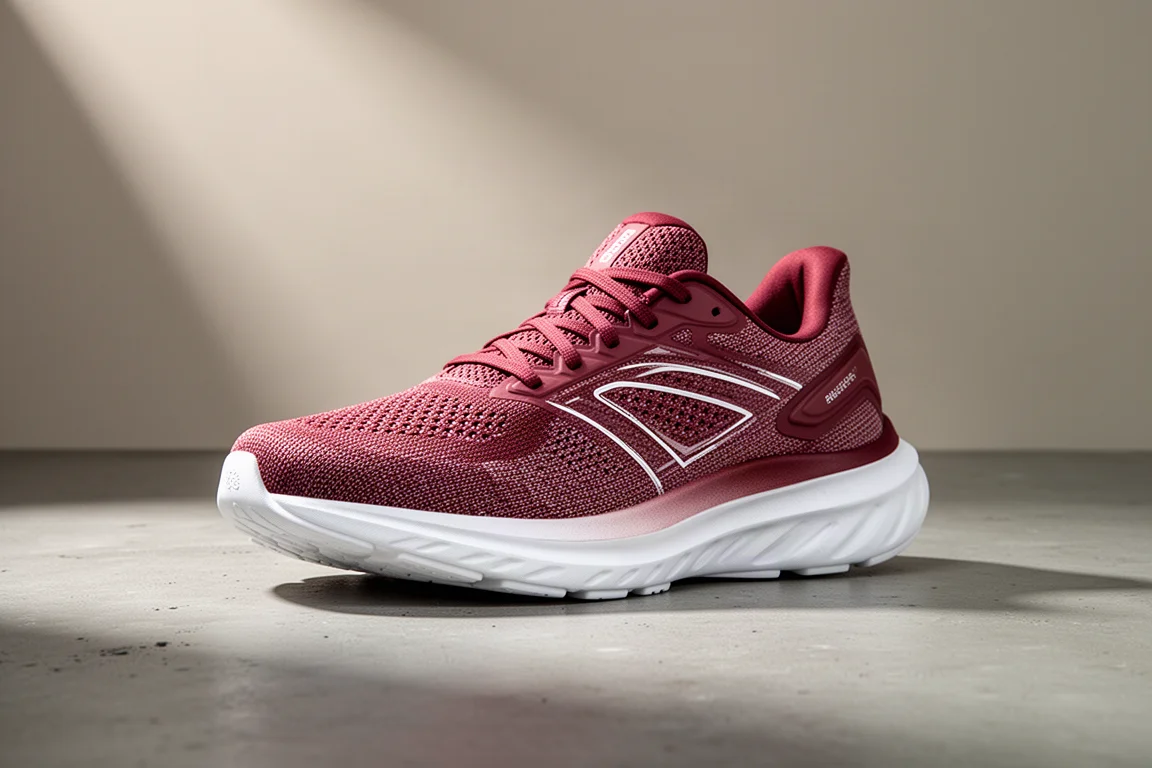
Some shoes earn their price tag through speed. The New Balance BOS V1 earns it through comfort. After putting 100 miles on this shoe, including a 25-mile double day during a peak marathon training week, the verdict is clear: this is one of the softest, most comfortable daily trainers on the market, and it is absolutely not for everyone.
The BOS V1 sits at $200, which puts it firmly in premium territory. The question is whether a soft, bouncy everyday trainer justifies that price. The short answer: if you love max cushion and prioritize comfort above all else, largely yes. If you want a firmer, more versatile shoe that can handle tempo work, your money may go further elsewhere.
Who This Product Is For
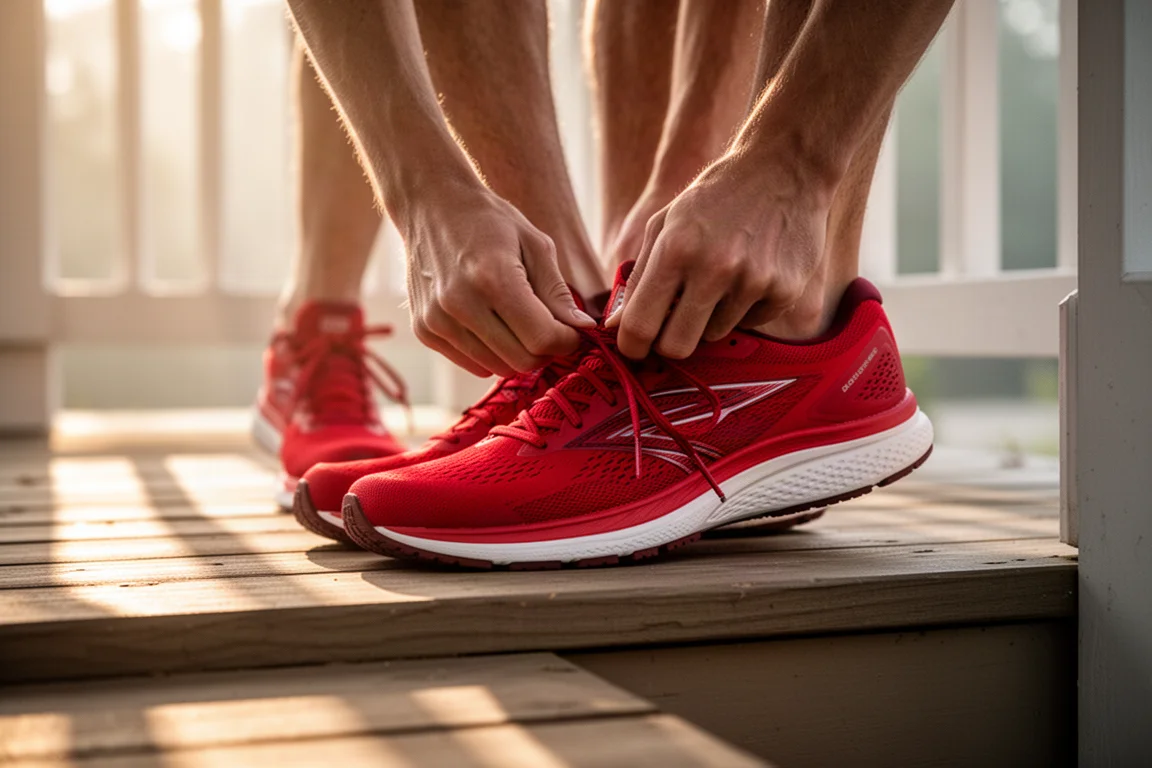
The BOS V1 is built for the runner who wants maximum softness in a daily trainer. If your running is mostly easy miles, recovery runs, and comfortable time on feet, this shoe fits that brief almost perfectly. The upper is one of the most accommodating tested this year, with a roomy toebox and no side rubbing, and the overall fit suits a wide range of foot shapes.
It is also a genuinely good-looking shoe. The tested colorway, called Infield Clay, leans into a collegiate red theme, and the shoe works well as a casual sneaker after your runs are done. That is not a small thing at $200: you are buying a training tool that also doubles as everyday footwear.
Skip this one if you dislike soft shoes. The ride is decidedly squishy and mushy, and firmer alternatives like the Saucony Hurricane 24, Brooks Ghost Max 2, or Norda’s softer max cushion options will serve you better if you want structure underfoot.
Main Strengths
Ride Experience: Soft, Bouncy, Buttery
The ride can be summed up in three words: smooth, soft, and bouncy. The midsole uses a dual-foam setup, blending PEBA race foam into a firmer training foam base. The firmer bottom layer adds stability and structure while reinforcing the rocker geometry, and the top layer delivers the comfort and bounce. The result feels like a mix of a max cushion shoe and a nimble daily trainer, with a stack height comparable to the More v5 but at a lighter weight.
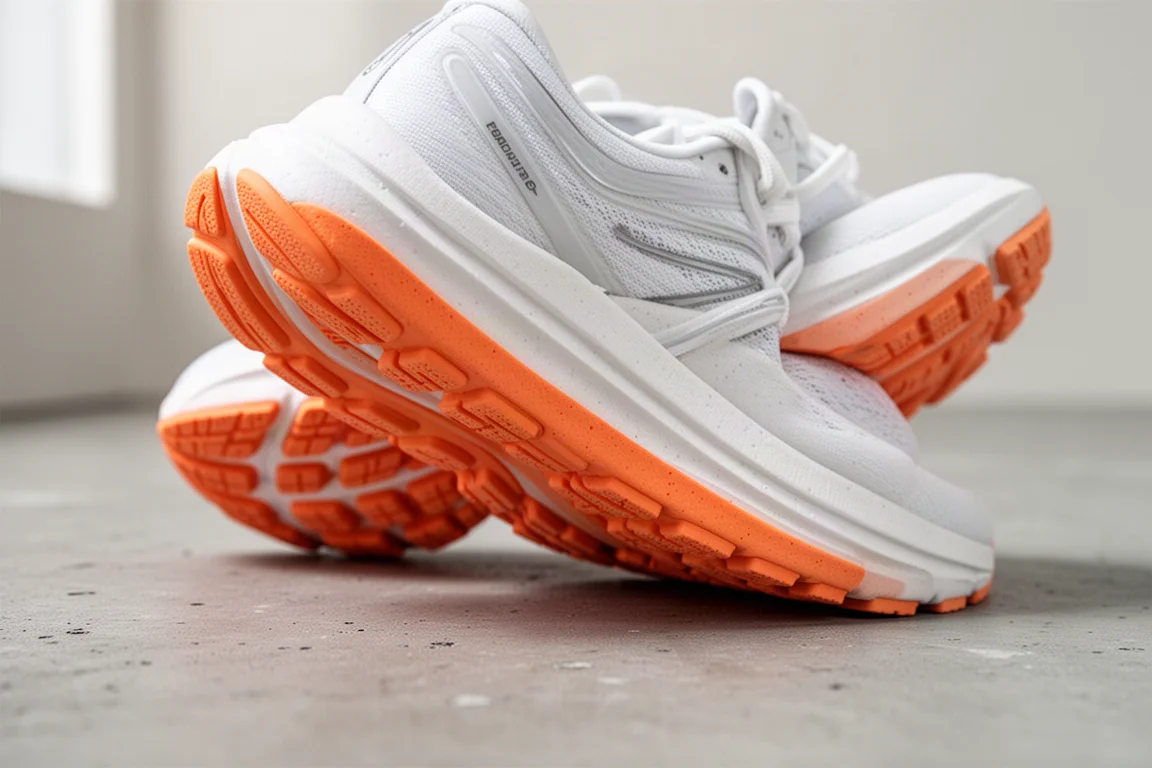
The rocker is worth calling out separately. It rolls beautifully and makes easy running almost effortless. At recovery paces in the 7:40 to 8:30 per mile range, the shoe is exceptional: plush, quiet, and deeply comfortable. It also has more bounce than a typical max cushion shoe thanks to that race foam blend, which gives it a fun, lively character at everyday paces.
Fit and Comfort
The comfort here is elite. The upper fits snugly through the midfoot with generous room up front, and slipping the shoe on feels remarkable every time. New Balance has arguably the most accommodating uppers of the year, and this shoe is a strong example of that. If comfort is your primary buying criterion, the BOS V1 belongs on your shortlist.
Comfort Under Heavy Mileage
The real test was a 17-mile morning run followed by 8 miles in the afternoon, pushing the shoe to 100 total miles during a 25-mile double day in hot, humid summer conditions. The cushioning never bottomed out. Even on tired legs in high heat, the foam kept its protective, soft character across the entire day. That is impressive for a shoe this plush.
Things to Consider Before Buying
Not Built for Fast Miles
Here is the honest limitation: the BOS V1 does not want to run fast. On tired legs, it gives more sink and squish than pop, and pushing down to 6:20 pace was simply not happening. It takes noticeably more effort to crank up the pace compared to a firmer trainer or a plated shoe, and it does not provide the speed assistance that dedicated tempo shoes offer. Think of it as a fun bounce rather than a speed bounce.
Durability Is Fine, Not Exceptional
At 100 miles, the outsole shows visible wear. The ground contact EVA is a firmer foam rather than rubber, so the rear foot area has rubbed down and a small hole has burned through on the outer edge of one shoe. Nothing felt unstable while running, but expect roughly 200 to 250 miles of usable life, maybe up to 300 depending on your stride. That is acceptable but not outstanding at this price.
Price and Alternatives
At $200, this is a significant investment. The Adidas Adizero SL2 at around $130 delivers roughly 70 to 80 percent of the function, though it is narrower, has a higher drop, and a less aggressive rocker. The New Balance 1080 v13 is another alternative within the same brand. If you want a max cushion shoe with more versatility, the Skyward X feels more adaptable, though the BOS V1 is arguably more cohesive than the Cloudmonster Hyper. If you already own and love a firmer trainer, you may not need this at all.
Buying Advice

The clearest way to frame the BOS V1: it is a superb soft recovery shoe and a good soft daily trainer, best kept to runs of up to about 10 miles at easy paces. It can handle a 17-mile long run, as testing showed, but that is near its ceiling of usefulness for serious mileage days. It is not a competitor to the Skyward X or Superblast; the SC Trainer V3 occupies that space for New Balance.
If you want something super soft, super comfortable, and are not concerned about stability or tempo performance, buy it with confidence. If you need a shoe that flexes across paces, look elsewhere. It also looks set up well as a winter shoe in milder climates, assuming the traction holds up, since the soft foam should feel even more comfortable in cooler temperatures.
Durability After 100 Miles
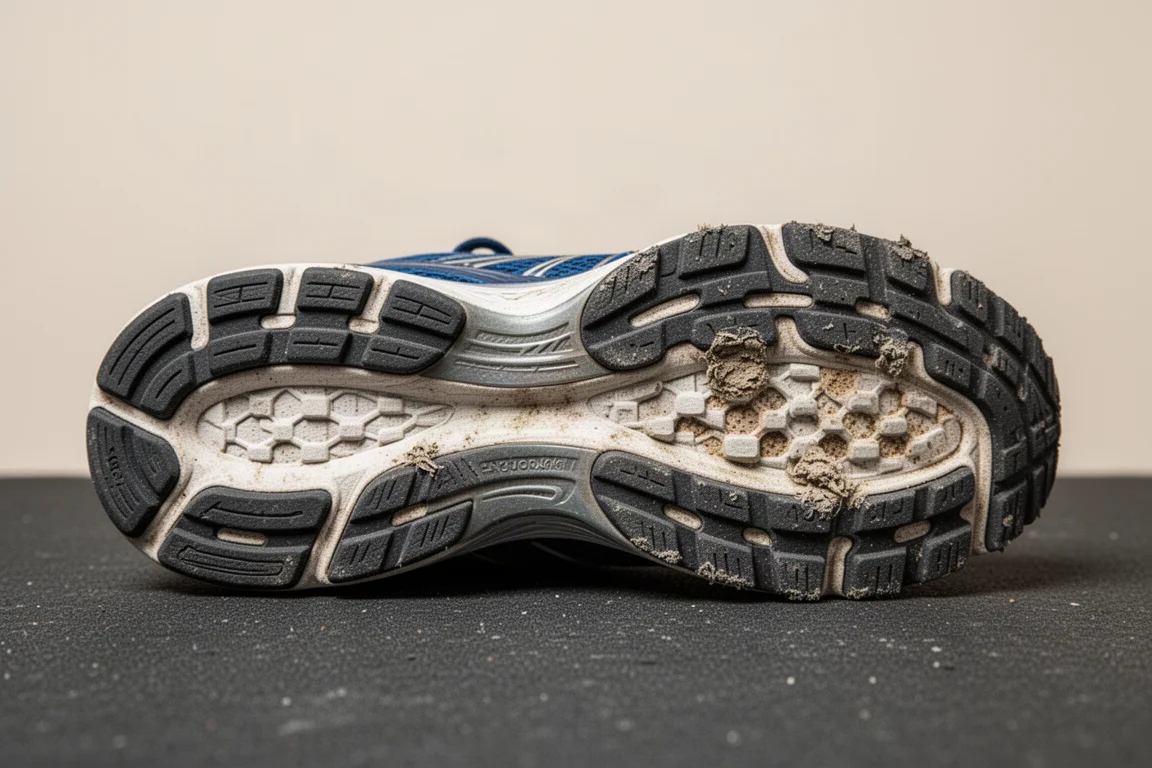
Flipping the shoe over at the 100-mile mark tells an honest story. The black rubber only covers a small section at the rear and a small pod at the front, with the rest of the contact surface being the orange ground contact EVA. That foam has worn through at the back and chewed through on the outer right side, though the front looks reasonably healthy. The foam is thick enough that the shoe still has clear life left, but buyers should go in knowing this is a foam-heavy outsole, not a rubber-heavy one.
Conclusion
The New Balance BOS V1 is exactly what it claims to be: one of the softest, most comfortable shoes on the market, with a beautifully smooth and bouncy ride at easy paces and an upper that fits almost everyone well. It handles high mileage days without bottoming out, and it looks good doing it.
Its limits are equally clear. It is expensive, it is too soft for tempo and race-pace work, and its outsole durability is average. If soft comfort is your priority and budget allows, this is one of the best picks in the category. If you want versatility for the money, firmer and cheaper options will serve you better.
Product link
View more details for New Balance BOS V1
This product is mentioned in the review. Check the specifications, options, and compatibility before buying.
View more details for New Balance BOS V1Further reading
Related Reviews

Running Shoes
Best Road-to-Trail Running Shoes: Three Versatile Options for Mixed Terrain
A practical guide to three road-to-trail running shoes that handle both pavement and mild trails, with clear strengths and trade-offs for different runner types.

Running Shoes
Best Running Shoes for Achilles Tendonitis: Three Options Explained
Three running shoes with different heel drops and support features designed to help reduce Achilles tendon pain during walking and running.

Running Shoes
Best Running Shoes for Women: Five Top Choices Ranked
A ranked guide to five women's running shoes, from versatile daily trainers to high-performance racing options, with real strengths and trade-offs for each.