Running Shoes
New Balance Balos vs Mizuno Neo Vista: Two Super Trainers Compared
Two soft, bouncy super trainers with nearly identical goals but different prices, stacks, and ride characters. Here's how they stack up.
Introduction
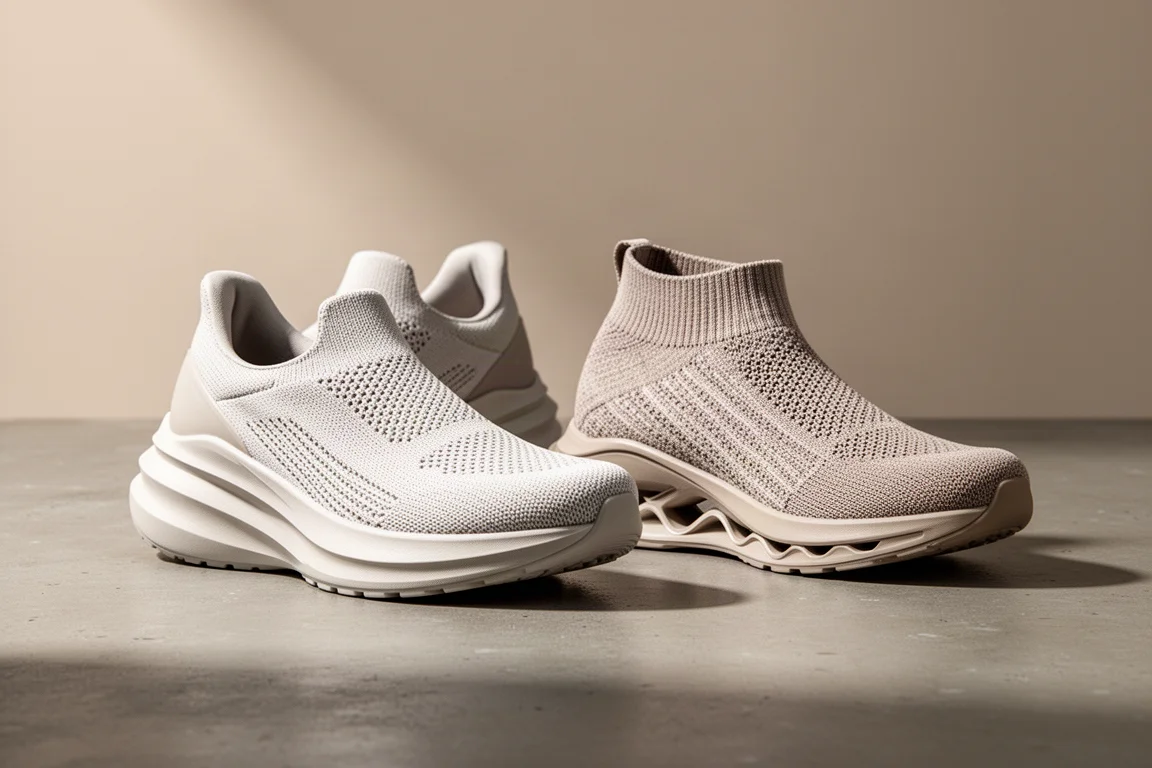
The New Balance Balos and the Mizuno Neo Vista are both super trainers built to make easy and long runs feel bouncy and fun, with enough versatility to handle faster running when needed. They sit in a similar weight class, cover the same kinds of runs, and share a soft-then-springy ride character that makes them genuinely enjoyable shoes to lace up. But there are meaningful differences in price, stack, and how each shoe delivers its energy return, and those differences will likely decide which one suits you.
The Spec Comparison
The numbers tell you a lot about where each shoe sits. The New Balance Balos costs £200 or $199.99, weighs 243g (8.6oz) for men in a size 8, and has a 6mm drop. The Mizuno Neo Vista costs £150 or $180, weighs 256g (9oz) for men in a size 8, and sits at an 8mm drop. So the Balos is slightly lighter with a lower drop, while the Neo Vista undercuts it significantly in the UK and brings a taller stack with a plate in the mix.
New Balance Balos: Soft, Bouncy, Plate-Free
The Balos may not have a plate, but the soft and bouncy PE-blended foam makes it a shoe that fits neatly into the world of super trainers designed for versatility. The midsole provides a high level of cushioning for easy runs yet allows you to pick up the pace thanks to impressive energy return and smooth rocker geometry.

Beyond the foam, there’s a healthy layer of ground-contact EVA on the outsole built to add protection and grip while helping keep the weight relatively low. The ride feels light on the feet and nimble, with a pronounced rocker and a soft bounce that pushes you forward rather than just up and down, drawing comparisons to the original Nike Invincible but with a more propulsive feel.
Mizuno Neo Vista: Plate-Assisted Versatility
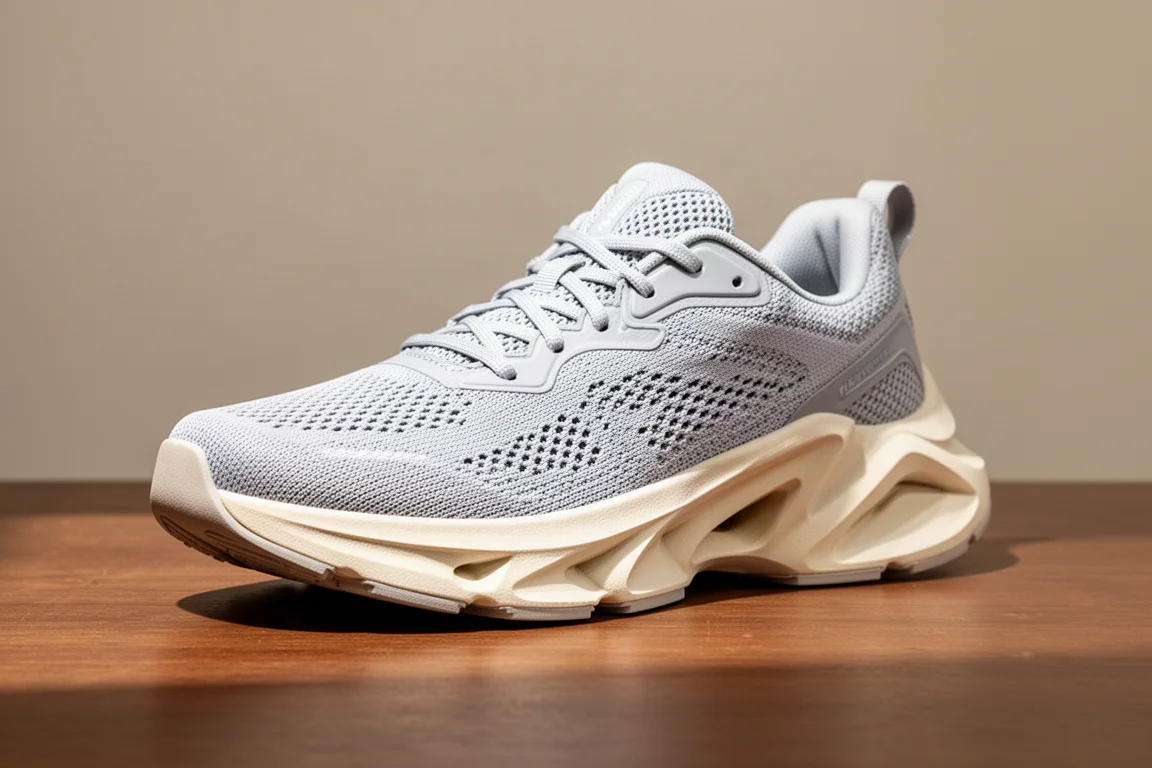
The Neo Vista is a super trainer designed to cover everything from easy runs all the way up to race day, and that versatility comes from the combination of the Mizuno Wave plate and a thick stack of Mizuno energy NXT foam. The pairing balances soft cushioning with a high level of energy return and bounce.
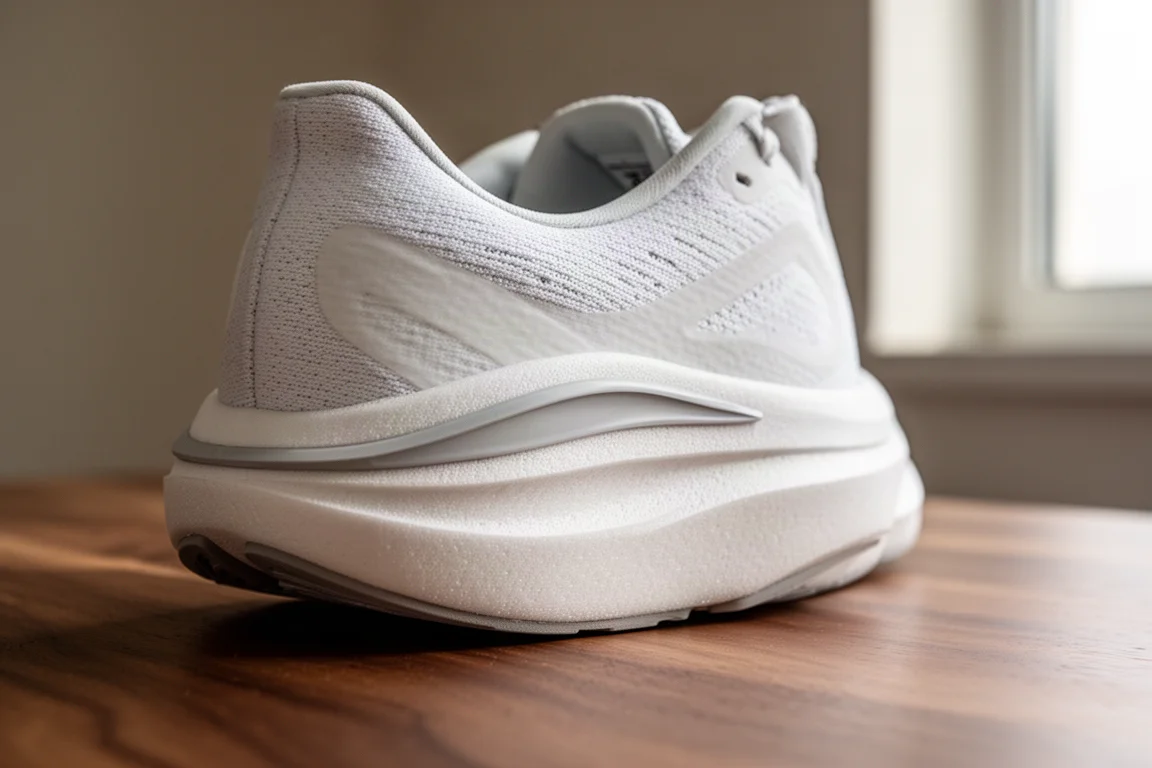
The shoe uses Mizuno’s smooth speed assist geometry to promote a smooth transition, alongside a wide heel bevel that guides the foot on landing for an efficient, comfortable ride at any distance. A cavity in the center of the midsole plays a big part in keeping the weight down despite the tall stack, and there’s good rubber coverage on the outsole for grip and midsole protection.
View more details for Mizuno Neo Vista
Upper and Fit: Simple vs Stretchy
Both shoes fit true to expectations in US sizing, with testers finding similar length and toe room in the same US size, though one runner needed a half-size-down adjustment on the Neo Vista to land on a familiar fit.
The Balos upper combines a breathable engineered mesh with a knit tongue and plenty of padding around the ankle collar. It’s a simple, well-executed upper that holds the heel well, with a slightly shallow forefoot that most runners won’t notice but some might.
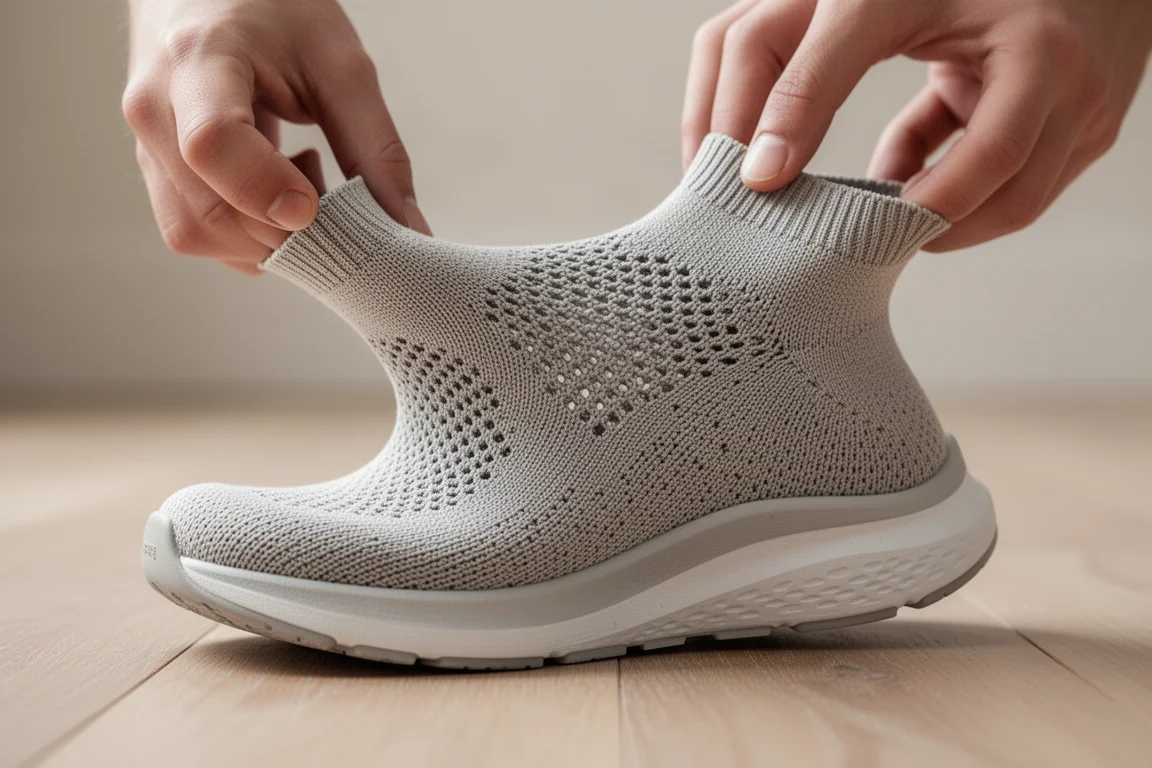
The Neo Vista uses a knitted bootie design that gives a stretchy, roomier fit and good ventilation. That extra fabric is divisive: some love the security, others feel the structure softens on corners and that the bulk of the bootie makes the shoe feel slower than it is on faster runs. Neither upper is a dealbreaker, but the Balos’s simpler construction wins on feel for more runners.
Ride Test: Where They Differ
In back-to-back runs, the two feel remarkably similar: both sink in and spring back with strong energy return, and both excel on long, easy runs where they make the miles genuinely fun. Both also have enough versatility to handle faster sessions.
The plate is the noticeable difference. The Neo Vista delivers a slightly more consistent level of energy return that holds up better deep into a run, particularly on longer hard efforts, with a lovely flowing rolling action from the plate, foam, and rocker working together. The Balos is softer, lighter on the foot, and nimble, and for many testers it feels more enjoyable for relaxed daily running, though its foam can lose a little of its punch at the start of a run if you push the pace hard for a long time.
The Verdict: Which One Should You Buy?
If price matters, the Neo Vista is the smarter buy. In the UK the gap is stark at £50, and even in the US the $20 saving comes with a slightly more consistent ride on long fast runs thanks to the plate and taller stack. For an all-rounder, the Mizuno is the easy pick at this price.
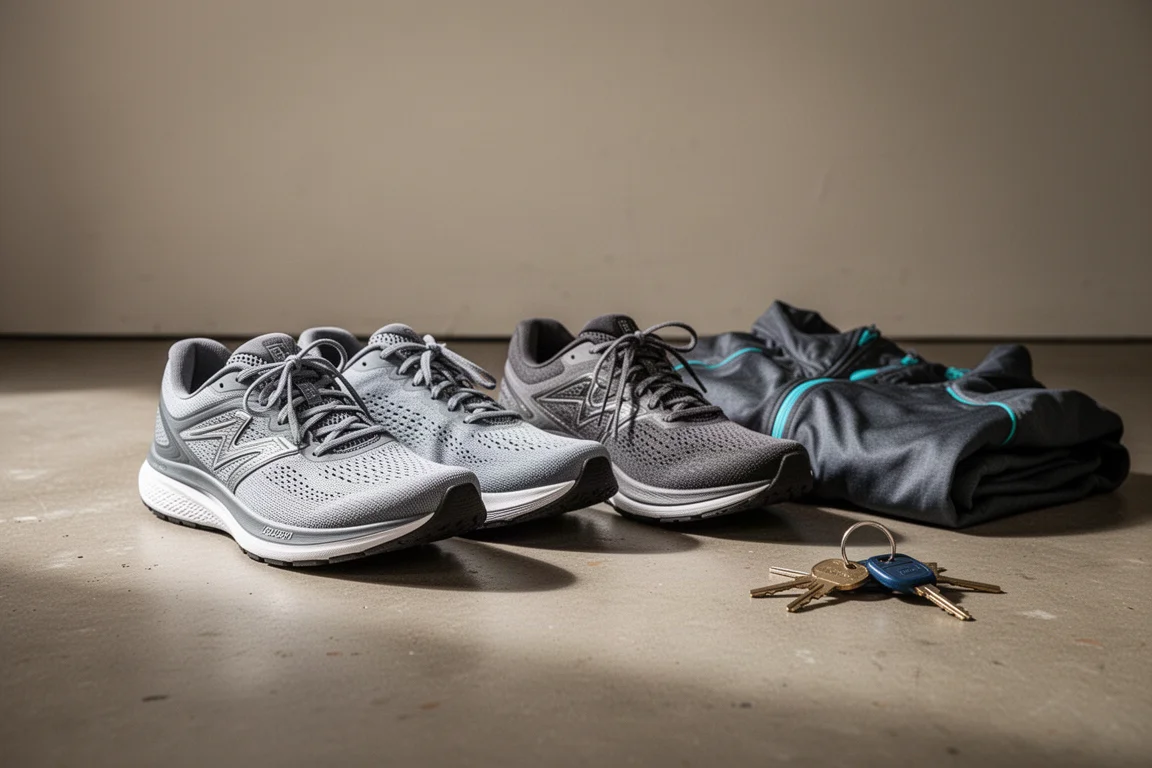
If price is no obstacle, the Balos appeals purely on feel: it’s lighter, nimbler, and the soft bouncy ride works beautifully for easy sessions and daily training. Neither choice is wrong. These are two genuinely great shoes, and the one you pick comes down to whether you value that plate-driven consistency or the lighter, softer, more playful ride.
Conclusion
The Balos and Neo Vista prove that super trainers have matured: both are fun, versatile, and comfortable across the full range of training runs. Choose the Neo Vista for the better value and more consistent long-run performance, and the Balos if you’re happy to pay more for a lighter, bouncier everyday feel.
Further reading
Related Reviews

Running Shoes
Best Road-to-Trail Running Shoes: Three Versatile Options for Mixed Terrain
A practical guide to three road-to-trail running shoes that handle both pavement and mild trails, with clear strengths and trade-offs for different runner types.

Running Shoes
Best Running Shoes for Achilles Tendonitis: Three Options Explained
Three running shoes with different heel drops and support features designed to help reduce Achilles tendon pain during walking and running.

Running Shoes
Best Running Shoes for Women: Five Top Choices Ranked
A ranked guide to five women's running shoes, from versatile daily trainers to high-performance racing options, with real strengths and trade-offs for each.