Running Shoes
New Balance 880 V15 vs Saucony Ride 18: Two Daily Trainers Compared
Two cushioned daily trainers that do almost the same job at a similar price. We compare fit, ride feel, outsole durability and who each shoe suits best.
Introduction
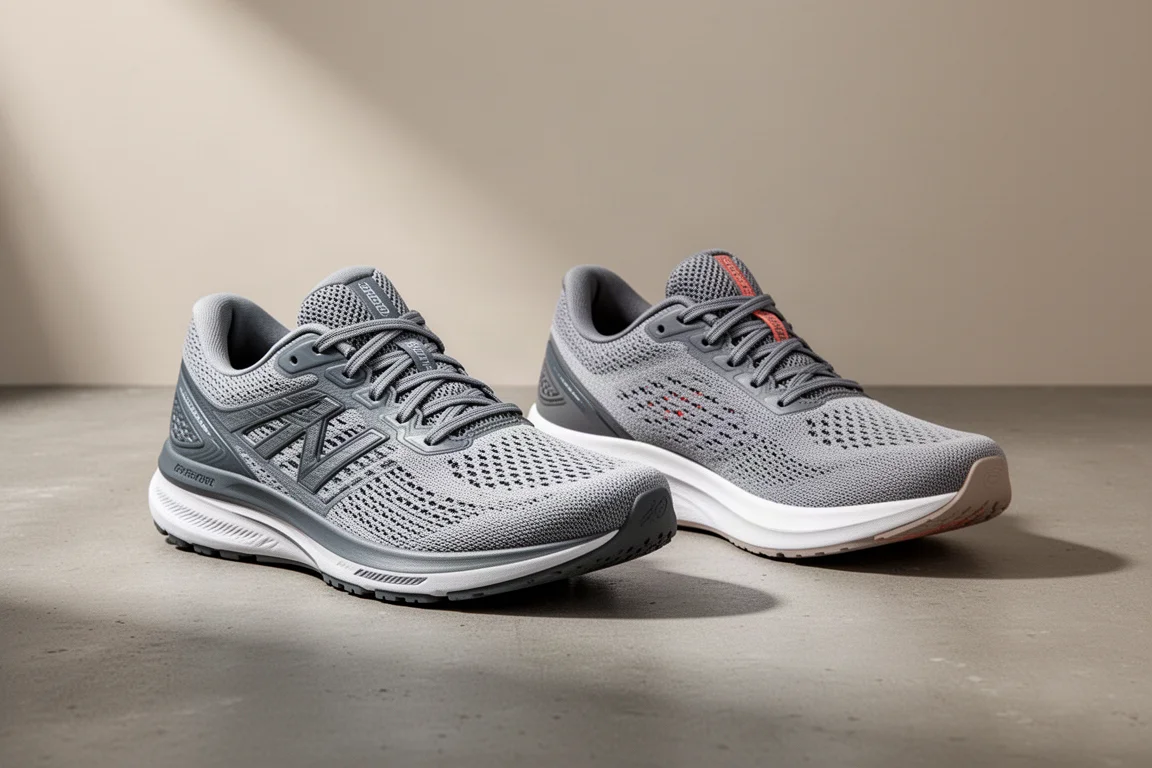
The New Balance 880 V15 and the Saucony Ride 18 sit in almost exactly the same slot: cushioned daily trainers built to eat up miles in comfort, priced within about ten pounds of each other. That makes them an obvious head-to-head for anyone putting together a rotation between an easy-day shoe and something faster.
After running in both, the honest takeaway is that they are very comparable shoes. The differences that matter most are not in performance but in fit, feel underfoot and how smooth the ride transitions from heel to toe.
At a Glance
The New Balance 880 V15 costs £140 ($139.99), weighs 275g (9.7 oz) for men in a size 8 and has a 6mm drop. It uses a Fresh Foam midsole with increased stack height and redesigned geometry compared to the previous version, aiming for a balanced ride, good support and a smooth heel-to-toe transition. The upper is a structured engineered mesh, and the outsole combines rubber at the front and back with some exposed midsole foam in the center. It is available in standard, wide and extra wide versions.
The Saucony Ride 18 costs £130, weighs 266g (9.4 oz) for men in a size 8 and has an 8mm drop. The biggest update over the Ride 17 is the addition of PWRRUN+ foam in the midsole, designed to make the shoe lighter, softer and more responsive with better energy return. The outsole targets improved durability and grip, with flex grooves towards the front for a smoother ride, and there is a new engineered mesh upper plus an updated heel collar for cushioning. It is available in a wide version.
Fit and Feel: Very Different Shoes Under the Laces
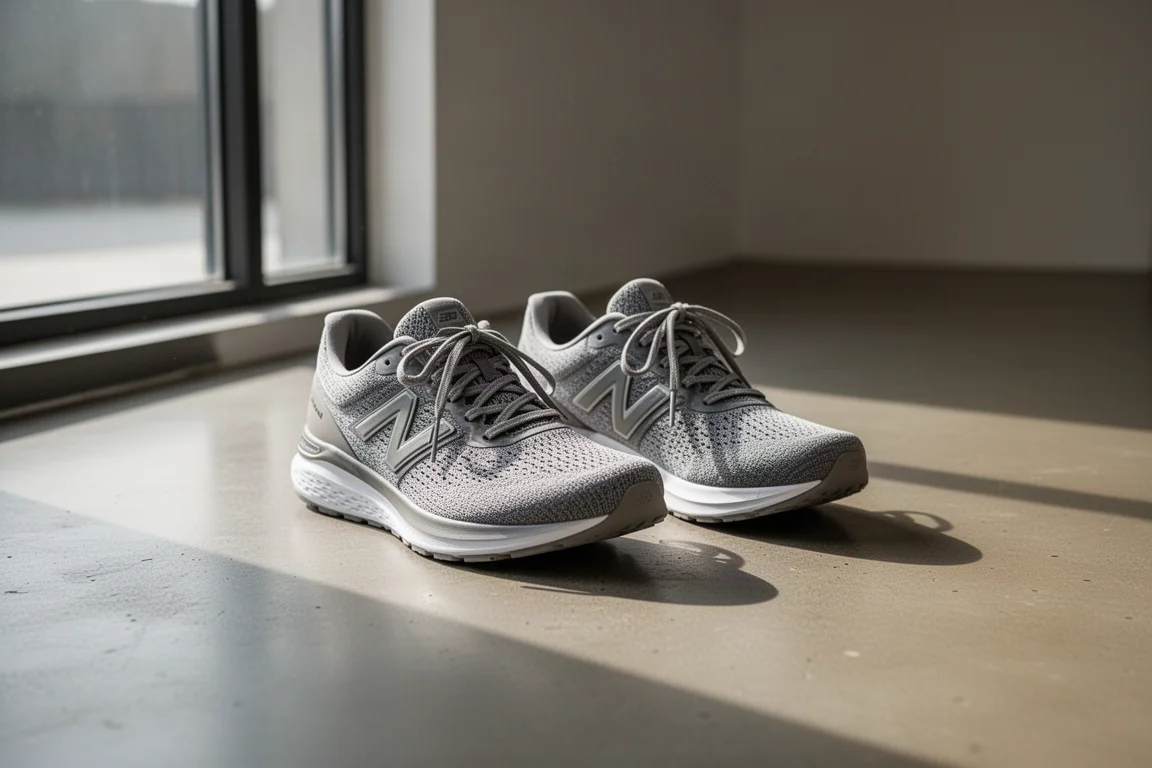
This is where the two shoes genuinely diverge. The 880 V15 is a fairly restrictive shoe. The first couple of runs felt tight around the midfoot and forefoot, and it took roughly five runs to loosen up. Even then it remains a snug shoe, with limited space before the big toe and around the sides of the foot. Runners with narrower feet, or those who sit at the edge of their size, should be fine. Anyone wanting extra room may want to go up half a size.
The Ride 18 is the opposite. It is a really roomy shoe with generous space before the big toe and plenty of forefoot volume. The upper is loose around the forefoot, though not baggy, and lockdown is still solid. Most people will be fine in their normal size, but if you prefer a closer fit, it is a shoe where sizing down half a size is worth considering.
Ride Performance
The Ride 18 is a nice progression from the Ride 17 rather than a dramatic departure. The midsole has a touch more softness and feels a bit more comfortable overall, while keeping the balanced, slightly responsive character that made the Ride 17 such a solid daily shoe. The balanced midsole gives it real versatility: you can pick up the pace for tempo work or fartlek sessions, and it would be fine for everything from easy runs to race day for more general runners. It is probably not the shoe for all-out interval sessions or for chasing major performance gains.
In fact, the Ride 18 delivers much of what a top-of-the-line premium cushioned trainer used to offer: comfort for long sessions, some energy return for steady pace work and a smooth heel-to-toe transition. It is a very good all-round shoe for daily training.
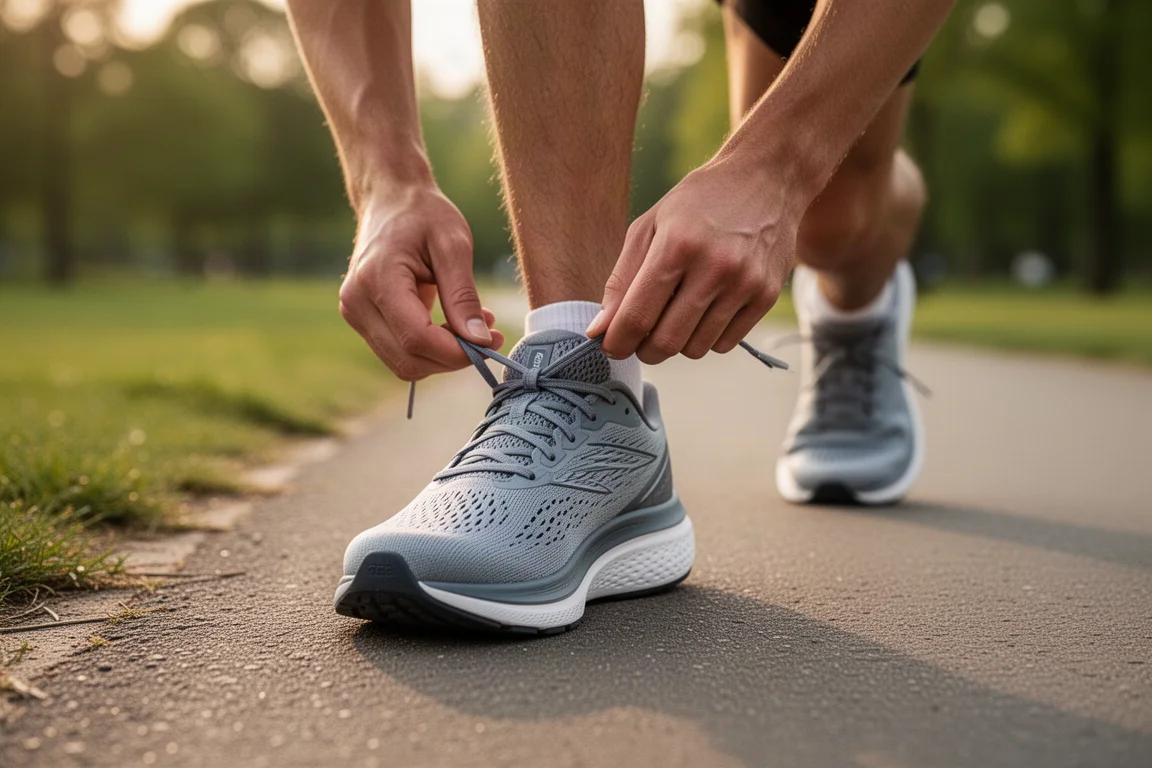
The 880 V15 is very similar in what it does. It has a nice balanced midsole that is not too soft, a good turnover and a very comfortable ride. It is versatile in all the same ways and firmly sits in the comfort world. Choosing a favorite between the two on ride quality alone is genuinely difficult.
Both shoes are also notably stable, because that balanced midsole is not too soft. That is a real bonus for daily mileage.
Outsole and Durability
The 880 V15’s outsole is very good. It has a solid, fairly thick layer of rubber at the front and back, with a big section of exposed midsole in the middle, but the Fresh Foam is sturdier than in many daily shoes. After around 70km there are no signs of wear and no grip issues.
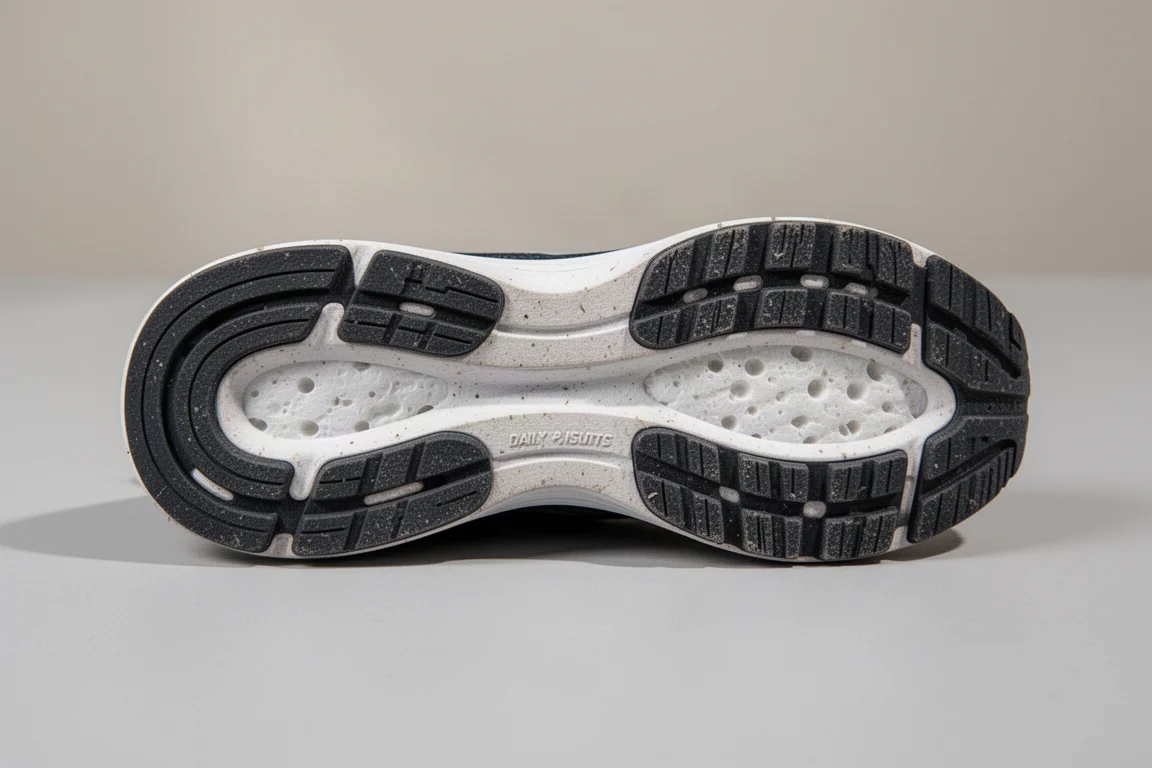
The Ride 18 has a similar level of rubber, quite chunky in places, over a sturdy midsole foam. There is minor wear where the tester pronates and scuffs the shoe, but the rubber itself has barely been touched. Both outsoles are very comparable and both hold up well.
Which One Should You Buy?
These are “holiday shoes” in the best sense: if you want one shoe to pack for a training block and use for easy runs, longer sessions, and even some faster reps, both tick those boxes. Neither is the pick if you want major performance gains, a lighter racing feel or a carbon plate.
They are similarly priced, do very similar jobs and are both stable, comfortable, versatile daily trainers. The deciding factor really comes down to fit and feel. The 880 V15 suits runners who want a snugger, more structured upper and wider sizing options up to extra wide. The Ride 18 suits runners who want a roomy forefoot, a slightly smoother heel-to-toe transition and a touch more softness, and it is the slightly cheaper of the two in the UK.

Conclusion
The Ride 18 just edges it on ride smoothness and transition, but there is very little between these two shoes. Both are fantastic, cost-effective options for a daily shoe that can do a lot, and either would be a happy addition to a rotation.
Product link
View more details for New Balance 880 v15
This product is mentioned in the review. Check the specifications, options, and compatibility before buying.
View more details for New Balance 880 v15Further reading
Related Reviews

Running Shoes
Best Road-to-Trail Running Shoes: Three Versatile Options for Mixed Terrain
A practical guide to three road-to-trail running shoes that handle both pavement and mild trails, with clear strengths and trade-offs for different runner types.

Running Shoes
Best Running Shoes for Achilles Tendonitis: Three Options Explained
Three running shoes with different heel drops and support features designed to help reduce Achilles tendon pain during walking and running.

Running Shoes
Best Running Shoes for Women: Five Top Choices Ranked
A ranked guide to five women's running shoes, from versatile daily trainers to high-performance racing options, with real strengths and trade-offs for each.