Running Shoes
New Balance 880 v15 vs 1080 v14: Which Daily Trainer Suits You?
Two New Balance daily trainers with very different personalities: a softer, roomier cruiser and a snappier, more energetic ride. Here is how to choose.
Introduction
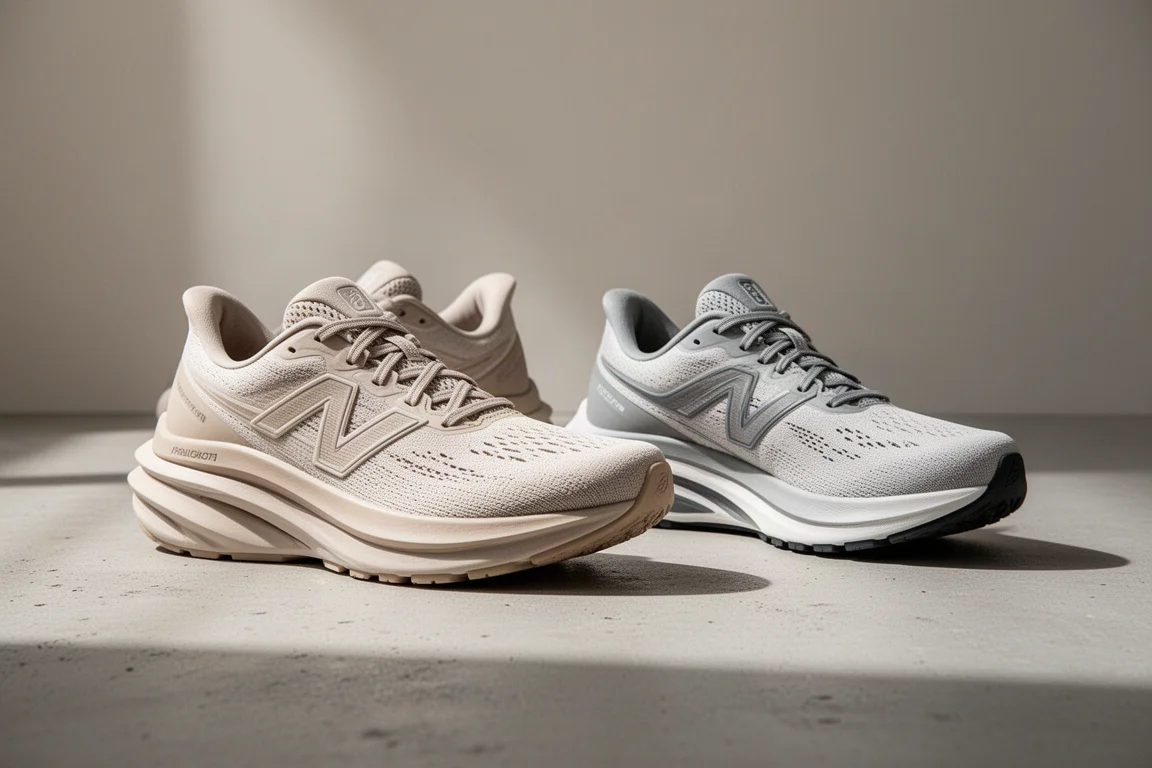
For years, the New Balance 880 lived in the shadow of the 1080 as a cheaper, more basic alternative. That has changed. The 880 v15 arrives with a bigger stack, new uppers, and a distinct ride that sets it well apart from its more expensive sibling. Now the question is not which one is better, but which one fits your running style. Both are comfortable daily trainers built to churn out big mileage, and both are well suited to beginners.
Specs at a Glance
The 1080 v14 measures 38mm in the heel and 32mm in the forefoot, with a 6mm drop. The 880 v15 actually has the bigger stack at 40.5mm in the heel and 34.5mm in the forefoot, with the same 6mm drop. In a US men’s 9.5, the 1080 v14 weighs 10.1 oz (285g), slightly lighter than the 880 v15 at 10.6 oz (299g).
On price, the 1080 v14 comes in at $165 or £160, while the 880 v15 is $140 or £140.
Midsole and Ride
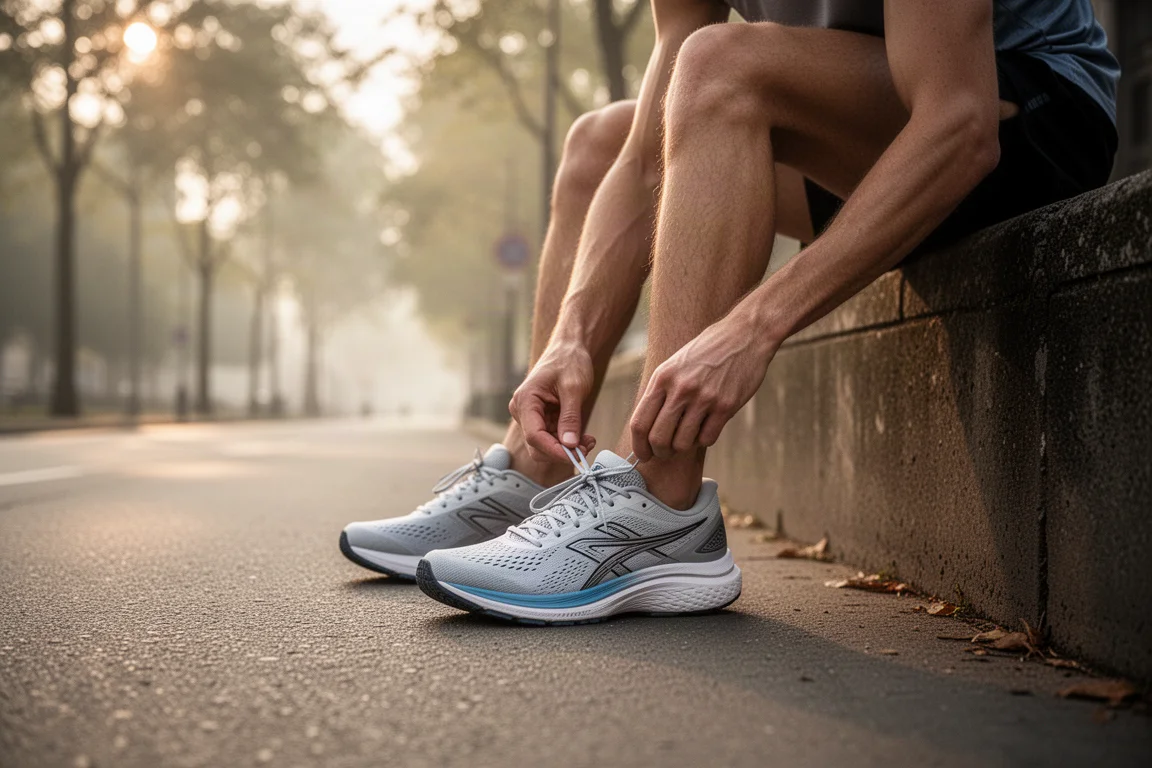
Both shoes use Fresh Foam X, but the same name hides two noticeably different foams. The 1080 v14 has an increased stiffness in the forefoot compared with the v13, adding resilience and smoother transitions. The ride is more immediate, with quicker foam response and a bit more snap, though it still ticks every box for plush, max-cushion comfort on easy days.
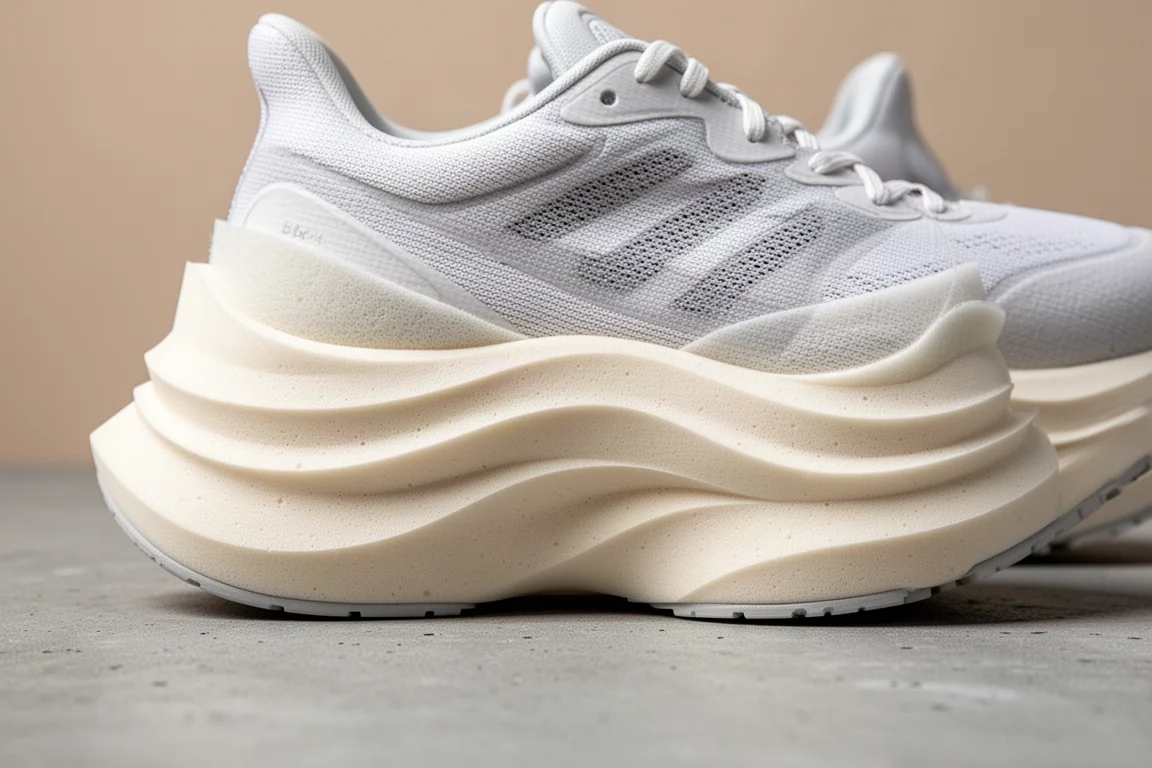
The 880 v15 is the bigger surprise. Despite its generous Fresh Foam X wedge, it is not marshmallow soft. It feels firmer and denser than some rival big-stack shoes, but the foam is notably softer than the 1080 v14’s. In a side-by-side comparison, the 1080 returned energy faster and urged a quicker pace, with a more pronounced rocker and smoother roll-through. The 880 cradles and cushions, taking the edge off the road without feeling sludgy or squishy.
Fit and Comfort
Both shoes pair their midsoles with flexible, breathable engineered mesh uppers, highly padded heel collars, and cushioned gusseted tongues. Lockdown and heel hold are solid in both.
The fit itself is where they diverge. The 1080 v14 runs snug, notably so in the toe box, with a more wrapped, less airy feel across the midfoot. If you have high insteps or prefer a roomier fit, it is worth considering going up half a size. The 880 v15 is more spacious and flexible up front, with real wiggle room in the toe box and a more accommodating overall feel.
Which One Should You Buy?
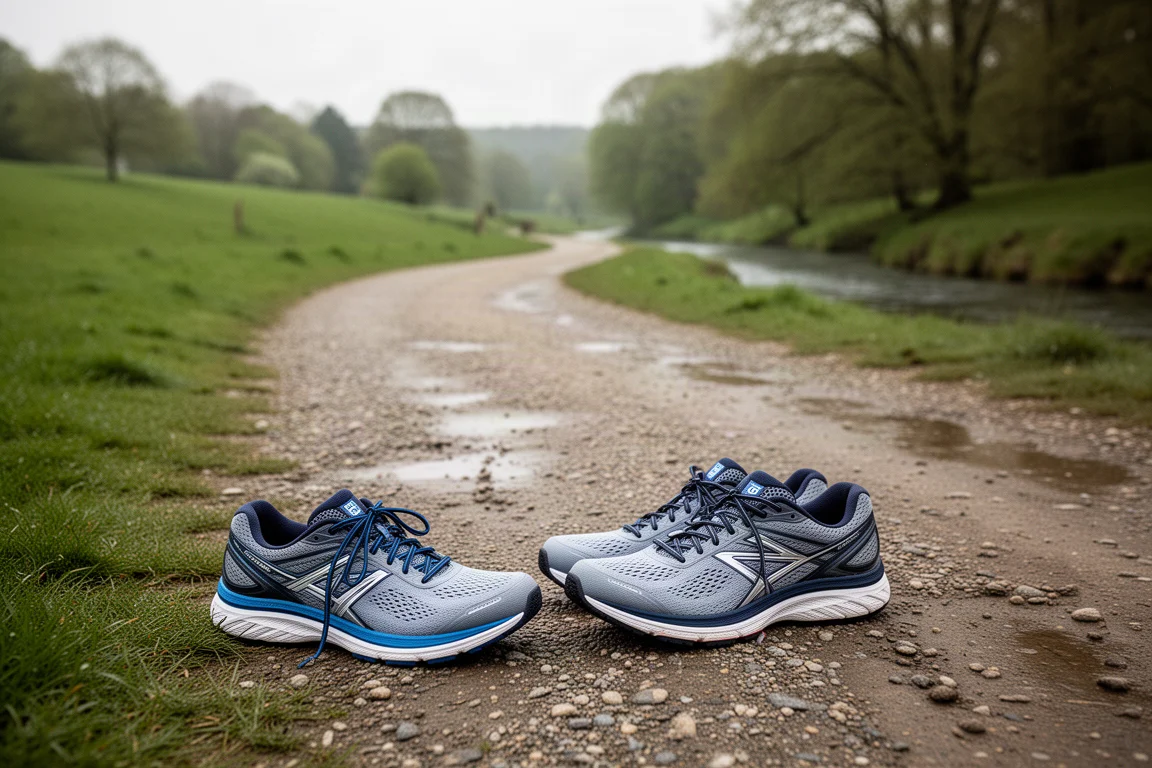
If the 880 is your go-to easy-day shoe for relaxed, lower-pace, longer miles, it delivers reliable comfort and good stability. If you want more versatility, longer miles with some pace, or the option to drop faster intervals into a long run while keeping cushioning and protection, the 1080 v14’s energetic, rolling ride covers a wider range of your weekly miles.

Both options make sense for beginners or general runners looking for one comfortable shoe, and the decision really comes down to midsole feel and budget. The 880 v15 is also a genuinely strong value at its price point, and it has become a surprisingly capable all-around trainer rather than a budget consolation prize.
Conclusion
Two workhorses, one clear split: the 880 v15 for softer, roomier easy-mile comfort at a friendlier price, and the 1080 v14 for a snappier, more versatile daily ride. Pick based on how you like your foam, and you will not go wrong with either.
Product link
View more details for New Balance 880 v15
This product is mentioned in the review. Check the specifications, options, and compatibility before buying.
View more details for New Balance 880 v15Further reading
Related Reviews

Running Shoes
Best Road-to-Trail Running Shoes: Three Versatile Options for Mixed Terrain
A practical guide to three road-to-trail running shoes that handle both pavement and mild trails, with clear strengths and trade-offs for different runner types.

Running Shoes
Best Running Shoes for Achilles Tendonitis: Three Options Explained
Three running shoes with different heel drops and support features designed to help reduce Achilles tendon pain during walking and running.

Running Shoes
Best Running Shoes for Women: Five Top Choices Ranked
A ranked guide to five women's running shoes, from versatile daily trainers to high-performance racing options, with real strengths and trade-offs for each.