Running Shoes
New Balance 880 v14 First Run Review: A Reliable, No-Frills Daily Trainer
The 880 v14 returns with a full Fresh Foam X midsole, durable rubber coverage, and a deliberately traditional ride. Here is how it performs after a first run with strides.
Introduction
The New Balance 880 v14 sits in one of the most competitive corners of the running shoe market: the moderately cushioned daily trainer. Rivals like the Adidas Supernova Rise, Nike Pegasus, and Puma Velocity Nitro 3 all crowd this segment, so the 880 has to earn its place. After a first run of 8 miles with strides, this is a shoe that does not try to wow you with new technology. Its whole appeal is being dependable, balanced, and refreshingly simple.
First Impressions and Design
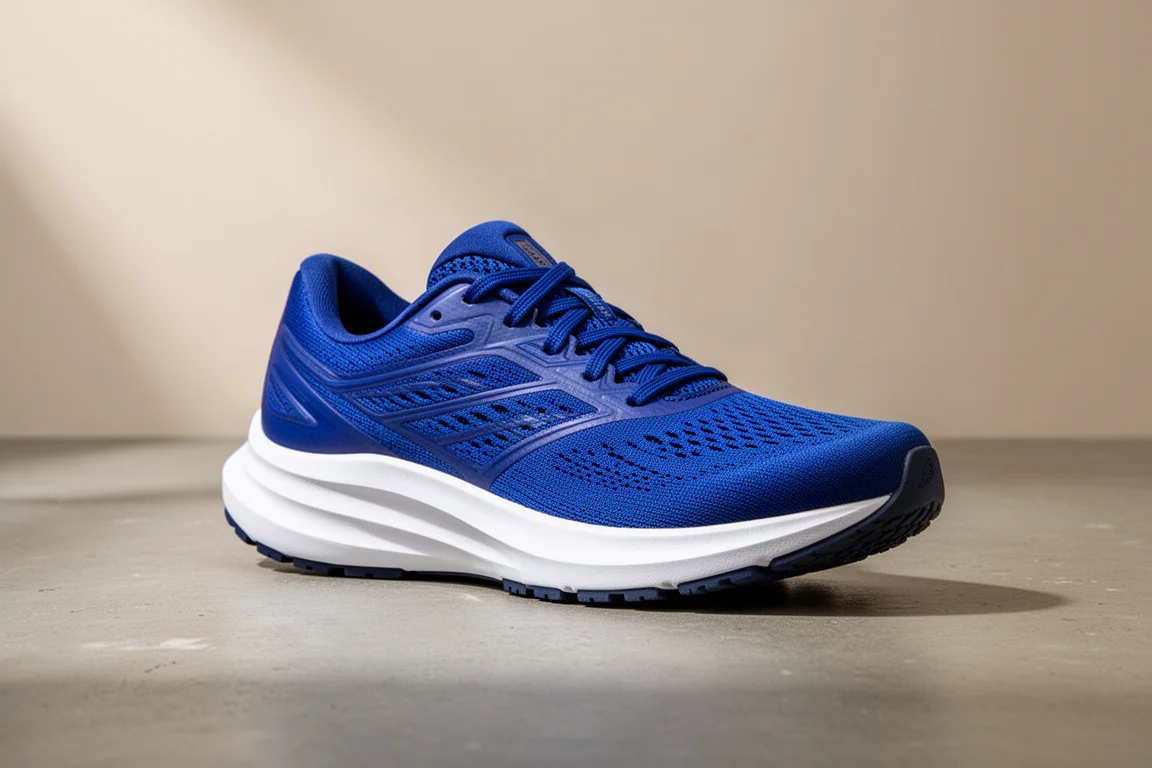
Out of the box, the test pair came in an extremely vibrant royal blue, about as saturated as royal blue gets. If you prefer a more muted look for a daily trainer, it may not be your first choice of colorway. The upper uses a thicker mesh with some stretch, plus a structured toe piece that should add a bit of protection in wet weather.
Around the heel there is decent but not excessive padding. This shoe is noticeably more streamlined than the New Balance 1080 v13, with a similar lacing system and a very rigid heel counter that cannot be pushed in at all. That stiffness may bother runners who dislike structured heel counters, and the interior heel is not heavily padded, so it could be a potential hotspot for some.
Midsole and Ride Feel
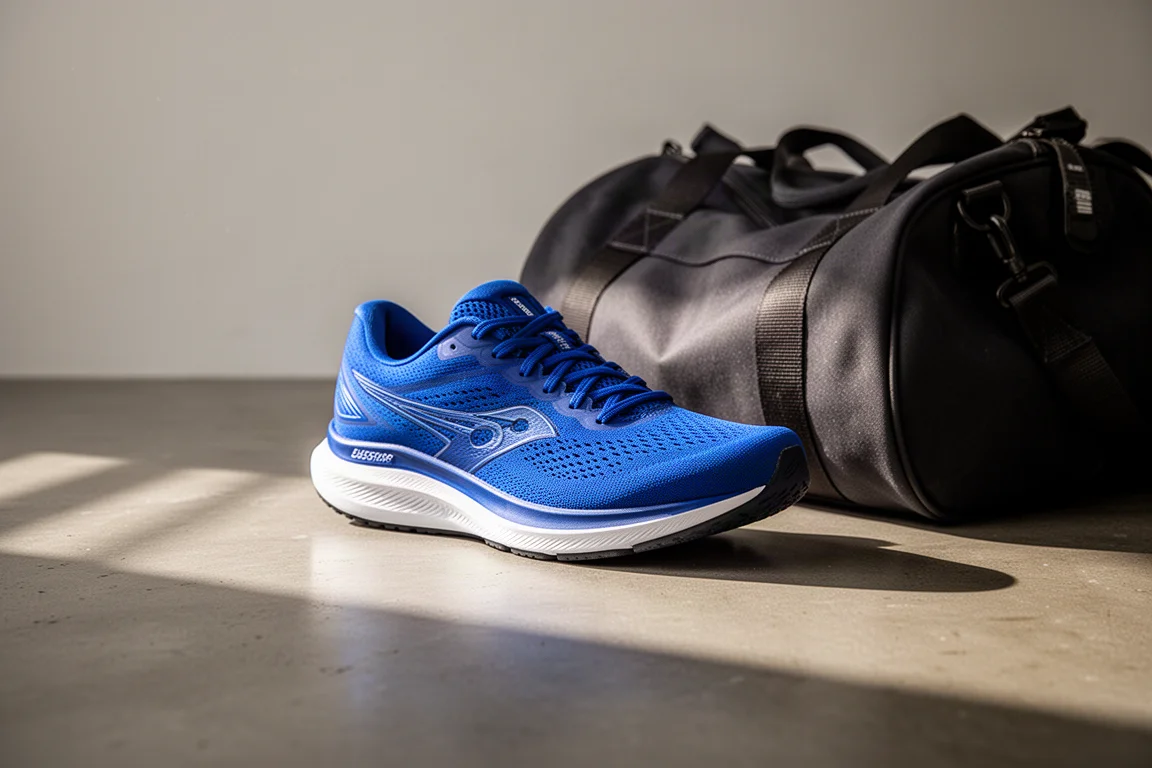
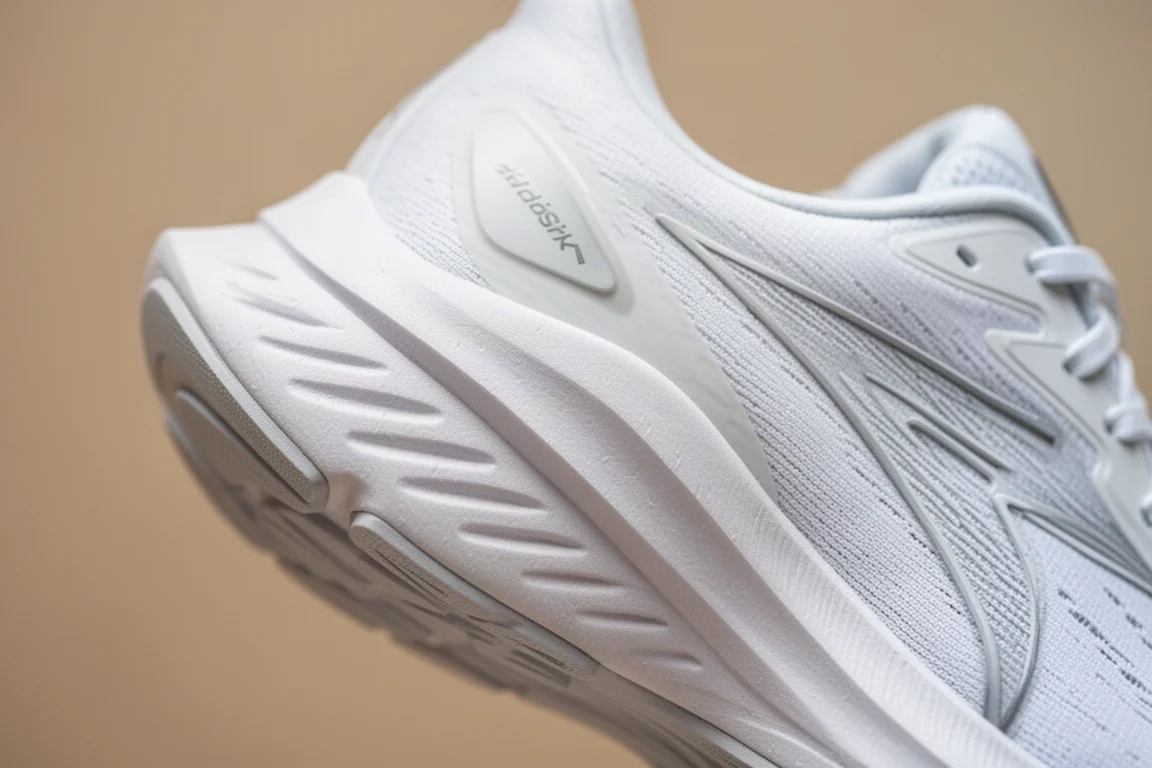
The big update for v14 is a full bed of Fresh Foam X in the midsole, replacing the previous dual-density setup and streamlining the platform. Under thumb pressure, this foam feels considerably firmer than the Fresh Foam in the 1080 v13. New Balance appears to be aiming for a more durable EVA-forward compound with a more traditional feel rather than a soft, bouncy modern ride.
Out on the road, that firmness is exactly what you get. There is no plated propulsion, no aggressive rocker, and no supercritical foam here. It is a straight, moderately stacked, moderate-drop trainer that sits dead center on almost every metric. The first 30 minutes felt a touch rigid, but the foam softened noticeably in the back half of the run as it warmed up and began conforming to the foot.
One surprise came during strides at the end of the run. With firmer foams, you often expect decent pop when picking up the pace, but the forefoot felt slightly mushy at speed. This is not a shoe for fast workouts, and the Pegasus and Velocity Nitro 3 both feel more lively when running quicker. At everyday aerobic paces, though, the 880 felt comfortable and lively enough, and its firmer platform should encourage some strength building compared with softer, higher-stacked options.
Durability and Value
Rubber coverage is one of the clearest improvements here. The outsole uses thick, comprehensive coverage of what New Balance calls its endurance rubber, and unlike the 1080 v13, no midsole foam peeks out at the edges where it can wear down. Traction felt solid on a wet-weather run, and this firmer foam should hold up better over time than softer compounds.
At a $140 price point, dollars per mile is part of the appeal. A shoe like this should deliver a lot of miles without breaking the bank, which is the core promise of the traditional daily trainer category.
Weight and Fit Comparison
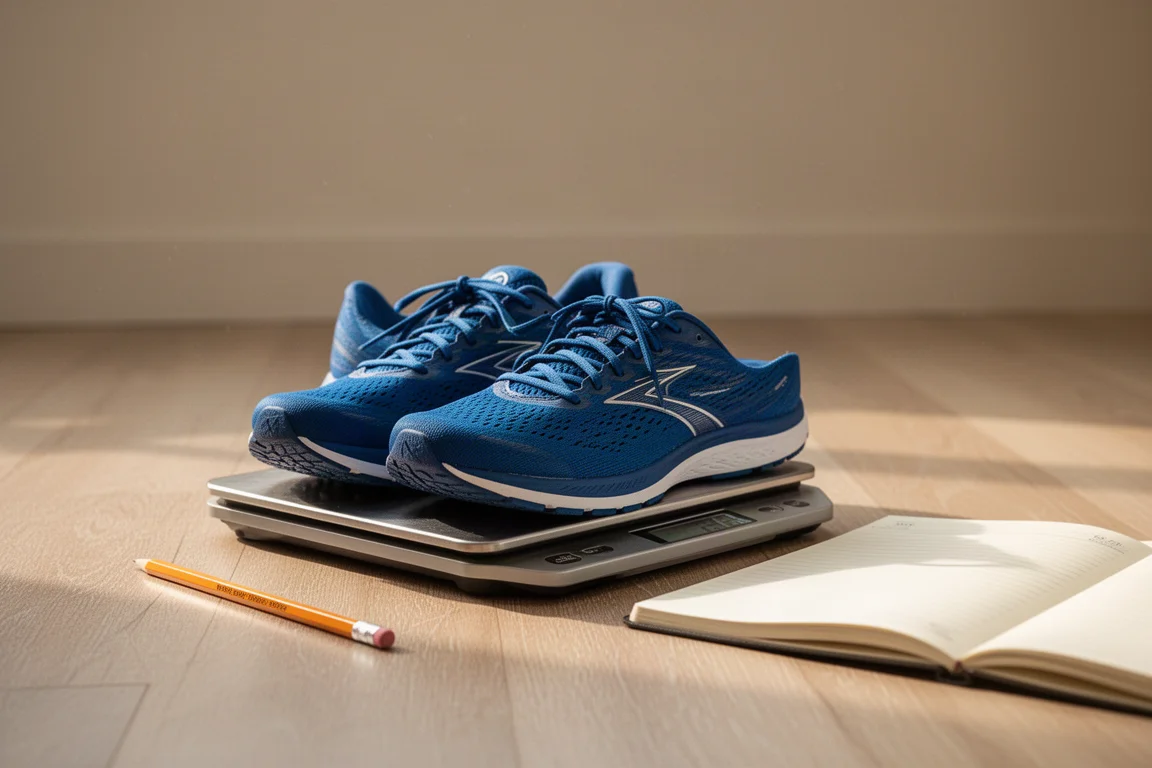
On the scale, the right shoe came in at 268.5g and the left at 272.5g, comfortably within a normal quality-control margin. That makes the 880 a decently lightweight option against rivals: the Supernova Rise came in around 300g, while the Pegasus and Velocity Nitro 3 each measured about 288 to 288.5g. The New Balance 1080 v13 sits at 285g, so the 880 is lighter than that shoe too.

On foot, the fit is snugger than most New Balance shoes. The midfoot and toe box feel tighter and narrower than the 1080 v13 and even the Rebel v4, closer to the fit of the Pegasus with a more rounded toe than the Nike’s aggressive taper. The Velocity Nitro 3 is still the narrowest of the group, and the Supernova Rise offers a roomier, arguably more comfortable toe box. If you find Nike’s standard fit narrow, you may want the wide version of the 880.
Who This Shoe Is For
The 880 v14 makes the most sense for runners who want one versatile, unremarkable-in-a-good-way shoe. It suits high school or college athletes who need a single trainer for every run type, recreational runners who pair it with a race day shoe, and anyone tired of niche foam gimmicks who just wants a normal, comfortable sneaker that handles daily miles, walking, and everything in between.
It is a poor fit for runners with large rotations who can afford specialized shoes: the Rebel v4 is better for fast running, the 1080 v13 is far better for recovery runs and comfort, and the SC Trainer V2 offers a more fun, bouncier ride. It is also a lower-drop, more structured alternative for runners who have not loved the Pegasus’s React foam or want a lower-drop option than the Brooks Ghost.
Conclusion
The New Balance 880 v14 is not remarkable, and that is the point. It is a reliable, traditional daily trainer that New Balance has deliberately not messed with: a firm full-length Fresh Foam X midsole, thick rubber coverage, balanced stack and drop, and a fit that is a touch narrower than the brand’s usual roomy last. If you want one do-everything shoe that will not surprise you or fall apart early, the 880 v14 is an easy recommendation. If you want speed, cushion, or fun, look elsewhere in the lineup.
Product link
View more details for New Balance 880 v14
This product is mentioned in the review. Check the specifications, options, and compatibility before buying.
View more details for New Balance 880 v14Further reading
Related Reviews

Running Shoes
Best Road-to-Trail Running Shoes: Three Versatile Options for Mixed Terrain
A practical guide to three road-to-trail running shoes that handle both pavement and mild trails, with clear strengths and trade-offs for different runner types.

Running Shoes
Best Running Shoes for Achilles Tendonitis: Three Options Explained
Three running shoes with different heel drops and support features designed to help reduce Achilles tendon pain during walking and running.

Running Shoes
Best Running Shoes for Women: Five Top Choices Ranked
A ranked guide to five women's running shoes, from versatile daily trainers to high-performance racing options, with real strengths and trade-offs for each.