Running Shoes
New Balance 860 V15 Review: A Max-Cushion Stability Redo That Lost Its Magic
The New Balance 860 V15 goes bigger and heavier than its cult-classic predecessor. We break down what changed, who it still works for, and why many runners may want to look elsewhere.
Introduction
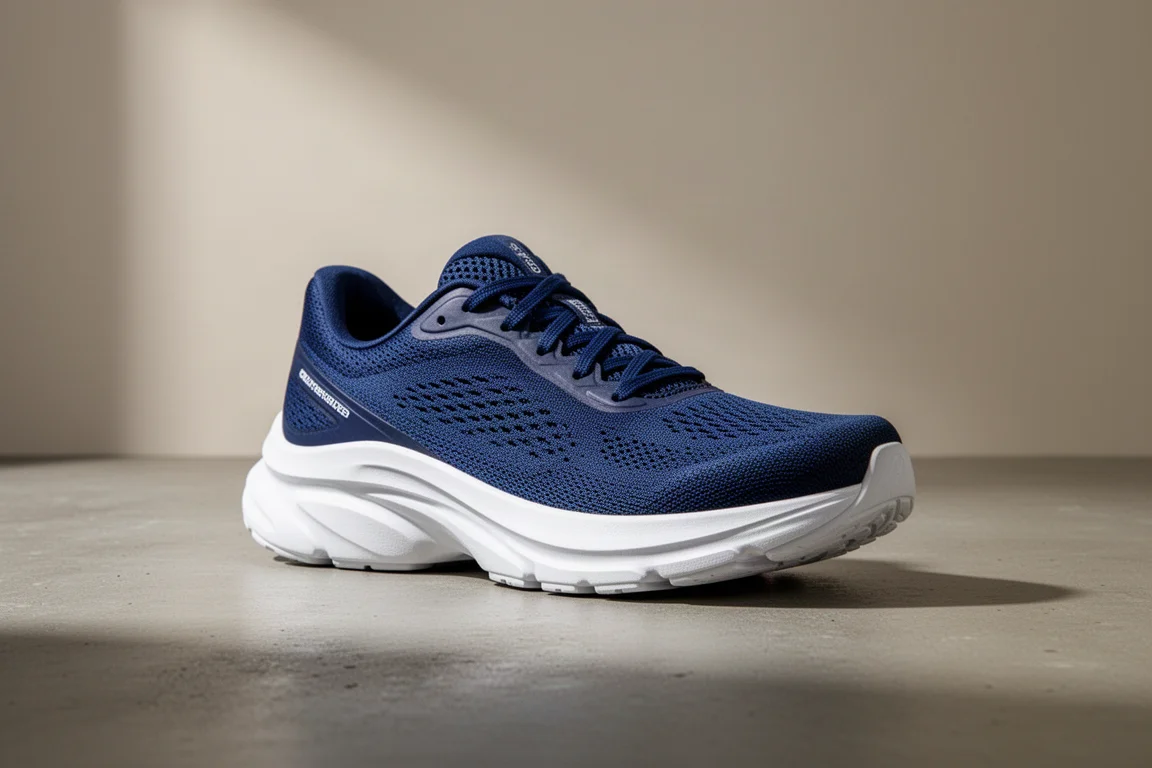
The New Balance 860 V15 arrives as the follow-up to a shoe that quietly became a cult favorite. The 860 V14 earned a reputation as a sleeper daily trainer: a stability shoe that did not feel like one, with a lively dual-foam setup and smooth rolling geometry. For 2026, New Balance has gone in a very different direction. The V15 is taller, wider, and dramatically heavier, and the change in character is hard to miss. This review covers what changed, what works, and who should actually consider buying it.
Who This Shoe Is For
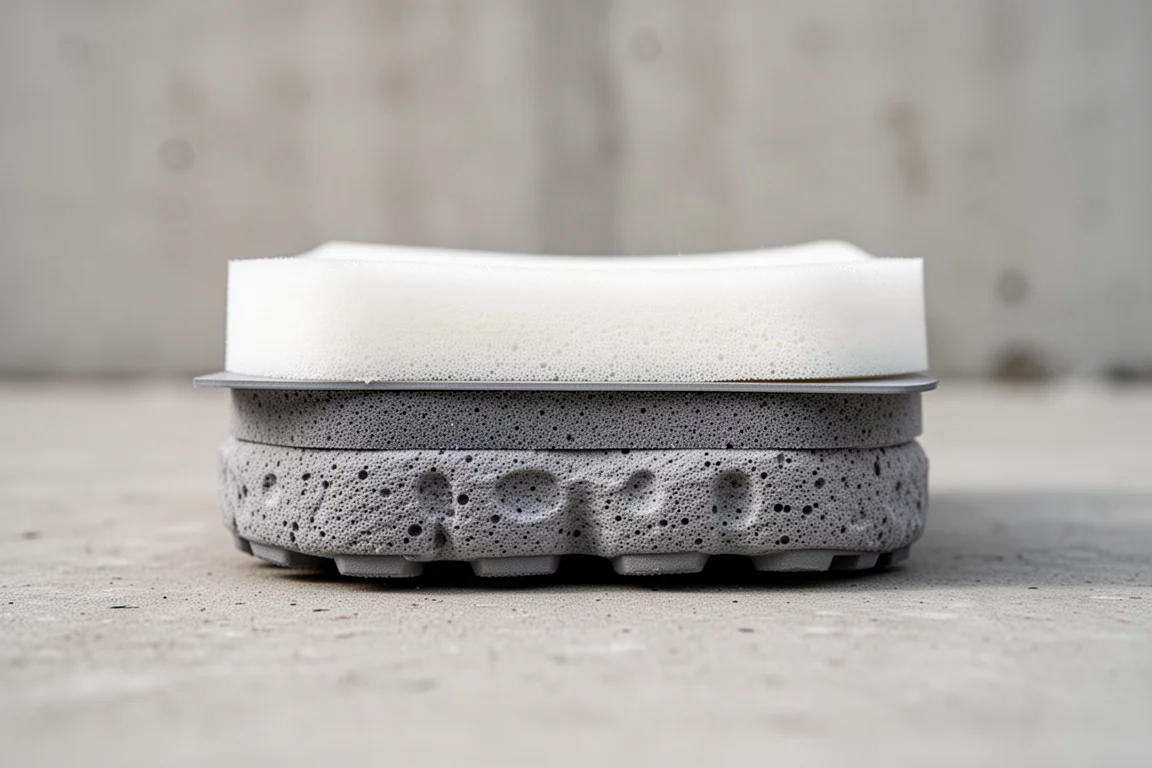
The 860 V15 is designed as a max-cushioned stability daily trainer. It layers soft and bouncy Fresh Foam on top, a plastic stability plate in the middle, and a very firm, high-density supportive foam on the bottom. That bottom layer is now roughly 40 mm thick at the rear, creating an extremely stable, guided platform.
This makes the shoe best suited to heavier runners, walkers, and anyone who prioritizes firm support and maximum stability over a fun, energetic ride. Runners who want a bouncy, smooth-turnover daily trainer will likely find it unsatisfying.
Key Strengths of the 860 V15
The shoe’s strongest asset is stability. New Balance clearly set out to build a more guided platform, and the result is very stable underfoot with excellent protection from hard heel strikes. The upper is well made, with a nicely padded tongue and a comfortable, wide fit.
There is also some forward assistance available if you strike hard with your heel, though it requires a quicker pace and deliberate heel landing to feel it. Around 42.4 mm of stack height means plenty of cushion depth for long, slow miles.

Things to Consider Before Buying
The weight is the headline problem. The 860 V15 weighs about 359 g, a jump of more than 50 g over the 307.5 g V14. That makes it heavier than many noticeably bulkier max-cushion trainers, and it is arguably among the heaviest daily trainers on the market.
The fit is another consideration. The V15 runs roughly half a size short while also being wide, so sizing up may be necessary, and some testers noticed rubbing near the front of the foot. The ride itself is firm, choppy, and disjointed compared with the smooth roll of the previous version. Midfoot strikers get little in the way of geometry assistance, and the lively toe-off of the V14 is gone.
How It Compares to the 860 V14
The V14 was a stability shoe that did not run like one. It had a soft, bouncy top layer of foam, a plastic plate, excellent heel bevel and rocker geometry, and a fun, peppy ride that worked across a range of paces. Many runners treated it like a plated, supportive alternative to softer neutral trainers.
The V15 appears to merge that shoe with the discontinued New Balance Vongo, resulting in a bulkier Gaviota-style max-cushion stability model. The V14 had only about 33.8 mm of stack and roughly 15 mm of firm foam at the lateral rear; the V15 pushes that to around 40 mm of very firm, non-energetic foam. The roll and heel bevel that made the old shoe special are largely gone, replaced by a heavy landing and a thud at turnover.
Buying Advice
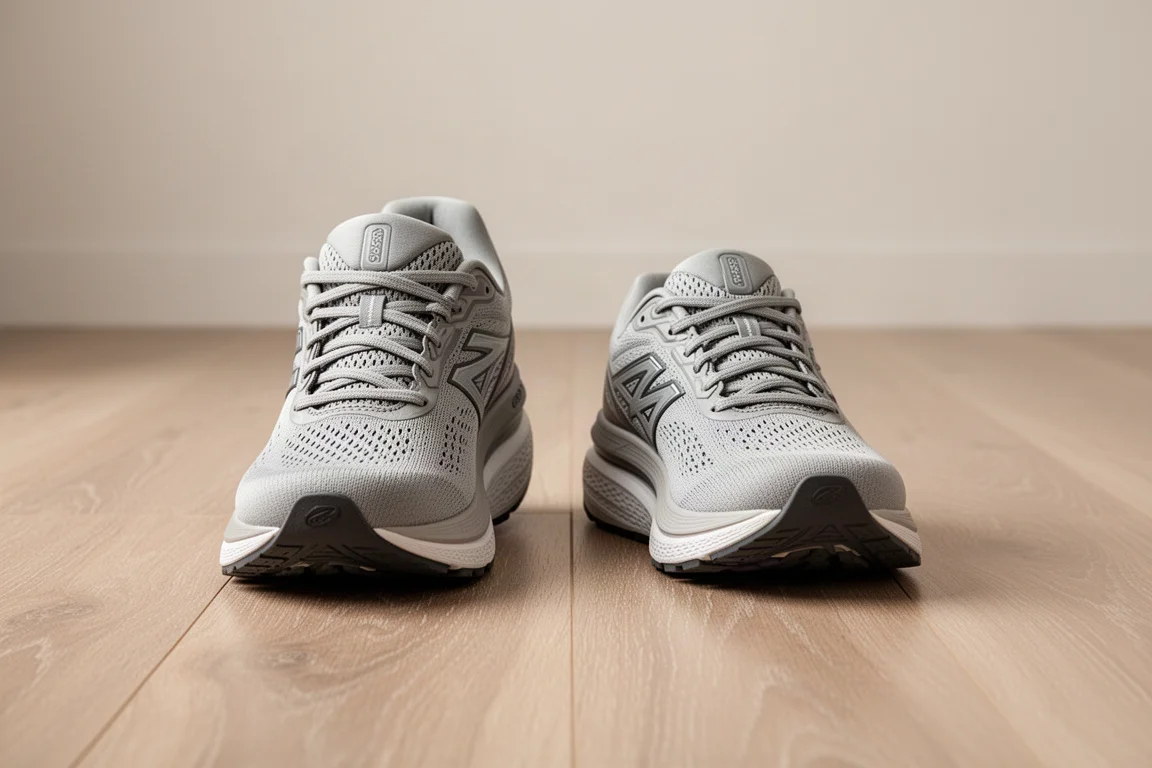
If you need maximum stability, plenty of protection, and a firm platform, and you do not care about weight or bounce, the 860 V15 can serve that purpose. It is stable, protective, and reasonably comfortable for walking.
If you are a runner who values turnover, energy return, or a smooth ride, better options exist. Lighter stability alternatives and softer traditional stability shoes deliver more enjoyable rides for daily training, and this update asks you to carry a lot of extra weight for support you may not need in this form.
Ride and Performance on the Run
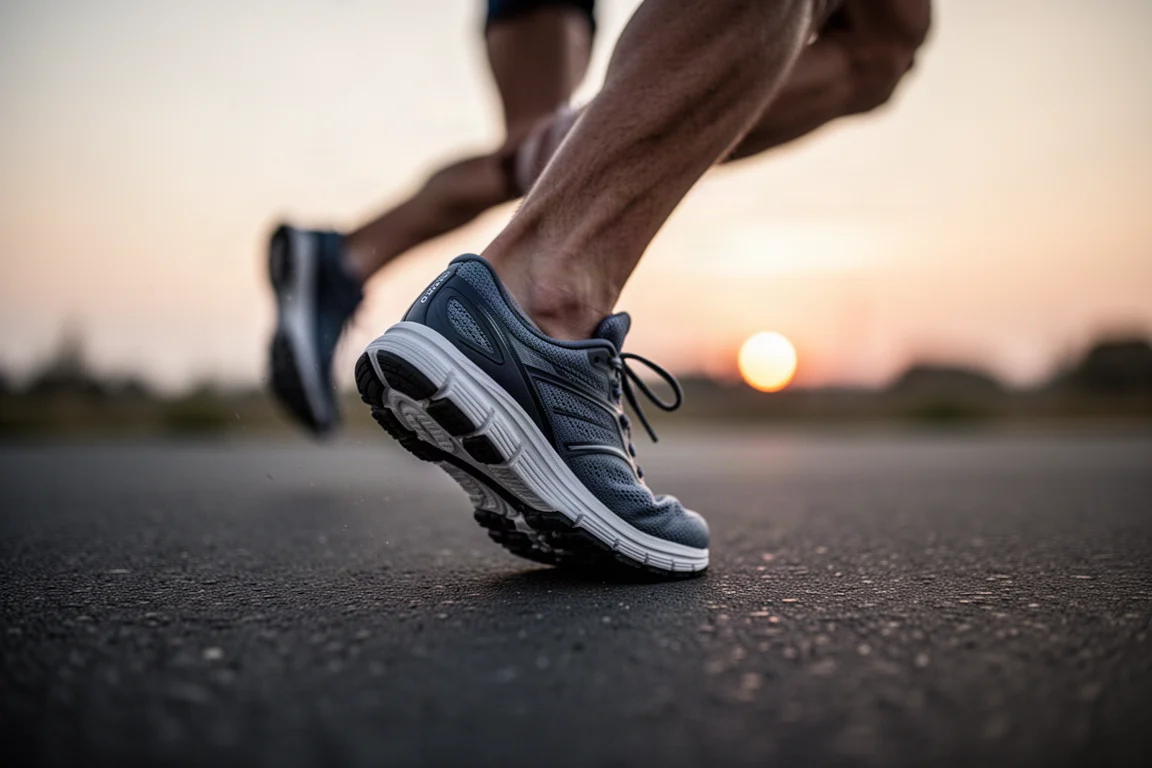
On an eight-mile recovery run at around a 7:47 pace, the V15 felt heavy from the first mile and remained difficult to turn over. The foam does soften slightly and break in with use, and the shoe settled a bit once warmed up, but the underlying ride stays firm, clunky, and uninspiring.
The protective cushioning is real, and hard heel strikers may find some rhythm. But the overall experience is a shoe built more for supported walking than energetic running.
Conclusion
The New Balance 860 V15 is a textbook example of an update that changes the spirit of a shoe. It trades the V14’s light, rolling, crowd-pleasing character for a heavier, firmer, more strictly stable platform. For a specific type of buyer, a runner or walker who wants unwavering stability and thick protection at any weight, it can still make sense. For everyone else, the previous generation’s formula was the more appealing one, and this update is best approached with caution.
Product link
View more details for New Balance 860 V15
This product is mentioned in the review. Check the specifications, options, and compatibility before buying.
View more details for New Balance 860 V15Further reading
Related Reviews

Running Shoes
Best Road-to-Trail Running Shoes: Three Versatile Options for Mixed Terrain
A practical guide to three road-to-trail running shoes that handle both pavement and mild trails, with clear strengths and trade-offs for different runner types.

Running Shoes
Best Running Shoes for Achilles Tendonitis: Three Options Explained
Three running shoes with different heel drops and support features designed to help reduce Achilles tendon pain during walking and running.

Running Shoes
Best Running Shoes for Women: Five Top Choices Ranked
A ranked guide to five women's running shoes, from versatile daily trainers to high-performance racing options, with real strengths and trade-offs for each.