Running Shoes
New Balance 860 v14 vs v15: Which Stability Shoe Should You Pick?
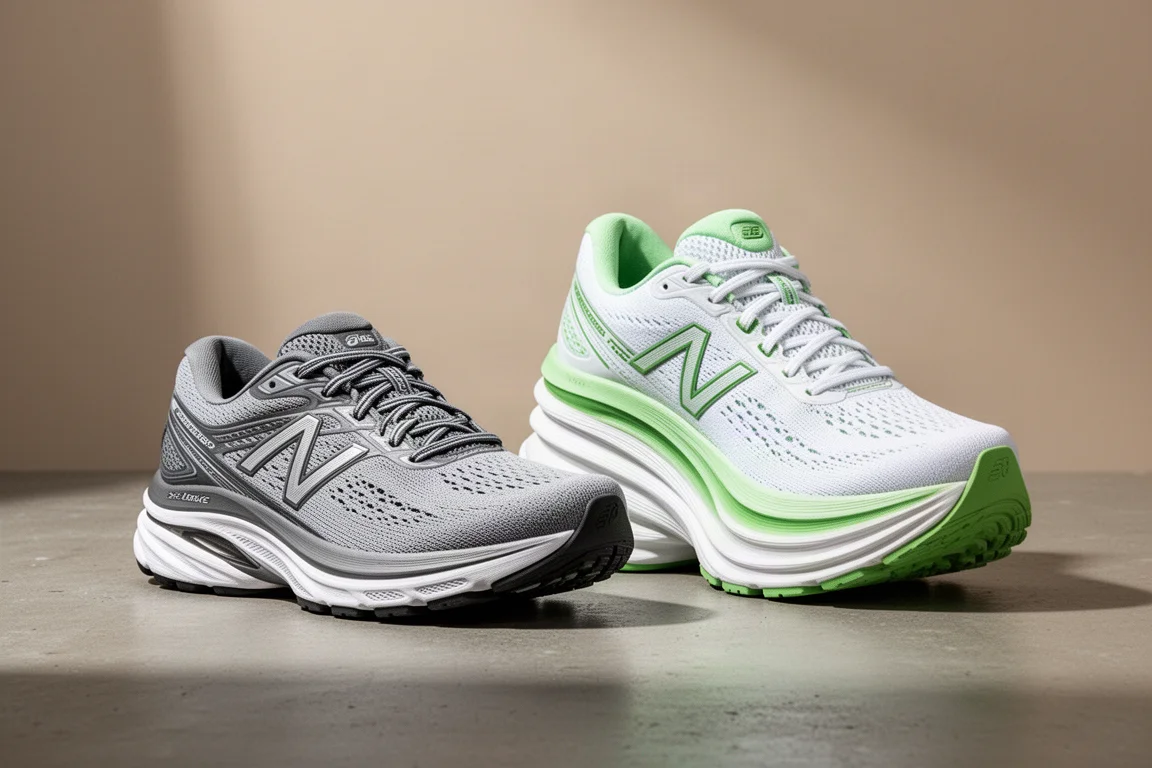
Two very different takes on New Balance's long-standing stability trainer: a laterally biased wedged design versus a taller, bouncier, more centered maximal build.
Introduction
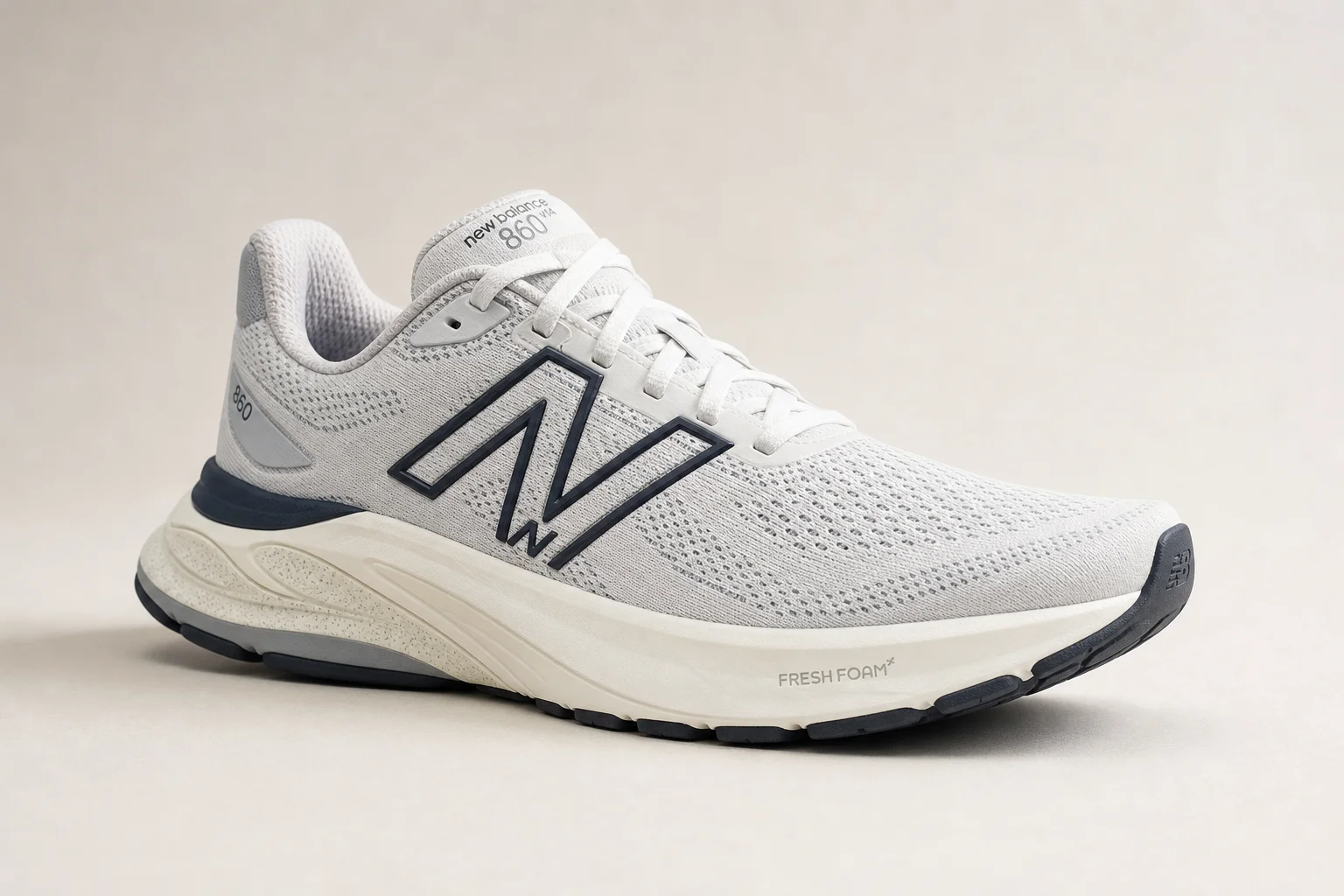
The New Balance 860 has been one of the brand’s long-standing stability trainers, popular with runners who want the New Balance fit and just a bit more width. The v14 and v15, however, are two genuinely different shoes, and choosing between them comes down to what kind of stability and ride you actually want.
Specs and First Impressions
In a men’s size 10, the 860 v14 weighs 11 oz (about 310 g) with a 38 mm heel and 30 mm forefoot for an 8 mm drop. The v15 is noticeably heavier at 12.5 oz (about 354 g), with a 43 mm heel and 35 mm forefoot, also an 8 mm drop. The v15 is squarely in the maximal stack category, and it looks and feels like it.
The v14 moved away from traditional medial posting with a rare wedge-shaped design: more material on the medial side than the lateral side, with a softer top layer holding the foot in a slightly inverted position. Standing in it, you feel a bit of a lean toward the lateral side. That can be excellent for people whose feet are slightly elevated on one side, but riders with lateral sensitivities may not get along with it.
Ride and Transition
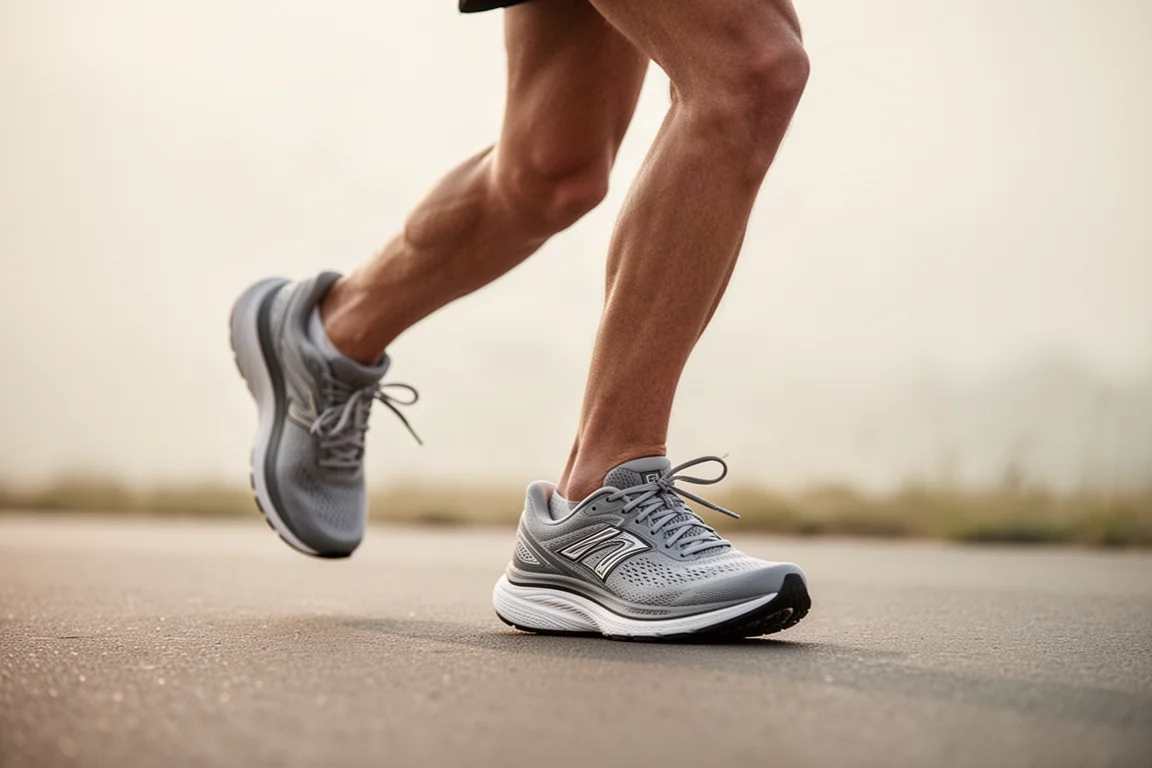
The v14 is a decent walking shoe and an okay running shoe. The midsole feels somewhat dead, with no real bounce, and it is not very responsive. Its strength is a smooth rocker, a small amount of flexibility, and a well-shaped posterolateral bevel that breaks in quickly.
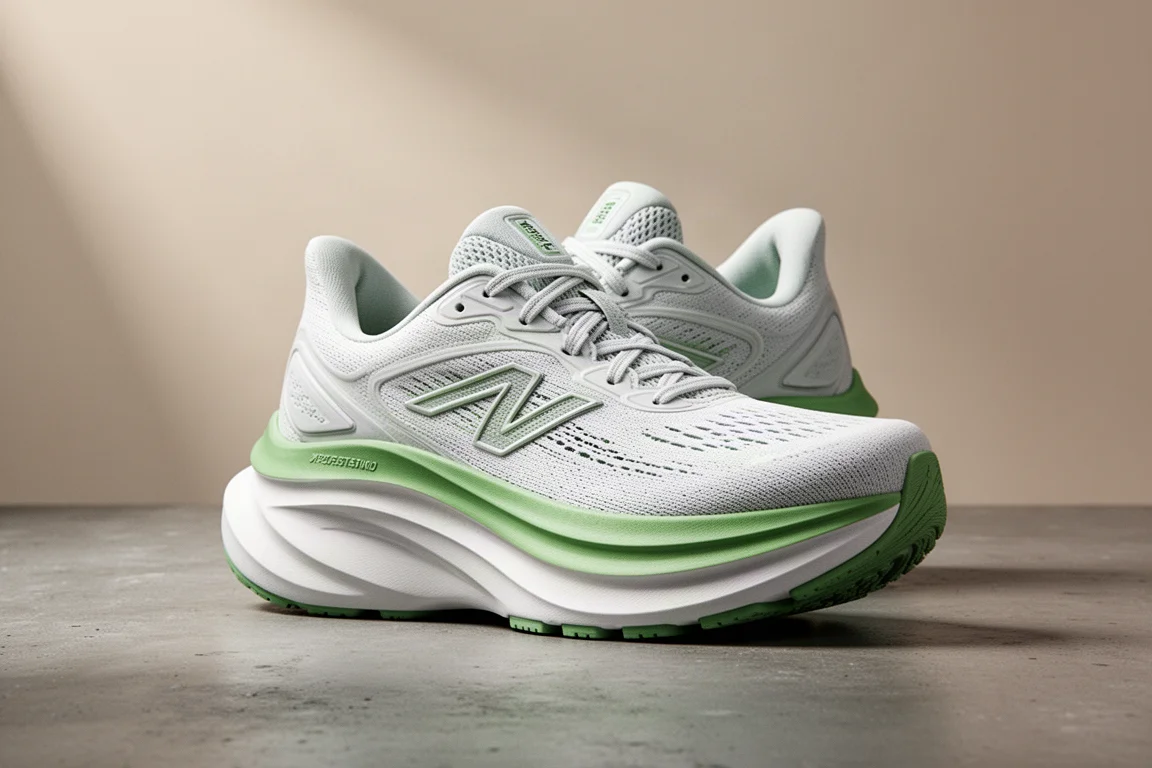
The v15 is a different animal. It is very stiff with essentially no flexibility, and you feel the height and weight at first. Surprisingly, though, it rides much lighter than its listed weight: while both shoes use Fresh Foam X, the v15’s top layer is noticeably bouncy. It is not a fast shoe, but it rolls and bounces along far better than the v14 and feels more like a true running shoe.
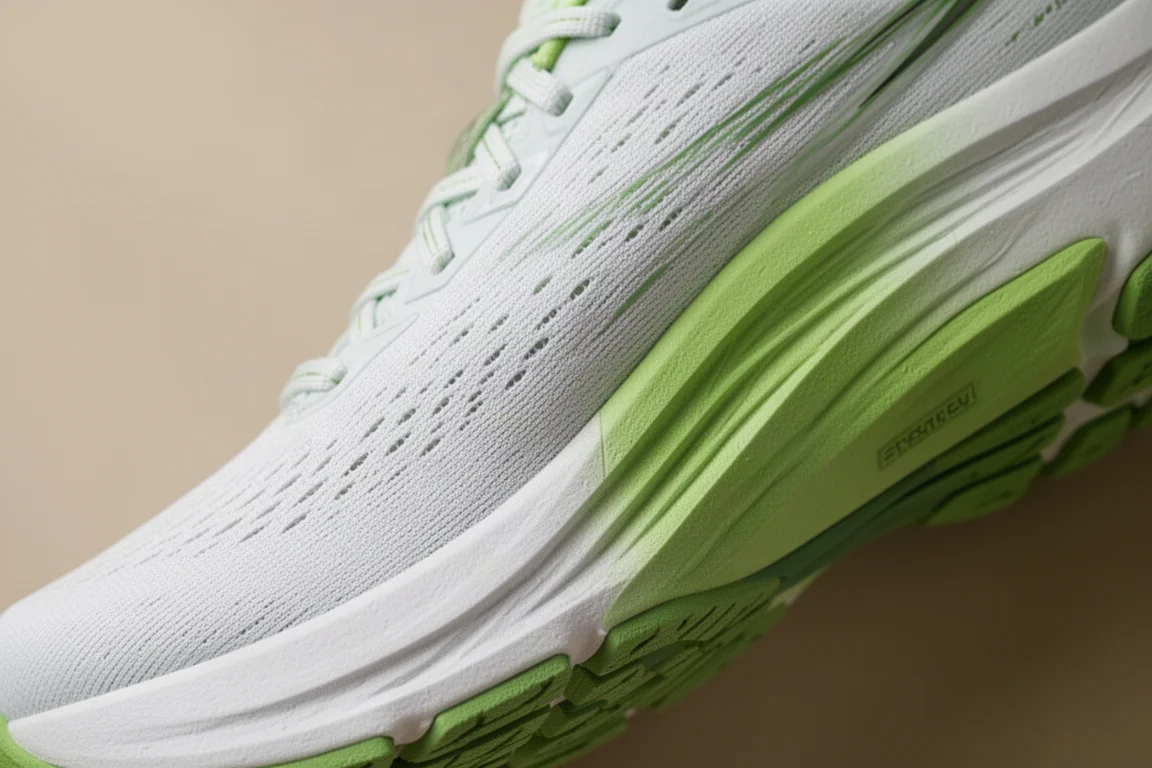
The trade-off is a break-in period. The v15 has a large but sharp heel bevel that took around 15 miles to smooth out, with an initially clunky heel transition. The v14 transitions better out of the box. Once broken in, the v15 rewards you with a very rockered ride, and both shoes have smooth forefoot transitions, slightly smoother in the v15 thanks to the bouncier foam.
Durability
Durability looks good on both, with one caveat. After about 40 miles, the v14’s outsole is starting to wear through, which is a bit disappointing even accounting for a scuffing gait. The v15 shows no visible wear after about 30 miles and looks much more durable so far.
Stability and Fit
Both shoes offer full-length medial stability, an increasingly rare and genuinely useful trait, since instability can happen anywhere along the arch, not just at the heel. The difference is where your foot sits.
The v14 is laterally biased throughout the length of the shoe, with tons of material on the inside and much less on the outside. The v15 centers the heel and midfoot while keeping that nice semi-void forefoot design, which works especially well for runners with an elevated first toe. The stiff plate in both shoes produces noticeable medial arch pressure, more so in the v15.
If you felt too pushed laterally in the v14, the v15 is the clear answer: it keeps you more centered in the heel and midfoot while still providing good medial stability from heel to forefoot.
Upper and Heel Counter
The v14’s upper is slightly thick at first and feels a little closed in until it breaks in, but its heel counter is well padded along its length and very comfortable. The v15 fits wider, especially in the forefoot and midfoot, with tons of toe room even in a standard D width and generous padding up top. It fits true to size, as does the v14; stick with your normal size in both unless you are sensitive between sizes.
The v15’s weak point is its heel counter: it is much stiffer, and padding exists only on the top portion, leaving the lower area exposed to a hard shell. For runners with Haglund’s deformity or sensitivity to firm heel counters, the first mile can be uncomfortable. If you prefer a stiff heel counter, though, the v15 is the better pick.
Which One Should You Buy?
The v15 is now a true maximal stability shoe: taller, heavier, more centered in the heel, and bouncier despite the weight, with better outsole durability once it earns its break-in miles. The v14 is the more standard, laterally biased option with a dead but stable ride, quicker break-in, and a more comfortable heel counter.
If you want a shoe for walking as much as running, the v14 is honestly the better walking shoe of the two. If you want more bounce, more modern maximal geometry, and a centered heel, the v15 is worth the weight and the break-in patience.
Conclusion
These are not two versions of the same shoe so much as two different philosophies. The v14 keeps the wedged, laterally biased stability feel that made it unique, while the v15 pivots to a centered, bouncy, maximal build. Pick the one that matches how your foot actually behaves, and both can earn their miles.
Further reading
Related Reviews

Running Shoes
Best Road-to-Trail Running Shoes: Three Versatile Options for Mixed Terrain
A practical guide to three road-to-trail running shoes that handle both pavement and mild trails, with clear strengths and trade-offs for different runner types.

Running Shoes
Best Running Shoes for Achilles Tendonitis: Three Options Explained
Three running shoes with different heel drops and support features designed to help reduce Achilles tendon pain during walking and running.

Running Shoes
Best Running Shoes for Women: Five Top Choices Ranked
A ranked guide to five women's running shoes, from versatile daily trainers to high-performance racing options, with real strengths and trade-offs for each.