Running Shoes
New Balance 860 v14 vs Fresh Foam Vongo v6: Which Stability Shoe Fits You?
Two New Balance stability trainers that take very different approaches to support. Here is how the 860 v14 and Fresh Foam Vongo v6 compare on ride, fit, and stability.
Introduction
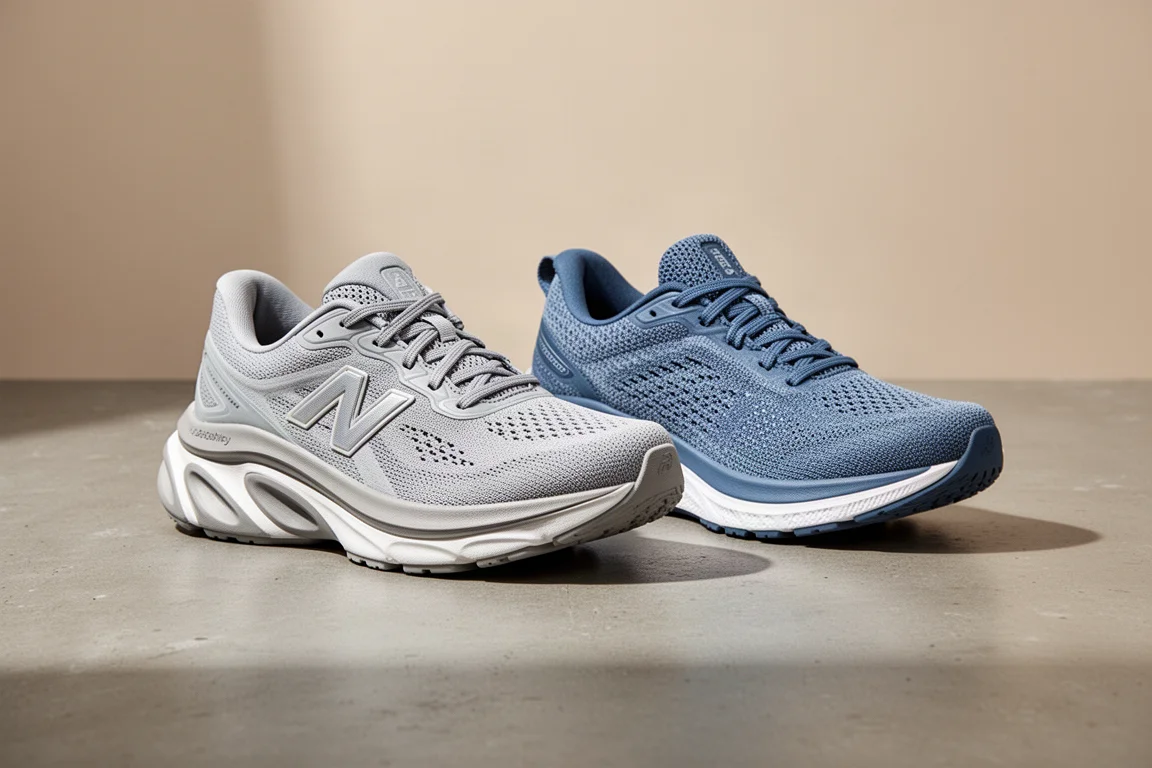
Both of these shoes sit at the heart of the New Balance Fresh Foam stability lineup, and both changed noticeably from their previous versions. The interesting part is how differently they approach stability, not just from each other but from most stability shoes on the market right now.
If you are considering a stability shoe and want to stay within the New Balance family, the real question is which of these two matches your feet and your running. This comparison breaks down the specs, the ride, the stability design, and the fit so you can decide.
Specs: Weight, Stack Height, and Drop
In men’s size 10, the Fresh Foam Vongo v6 comes in at 11.2 oz, about 316 g. The 860 v14 is slightly lighter at 11 oz, roughly 310 g, despite being the taller shoe.

The 860 v14 measures 38 mm in the heel and 30 mm in the forefoot. The Vongo v6 sits a touch lower but still on the fairly tall end, at 35 mm in the heel and 29.5 mm in the forefoot. That gives the 860 an 8 mm drop and the Vongo a 6 mm drop. Both are well-cushioned trainers, so the differences here are about degree, not category.
Ride and Cushioning
Both shoes feel really soft as soon as you transition onto them, but not mushy. The Fresh Foam X material keeps them on the softer end of the daily trainer spectrum without losing structure. Neither is a good choice if you want to run fast. These are shoes for slower, easy mileage, daily training, and long runs where you just want a bit more cushion.
The 860 v14 rides slightly smoother thanks to a more gradual posterior lateral heel bevel, and it works well at both walking and running paces. The Vongo also has a decent heel bevel, but it performs a little better at walking speeds.
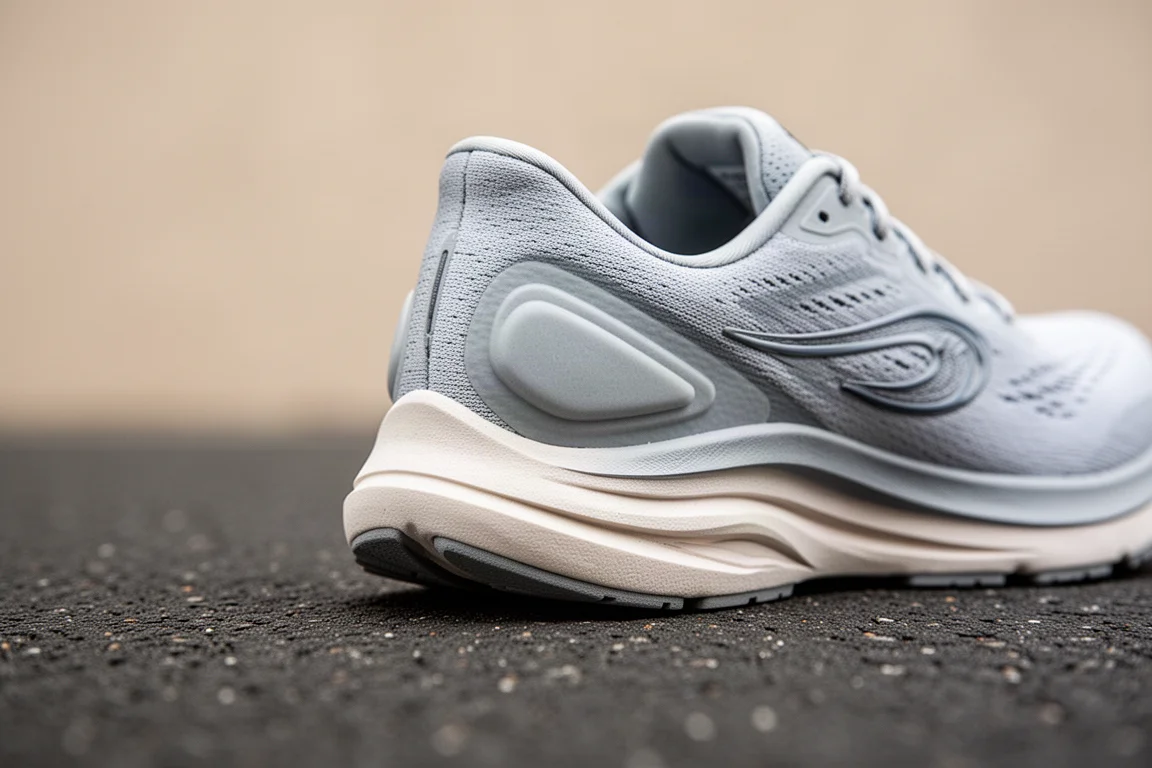
If you want slightly more cushion, the 860 is the one with the taller stack. If you prefer a bit less, the Vongo is still well cushioned, just a little less so. Through the midfoot and forefoot, both shoes run a little stiff due to the EVA film inside the midsole. There is not much toe spring, which makes them gentle options if you have some toe mobility issues and want mild stiffness without a full rigid plate.
Stability: Two Very Different Approaches
New Balance uses an EVA film with cutouts that travel more on the lateral side of both shoes, intended to guide you away from rolling too far inward. In practice, that film delivers a very mild amount of guidance rather than pronounced stability.
The more noticeable feature is the wedge design. On the medial side, there are two foams: a softer top layer and a firmer bottom layer, with more material on the medial side than the lateral side in the heel and midfoot. Instead of a traditional hard medial post, the wedge lifts the ground up toward an elevated part of the foot, which can help runners whose inward collapse comes from structural factors.

The Vongo v6 is the milder of the two. Its stability is concentrated in the heel and midfoot, and it is subtle enough that it may not register immediately. If your needs are very mild, where a neutral shoe is not quite enough but moderate stability feels like too much, the Vongo fits that gap well.
The 860 v14 is far more aggressive, with full-length medial support from heel through forefoot. It pushes you outward noticeably at first and may need a short break-in. If you have more substantial medial stability needs, it is a genuinely unique option. Neither shoe suits runners with lateral ankle instability who tend to roll outward.
Fit and Upper
The Vongo v6 is the narrower of the two. Both have a slightly lower volume, but the Vongo sits much more snug, making it a good match for narrow feet. Its upper is also a bit thicker and warmer.
The 860 v14 fits much wider, though slightly short in length, and the upper breaks in over some miles. If you need a bit more width, it is the better choice.
Both shoes have fairly stiff heel counters. They are very rounded, so most runners will not have major issues, but if you are sensitive to stiff heel counters, be aware they are noticeable.
Which One Should You Buy?
If you need mild medial stability, have narrow feet, and prefer a slightly thicker upper, the Vongo v6 is the better fit. It is the gentle, walking-friendly option in this pairing.

If you have a wider foot and need more aggressive stability from heel all the way through the forefoot, the 860 v14 stands out. Its wedge-based full-length design is rare among moderate-to-high stability shoes, and it is a genuinely strong entry in the category.
Conclusion
Both are solid daily trainers for easy mileage, and neither is built for speed. The Vongo v6 covers mild stability needs with a snug fit, while the 860 v14 delivers a unique, more aggressive full-length support design that ranks among the most interesting stability shoes available right now. Match the level of support and the fit to your feet, and either can be a dependable choice.
Product link
View more details for New Balance 860 v14
This product is mentioned in the review. Check the specifications, options, and compatibility before buying.
View more details for New Balance 860 v14Further reading
Related Reviews

Running Shoes
Best Road-to-Trail Running Shoes: Three Versatile Options for Mixed Terrain
A practical guide to three road-to-trail running shoes that handle both pavement and mild trails, with clear strengths and trade-offs for different runner types.

Running Shoes
Best Running Shoes for Achilles Tendonitis: Three Options Explained
Three running shoes with different heel drops and support features designed to help reduce Achilles tendon pain during walking and running.

Running Shoes
Best Running Shoes for Women: Five Top Choices Ranked
A ranked guide to five women's running shoes, from versatile daily trainers to high-performance racing options, with real strengths and trade-offs for each.