Running Shoes
New Balance 1080 V15 vs V14: What the New Foam Changes
The 1080 V15 swaps Fresh Foam X for all-new Infiniam foam, sheds a little weight and gains a price bump. Here is how it compares with the V14 on a first run.
Introduction
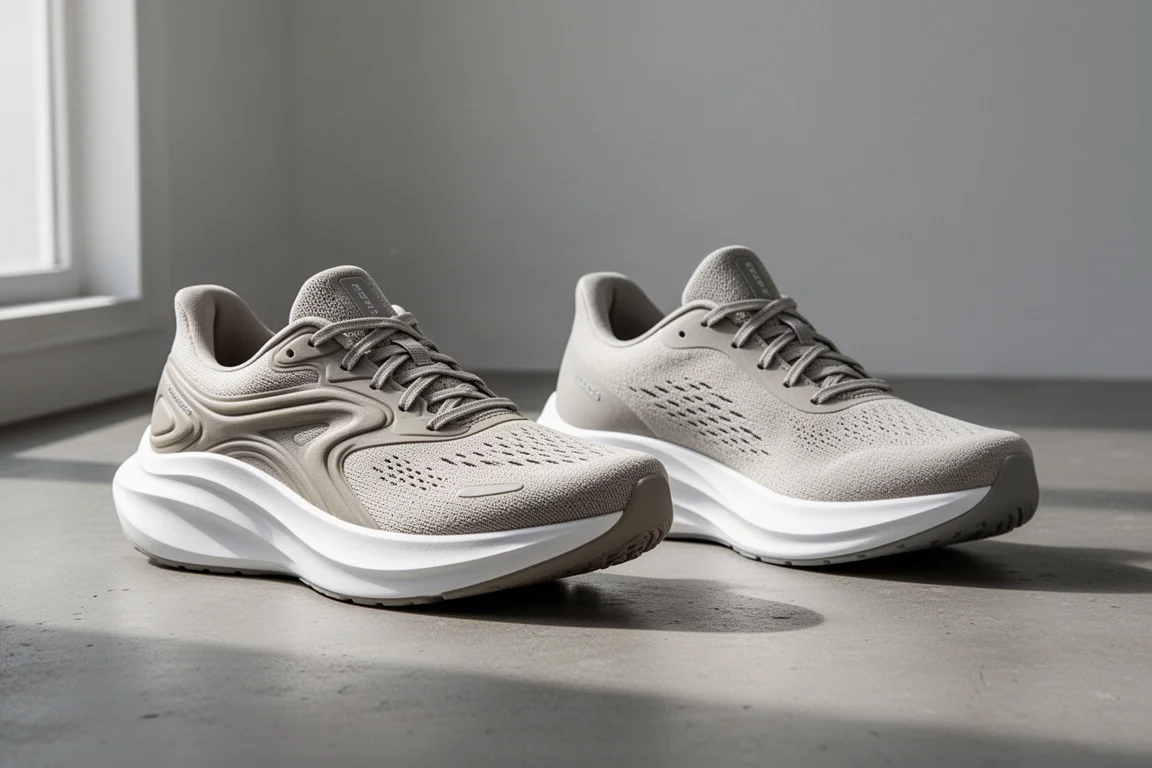
The 1080 line is New Balance’s premium cushioned neutral shoe, sitting above the Rebel and the 880 as its most cushioned and comfortable everyday trainer. The 2025 update is a fairly big one: an all-new midsole foam is the star change, with tweaks to the upper and outsole, plus a price bump to £170 or $170.
The new 1080 V15 is also a touch lighter than the 1080 V14, weighing 262 g or 9.2 oz in a UK 9 (US 9.5). Stack height is 40 mm at the heel and 34 mm at the forefoot, a 6 mm drop. That is generous cushioning, though not the extreme 45 mm territory some brands now push with their max-cushion shoes.
The Headline Change: New Infiniam Foam
For most of the past few years New Balance has used Fresh Foam X across its cushioned lineup. The V15’s midsole is instead made entirely of Infiniam, an entirely new material. To the touch it feels squishier and softer than Fresh Foam, and that softer character carries through on the run too.
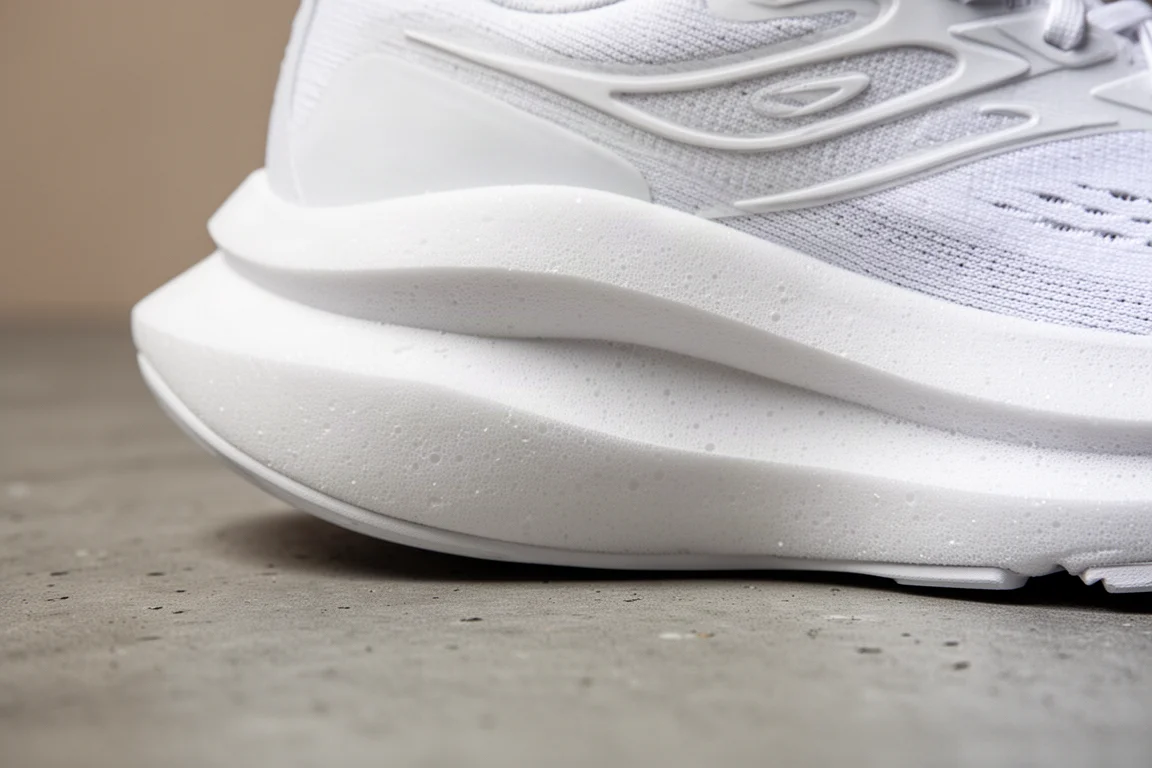
The outsole has also been redesigned, with more exposed foam in the midfoot than the V14, though the forefoot and heel still get good rubber coverage. It is not the thickest rubber layer around, but there is a little less around the midfoot than before, which has helped drop the weight.
How the 1080 V15 Rides
On a first easy long run, the V15 felt nicely light for a big cushioned shoe. The foam was very squishy and bouncy straight out of the box, then firmed up a little over the course of the run as it condensed. It is a foam oriented toward protection and recovery rather than the lively, energetic feel of something like ZoomX.
One quirk: it felt like a slightly higher-drop shoe than the listed 6 mm, snapping through almost like a 10 mm drop shoe. It was not uncomfortable, just a less smooth and rockered ride than the V14.
1080 V15 vs 1080 V14: Ride Comparison
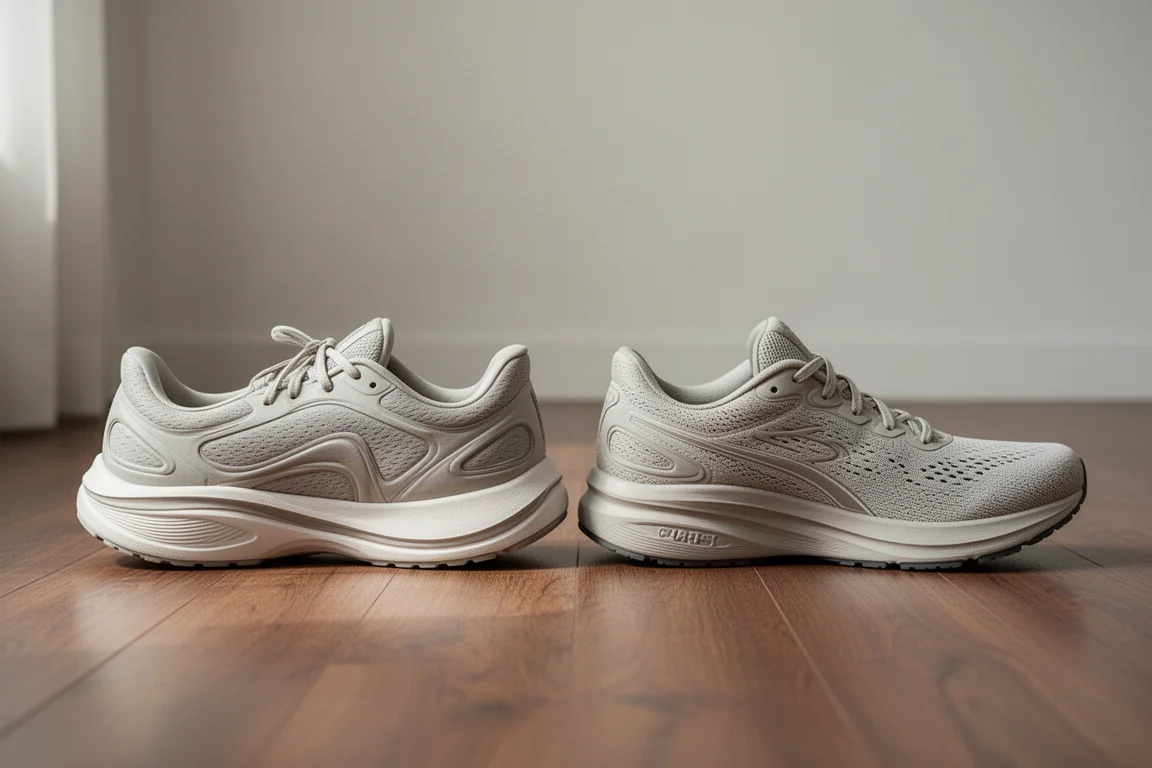
Running with one shoe on each foot confirmed the impressions. The V15 has a softer, squishier feel at the heel and a slightly flatter, more traditional ride. The V14 rolls off the front of the shoe more smoothly and feels denser and more resilient, with a distinctly rockered, smooth ride.
The new shoe sits somewhere between the V13 and V14. The V13 was really soft, almost mushy over long distances, while the V14 balanced comfort with a nicer level of resiliency. The V15 will likely appeal to the many runners who loved the V13’s softness, though it is not quite as rocketed as the V14.
New Balance 1080 V15
The V15 is a well-balanced generalist daily trainer: lightweight for a cushioned shoe, comfortable and protective, and it never felt like too much shoe on the foot. As a good long run shoe it does the job without needing much thought, but out of the box the ride is not the most exciting, and the softness faded a little even over half an hour.

New Balance 1080 V14
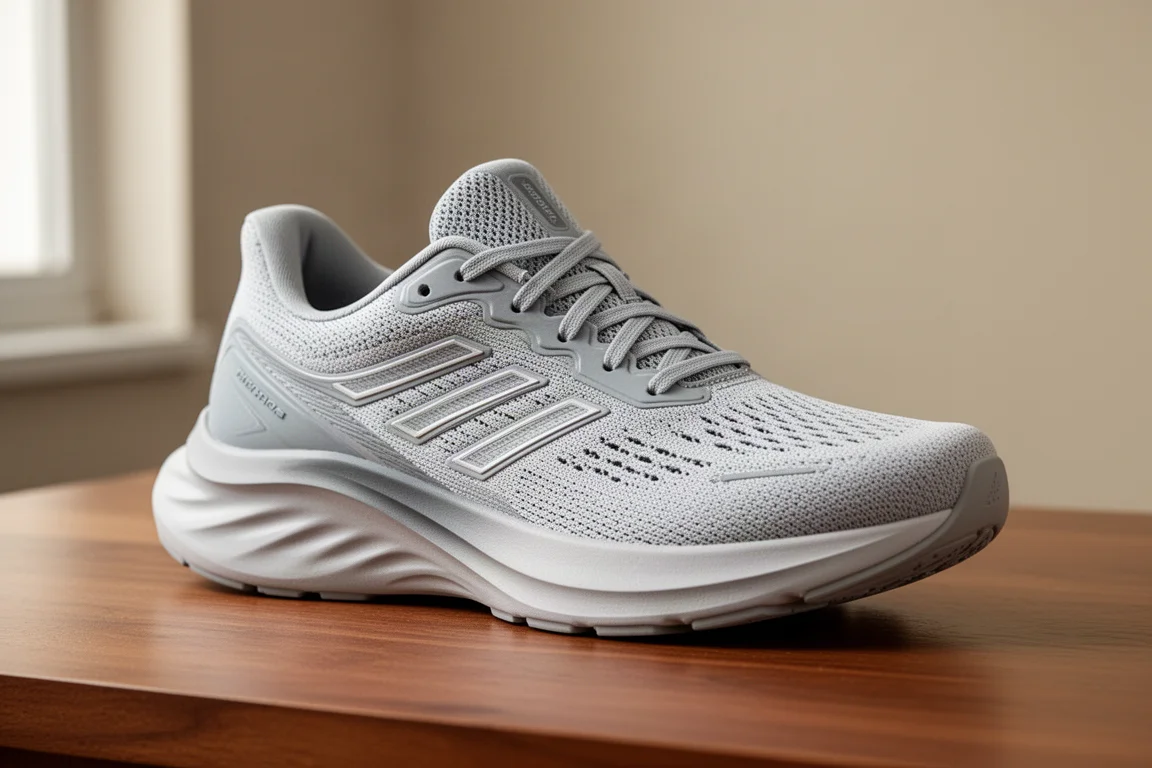
The previous model remains a strong option if you prefer a smoother, more rockered ride with a bit more bounce. It was more to our taste than the V15 out of the box: still very comfortable, but with a resilient feel and a roll through the stride the new shoe does not quite match.
Fit and Sizing
The V15 was tested in a UK 9, which converts to a US 9.5 and is the tester’s normal running shoe size. Note that some brands convert a UK 9 to a US 10, so UK buyers should check. Around the rest of the world, stick to your normal running shoe size.
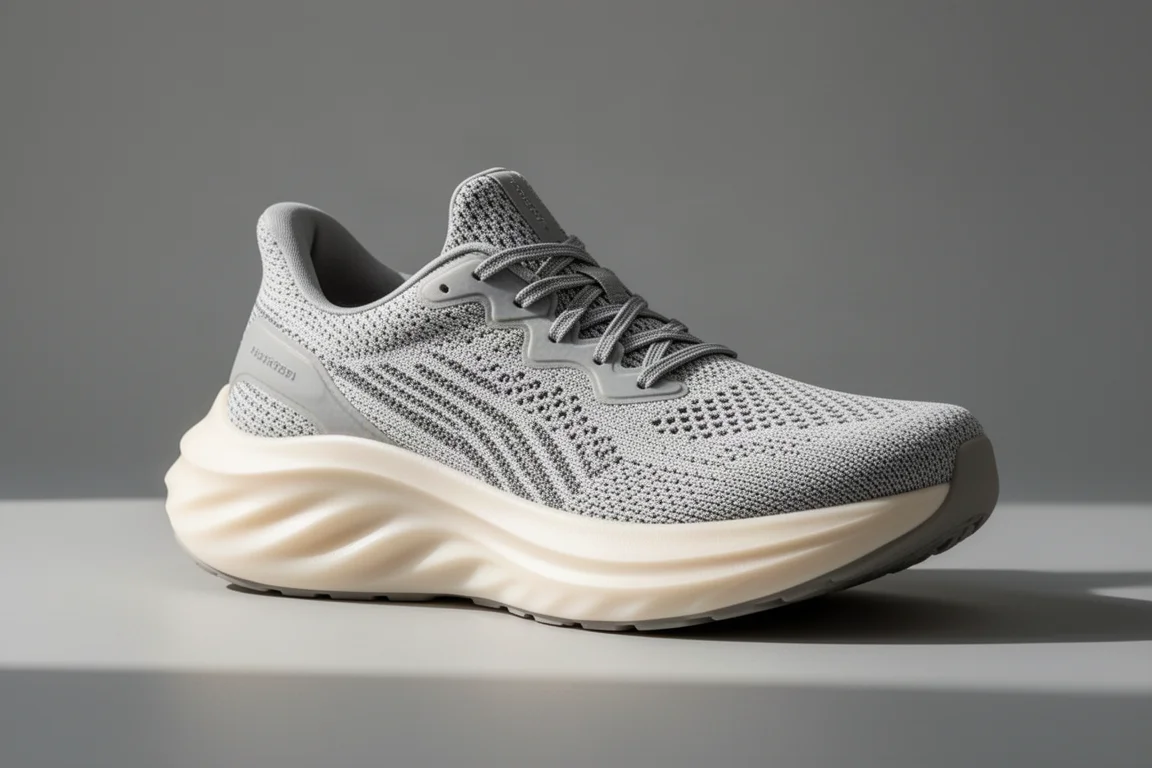
The fit was comfortable with the expected room in the toe box, with good hold around the heel and midfoot. The upper is lightweight for such a cushioned shoe, with a contoured, slightly ridged construction and open mesh at the front for breathability. Padding at the tongue and collar gives a nice step-in feel without being oppressive. The stiff feel of the upper’s front noted out of the box disappeared entirely on the run.

Should You Buy It?
The V15 is a genuinely capable cushioned daily trainer, and its squishier, softer direction probably suits where the market is heading. It is also fairly expensive at £170 or $170, and there are cheaper alternatives, including New Balance’s own Rebel V5 and the Puma Velocity Nitro 4. If you want maximum liveliness in a cushioned trainer, other options rate higher on first impressions.
If you prefer a smoother, more rockered ride, the V14 remains a compelling pick, especially if you find it discounted. If you loved the softer V13, the V15’s extra softness compared to the V14 will likely land well. Either way, the 1080 line continues to deliver comfort and balance in a lightweight package.
Conclusion
The 1080 V15 is a nicely balanced, lightweight cushioned daily trainer with a promising new foam, but it trades some of the V14’s smooth, rockered ride for a softer, flatter feel. Whether that trade is worth the higher price depends on which ride character you prefer.
Further reading
Related Reviews

Running Shoes
Best Road-to-Trail Running Shoes: Three Versatile Options for Mixed Terrain
A practical guide to three road-to-trail running shoes that handle both pavement and mild trails, with clear strengths and trade-offs for different runner types.

Running Shoes
Best Running Shoes for Achilles Tendonitis: Three Options Explained
Three running shoes with different heel drops and support features designed to help reduce Achilles tendon pain during walking and running.

Running Shoes
Best Running Shoes for Women: Five Top Choices Ranked
A ranked guide to five women's running shoes, from versatile daily trainers to high-performance racing options, with real strengths and trade-offs for each.