Running Shoes
New Balance 1080 V15 vs Puma Velocity Nitro 4: Which Daily Trainer Should You Buy?
Two versatile daily trainers with very different prices and personalities. Here is how they compare on foam, fit, grip, and value.
Introduction
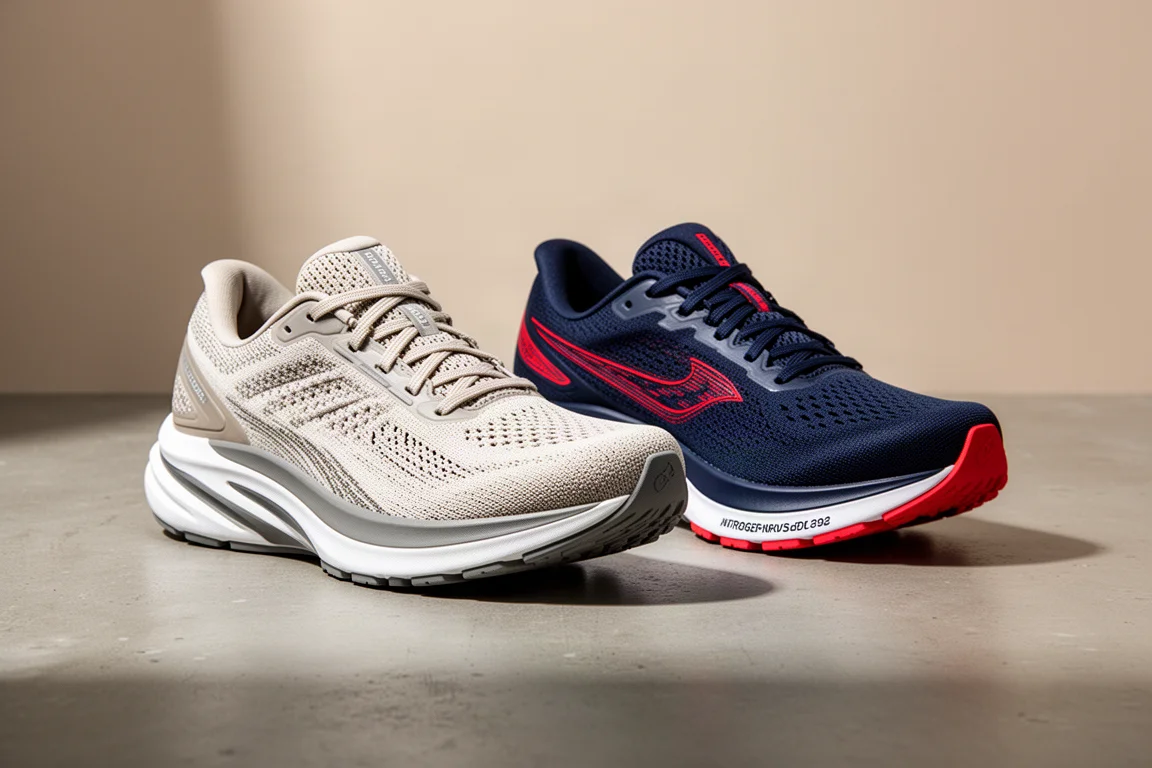
The New Balance 1080 V15 and the Puma Velocity Nitro 4 sit in the same spot in a shoe rotation: versatile, cushioning daily trainers that can cover almost every kind of run. They also happen to be wildly different in price, which makes this a genuinely interesting comparison. After testing both across easy runs, long runs, and faster efforts, the differences come down to foam personality, fit width, and how much you want to spend.
Price, Weight, and Specs at a Glance
The New Balance 1080 V15 costs £170 or $170. It weighs 251 g or 8.9 oz for men in a size 8, and the drop is 6 mm. The Puma Velocity Nitro 4 costs £110 or $140, weighs 266 g or 9.4 oz for men in a size 8, and has a 10 mm drop. In the UK, the Puma can often be found for around £60 in deals, which is remarkable value for a shoe this capable.
Fit and Sizing
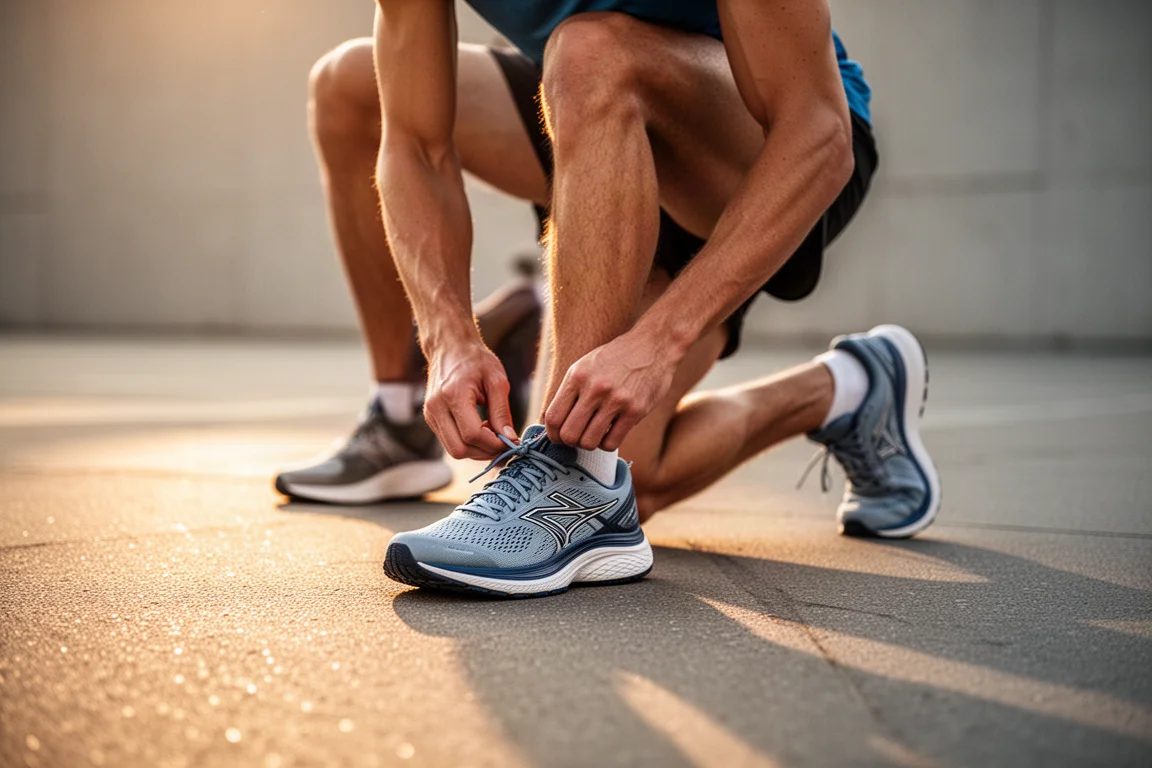
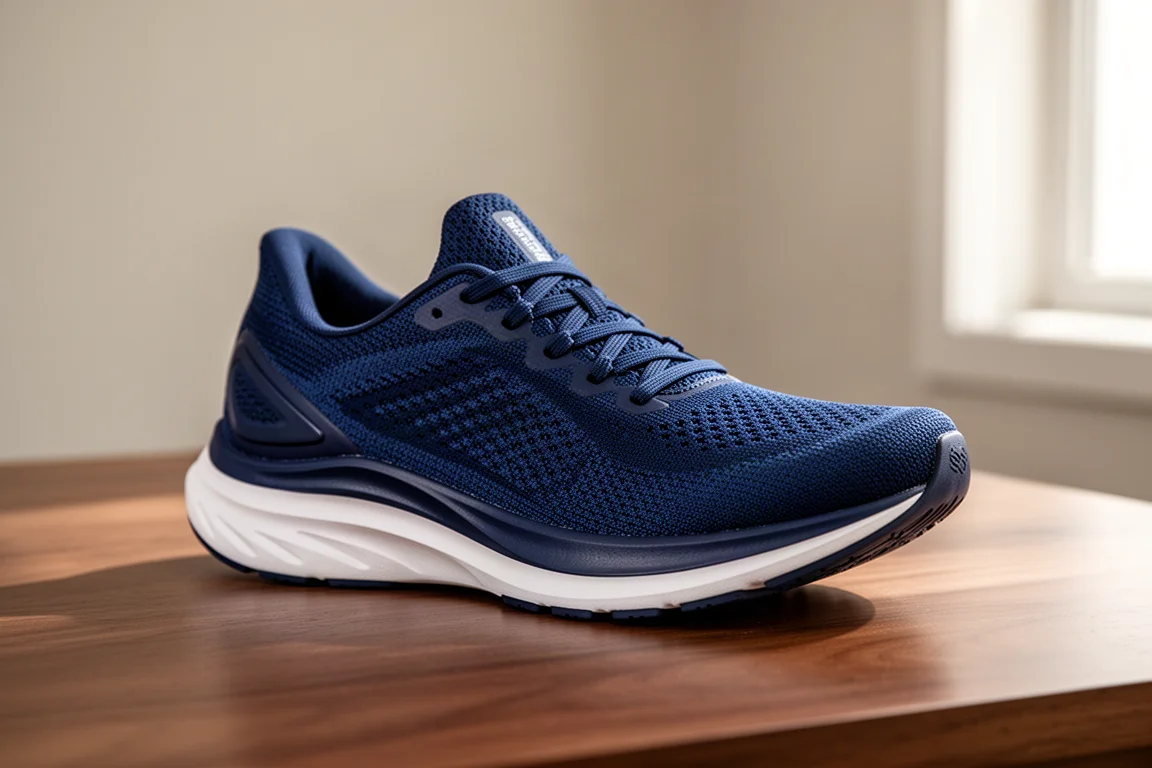
Both shoes fit true to your normal running shoe length, so start with your usual size. The key difference is width. The Puma Velocity Nitro 4 is a narrow shoe, particularly around the midfoot and toe box, and runners with wide feet will likely struggle. The New Balance 1080 V15 has a more average fit with comfortable forefoot and midfoot space, plenty of padding, a nicely padded tongue, and a slightly higher upper. It is not a wide shoe in standard fit, but it is noticeably more accommodating than the Puma.
New Balance 1080 V15: A Major Overhaul
The 1080 V15 is a big overhaul of New Balance’s popular daily shoe. The most notable change is the removal of the long-standing Fresh Foam X and the introduction of InfiniCoin, a new supercritical foam designed to deliver better energy return and increased cushioning. There is also a new contoured upper built for comfort and breathability, updated geometry for a smooth heel-to-toe transition, a wider base for stability, and a thick layer of outsole rubber for grip and midsole protection. The result is a shoe that is lighter than its predecessor despite a slight increase in stack height.
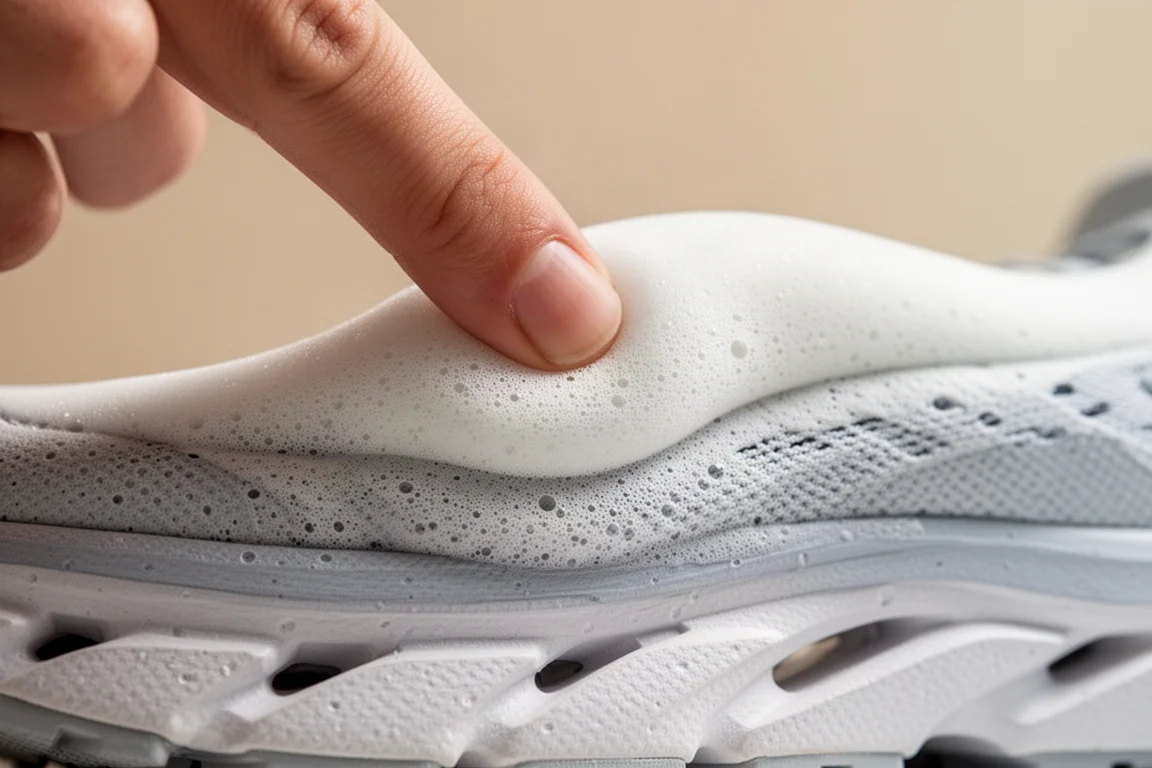
In testing, the InfiniCoin foam compresses nicely and returns a pleasant amount of energy, making this a more fun and enjoyable shoe than earlier 1080 versions. It is softer and more comfortable than the Puma, with more cushioning, more support, and a more stable ride, which makes it excellent for easy runs, tempo runs, and longer efforts. The trade-offs: the foam loses some energy return over the course of a long run, the outsole coverage is limited with a large exposed midsole section, and it is not the best choice for interval sessions or racing.
Puma Velocity Nitro 4: Value All-Rounder
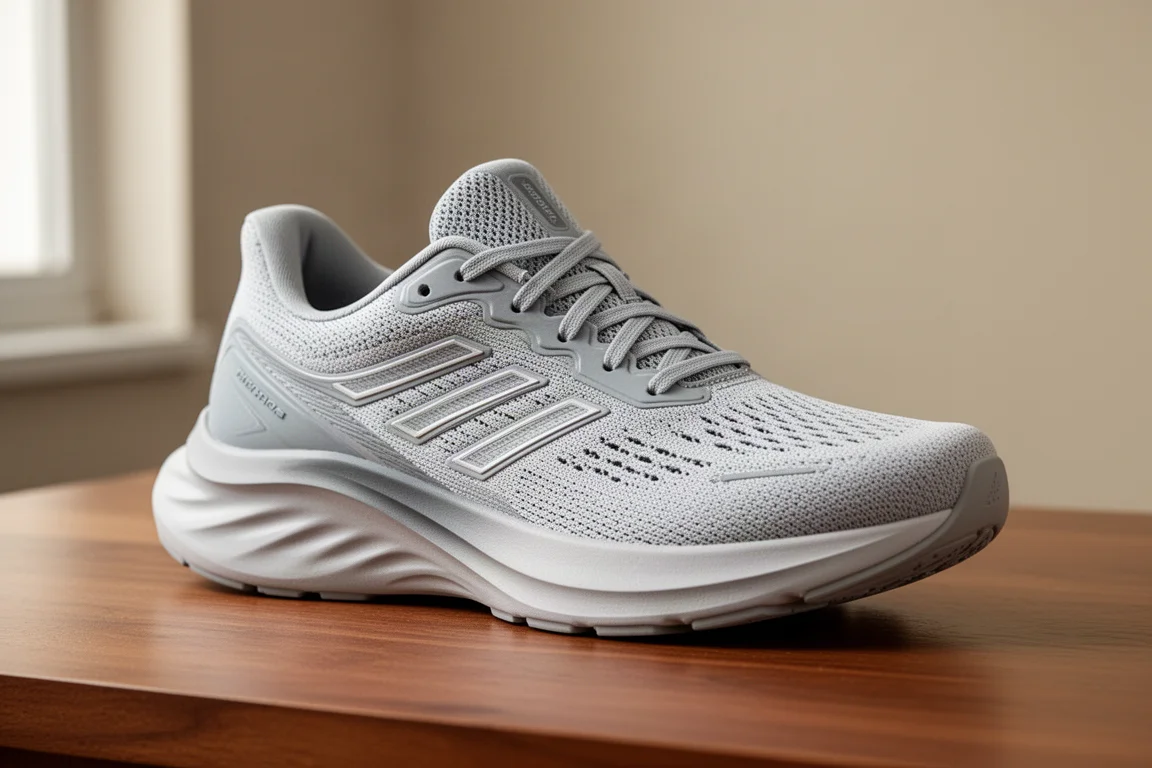
The Velocity Nitro 4 continues a line known for balancing durability, comfort, and versatility at a price that undercuts much of the competition. Puma updated the ride with a softer and lighter full-length Nitro Foam midsole for increased energy return, added a more breathable mesh upper with power tape for longevity and fit, and kept the generous full-length Puma Grip outsole, one of the best outsoles around, with traction good enough for lighter trails.
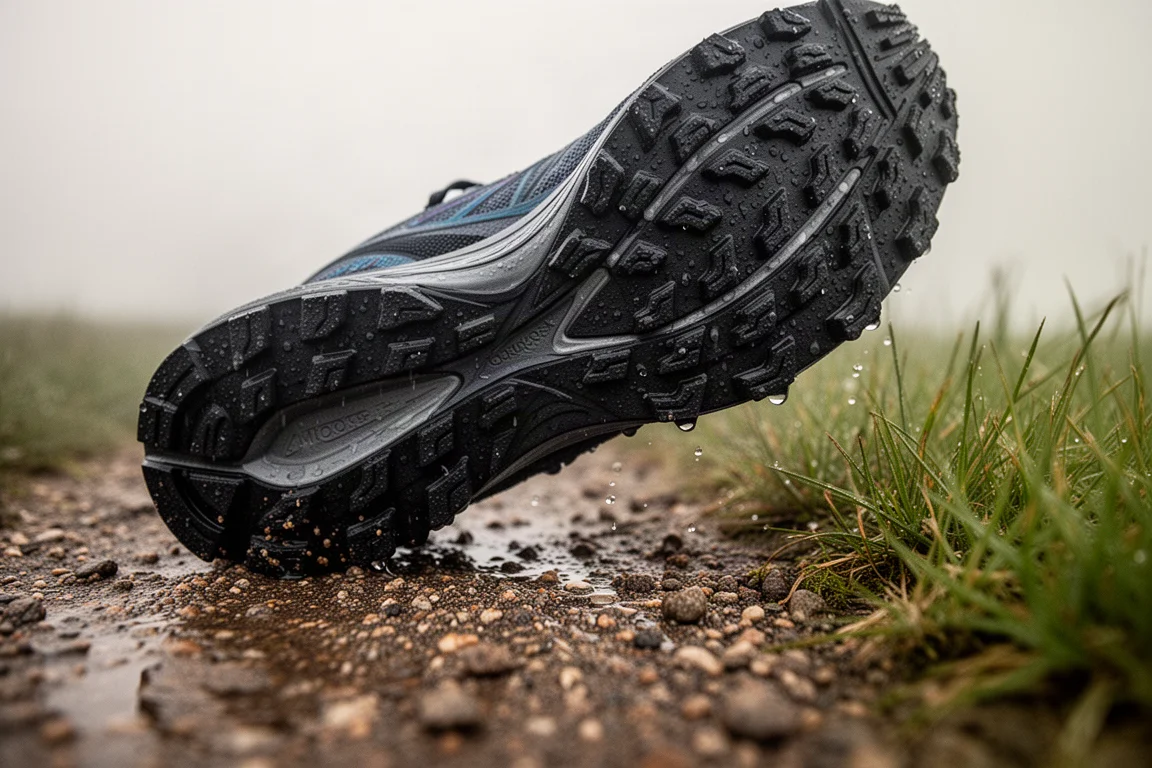
The narrow, nimble profile makes it feel light and zippy on the foot, and the poppy foam stays lively throughout long runs with enough comfort under the forefoot. It handles easy runs, faster sessions, interval work, and even the occasional race. It is not the softest or the fastest shoe in its class, but as a single do-everything trainer, especially on a budget, it is one of the best options available.
Verdict: Which Shoe Should You Buy?
If price were no object, the 1080 V15 is arguably the superior shoe: bouncier foam, more cushioning, a nicer rolling action, and strong performance across the whole spectrum of running. But the Puma delivers so much of the same capability for far less money that it wins on sheer value, and it is genuinely enjoyable for a wider mix of runs than its cushioned-cruiser reputation suggests.

For runners on a budget, the Velocity Nitro 4 is fantastic and you lose surprisingly little, particularly at the deal prices floating around. If you want the most comfortable, most cushioned, and most premium-feeling shoe of the two, or you have wide feet, the 1080 V15 is the one to pick.
Conclusion
Both shoes work as versatile daily trainers that could tick a lot of boxes and double as great holiday shoes. The 1080 V15 offers superior comfort, cushioning, and a foam that many will love, while the Velocity Nitro 4 offers outstanding value, better grip, and a livelier ride. Choose based on your foot width, your preferred ride feel, and your budget.
Further reading
Related Reviews

Running Shoes
Best Road-to-Trail Running Shoes: Three Versatile Options for Mixed Terrain
A practical guide to three road-to-trail running shoes that handle both pavement and mild trails, with clear strengths and trade-offs for different runner types.

Running Shoes
Best Running Shoes for Achilles Tendonitis: Three Options Explained
Three running shoes with different heel drops and support features designed to help reduce Achilles tendon pain during walking and running.

Running Shoes
Best Running Shoes for Women: Five Top Choices Ranked
A ranked guide to five women's running shoes, from versatile daily trainers to high-performance racing options, with real strengths and trade-offs for each.