Running Shoes
New Balance 1080 V15 vs Asics Novablast 5: Which Daily Trainer Deserves Your Miles?
Two of the most popular cushioned daily trainers go head to head on foam, fit, ride feel, and value to help you pick the right one.
Introduction
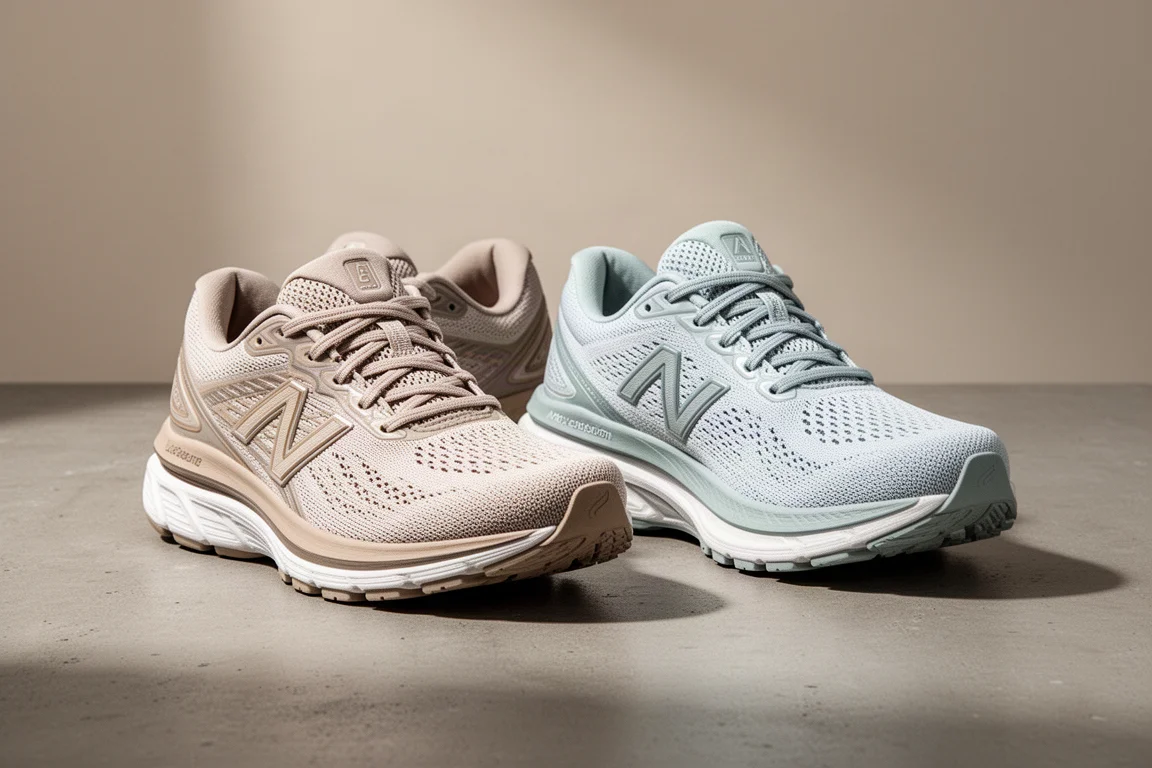
The New Balance 1080 V15 and the Asics Novablast 5 are two of the most popular cushioned daily trainers on the market, and both aim to do the same job: hoover up easy miles, handle steady runs, and still cope when you push the pace. This comparison breaks down how they differ on foam, fit, ride feel, and value, so you can decide which one belongs in your rotation.
At a Glance: Specs and Pricing
The New Balance 1080 V15 costs £170 or $170, weighs 251g (8.9 oz) for men in a size 8, and has a 6mm drop. The Asics Novablast 5 costs £135 or $140, weighs 256g (9 oz) in the same size, and has an 8mm drop. Both sit at the versatile end of the cushioned shoe spectrum, comfortable enough for easy days but with a bit more top-end speed than many max-cushion options.

What Changed in Each Shoe
The 1080 V15 is a big overhaul of New Balance’s long-running daily trainer. The most notable change is the removal of the long-standing Fresh Foam X and the introduction of a new supercritical foam designed to provide better energy return and increased cushioning. There is also a new contoured upper built to improve comfort and breathability, updated geometry for a smooth heel-to-toe transition, and a wider base for a good balance of stability. A thick layer of outsole rubber adds grip and protects the midsole foam. The result is a shoe that is lighter than its predecessor despite a slight increase in stack height.
The Novablast 5 continues its line with a new FF Blast Max midsole foam designed to be softer and bouncier while retaining the same weight as the Novablast 4. It swaps the previous woven material for a new jacketed mesh upper aimed at improving fit and breathability, keeps the trampoline-inspired outsole for comfort, and covers it with a healthy layer of rubber for grip and protection.
Ride and Midsole Foam
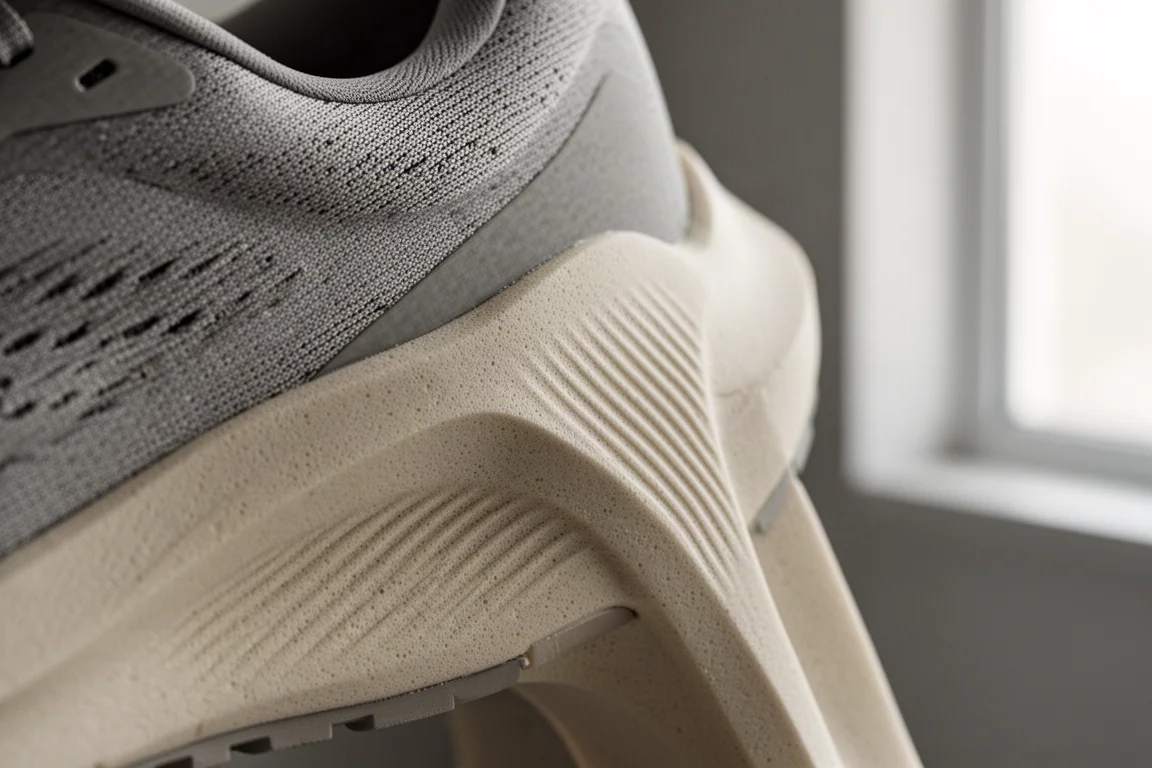
The 1080 V15’s new supercritical foam delivers a ride that is well cushioned and protective, but with more rebound than previous generations. There is more impetus at toe-off, and the shoe can push marathon pace when needed while still being good for easy runs. There is life underfoot, and the ride never felt like digging your way out of the shoe, even on tired legs. During a two-hour split run test with two long efforts and a 30-minute break in between, the shoe performed excellently, and it should hold up comfortably for long efforts of up to around four hours.
The Novablast 5’s FF Blast Max foam is slightly softer than past generations with a touch more bounce. It offers a smooth ride that responds well at toe-off and feels springy but controlled. When form is good and the pace rises, it feels energetic, yet it remains cushioned enough for slower paces. The Novablast has a slightly wider and marginally firmer platform than the 1080, while the 1080 has a bit more soft and spring, particularly noticeable in the heel.
Fit and Sizing
Both shoes run true to your normal running shoe size, though UK sizing differs between brands: a UK 9 is a US 9.5 in New Balance and a US 10 in Asics, so UK buyers should note the New Balance comes up slightly smaller. The Novablast 5 is a little roomier, with a slightly higher-volume toe box and more forefoot space to flex. The 1080 V15 fits a bit more snugly and compactly, which some runners will prefer for a connected feel, though anyone wanting extra forefoot volume may consider going half a size up.
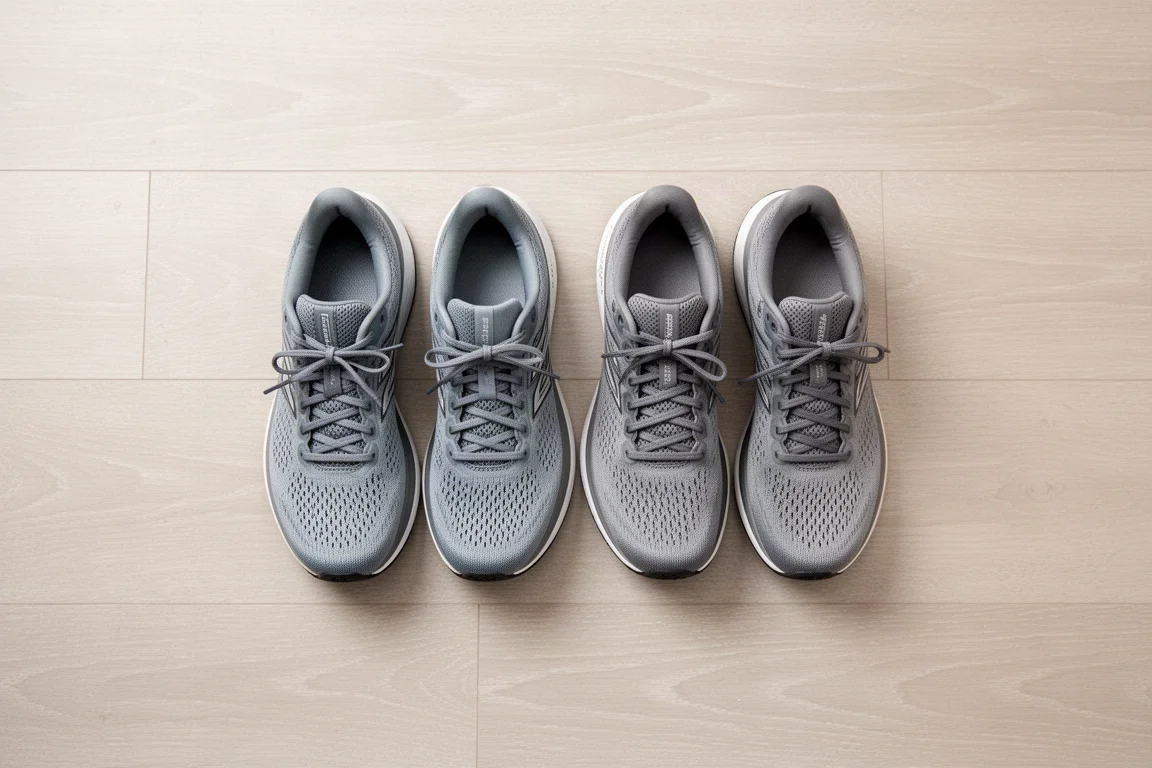
In the midfoot, both shoes offer good secure lockdown. The 1080 has a significantly padded, structured tongue that holds its position well, while the Novablast uses a thinner, race-like tongue that saves weight but can be tricky to get into place. Heel padding is similar in both, and both held well during testing.
Stability and Outsole
The Novablast 5 feels like the bigger shoe on the foot: girthy, wide, and max-cushion in character, though still lightweight. The 1080 has a more traditional, lower-to-the-ground feel that makes it feel a bit more nimble, and it turns over nicely. Stability is quite similar between the two, with the Asics arguably slightly more stable thanks to its wider platform.
On the outsole, the Novablast 5 has excellent coverage with very little exposed midsole and no issues reported in the wet. The 1080 V15 has a large area of exposed midsole, but the rubber is thick and provides good protection across the full shoe; the long-term durability of the exposed midsole area remains to be seen, though it feels sturdy.
Verdict: Heart vs Wallet
Both are very competent, nicely versatile utility shoes that can eat a lot of training miles across a good range of paces, and both make good potential beginner shoes. The choice comes down to preference. If you want a roomier forefoot fit, a slightly wider and more reliable platform, and a bit more forefoot bounce on longer runs, go for the Novablast 5. If you want more life and spring, a more compact and sprightlier feel, and a superior midsole foam, the 1080 V15 is the pick.
The Novablast 5 is the better value shoe: it is cheaper, older, and more likely to be found in sales, which could save you around £30. If money is the deciding factor, it is the easy choice. If you are choosing based on which shoe is more enjoyable to run in, the 1080 V15 edges it, and it is arguably the better-looking shoe too.
Which One Should You Buy?
If you run mostly easy and daily miles and want maximum comfort under the forefoot for long runs, the Novablast 5 delivers more foam and a livelier forefoot at a lower price. If you want one shoe that cushions well but can genuinely push the pace, and you value a compact, agile feel, the 1080 V15’s new foam makes it the more exciting option this generation. For runners considering alternatives, the New Balance Rebel v5 offers a faster, lighter ride at a lower price, and the Puma Velocity Nitro 4 is significantly cheaper while delivering a ride and foam quality close to the 1080 V15.

Conclusion
The 1080 V15 and Novablast 5 perform at a very similar level across the same kinds of runs, so your decision mostly comes down to fit preference, ride character, and budget. The heart says 1080, the wallet says Novablast, and either way you end up with a dependable daily trainer.
Product link
View more details for New Balance 1080 V15
This product is mentioned in the review. Check the specifications, options, and compatibility before buying.
View more details for New Balance 1080 V15Further reading
Related Reviews

Running Shoes
Best Road-to-Trail Running Shoes: Three Versatile Options for Mixed Terrain
A practical guide to three road-to-trail running shoes that handle both pavement and mild trails, with clear strengths and trade-offs for different runner types.

Running Shoes
Best Running Shoes for Achilles Tendonitis: Three Options Explained
Three running shoes with different heel drops and support features designed to help reduce Achilles tendon pain during walking and running.

Running Shoes
Best Running Shoes for Women: Five Top Choices Ranked
A ranked guide to five women's running shoes, from versatile daily trainers to high-performance racing options, with real strengths and trade-offs for each.