Running Shoes
New Balance 1080 V15 vs ASICS GEL-Nimbus 28: Which Cushioned Daily Trainer Wins?
Two flagship cushioned daily trainers go head to head on weight, foam, fit, stability and value to help you pick the right one for your easy miles.
Introduction
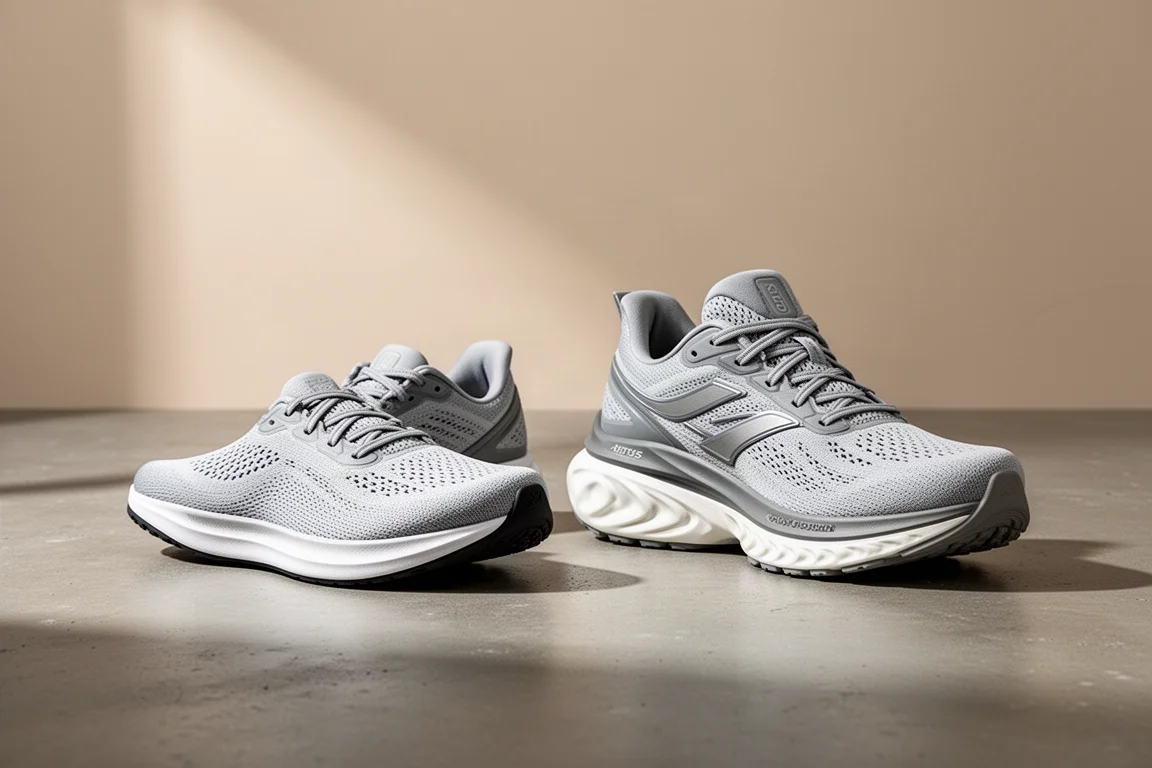
Few matchups in the daily trainer category are as reliable as the New Balance 1080 series against the ASICS GEL-Nimbus series. Both franchises have been around for many years, and both of these latest iterations are daily cushion shoes built to tick off the miles comfortably. The interesting twist is how different these two versions are from their predecessors: the 1080 V15 is a major overhaul with entirely new foam, while the GEL-Nimbus 28 refines a formula that has already settled into a comfortable rhythm.
After testing both across easy runs, steady progression runs, and 90-minute long efforts, the picture is clear: one of these shoes has clearly raised its game, while the other remains a safe, plush cruiser.
At a Glance: Specs and Price
The numbers set the tone for this comparison. The ASICS GEL-Nimbus 28 costs £180 or $170, weighs 272 g (9.6 oz) for men in a size 8, and has an 8 mm drop. The New Balance 1080 V15 also costs £170 or $170, but it weighs noticeably less at 251 g (8.9 oz) in the same size, with a 6 mm drop.
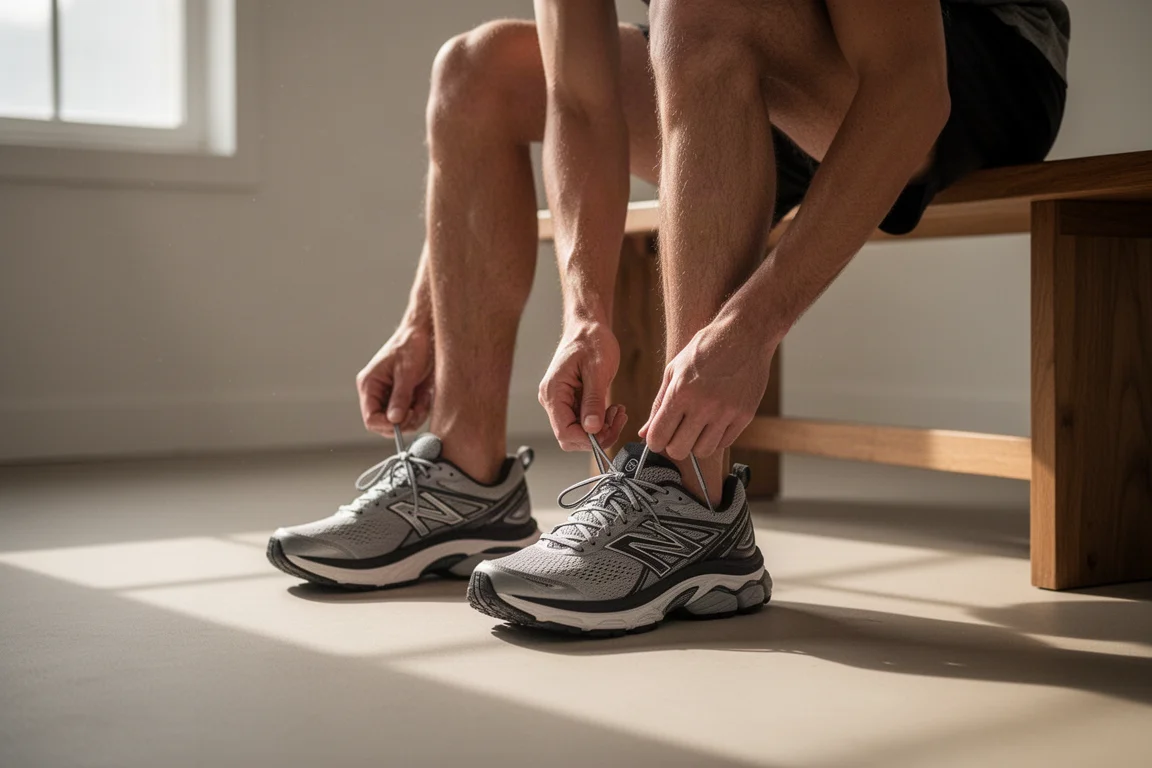
At essentially the same price, you are not saving money by picking one over the other, so the decision comes down to ride feel, fit, and how versatile you need your daily trainer to be.
What’s New in Each Shoe
The GEL-Nimbus 28 keeps much of what made previous versions work, with targeted updates aimed at improving the ride and trimming weight. There is a new engineered knit upper for breathability and a supportive fit along the length of the shoe, plus a redesigned hybrid ASICS Grip outsole that delivers reliable traction while keeping a soft, flexible feel. Returning features include a knit tongue with a loop for easy slip-on, Pure GEL technology for shock absorption and softer, more stable landings, and an FF BLAST PLUS midsole for a balanced, well-cushioned ride.
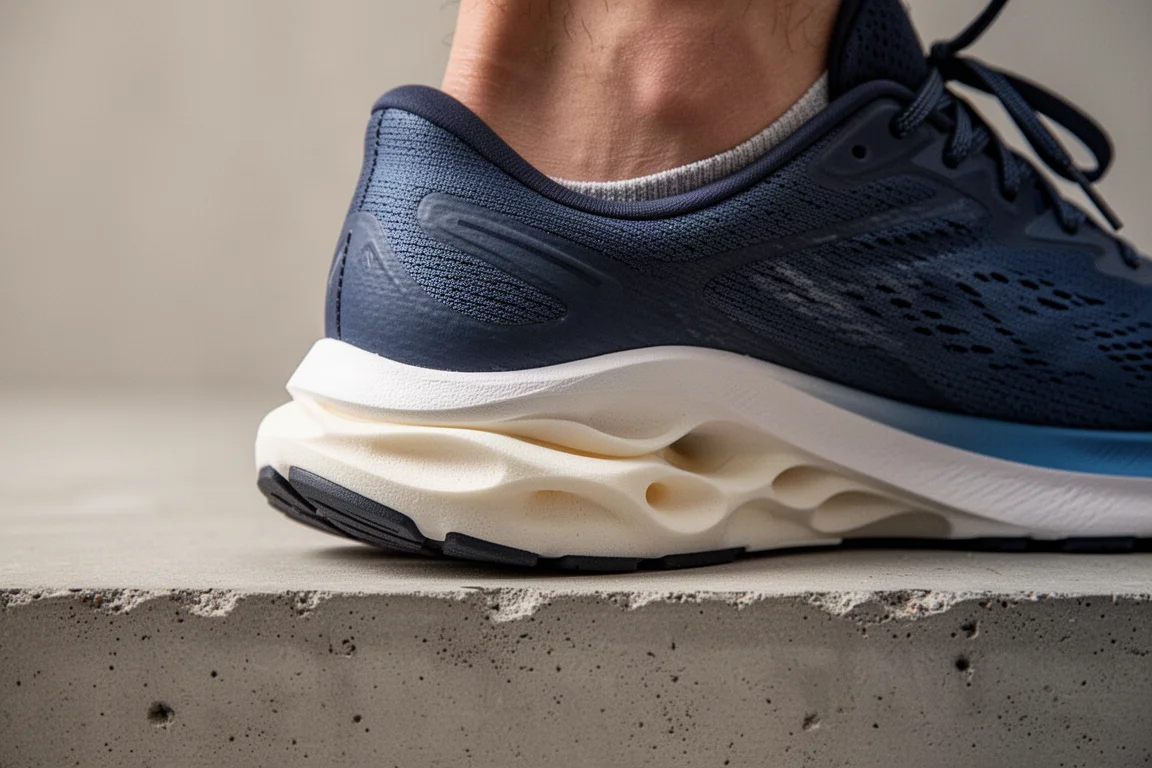
The 1080 V15, by contrast, is a big overhaul. The long-standing Fresh Foam X is gone, replaced by ENCAP, a new supercritical foam designed for better energy return and increased cushioning. There is also a new contoured upper for comfort and breathability, updated geometry for a smooth heel-to-toe transition, a wider base for stability, and a thick layer of outsole rubber for grip and midsole protection. The result is a shoe that is lighter than its predecessor despite a slight increase in stack height.
Fit and Sizing
Sizing is broadly true to size in both shoes, but there is a conversion quirk worth knowing if you are buying from the UK. The same UK size converts to a slightly larger US size in the ASICS than in the New Balance, so the Nimbus comes up a little bigger in the same UK size. Sticking with your normal running shoe size should give a perfectly good fit in either shoe.
In practice, the Nimbus is the roomier shoe, especially in the toe box, and its big padded heel collar boosts comfort. The 1080 comes up a bit more snug and secure, and while its toe box has just about enough room for most daily mileage, if you plan to be on your feet for two or three hours, going half a size up in the 1080 may be worth considering. Neither upper is especially breathable, though the 1080 is marginally more airy, and neither shoe produced slipping, lockdown problems, or hot spots during testing.
Ride and Foam: Where They Differ
This is the heart of the comparison, and where the gap has widened. The Nimbus 28’s FF BLAST PLUS foam has been tweaked, and it is noticeably better than the previous version, which could feel a bit deadening. The ride is smoother now and the shoe is lighter, but the foam still is not especially soft or bouncy. It is balanced foam that soaks up impact, gives a little back off the forefoot, and provides a natural, stable platform. It is a big, plush, protective cruiser that does its job well without much excitement.

The new ENCAP foam in the 1080 V15 is the standout of this matchup. It compresses a lot but gives plenty back, delivering a soft yet bouncy ride that makes easy runs genuinely enjoyable. It is not the most energy-filled shoe on the market, but for a daily trainer it returns an impressive amount of bounce. One caveat: on a long run, the foam can bottom out slightly and lose some of its life by the end, though even then it still offers more bounce than the ASICS.
Performance: Easy Miles vs Picking Up the Pace
Both shoes are geared toward the cruising, easier end of training rather than the fastest portion of your mileage. The Nimbus excels when comfort matters more than speed: it is stable, protective, soft, and smooth, and this iteration does all of that better than the last generation. It may also suit heavier-landing runners better than the 1080. But it is heavy and a bit too much shoe to want to run anything faster in. Slow cushion, reliable, and consistent is a fair description.
The 1080 V15 also handles slow miles well, but its lighter, more compact, lower-stack design gives it a real edge in versatility. It can comfortably push up toward marathon pace, and there is enough energy underfoot that you never feel like you are digging your way out of the shoe. Older 1080s were much closer matches to the Nimbus; with this generation, the performance gap between the two is much wider.
Durability and Outsole
Both shoes impressed here. The 1080 V15 has a thick layer of rubber on the front and rear of the outsole that is genuinely grippy, with sturdy midsole showing no signs of wear. The Nimbus 28’s updated hybrid outsole covers a similar area with an equally thick rubber layer and holds up just as well. Neither showed concerning wear or tear over testing distances north of 50 km in the ASICS and more than 100 km in the New Balance, across easy, steady, and long runs.
Verdict: Which Should You Buy?
If you are choosing between just these two shoes, the New Balance 1080 V15 is the stronger pick for most runners. It is lighter, more compact, and more versatile, with a livelier and more energetic foam in the midsole, and it wins on looks for around the same price. It delivers good levels of protection while still having more to give when you pick up the pace.
The case for the GEL-Nimbus 28 rests on stability and sheer plushness. Its firmer midsole and wider, more stable platform make it the better choice if you need a stable neutral cushioned shoe, are a beginner who wants something balanced rather than too soft, or simply want maximum protection for slow, comfortable miles. If that super plush, reliable, road-taming cushion is what you need, the Nimbus always delivers it. But the 1080 V15 gets you closer to the best of both worlds.
Conclusion
The 1080 V15 is the more enjoyable daily trainer of the two, with softer, springier cushioning and genuine versatility beyond easy pace, all at the same price as the Nimbus. The GEL-Nimbus 28 remains a solid, stable, protective cruiser that will soak up miles reliably, but with only really one gear, it makes sense mainly for runners who prioritise maximum cushioned comfort and a stable platform above everything else.
Product link
View more details for New Balance 1080 V15
This product is mentioned in the review. Check the specifications, options, and compatibility before buying.
View more details for New Balance 1080 V15Further reading
Related Reviews

Running Shoes
Best Road-to-Trail Running Shoes: Three Versatile Options for Mixed Terrain
A practical guide to three road-to-trail running shoes that handle both pavement and mild trails, with clear strengths and trade-offs for different runner types.

Running Shoes
Best Running Shoes for Achilles Tendonitis: Three Options Explained
Three running shoes with different heel drops and support features designed to help reduce Achilles tendon pain during walking and running.

Running Shoes
Best Running Shoes for Women: Five Top Choices Ranked
A ranked guide to five women's running shoes, from versatile daily trainers to high-performance racing options, with real strengths and trade-offs for each.