Running Shoes
New Balance 1080 v14 vs 1080 v13: Which Cushioned Daily Trainer Should You Buy?
The 1080 v14 brings back a touch of firmness and stability, while the v13 stays the softest of the line. Here is how the two compare for everyday training.
Introduction
The New Balance 1080 line is built to bring bucket loads of comfort to your easier daily training miles. Over the past few generations it has moved from firmer to softer, and the newest 1080 v14 has brought some of that stiffer snappiness back. If you have been wondering whether the v14 or the previous 1080 v13 is better suited to your running, this head-to-head breaks down the differences so you can pick with confidence.
Key Specs and What Changed
The 1080 v14 retains the same 38/32 mm wedge of Fresh Foam X in the midsole and the same 6 mm drop as the 1080 v13. Weight has increased, though: a UK men’s 8.5 now tips the scales at 10.1 oz (285 g) versus 9.2 oz (260 g) for the v13. The price stays the same at £160 / $165, sitting firmly in the mid-range bracket for a daily trainer.
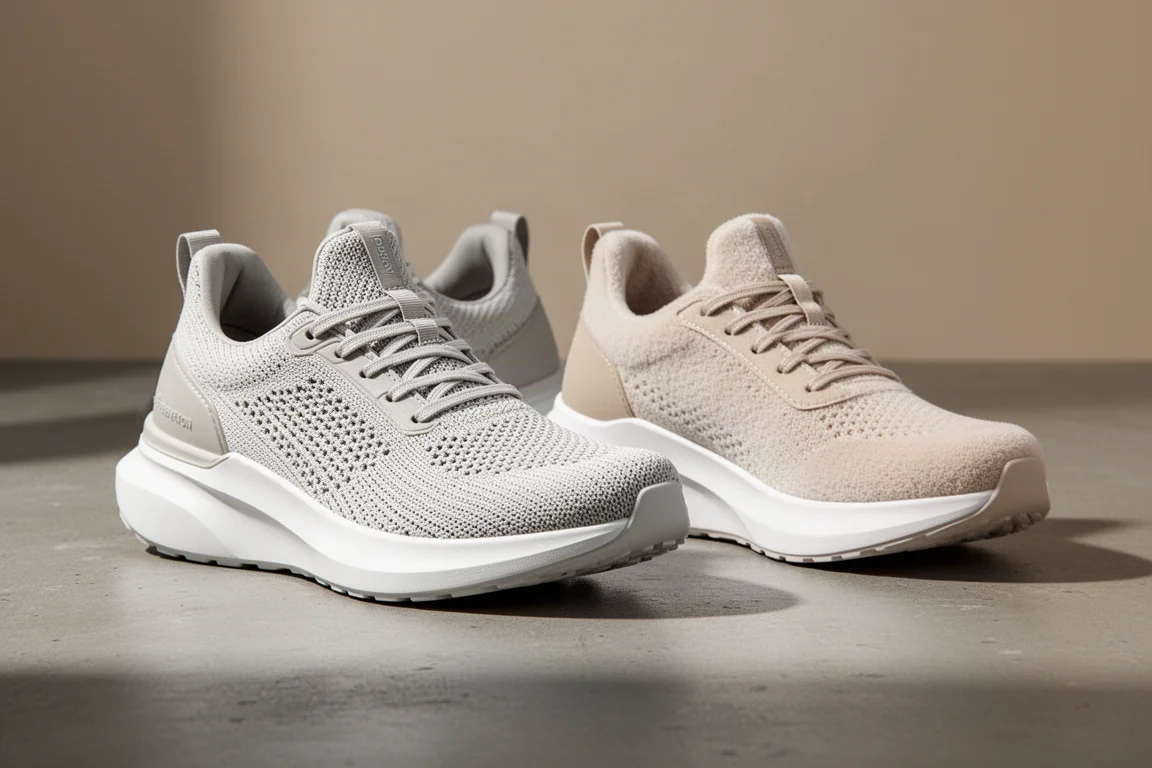
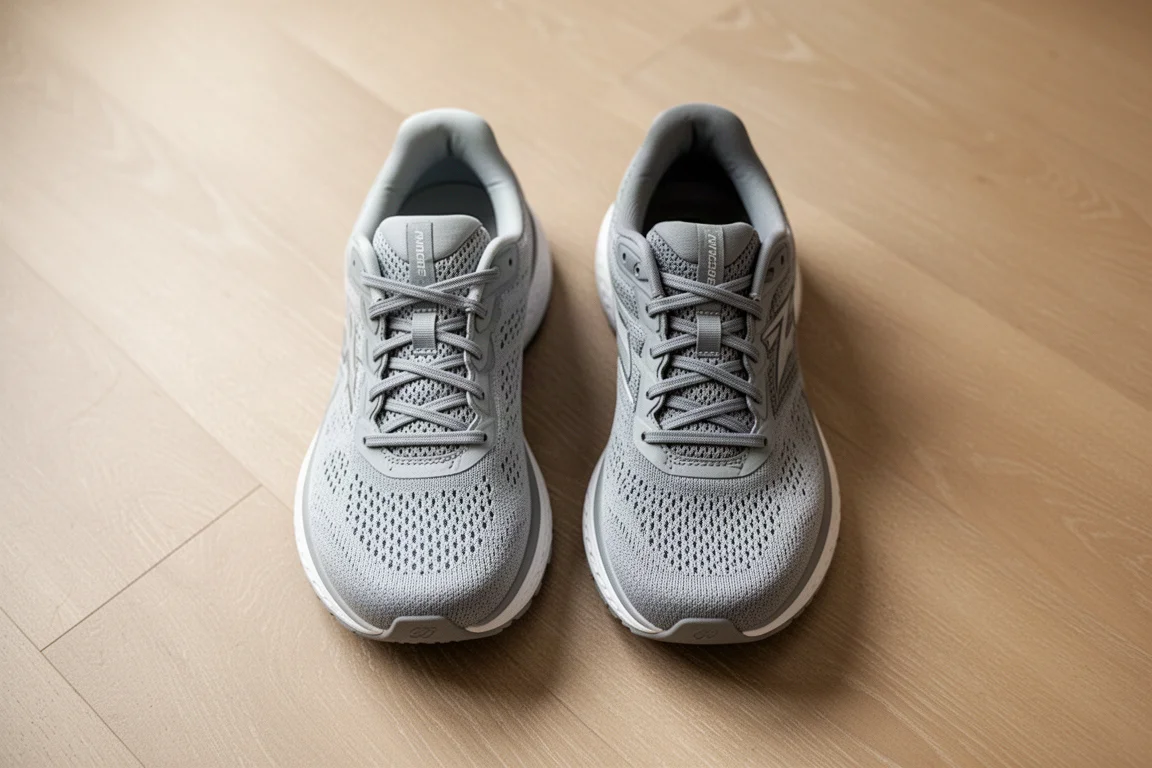
Out of the box, the v14 looks very much like the v13: same stack, rocker midsole, mesh uppers and ample padding. Both shoes shout comfort. The changes are modest but meaningful. The main difference is in the midsole, where small changes to the geometry improve stability and support, bringing increased stiffness in the forefoot to help with toe-off. That makes the midsole feel tuned slightly firmer than the v13. Up top, new engineered mesh is designed to improve breathability but wraps more snugly, with noticeably less flex in the toe box. The heel collars and gusseted tongues offer the same plush padding, and the lacing structure looks untouched.

The 1080 v13: Softness Above All
The v13 is something of an anomaly in the 1080 range because its midsole foam is radically softer than previous versions. That transforms what the shoe is for: a very comfortable, very plush ride that excels for easy runs and recovery runs. It is one of the best shoes around for those slower days where comfort is the priority and you are not chasing energy return.
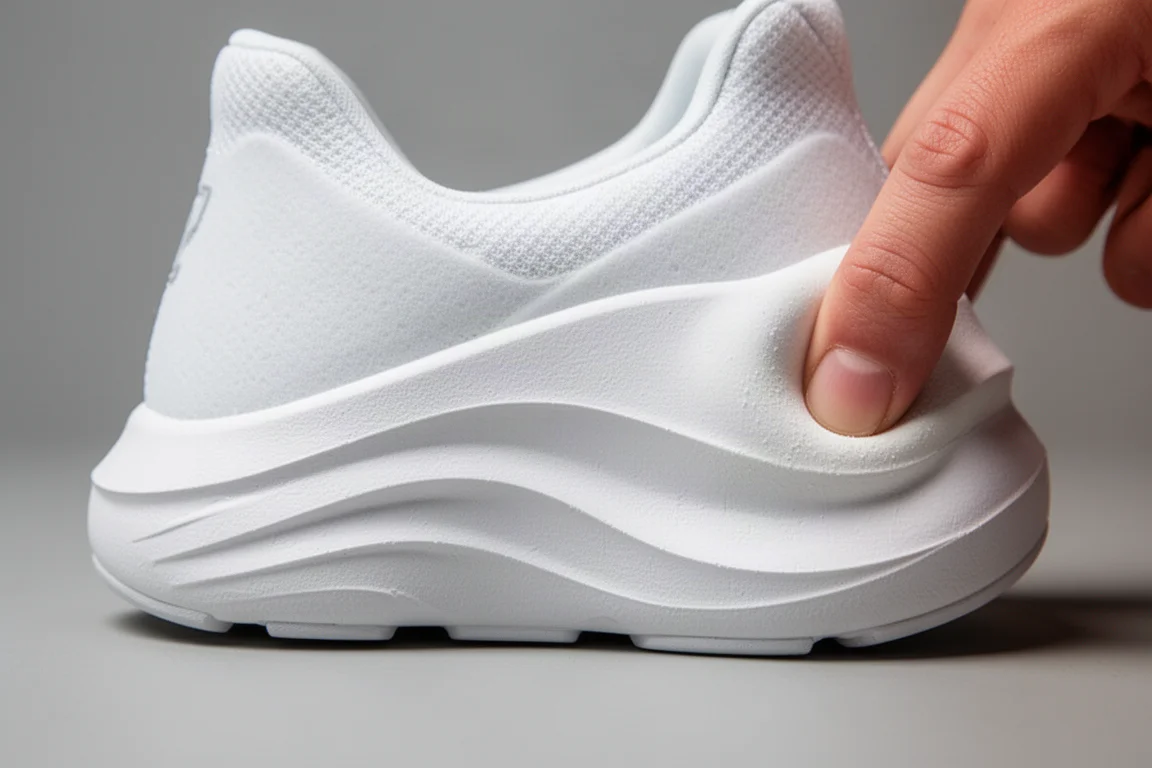
The flip side is versatility. On faster sessions or longer distance runs, the v13 does not give much back. There is little responsiveness or resiliency, and some testers found the ride slightly mushy on heel landings, with transitions that did not flow as smoothly. If Supreme softness is what you want in an easy-day shoe, though, the v13 delivers exactly that.
The 1080 v14: A More Balanced Ride
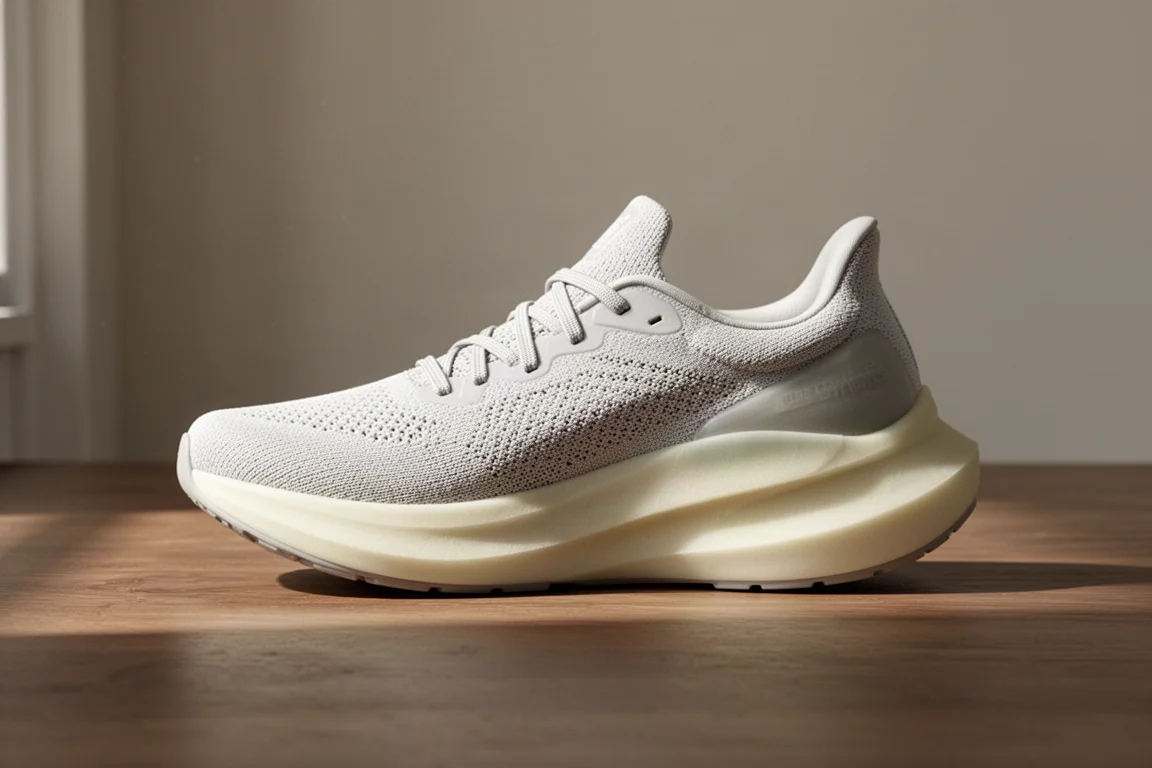
The v14 has a more balanced midsole: a bit firmer, with more stability and a feeling closer to the 1080 v12 and earlier versions, though still in between the very soft v13 and those older, firmer shoes. It remains very comfortable for easy runs, but the extra firmness gives you more to push against, so the ride feels smoother and more immediate with a quicker response from the foam.
That makes the v14 the better pick if you want one shoe for lots of different types of running. It has a bit more responsiveness, it is more capable over longer distances, and beyond 10 or 11 miles it feels more protective, stable and controlled than the v13 when your legs start to tire. It is still a soft, cushioned shoe with a moderate rocker, easy to run at easy to moderate paces, and it rivals shoes like the Asics Gel Nimbus 26, Saucony Triumph 22 and Endorphin-type comfort options in the plush cushioning category.
Outsole and Durability
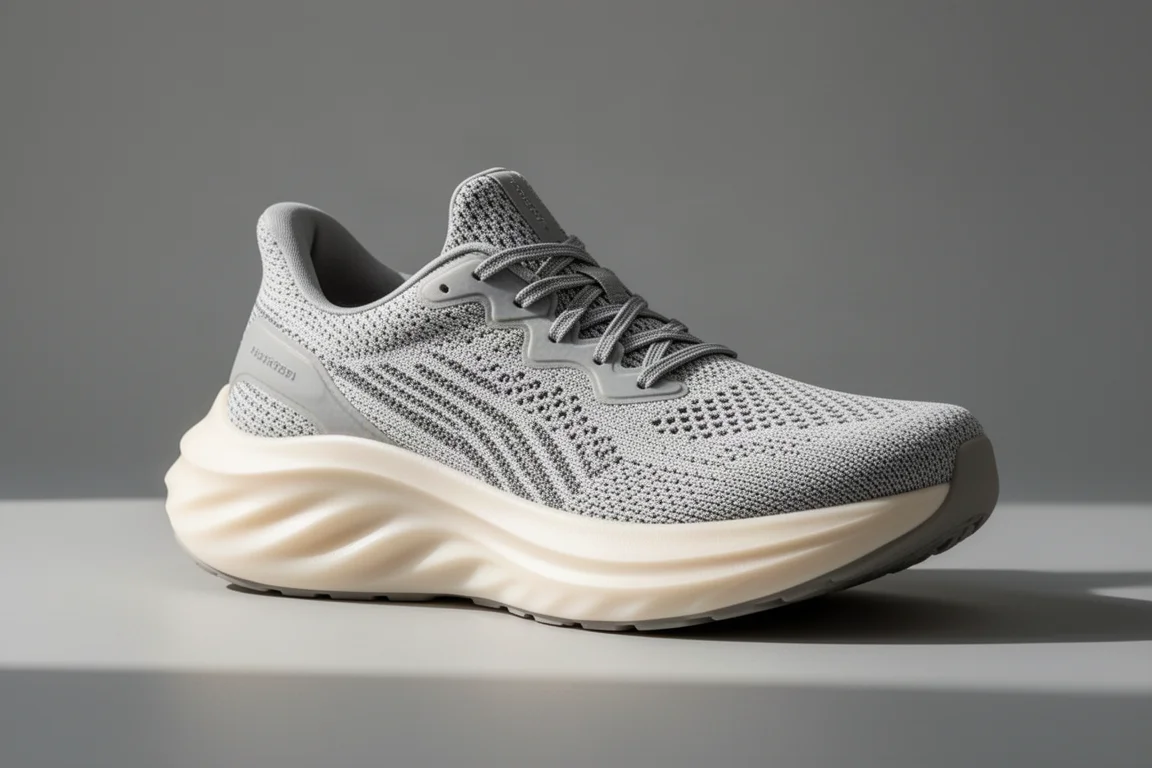
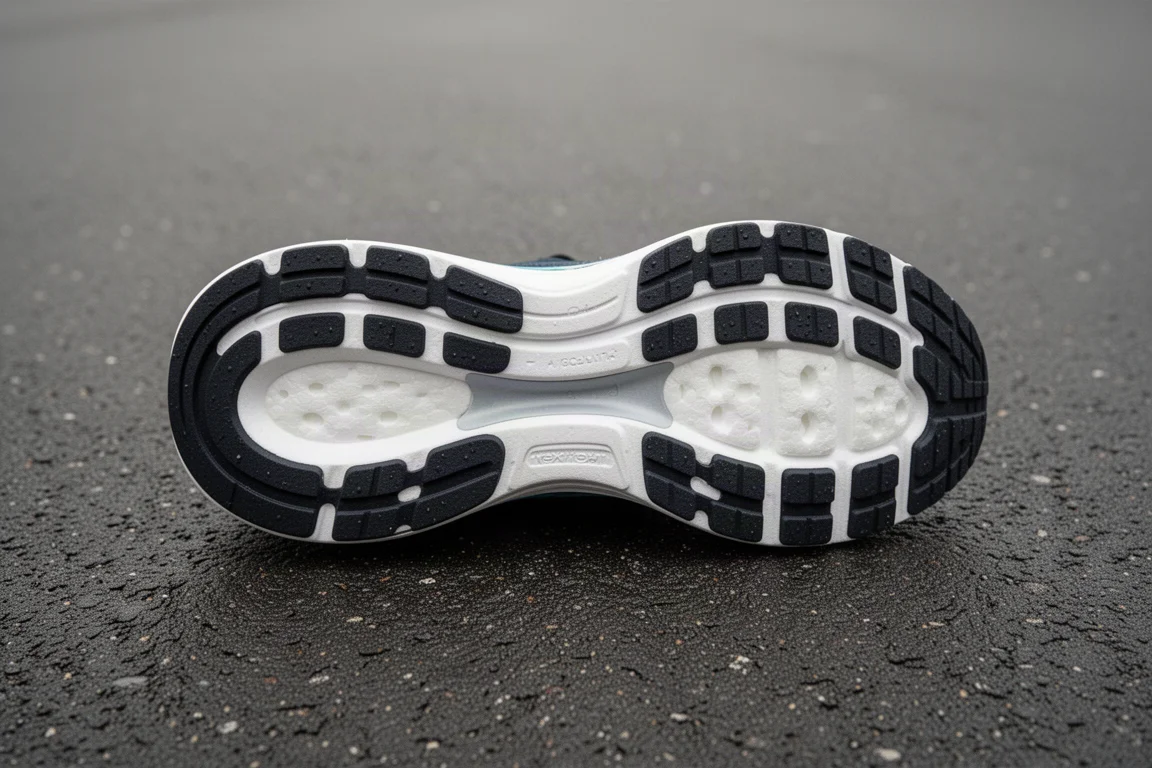
The outsoles differ slightly, with the v14 changing the rubber coverage from a flex-groove style grip to a horseshoe pattern around the mid to forefoot, plus a single protective pad in the middle of the forefoot. The heel rubber patches look thicker and more durable on the v14. Neither shoe is the grippiest around, but both offer solid, average grip that handles pavement and roads well, with lighter trails probably fine too. There are quite a few exposed sections, especially on the v14, but no wear problems were seen over roughly 70 km of testing, and the thick rubber should take a long time to wear down to the foam.
Fit and Sizing Advice
Both shoes run true to size for most testers, with good room in the toe box and solid hold around the heel and midfoot. The v13 just has a little more room overall in the toe box, with more flex at the toe knuckles, giving a roomier and more airy feel. The v14 feels slightly shorter in the toe box, a bit more snug across the top of the midfoot and more wrapped overall, partly because the upper feels thicker and the tongue a bit more padded.
Neither is the broadest-fitting shoe, and the toe boxes are not overly generous, so some runners may want to go half a size up. If you have wider or higher-volume feet, or want a bit more length, the v14 is also available in a wide option. Heel collars and tongues do pretty much the same job in both, with no slipping and good security around the heels.
Which One Should You Buy?
If you want the softest possible ride, a really cushy shoe for easy and recovery miles, go for the 1080 v13. It works fine for comfortable 5Ks and 10Ks, and it is the lighter and more agile of the two, so you may even find yourself rolling along at moderate paces more easily than you expect. It is not the shoe to buy if it is going to be your only pair, especially if you want to get faster or run long.
If you want a daily trainer that is still soft and plush but with more stability, better protection over long distances and marginally more pop, go for the 1080 v14. It is the better all-rounder, a solid single-shoe choice for newer runners and for first races that are not all-out efforts. For most people, the v14 is the 1080 to buy, and the v13 may also be found at a discount now that the newer version is out. Similar alternatives worth considering include the Saucony Ride 17, Adidas Supernova Prima, Nike Pegasus 41, Puma Velocity Nitro 3, Brooks Glycerin 21 and the Asics Gel Nimbus line.
Conclusion
Both shoes are reliable, consistent cushioned daily trainers with loads of comfort, and both come recommended for beginner runners. The v13 is the softest 1080 to date and a superb easy-day shoe, while the v14 adds a touch of firmness, stability and resilience that makes it the more versatile pick and the better choice for most runners. Choose based on how soft you want your midsole to feel underfoot.
Further reading
Related Reviews

Running Shoes
Best Road-to-Trail Running Shoes: Three Versatile Options for Mixed Terrain
A practical guide to three road-to-trail running shoes that handle both pavement and mild trails, with clear strengths and trade-offs for different runner types.

Running Shoes
Best Running Shoes for Achilles Tendonitis: Three Options Explained
Three running shoes with different heel drops and support features designed to help reduce Achilles tendon pain during walking and running.

Running Shoes
Best Running Shoes for Women: Five Top Choices Ranked
A ranked guide to five women's running shoes, from versatile daily trainers to high-performance racing options, with real strengths and trade-offs for each.