Running Shoes
New Balance 1080 v14 vs Saucony Triumph 22: Two Max-Cushion Daily Trainers Compared
Two of the most popular cushioned daily trainers go head to head on fit, midsole feel, stability, and which one deserves your easy miles.
Introduction
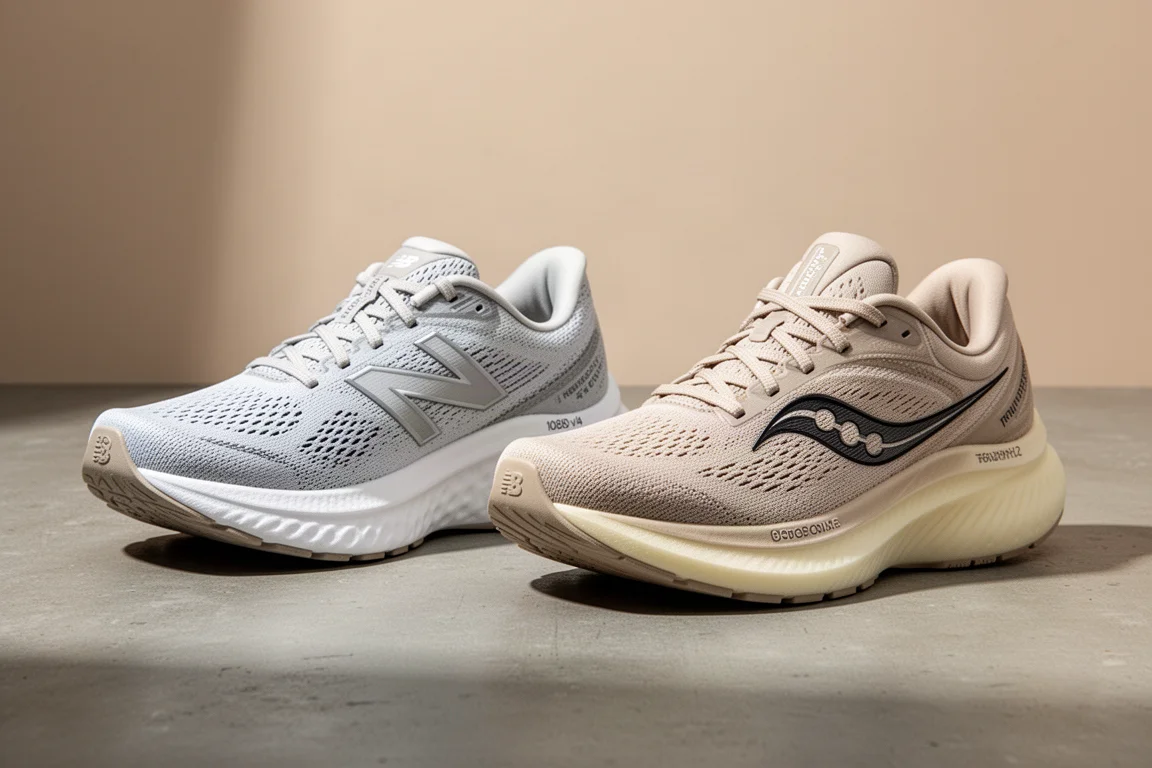
The New Balance 1080 v14 and Saucony Triumph 22 are two of the longest-running and most popular cushioned daily trainer lines, and both have been significantly updated this year. They share the same core mission: maximum cushioning, comfort, and protection for easy runs, recovery runs, and longer mileage days.
On paper they look like close rivals. In practice, testers found meaningful differences in ride feel, versatility, and overall enjoyment. Here is how they compare.
Specs and First Impressions
The New Balance 1080 v14 costs £160 or $164.99, weighs 287 g (10.1 oz) for men in a size 8, and has a 6 mm drop. The Saucony Triumph 22 costs £170 or $160, weighs 306 g (10.8 oz) in the same size, with a 10 mm drop.
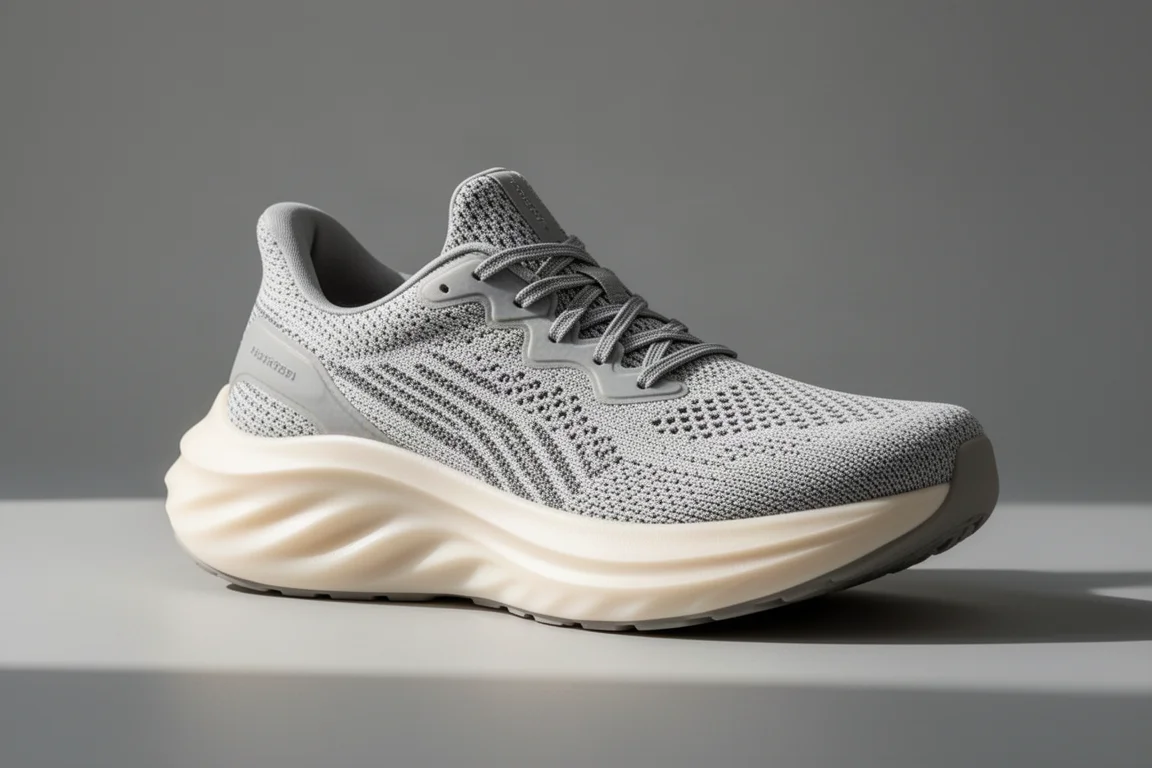
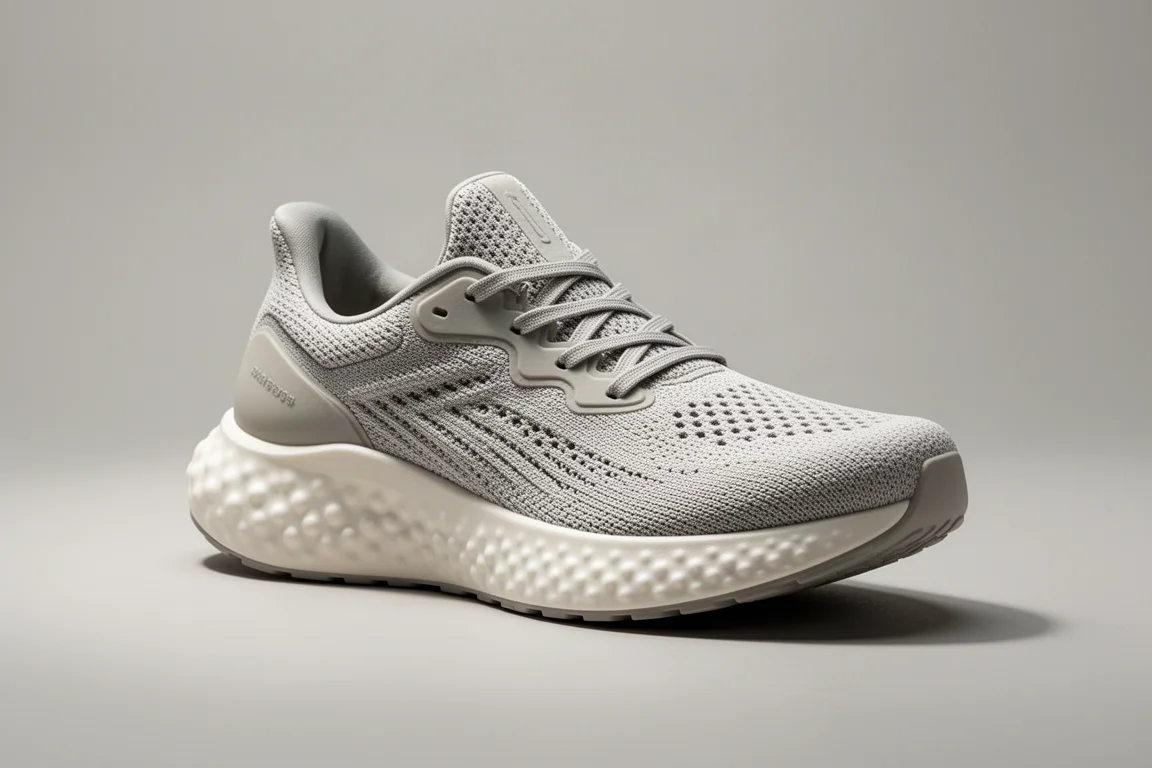
Both are substantial max-cushion shoes, but the Triumph is the bigger of the two: more padding, more volume, and a wider footprint. The 1080 feels like the lighter, nimbler shoe on the foot.
Fit and Sizing
Both shoes have plush padded heel collars, thick padded tongues, and roomy toe boxes. Testers running in their usual UK 8 to 9 (US 9 to 10 depending on brand) found both shoes true to size with good heel hold and midfoot lockdown.
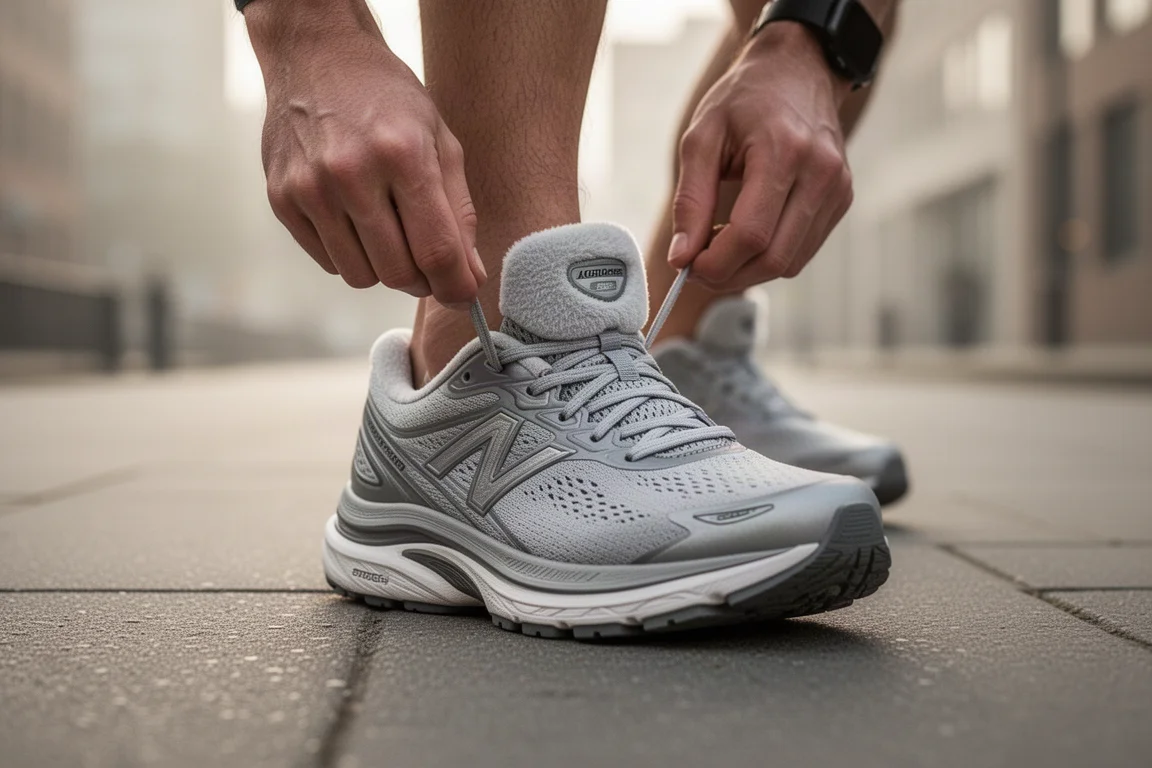
The Triumph 22 offers slightly more volume overall, especially around the toe knuckles, and more generous padding throughout. The 1080 v14 fits a touch more snug and dialed-in; if you like a very roomy fit, New Balance also offers it in a wide version. Saucony sizing tends to be very consistent across its range, while New Balance sizing can vary between models, though the 1080 line itself has been consistent for returning buyers.
Ride and Midsole Feel
This is where the two shoes diverge. The Triumph 22’s headline change is a new PWRRUN PB midsole, a PEBA-based foam also used in the Saucony Endorphin Pro 4 and Speed 4. It aims to improve cushioning, energy return, and responsiveness over the PWRRUN+ of the Triumph 21. On the road, though, testers found it protective and cushioned but not particularly lively: soft at the heel, dense through the midfoot, and heavy for pace changes, with only modest help from the rocker.
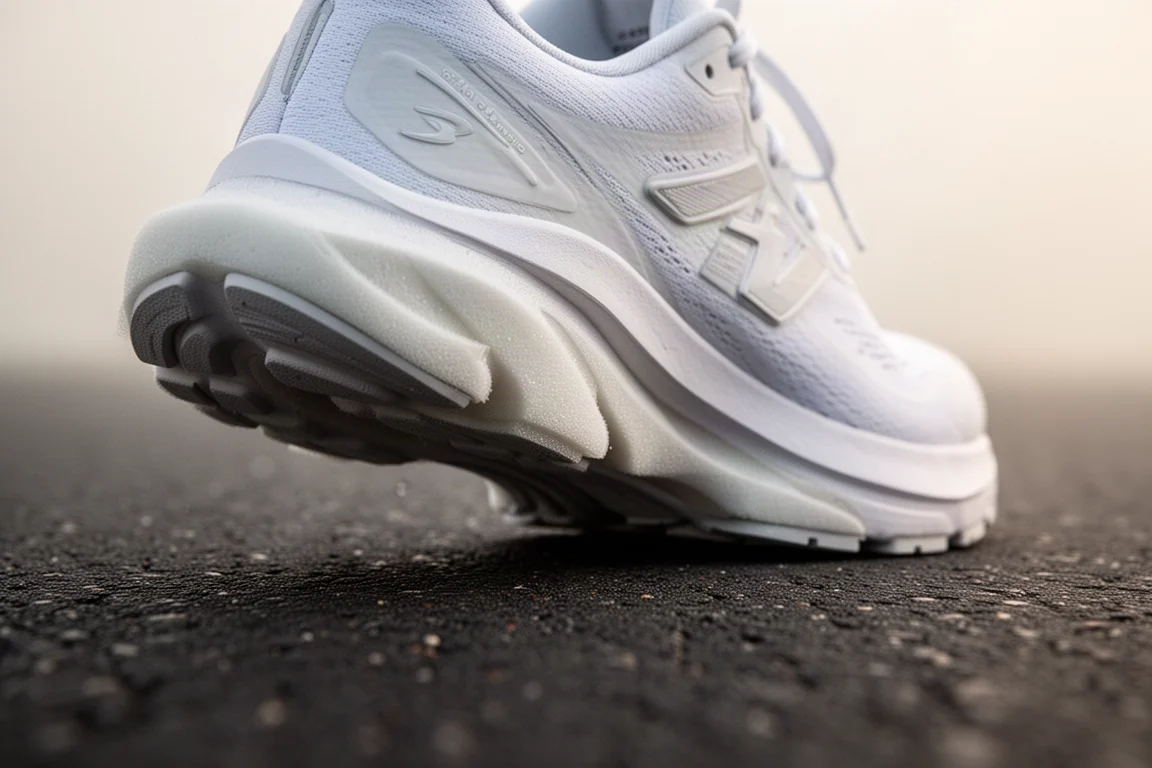
The 1080 v14 takes a different path. The previous v13 had a very soft Fresh Foam X midsole that polarized opinion: enjoyable but energy-sapping over long distances and slightly less stable. The v14 makes the foam slightly firmer and more resilient, restoring stability and adding a smoother heel-to-toe transition with a bit more pop off the forefoot. The result is a shoe that is still softer than the Triumph but feels more balanced, more natural, and more fun at easy paces, and it can handle moderate paces better too.
Outsole, Grip, and Stability
The Triumph 22 has a generous layer of rubber covering the outsole, delivering excellent grip on pavement and roads, comparable in feel to PUMA Grip-style coverage. Its wide base also makes it a very stable platform.
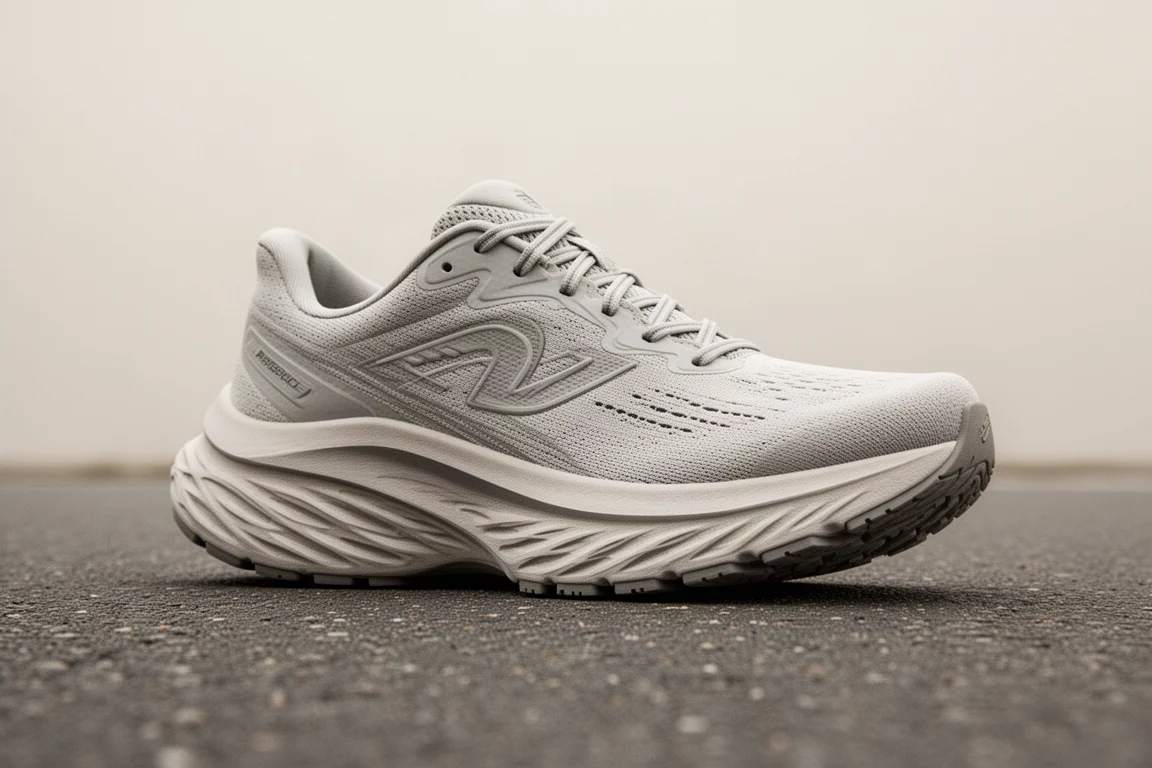
The 1080 v14 has a more modest rubber layer across key areas, leaving some exposed midsole foam. In testing that produced no wear issues, and traction on roads, pavement, and light trails was fine, but the Triumph simply has more coverage and better outright grip.
Which Shoe Should You Buy?
Both shoes tick the max-cushion boxes of comfort and protection for easy runs, recovery runs, and long mileage. The consensus across testers leaned clearly toward the 1080 v14: it is lighter, nimbler, softer, smoother through the transition, slightly cheaper in the UK, and simply more enjoyable for the runs these shoes are built for. The Triumph 22 is a solid protective shoe with superb grip and stability, and heavier runners may extract more bounce from its PEBA foam, but many testers found it dense, clunky, and less versatile than the Triumph it replaced.

If you want the roomier, more padded shoe with the best outsole, the Triumph 22 is the pick. For almost everyone else, the 1080 v14 is the more balanced choice.
Conclusion
These two shoes are closer than ever, but this year’s updates have not treated them equally. The New Balance 1080 v14 fixes the v13’s softness and stability issues and emerges as a genuinely well-rounded daily trainer. The Saucony Triumph 22 remains a comfortable, protective, grippy shoe, but its ride feels denser and less engaging. For easy miles, the 1080 v14 is the easier recommendation.
Further reading
Related Reviews

Running Shoes
Best Road-to-Trail Running Shoes: Three Versatile Options for Mixed Terrain
A practical guide to three road-to-trail running shoes that handle both pavement and mild trails, with clear strengths and trade-offs for different runner types.

Running Shoes
Best Running Shoes for Achilles Tendonitis: Three Options Explained
Three running shoes with different heel drops and support features designed to help reduce Achilles tendon pain during walking and running.

Running Shoes
Best Running Shoes for Women: Five Top Choices Ranked
A ranked guide to five women's running shoes, from versatile daily trainers to high-performance racing options, with real strengths and trade-offs for each.