Running Shoes
New Balance 1080 v14 vs ASICS Novablast 4: Which Daily Trainer Wins?
Two of the most popular cushioned daily trainers compared on fit, ride, versatility, durability and value, with a clear verdict for different types of runners.
Introduction
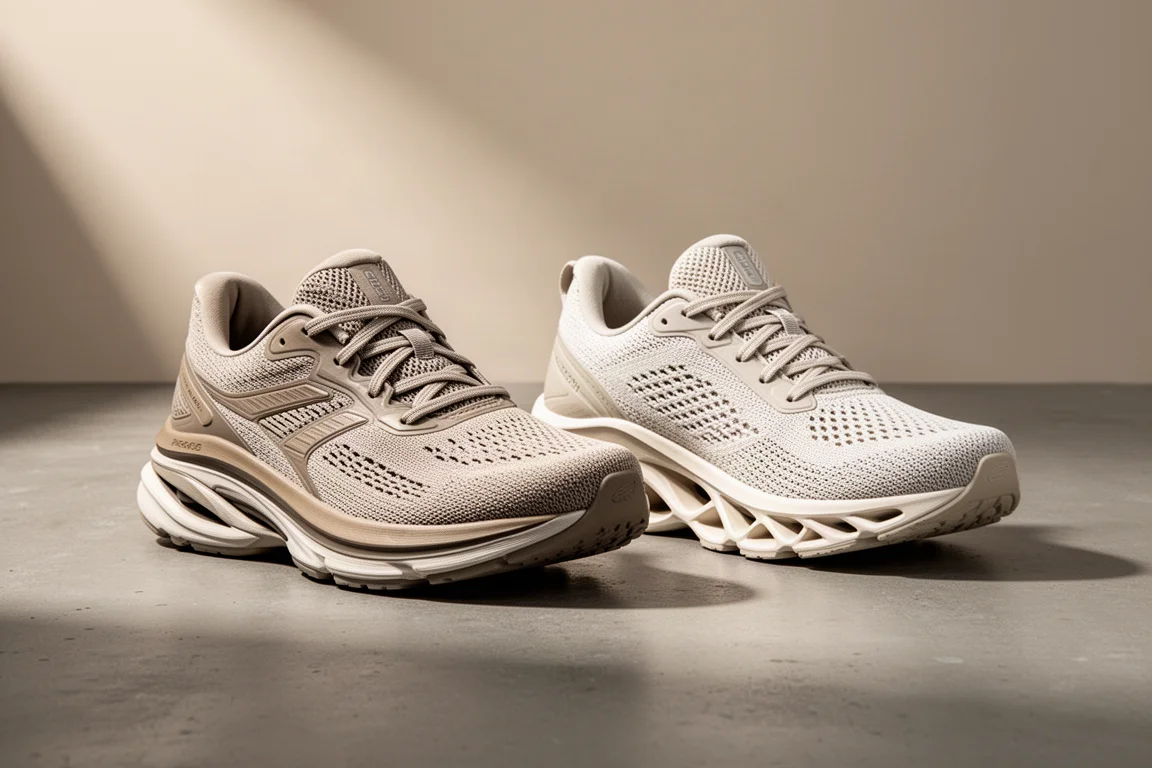
The New Balance 1080 v14 and the ASICS Novablast 4 are two of the most popular cushioned daily trainers on the market, and both are built for the same basic job: comfortable miles, day after day. They overlap a lot, but they are not identical, and the differences are enough to make one of them the better pick depending on how you run.
This comparison covers fit, ride character, versatility, durability, grip and price, then finishes with a clear verdict on which shoe suits which runner.
At a Glance: Key Specs and Pricing
The New Balance 1080 v14 costs $164.99 and weighs 287g (10.1 oz) for men in a US size 9 equivalent (men’s size 8 reference), with a 6mm heel-to-toe drop. The ASICS Novablast 4 comes in at $140 and is noticeably lighter at 256g (9 oz) in the same size reference, with an 8mm drop.
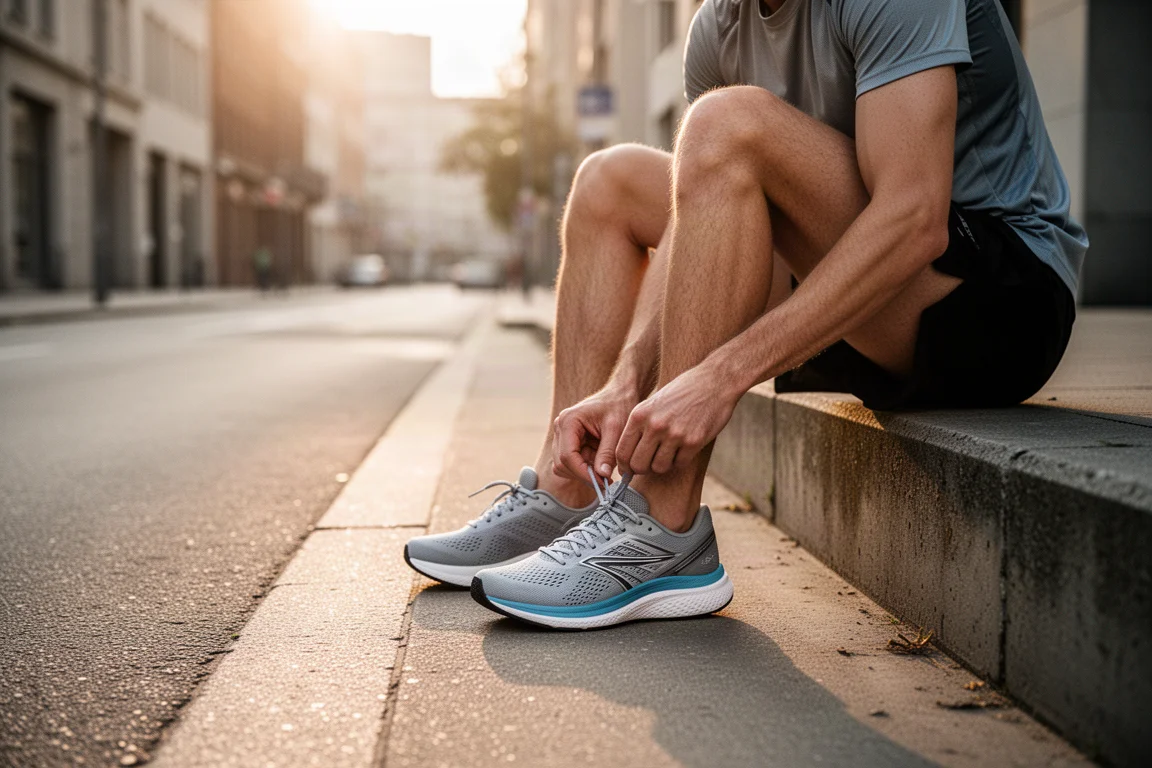
That price gap matters: in the UK the Novablast 4 comes in around £30 cheaper than the 1080 v14, which is a significant difference for a shoe that many runners will end up preferring anyway.
Design and Construction
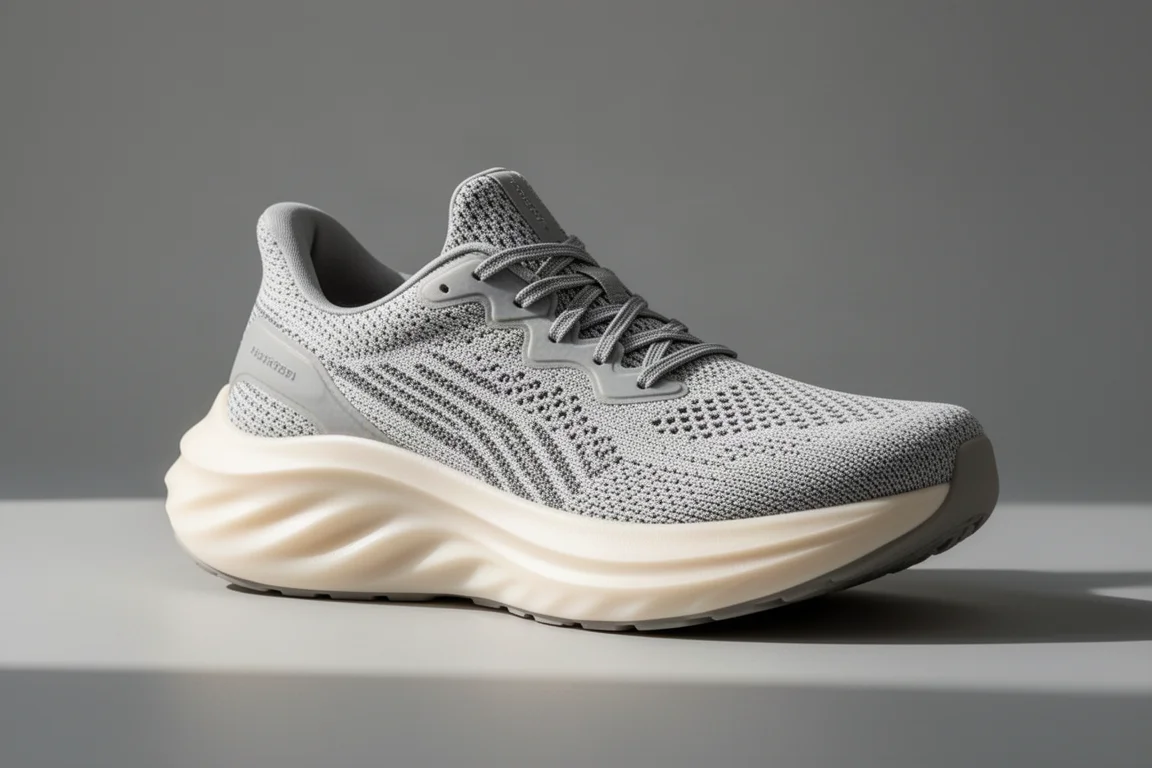
The 1080 v14 is a daily shoe built for comfort and accessibility. After the v13 made the Fresh Foam midsole noticeably softer, which cost some stability and versatility, the v14 pulls back with a slightly firmer version of the foam and revised midsole geometry. There is also an updated engineered mesh upper for better fit and breathability, good padding, a soft gusseted tongue, and a modest layer of rubber across the key outsole areas, though it does not cover the full length of the midsole foam.
The Novablast 4 sees bigger changes from its predecessor. The headline is the new FF Blast Eco Plus foam, aimed at a softer ride with more energy return when you pick up the pace. ASICS combined a trampoline-inspired midsole with a higher stack of foam, and added an engineered woven mesh upper that is plush, breathable and flexible, plus a gusseted tongue to prevent slip. The outsole carries a healthy covering of ASICS’ high-abrasion rubber to improve grip and durability.
Fit and Sizing
Both shoes ran true to size in a UK size 8, and most runners should be fine going with their usual running shoe size. There are subtle differences in how they fit, though.
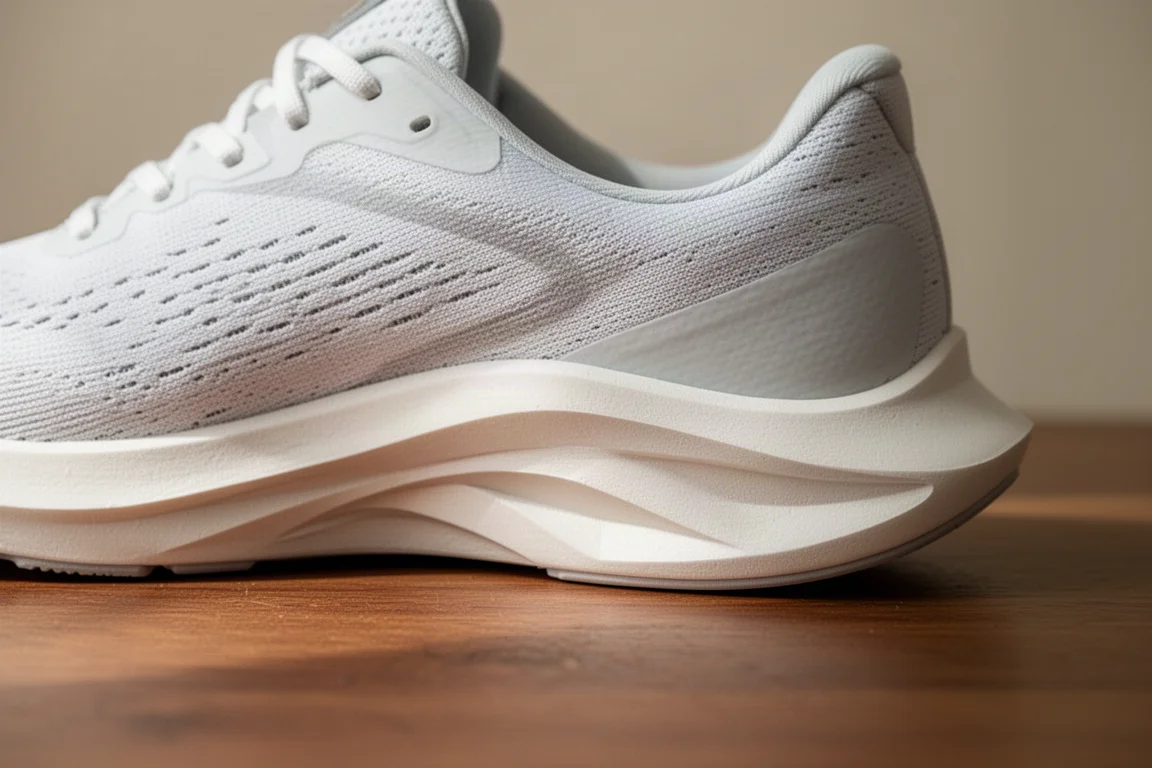
The Novablast 4’s upper fits a little more snug, possibly slightly narrow through the midfoot, which locks the foot in a bit more. The 1080 v14 is more traditional and accommodating, with a roomy toe box, a non-restrictive midfoot and a comfortable, well-padded, unfussy fit from the first wear. Neither shoe caused fit problems, and both were described as very comfortable in a UK size 8, but if you like a plush, roomy fit the New Balance leans that way, while the ASICS leans slightly more secure and locked-in.
Ride and Versatility
Both are cushioned daily cruisers with well-balanced midsoles that are not overly soft, which makes them suitable for almost anyone after a solid, comfortable daily trainer. Where they differ is the character of the ride.

The 1080 v14 prioritises protection, comfort, consistency and stability. It is best suited to easy paces, can handle moderate paces, and has a subtle rocker that gently pushes you forward. Compared with the very soft v13, it is more responsive, so you can pick up the pace more than before, but it is still primarily an easy-day shoe.
The Novablast 4 has a more uptempo edge. It has good bounce and energy return for daily runs, and it handles faster paces and interval sessions noticeably better than the 1080 v14, partly thanks to a nicer rocker action. You can see ASICS applying learnings from the Super Blast line here: the ride is not as fast as a Super Blast 2 and not a true tempo shoe, but it has a similar feel and more pop for a daily trainer.
View more details for Asics Novablast 4
Durability and Grip
There is not a huge amount between these two shoes on durability, but the 1080 v14 has a slight edge thanks to a little more rubber on the outsole. Both outsoles have open sections of exposed midsole foam, so neither is fully covered in grippy rubber, but neither shoe had grip issues on wet surfaces, and the exposed midsole sections on both seem to wear reasonably well.
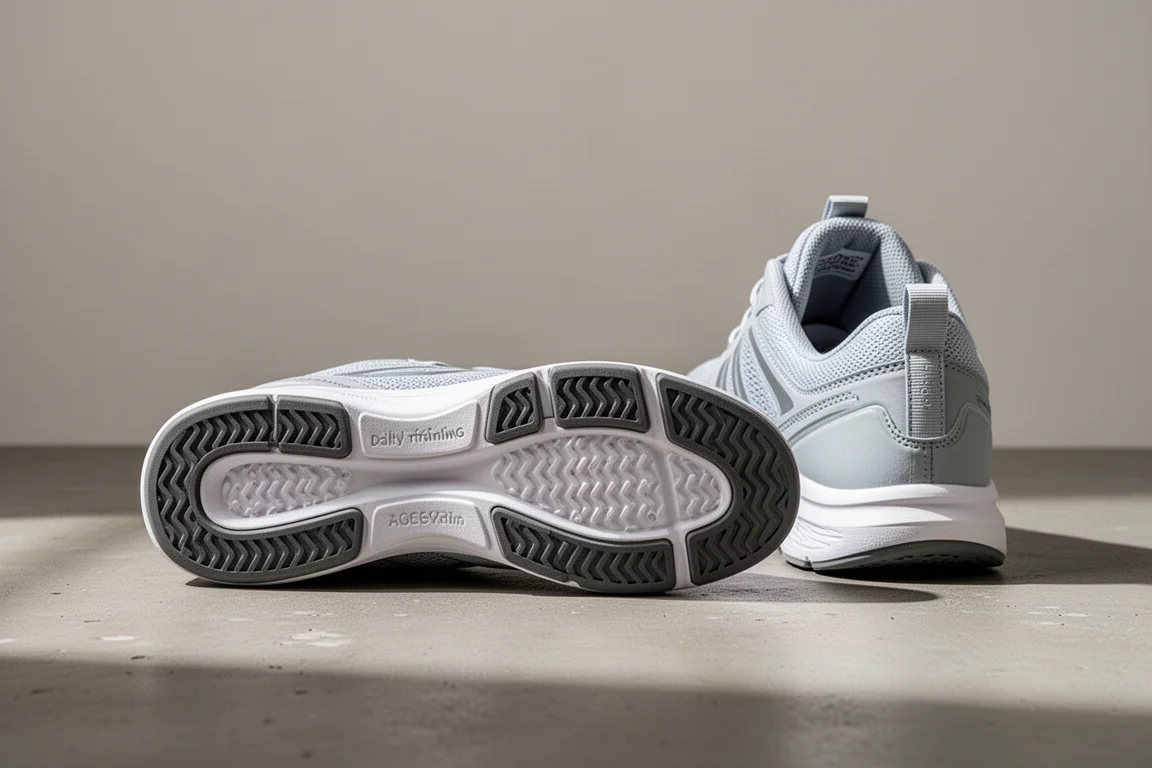
If maximum longevity is a priority, the 1080 v14’s extra rubber coverage may tip the scales slightly, but both shoes are well equipped to soak up a lot of your running time.
Which Shoe Should You Buy?
If you want one versatile daily trainer that handles easy runs but also lets you push the pace within a session, the Novablast 4 is the stronger pick. It is the shoe to choose if you want a single shoe for a mixture of runs, and it is also the cheaper of the two.
If your running is mostly easy and recovery miles, and you want maximum comfort, consistency and stability, especially for longer runs, the 1080 v14 makes more sense. It is arguably the better-equipped shoe of the two for long-distance work, and it may last slightly longer thanks to its extra outsole rubber.
Conclusion
Both of these are very good daily trainers with real overlap in what they can do. The Novablast 4 wins on versatility, uptempo feel and price, making it the pick for runners who want one shoe for a mixture of paces. The 1080 v14 wins on plushness, stability and long-run comfort, and suits runners who value a protective, consistent ride above all. If forced to choose a single daily trainer, the Novablast 4 is the shoe to go for, and the price gap seals it.
Further reading
Related Reviews

Running Shoes
Best Road-to-Trail Running Shoes: Three Versatile Options for Mixed Terrain
A practical guide to three road-to-trail running shoes that handle both pavement and mild trails, with clear strengths and trade-offs for different runner types.

Running Shoes
Best Running Shoes for Achilles Tendonitis: Three Options Explained
Three running shoes with different heel drops and support features designed to help reduce Achilles tendon pain during walking and running.

Running Shoes
Best Running Shoes for Women: Five Top Choices Ranked
A ranked guide to five women's running shoes, from versatile daily trainers to high-performance racing options, with real strengths and trade-offs for each.