Running Shoes
New Balance 1080 v13 vs Saucony Triumph 20/21: Which Soft Daily Trainer Should You Buy?
Two of the most similar soft daily trainers on the market, compared across midsole foam, stability, fit, and durability to help you pick the right one.
Introduction
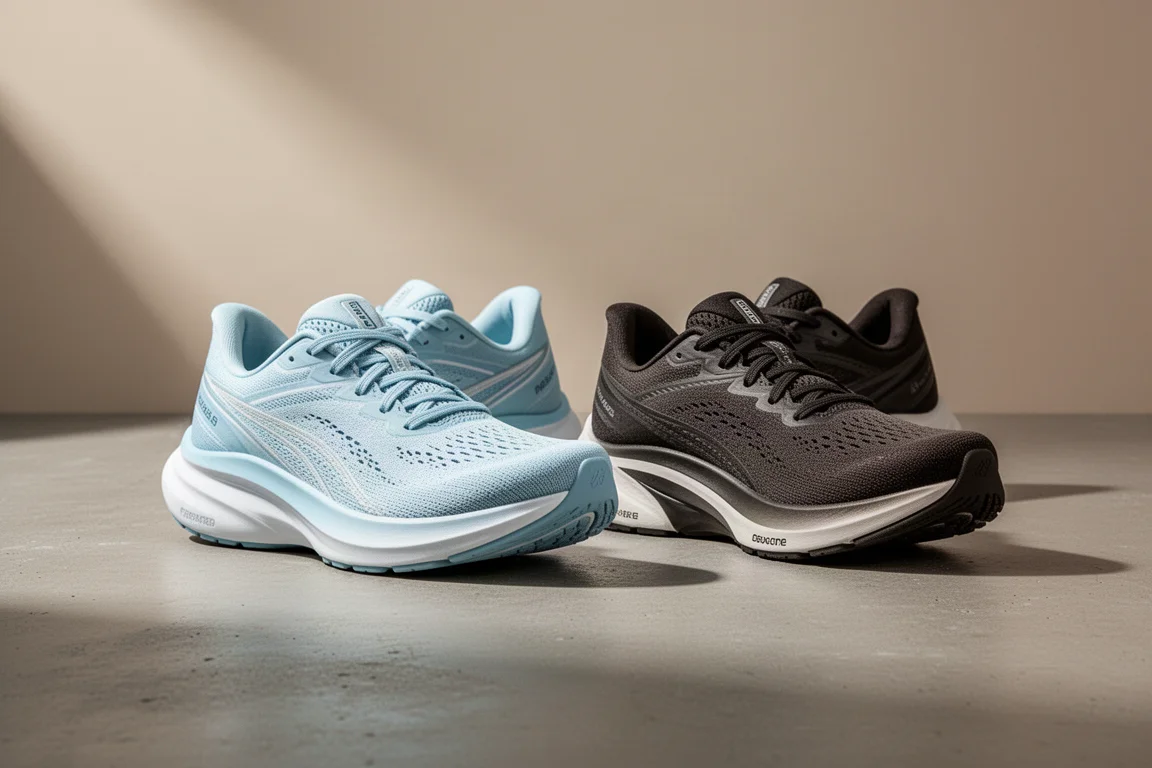
The New Balance 1080 v13 and the Saucony Triumph are two of the most similar shoes to hit the market in the past year. From the midsole stack to their intended purpose to the feel of the foam itself, they overlap heavily on paper and feel extremely close out on the run. Both are soft, cushioned workhorse daily trainers built for easy miles, and both come with premium price tags. The differences that matter come down to stability, fit, and how each foam holds up over hundreds of miles.
Overview: Two Very Similar Shoes on Paper
The 1080 v13 is a ground-up redesign from the v12, built around Fresh Foam X, New Balance’s mainstream cushioning foam sitting alongside the faster FuelCell compound in its portfolio. It is designed as a cushioned daily trainer or even a max-cushion recovery shoe, right in the middle of a market that includes the Nike Invincible, the Hoka Bondi, the Saucony Triumph, and the ASICS GEL Nimbus. It launched at $165, a $5 increase over the previous version.
The Saucony Triumph, by contrast, stayed essentially the same from version 20 to 21: the same midsole with a lightly reworked upper. It is Saucony’s soft max-cushion shoe, positioned for recovery efforts and easy daily miles, with the firmer Endorphin Shift covering the firmer end of that category. It carries a $160 MSRP, but the Triumph 20 can often be found for around $100 now that the 21 is out at full price, which makes the older version a genuinely strong deal.
Both shoes weigh roughly around the 9-ounce mark. The big spec difference is the drop: the 1080 v13 sits at 6 mm (38 mm heel, 32 mm forefoot), while the Triumph runs a 10 mm drop (37 mm heel, 27 mm forefoot). Both are built as durable workhorse trainers with solid outsole rubber coverage.
Midsole and Foam Feel
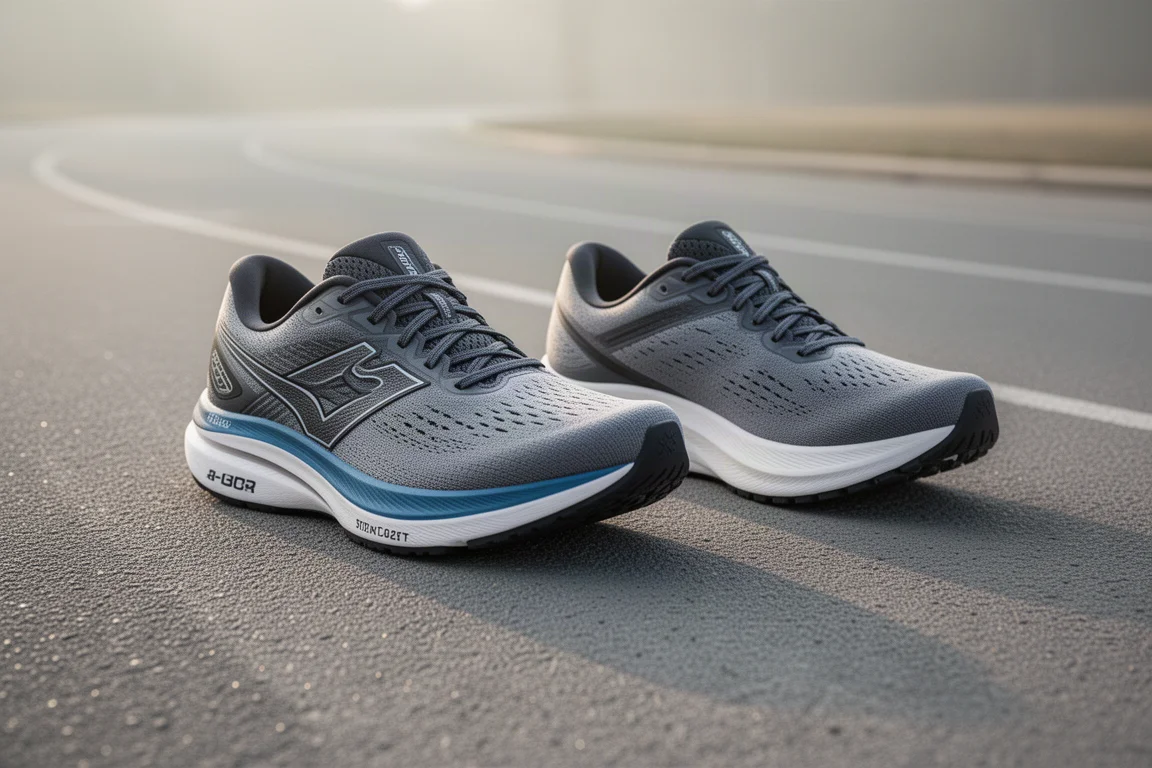
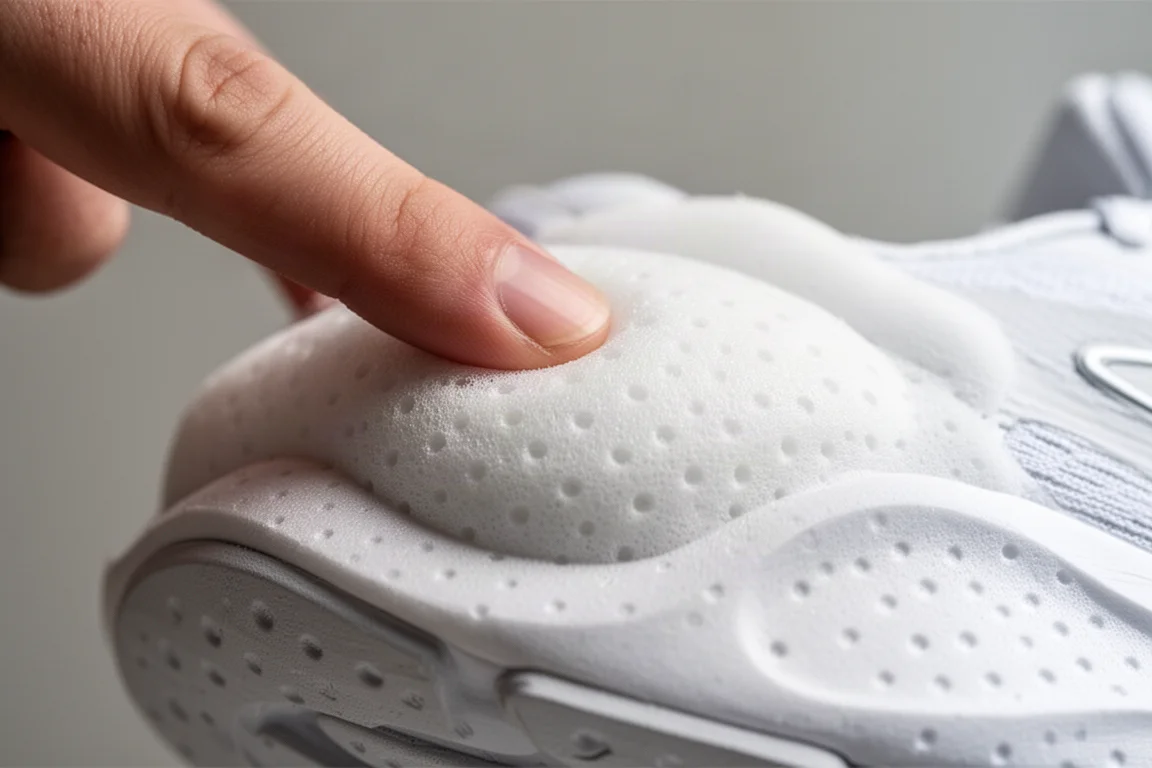
The 1080 v13 uses an EVA blend called Fresh Foam X. Formulations of Fresh Foam and FuelCell appear to vary slightly depending on the application, and this version feels wonderfully soft underfoot, noticeably softer and more forgiving than a worn pair of GEL Nimbus straight out of the box. Because it is not heavily rockered in the forefoot, it also feels surprisingly natural to walk around in, even with a stack approaching 40 mm.
The Triumph uses a beaded TPU compound, the same family of foam found in adidas Boost and Reebok’s Floatride shoes. Its 10 mm drop and higher heel make it feel unmistakably like a running shoe the moment you slip it on, almost like a high heel compared to the more neutral feel of the New Balance. Both foams feel soft while walking around, with the Fresh Foam X arguably a touch softer. Durometer push tests suggest the Fresh Foam X is actually a tiny bit firmer, though that is measured against a Triumph with over 300 miles on it versus a nearly new 1080, and the Triumph’s PWRRUN+ foam is likely the softer of the two.
Ride and Stability
The ride experience of these two foams is among the most similar of any two shoes paired against each other. The 1080 v13 delivers a soft, comfortable, and controlled ride for easy miles. The Triumph was a go-to easy day shoe through an entire winter, handling everything from long runs up to 16 to 18 miles to even a mile-repeat workout. It feels buttery smooth no matter the pace, and while it does not shine when picked up fast, it is serviceable for strides or fast finishes.
Stability is where the 1080 v13 pulls decisively ahead. The Triumph’s midfoot tapers in significantly more than the New Balance’s, by roughly half an inch to three-quarters of an inch more width at the rear midsole, and combined with its 10 mm drop, the heel can feel narrow and unstable, almost a Bambi-on-ice sensation for heel strikers. Many runners dislike it for recovery runs for exactly this reason. The 1080 v13 feels stable, planted, and normal at slower paces, and it is the clear recommendation for anyone who needs any degree of stability or is a heel striker. That stability alone is worth the roughly $50 premium over a discounted Triumph 20. If you are a forefoot striker who does not need stability, the Triumph 20 remains a reasonable alternative.

Upper and Fit
The 1080 v13 upper is a soft knit material with generous, pillowy padding around the heel collar, soft laces, and a standard lacing system. It is a good-looking shoe with a classic varsity-prep styling; the light blue colorway is especially sharp. The reviewer went up half a size for extra room, prioritizing comfort over lockdown in a shoe built for slow miles.
The Triumph runs narrower in the midfoot and toe box. New Balance generally does a better job with wider toe boxes and offers many of its shoes in wide fits, so runners with wider feet should lean toward the 1080 v13. Between the Triumph 20 and 21, the 21 revised the whole upper and reportedly corrected some heel slipping and lockdown issues reported in the 20, which matters mainly for heel strikers or runners with stability concerns.
Outsole and Durability
Both shoes carry a solid covering of outsole rubber, concentrated mostly in the forefoot with less coverage at the back. In the Triumph 20, the lateral heel rubber wore through at around 300 miles, though the midsole durability is the standout: at over 300 miles, the TPU foam still felt nearly as bouncy and lively as it did out of the box, a clear step up from EVA-based competitors that go dead well before that point.
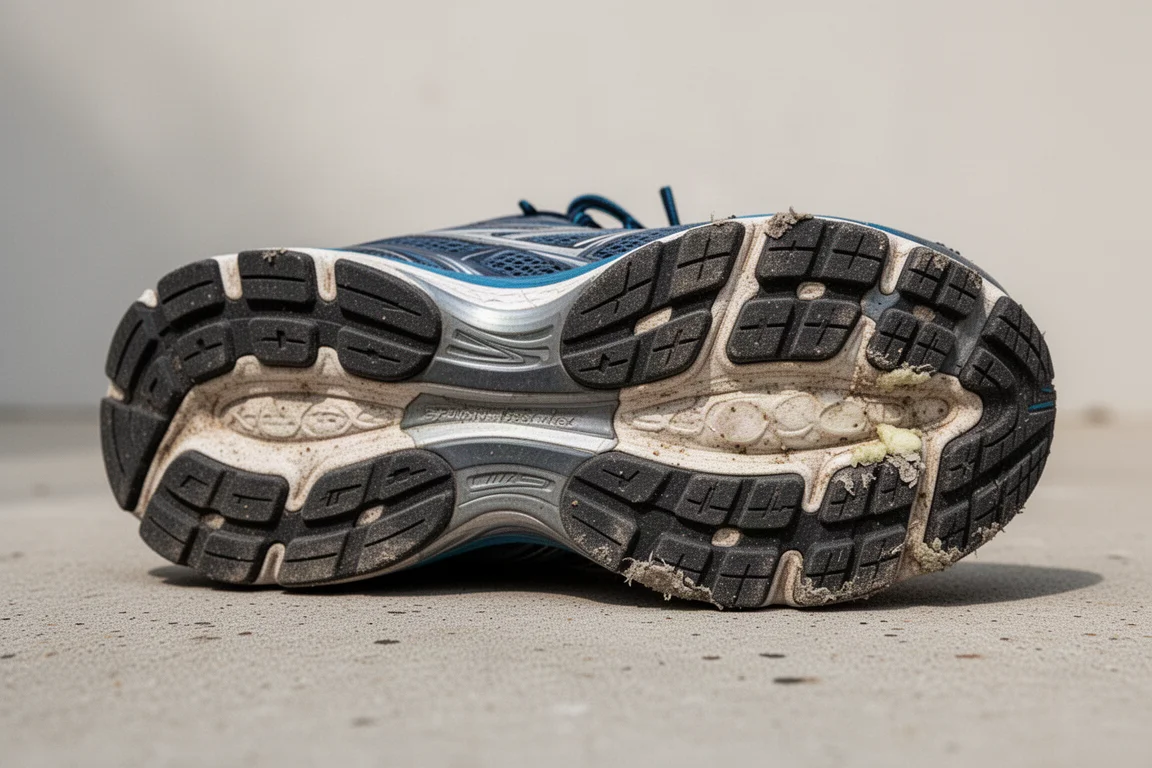
The 1080 v13’s long-term foam durability remains to be seen. EVA blends have a mixed track record past 300 miles, and softer foams tend to be less durable. One early concern: the rubber at the heel does not fully cover to the edges, leaving exposed foam that already shows wear at just 15 miles. More rubber in that area would have been welcome.
Which One Should You Buy?
The 1080 v13 is a genuine Hoka killer: it looks good, feels good, is stable, and delivers the performance most people expect from a max-cushion shoe like the Bondi or Clifton, while also being one of the few shoes in this category that feels good for walking and general everyday use. If you have stability needs, it is the better pick, and it is worth the price premium. If you want more energy return and pop, the Triumph’s beaded TPU foam is a touch bouncier and felt surprisingly good down at lactate threshold pace. Neither is the shoe for serious paced long-run work, but both are excellent workhorse daily trainers built to last 300 to 400 miles and keep you comfortable while you prepare for your next hard session.
Conclusion
These two shoes are nearly interchangeable in ride feel, but the decision is straightforward once priorities are clear. Choose the New Balance 1080 v13 for stability, a wider and more comfortable fit, and all-day wearability. Choose the Saucony Triumph 20, especially at its discounted price, if you are a forefoot striker who wants a bouncier foam and can live with a narrower, less stable heel.
Product link
View more details for New Balance 1080 v13
This product is mentioned in the review. Check the specifications, options, and compatibility before buying.
View more details for New Balance 1080 v13Further reading
Related Reviews

Running Shoes
Best Road-to-Trail Running Shoes: Three Versatile Options for Mixed Terrain
A practical guide to three road-to-trail running shoes that handle both pavement and mild trails, with clear strengths and trade-offs for different runner types.

Running Shoes
Best Running Shoes for Achilles Tendonitis: Three Options Explained
Three running shoes with different heel drops and support features designed to help reduce Achilles tendon pain during walking and running.

Running Shoes
Best Running Shoes for Women: Five Top Choices Ranked
A ranked guide to five women's running shoes, from versatile daily trainers to high-performance racing options, with real strengths and trade-offs for each.