Running Shoes
New Balance 1080 v13 vs Saucony Triumph 22: One Clear Winner for Max Cushion Daily Miles
A head-to-head look at two premium cushioned daily trainers, where the New Balance 1080 v13 outperforms the Saucony Triumph 22 in comfort, weight, and overall execution.
Introduction
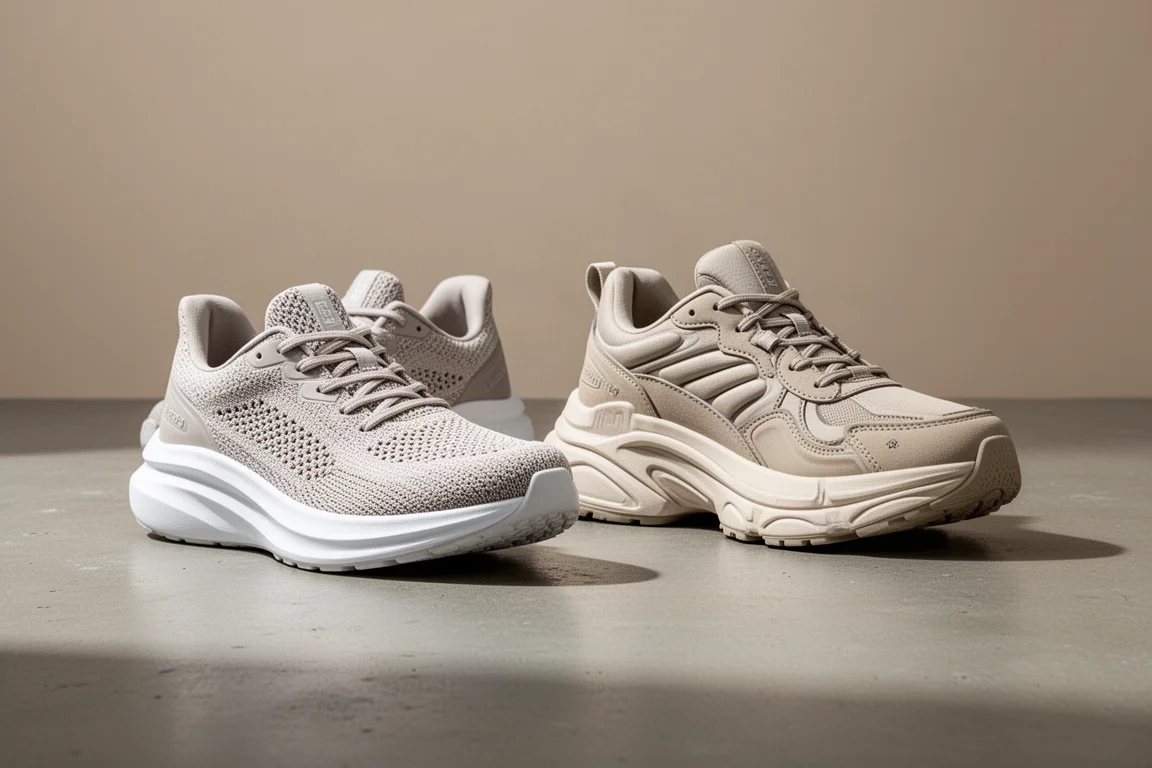
Some shoe comparisons are close. This one is not. After putting real mileage on both shoes, including 50 miles logged across treadmill runs, an easy social jog, and hours of walking, the New Balance 1080 v13 stands out as the clear winner over the Saucony Triumph 22.
Both shoes sit in the cushioned daily trainer category, sometimes called the premium daily trainer segment alongside shoes like the Nike Vomero and the Asics Gel Nimbus. In recent years many of these shoes have moved toward higher stack heights, softer and bouncier foams, and lighter constructions that stay comfortable over 250 to 400 miles. On paper, the 1080 v13 at $165 and the Triumph 22 at $160 compete directly. On foot, they are not close.
Two Shoes, Same Category, Very Different Executes
The New Balance 1080 v13 knows exactly what it wants to be. It is a comfort cruiser with a soft, plush Fresh Foam ride that makes every run feel effortless. The Saucony Triumph 22, by contrast, feels like a shoe in the middle of an identity crisis: heavy, clunky, and padded in all the wrong places, with a firmer ride than its plush appearance suggests.
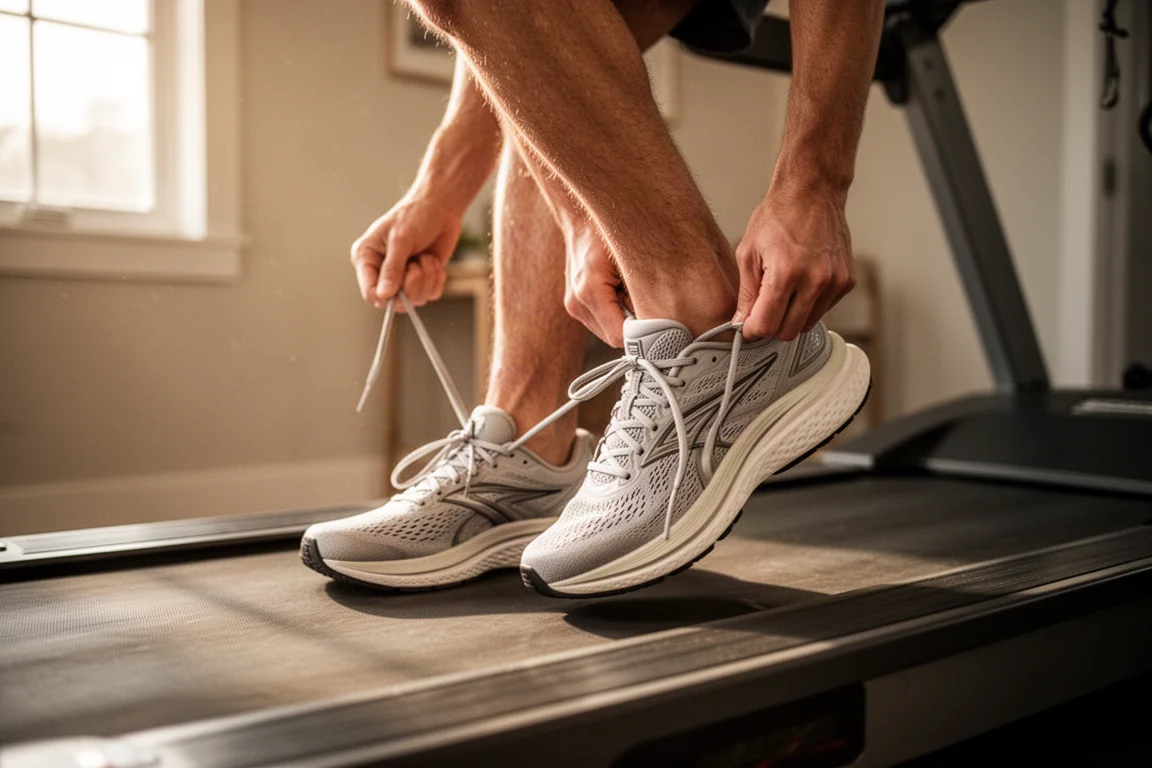
The Triumph 22 does have redeeming qualities. Its padded upper feels secure, the platform is stable, and the wide toe box will appeal to some runners. But overall, the gap between these two shoes in comfort, weight, and liveliness is significant.
Saucony Triumph 22: Stiff, Heavy, and Confused
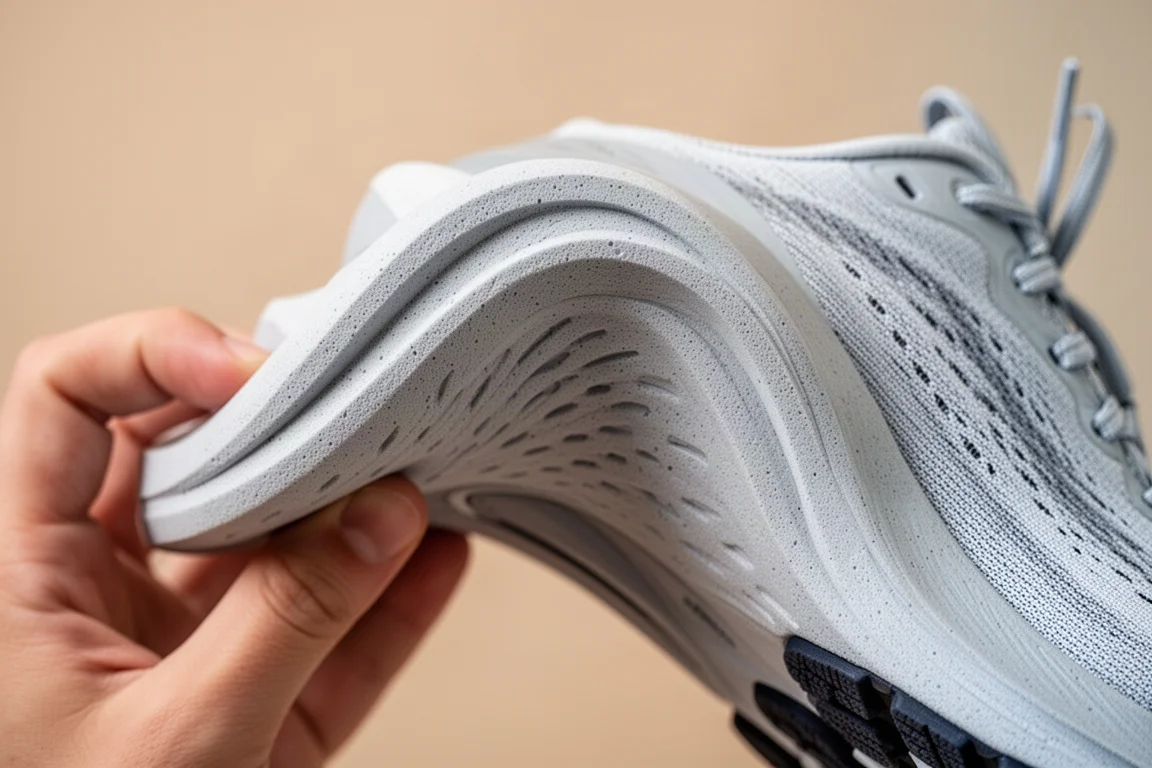
The big update in the Triumph 22 is the Power Run PB foam, Saucony’s racing foam from the Endorphin Pro and Endorphin Speed lines. But because those plates are removed here, Saucony stiffened the foam to add stability. The result is a surprisingly firm, stiff ride with very little midfoot give, which feels like wearing a platform rather than a cushioned trainer.
The upper is another weak point. What initially reads as generous padding turns out to be excessive, adding bulk and weight for no functional benefit. A leather-style overlay around the heel adds more weight with no real purpose, and breathability is poor. The upper runs extremely hot, even in a car with the top down.
The forefoot is a particular problem. With a 10 mm drop and firm foam, the front of the shoe offers little protection, and easy recovery-paced miles felt punishing. At slower paces around 7:30 to 8:30 per mile, where a max cushion shoe should shine, the Triumph did not deliver. Pace pickups felt okay but never lively. The weight difference alone tells the story: 330 g in the tested size versus 280 g for the 1080 v13.
The realistic strengths are durability and platform size. With substantial rubber on the outsole and a huge, wide base, this shoe should hold up well past 300 miles, and bigger runners or those who want a wide, stable platform may find a place for it.
New Balance 1080 v13: A Comfort Cruiser That Knows What It Is
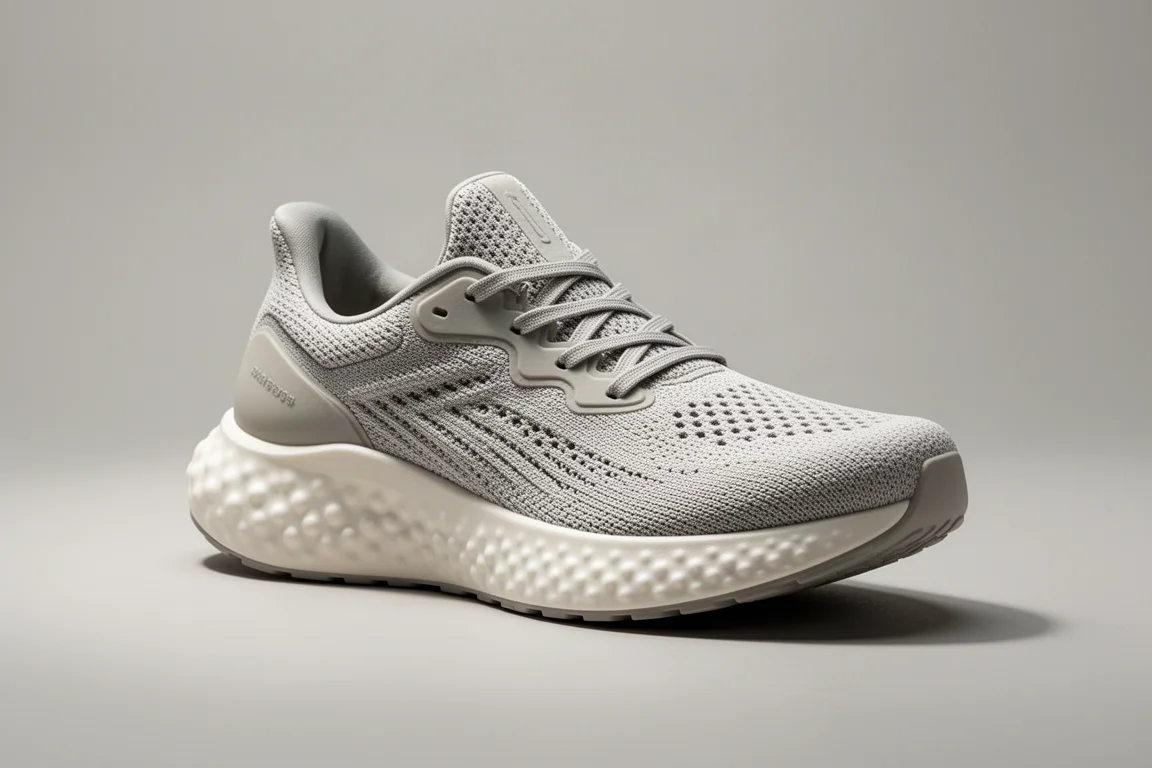
The 1080 v13 is the opposite of the Triumph in almost every way. The Fresh Foam midsole is soft and comfortable underfoot, the upper materials feel plush to the touch, and slipping it on simply makes you want to run more miles. It offers a generous 38 mm heel and 32 mm forefoot stack, yet the foam compression feels natural and the shoe stays streamlined rather than floaty.
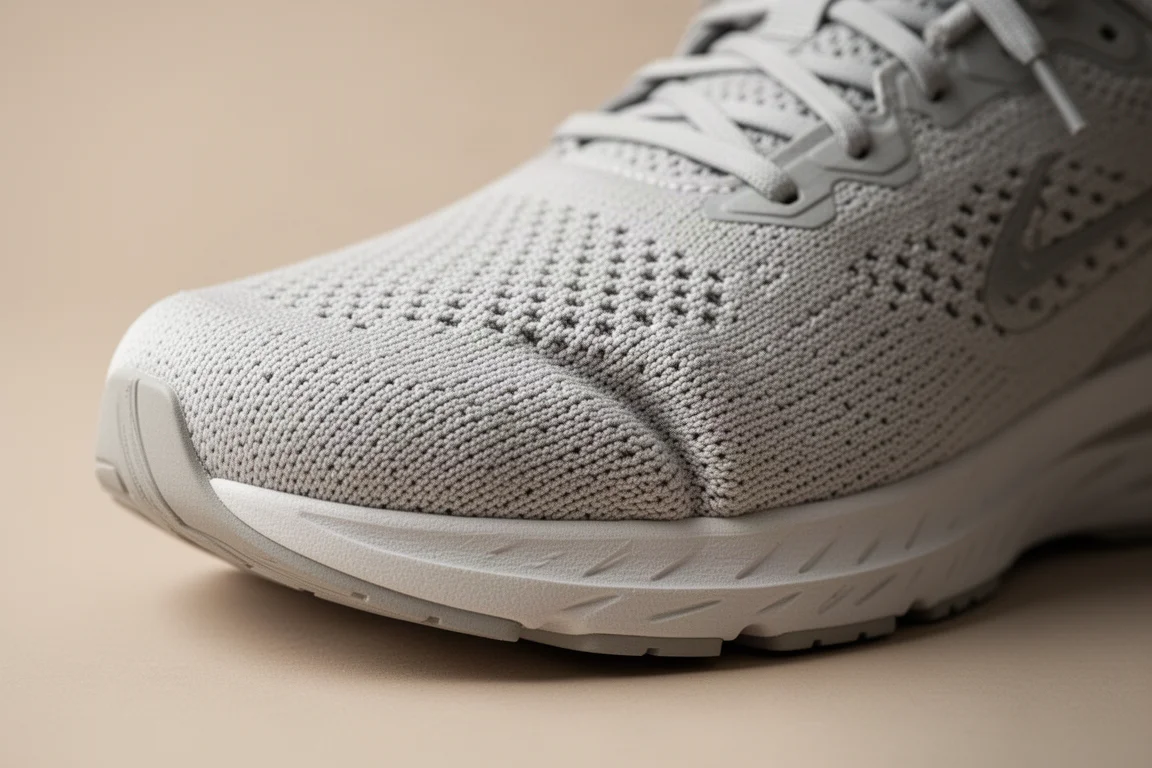
The forefoot cushioning is where the 1080 really separates itself. Compared to the firm forefoot of the Triumph 22, the 1080 feels far more protected while still giving good control of the platform. It is not a flexible shoe, but the softer foam keeps it nimble.
Durability has also held up well. After 300 miles, the shoe still feels as good as it did out of the box, with some outsole wear but no complaints. Most of those miles were easy recovery efforts slower than 7:30 per mile, and up to 90 minutes of time on feet is where this shoe excels. It has also proven to be an excellent walking shoe, comfortable for hours at a time.
Head-to-Head Verdict
There is nothing the Saucony Triumph 22 does better than the New Balance 1080 v13 for everyday running. The 1080 is lighter, softer, more comfortable, more nimble, and better executed from top to bottom. If you want a soft max cushion daily trainer at around $165, the 1080 v13 earns its price.
The Triumph 22, at $160, is not a terrible shoe. It is simply not better than anything else at its price point, and it is unclear what it is trying to do. Following the excellent Triumph 20, it is a significant step backward for the line.
Alternatives Worth Considering Instead
If a firmer, more comfortable shoe for walking and running is what you want, the Brooks Ghost Max is a strong option. For a firm but protective cushioned ride that keeps legs feeling fresh on runs over an hour, the Asics Novablast 4 is a favorite.
If you wanted the Triumph 22 to be that bouncier, more fun, lower-to-the-ground ride, look at the Hoka Mach 6 or the New Balance Rebel v4 instead. The Mach 6 is more cushioned but lighter, with better bounce and more ground feel in the forefoot. The Rebel v4 is lower stack, super lightweight, flexible, and great for both faster miles and walking.

And if durability over very high mileage matters most, the Triumph 22’s robust rubber outsole and wide platform may still justify a look for bigger runners or those who put serious miles on a single pair.
Conclusion
The New Balance 1080 v13 is one of the best max cushion daily trainers available and comfortably worth its $165 price, even at 300 miles. The Saucony Triumph 22 is a heavy, stiff, hot, and confused follow-up to a great predecessor, and in this head-to-head there is only one shoe to buy.
Further reading
Related Reviews

Running Shoes
Best Road-to-Trail Running Shoes: Three Versatile Options for Mixed Terrain
A practical guide to three road-to-trail running shoes that handle both pavement and mild trails, with clear strengths and trade-offs for different runner types.

Running Shoes
Best Running Shoes for Achilles Tendonitis: Three Options Explained
Three running shoes with different heel drops and support features designed to help reduce Achilles tendon pain during walking and running.

Running Shoes
Best Running Shoes for Women: Five Top Choices Ranked
A ranked guide to five women's running shoes, from versatile daily trainers to high-performance racing options, with real strengths and trade-offs for each.