Running Shoes
New Balance 1080 v13 vs Rebel v4 vs Endorphin Speed 4: Which Daily Trainer Should You Buy?
Three daily trainers compared on fit, cushioning, versatility, and durability so you can pick the right shoe for the runs you actually do.
Introduction
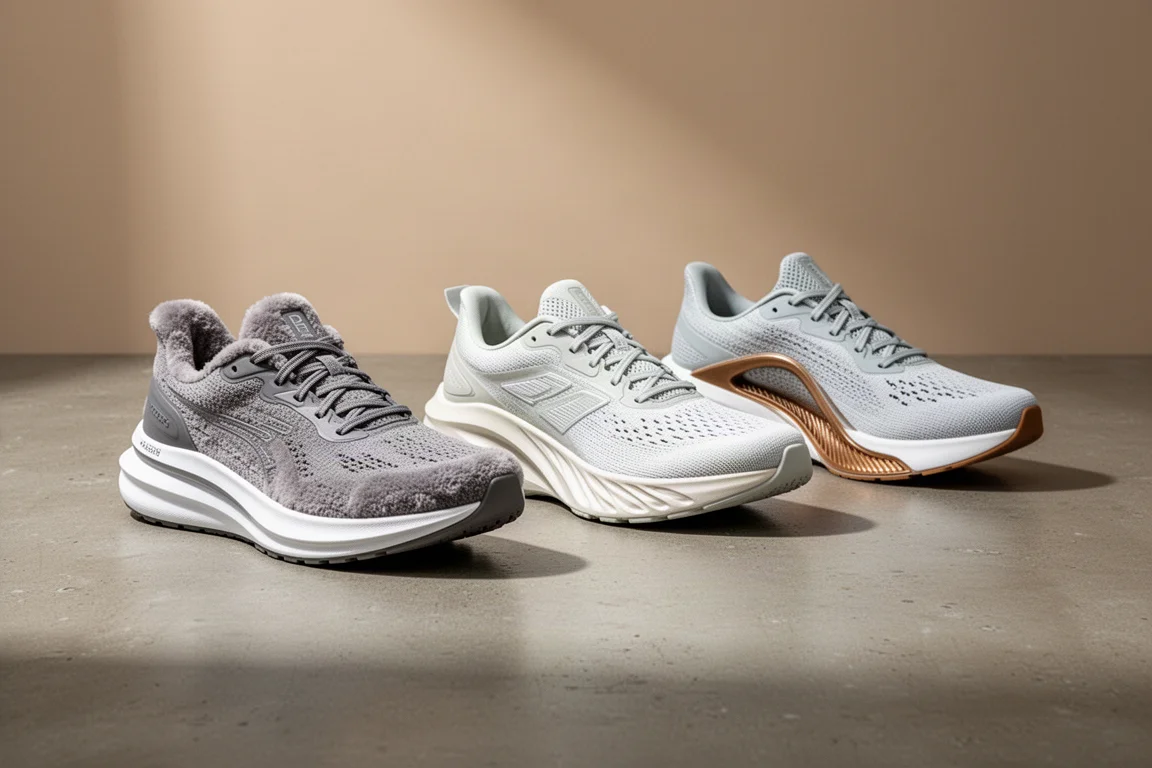
The New Balance 1080 v13 and the New Balance Rebel v4 are two daily trainers that, on paper, should not have much in common. One is a plush, comfort-first cushioning shoe; the other is a lighter, faster-feeling trainer built with foam borrowed from a race day platform. Add the Saucony Endorphin Speed 4 to the mix and you get a useful spectrum of daily trainer options, from easy-run comfort all the way to near speed-day performance.
This comparison draws on extended testing across easy runs, long runs, tempo work, and interval sessions to help you decide which shoe matches your training.
Key Differences at a Glance
The Rebel v4 is the cheaper of the two New Balance shoes in both the UK and the US. It also weighs in lighter, coming in at 208 grams compared to 255 grams for the 1080 v13 in a UK men’s size 8.
Fit options differ too. The 1080 v13 offers standard, wide, and extra wide fits, while the Rebel v4 comes in just one fit. Both shoes share the same heel drop, but the stack heights are not equal: the 1080 v13 packs a bigger stack of New Balance’s Fresh Foam X, while the Rebel v4 uses the FuelCell foam from the SC Elite v4. Neither shoe has a plate.
The outsoles also differ noticeably. The 1080 v13 offers considerably more rubber coverage, suggesting it will hold up better against regular runouts over time.
New Balance 1080 v13
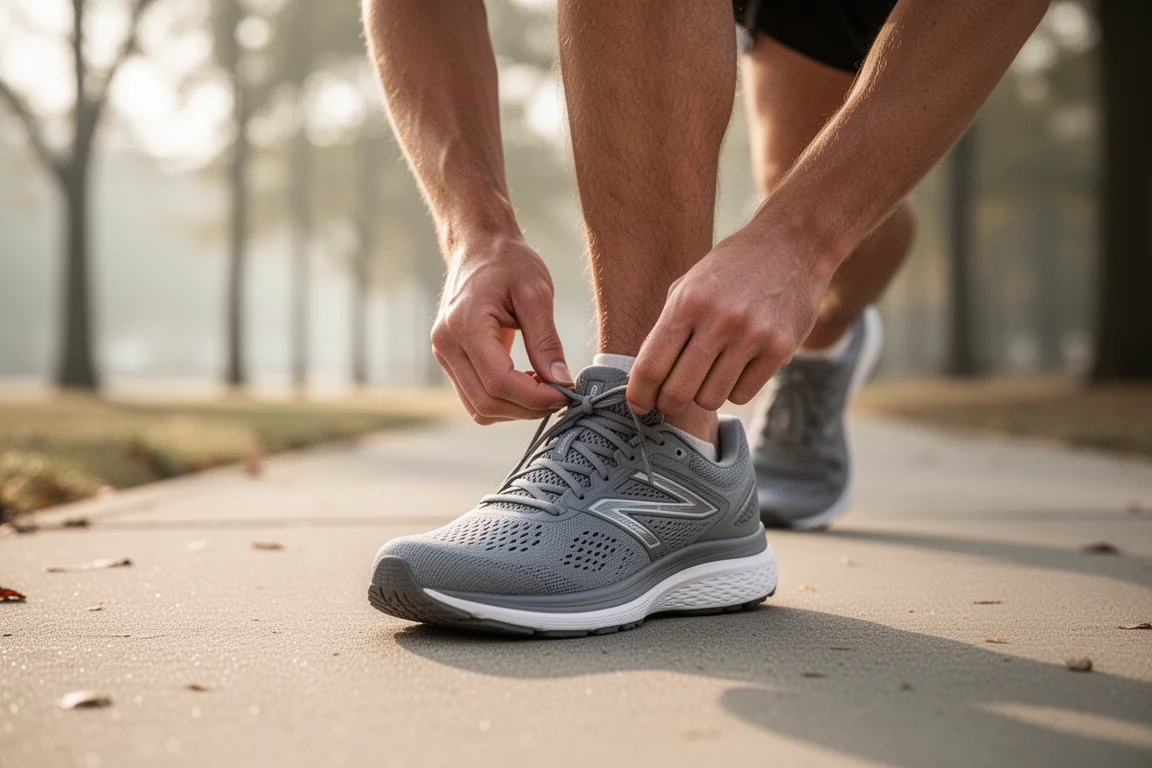
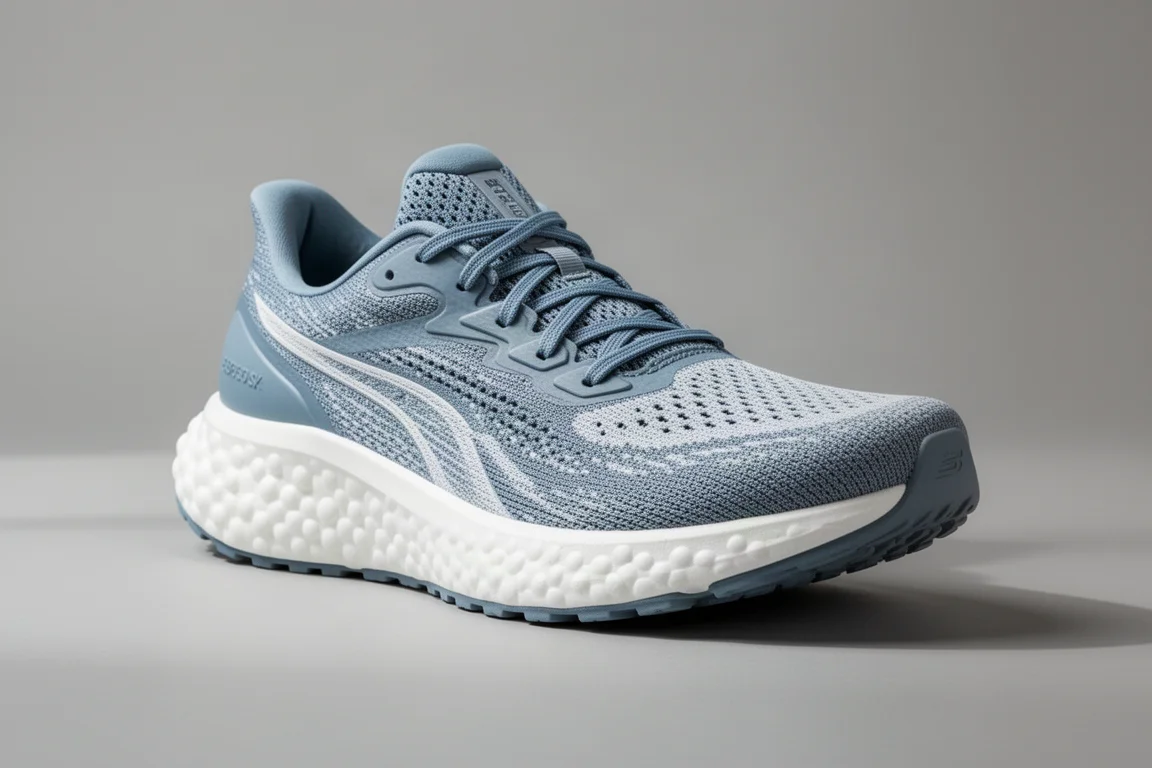
The 1080 v13 is positioned within the New Balance range as a very comfortable premium cushioning shoe, aimed mainly at easy runs and long runs, and used as a daily trainer by runners who prefer a more cushioned ride. It is also the pick for newer runners who want the most comfortable, protective option in the range.
On the run, the midsole is very soft. At easy paces it feels comfortable, protects your legs, and keeps them feeling fresh. The trade-off is that it does not give much back: if you pick up the pace, there is little in the way of energy return, and the softness can feel dulling when you are trying to run faster. That said, the lighter design compared to other cushion shoes and the rocker geometry mean some runners have been able to handle moderate, up-tempo paces comfortably, even if all-out speed work is not this shoe’s purpose.
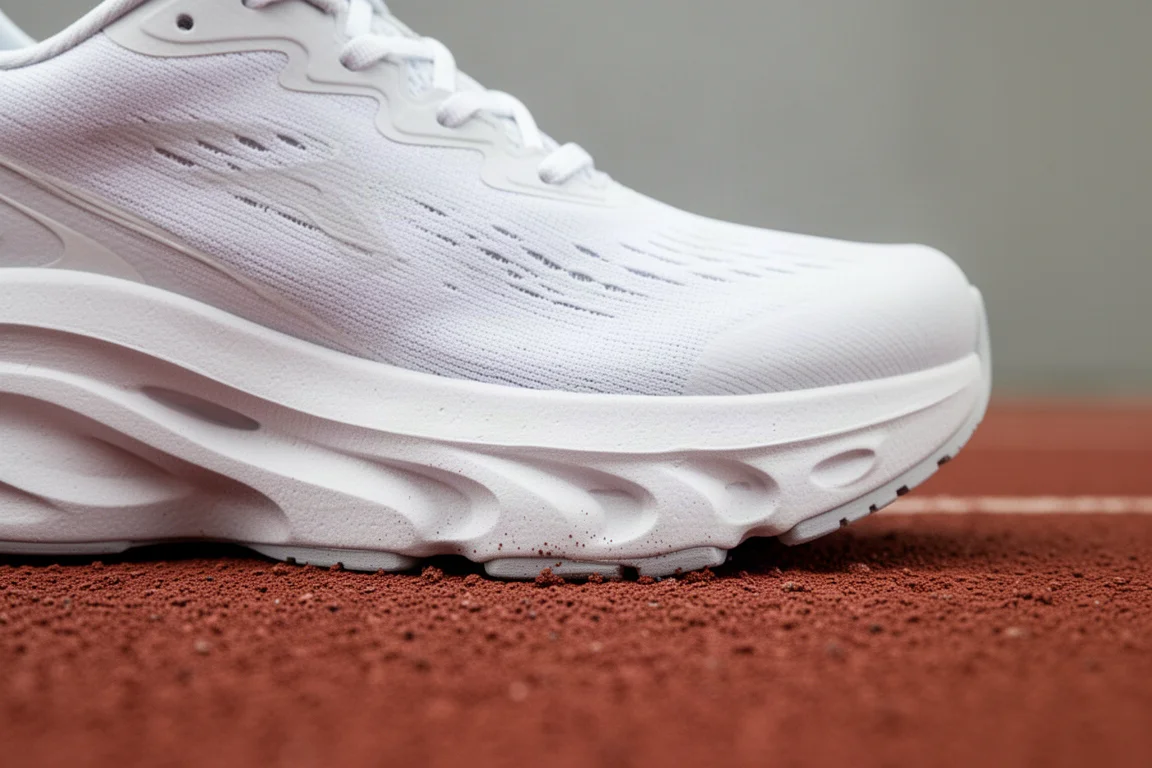
Fit is straightforward. Testers found it true to size, comfortable, with plenty of padding and plenty of room in the forefoot, and easy to get a secure lockdown. Durability also looks promising, with substantially more rubber on the outsole pointing to a shoe designed to bank a lot of mileage.
If you prefer a very soft, cushioned daily trainer, your runs are relaxed and easy, and you mostly stick to comfortable paces, the 1080 v13 is a very comfortable option.
New Balance Rebel v4
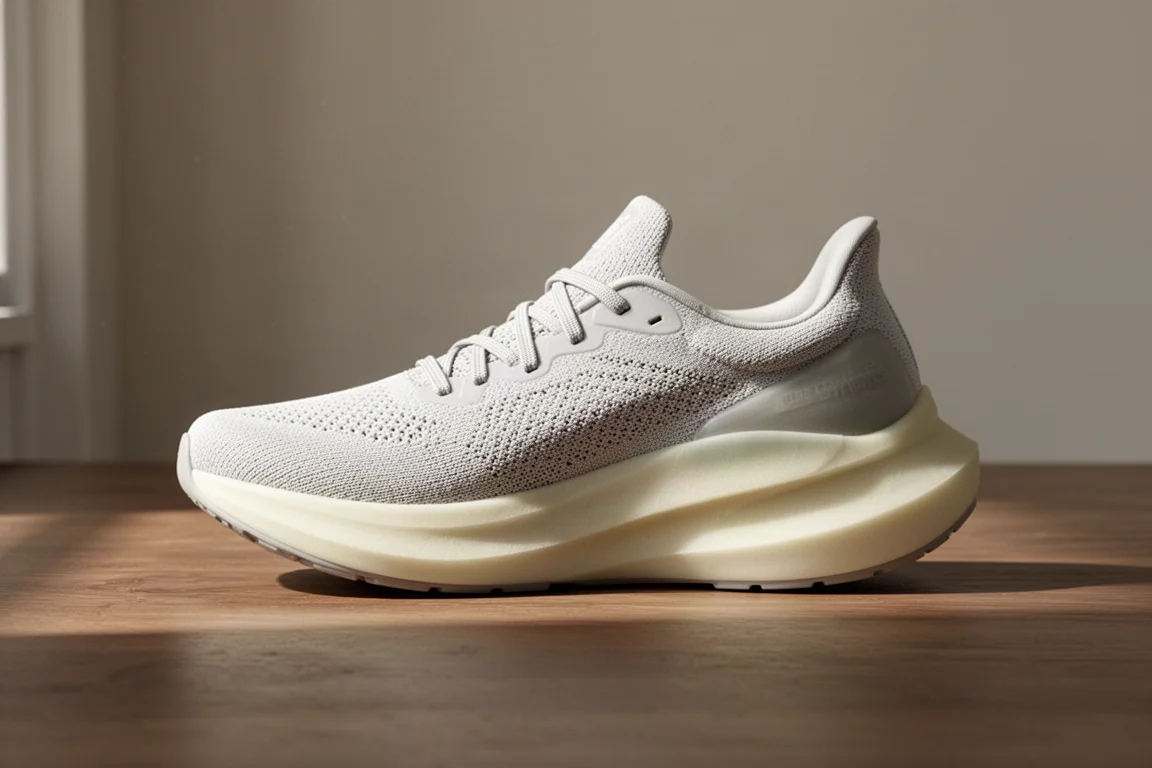
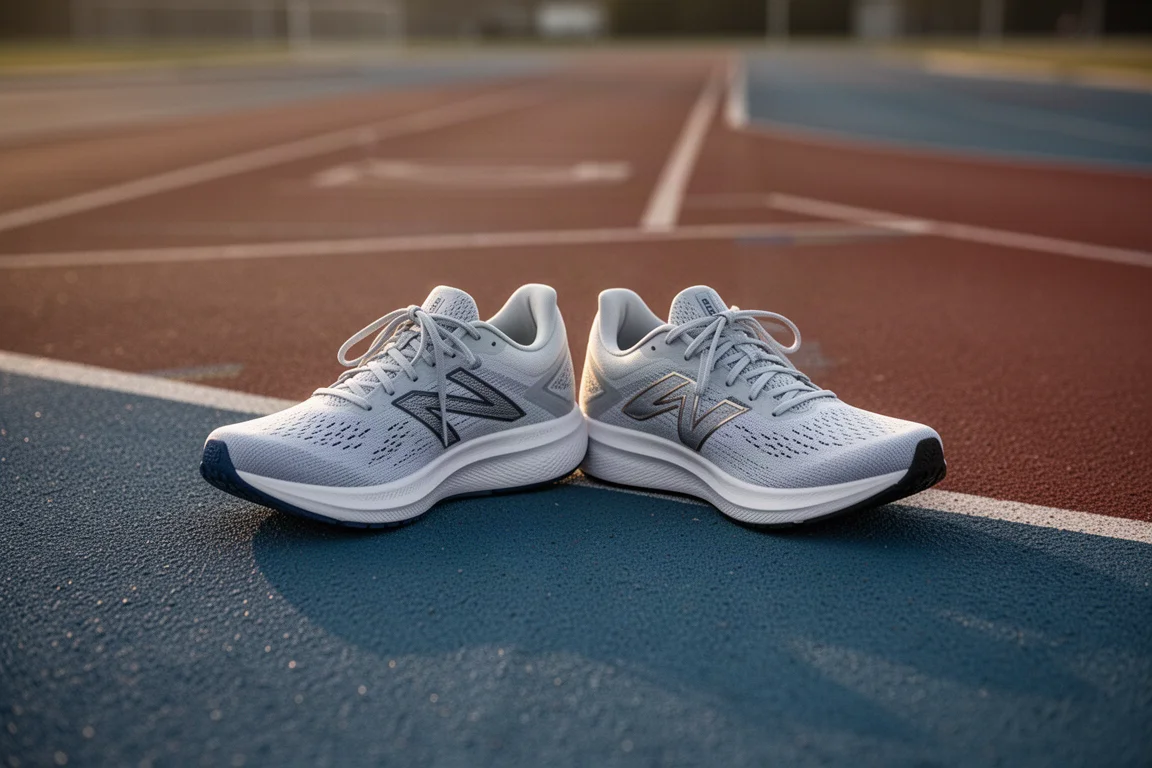
The Rebel v4 is pitched more as a faster shoe, but it works remarkably well as a daily trainer. It is still well cushioned with a lower stack than the 1080, though it feels higher on the foot than its numbers suggest. It is wider and more supportive than previous Rebel versions while staying really lightweight.
The midsole is well balanced, with a little firmness and responsiveness when you up the pace while remaining comfortable enough for relaxed runs. The wide base takes away a touch of nimbleness in faster workouts, but it adds support and comfort for longer runs. Testers found it fantastic for everything from track workouts and slow tired-leg running to a 15-mile long run finished at a decent pace, and around 20K at a maintained pace with speed picked up comfortably.

Fit is the one area to watch. The Rebel v4 runs a little snug, and several testers went half a size up, which worked out well, though the toe box is notably wide at the sides. One tester found toe-end rubbing at their usual size and would have gone up half a size. If you have a narrow foot, you may prefer to stay at your normal size and accept a little less room up front. The upper is lighter with less padding on the tongue and heel than the 1080 v13, but lockdown was secure with no lacing adjustments or rubbing issues.
For most runners looking for one shoe to do everything, including racing, the Rebel v4 delivers far more versatility and more bang for your buck.
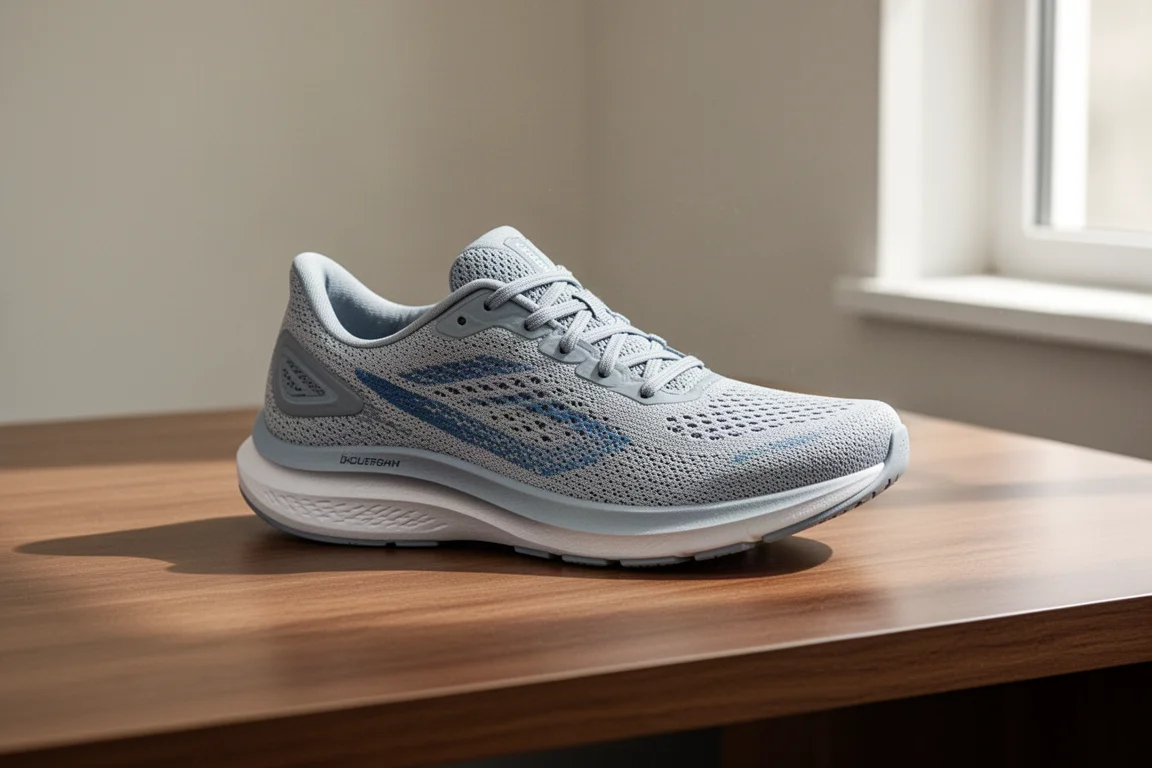
Saucony Endorphin Speed 4
If neither New Balance quite fits what you want from a daily session shoe, the Saucony Endorphin Speed 4 is worth a look. It is an excellent all-rounder: you can do easy runs in it, but it skews more towards faster efforts.
Its plate is a tiny bit more aggressive than the plateless New Balance options. It is not the most aggressive plate on the market, but you will notice it compared to both the 1080 v13 and the Rebel v4. If you are looking for an all-rounder you can go a lot faster in, the Endorphin Speed 4 is probably a better option than either of these shoes.
Overall Buying Advice
At easy paces, the 1080 v13 and Rebel v4 give a fairly similar ride, with soft, comfortable midsoles. The difference shows up when you pick up the pace. The 1080 v13 is very soft and offers little energy return, making it a shoe that skews massively towards easy runs. The Rebel v4 has notable energy return and handles interval sessions, longer runs, and faster efforts well, though it is not quite as versatile as plated all-rounders like the Endorphin Speed 4.
If the majority of your runs are comfortable and easy and you are not chasing speed, the 1080 v13 is the more comfortable choice. It may also suit heavier runners and newer runners who benefit more from that softness. If you want one shoe to do all of your runs and even race in, the Rebel v4 is the stronger pick, and it is the cheaper of the two. You could also pair them in a rotation with the Rebel as your speed day shoe and the 1080 as your easy day shoe, though the Rebel alone can cover most bases.
Conclusion
Both New Balance shoes are fantastic daily trainers built differently for different runners. The 1080 v13 delivers plush comfort for easy mileage, while the Rebel v4 brings speed-day foam traits into a versatile, lighter package. Add the Saucony Endorphin Speed 4 if you want maximum pace potential in an all-rounder. Choose based on the runs you actually do most often, and you will not go wrong with any of the three.
Further reading
Related Reviews

Running Shoes
Best Road-to-Trail Running Shoes: Three Versatile Options for Mixed Terrain
A practical guide to three road-to-trail running shoes that handle both pavement and mild trails, with clear strengths and trade-offs for different runner types.

Running Shoes
Best Running Shoes for Achilles Tendonitis: Three Options Explained
Three running shoes with different heel drops and support features designed to help reduce Achilles tendon pain during walking and running.

Running Shoes
Best Running Shoes for Women: Five Top Choices Ranked
A ranked guide to five women's running shoes, from versatile daily trainers to high-performance racing options, with real strengths and trade-offs for each.