Running Shoes
New Balance Fresh Foam 1080 v13 vs On Cloudsurfer 7: Which Daily Trainer Should You Buy?
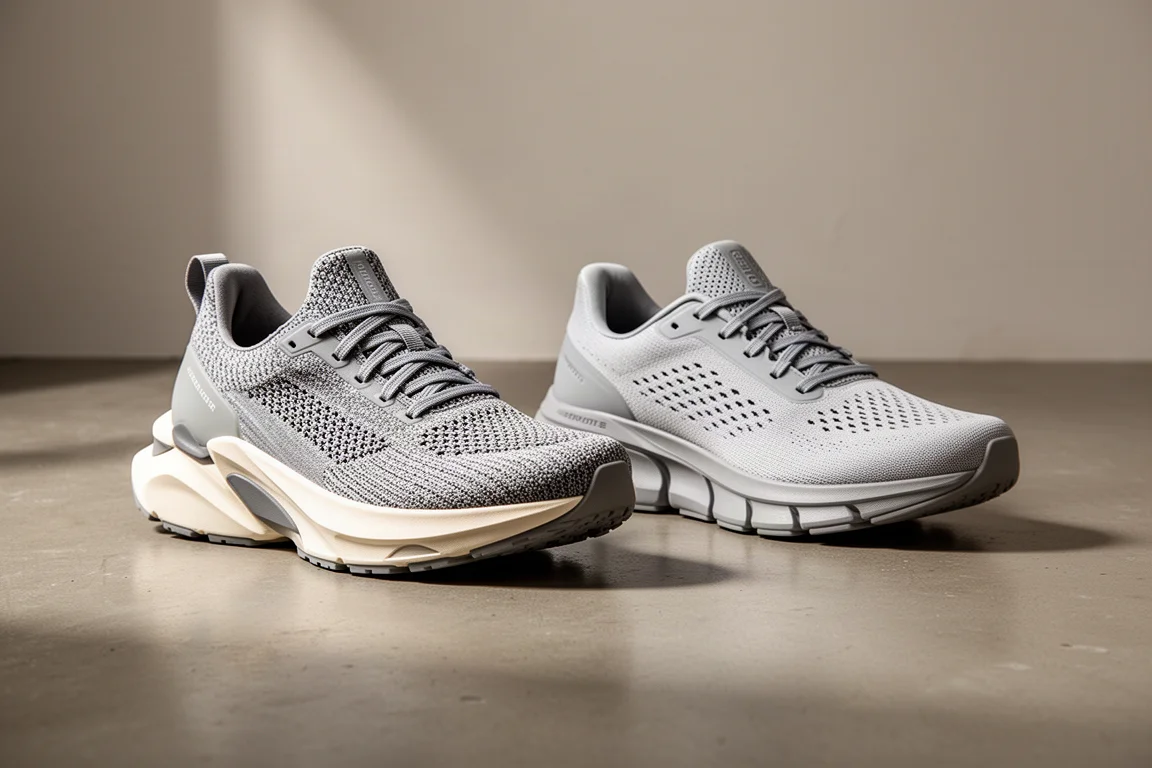
Two soft, comfort-focused daily trainers go head to head: the plush New Balance Fresh Foam 1080 v13 and the lighter, more versatile On Cloudsurfer 7.
Introduction
Comfort-focused daily trainers have had an interesting year, and these two shoes are a big part of why. Both the New Balance Fresh Foam 1080 v13 and the On Cloudsurfer 7 are softer than their predecessors ever were, and both now lean firmly into the cushioned end of the market. That makes them a natural comparison for runners who want one shoe for easy miles.
The differences come down to weight, ride feel, and how much versatility each offers beyond slow running. Here is how they stack up.
New Balance Fresh Foam 1080 v13
The Fresh Foam 1080 v13 costs £160 / $164.99, weighs 262g (9.2 oz) for men in a size 8, and has a 6mm drop. New Balance has reworked the shoe with a new, softer Fresh Foam midsole to improve cushioning and comfort, plus a redesigned breathable mesh upper that offers more structure than earlier versions. There is plenty of padding around the ankle collar and tongue, and an endurance rubber outsole for grip and durability.
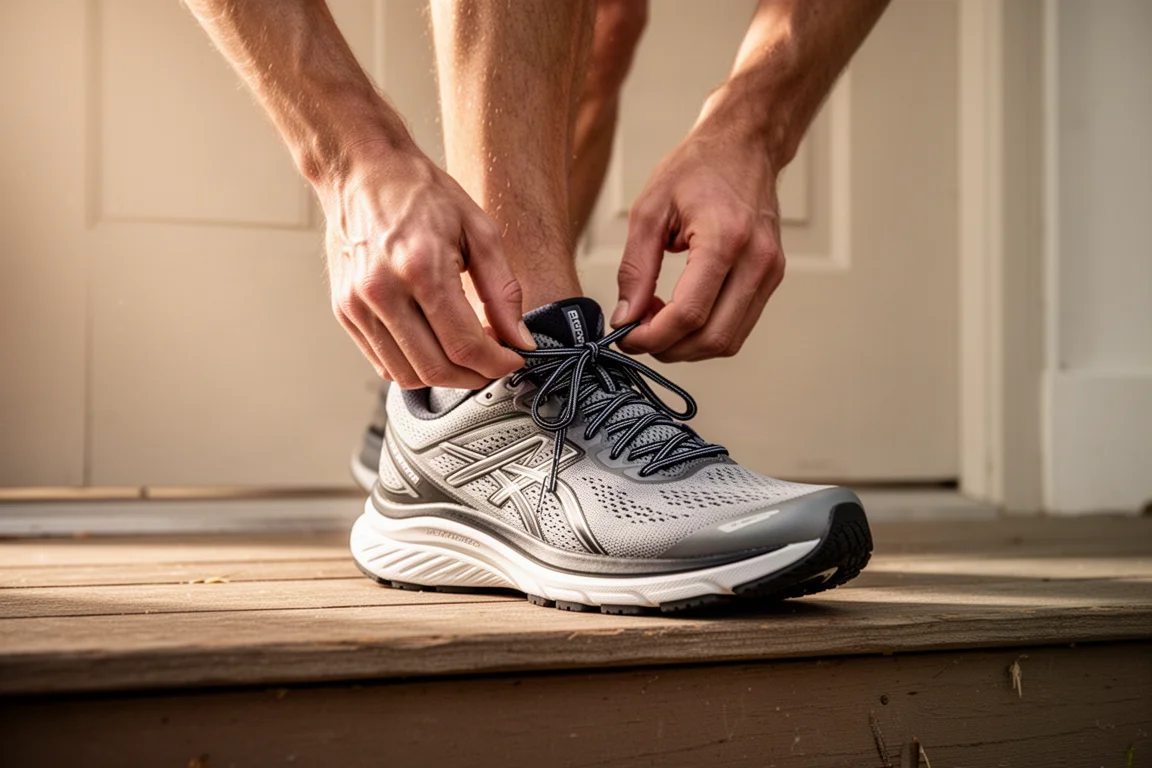
This is a very different shoe from the 1080 v11 and v12, which were more neutral and less memorable. The v13 is much softer, almost mushy at times, which makes it an excellent choice for recovery runs and easy days, but a less versatile one when you want to pick up the pace.
On Cloudsurfer 7
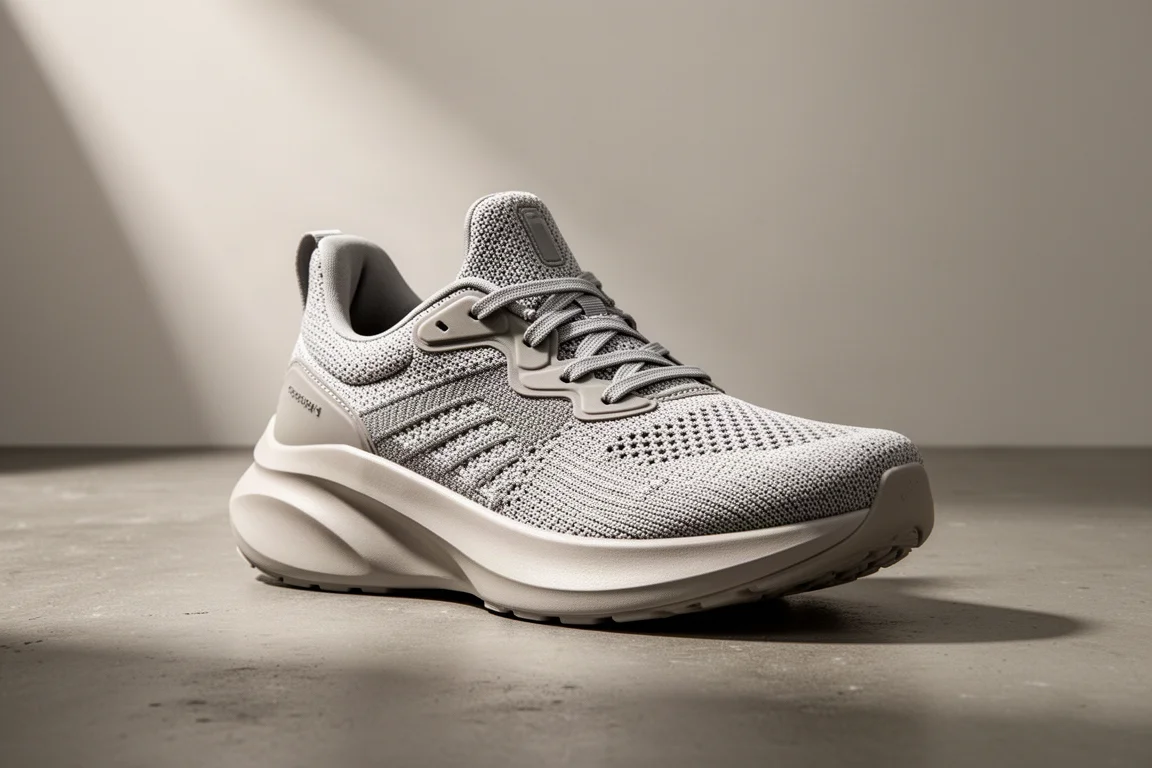
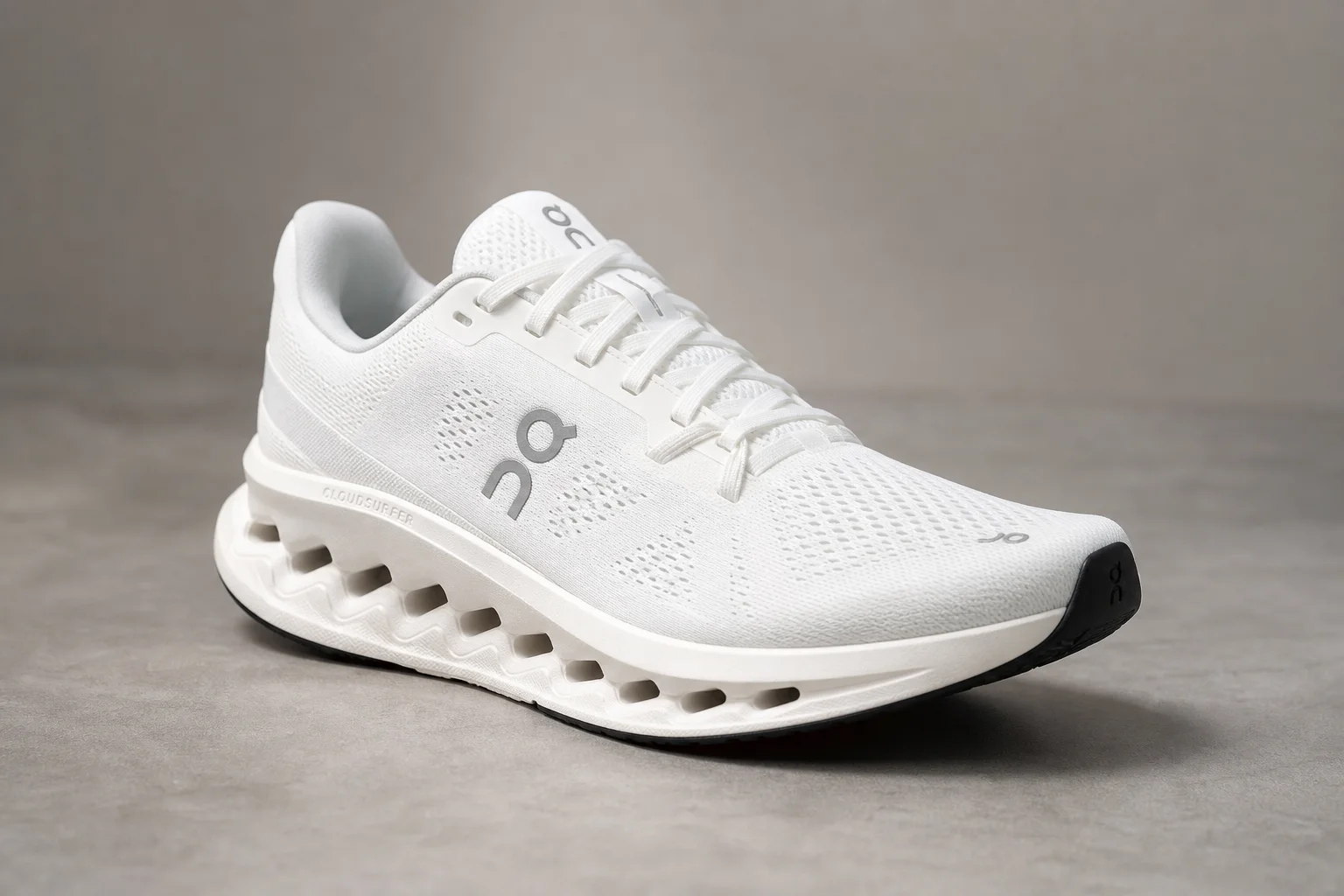
The Cloudsurfer 7 costs £150 / $159.99, weighs 236g (8.3 oz) for men in a size 8, and has a 10mm drop. This seventh iteration is almost a complete overhaul of its predecessors. The biggest change is On’s new CloudTec Phase midsole technology, a softer and bouncier design aimed at improving heel-to-toe transition and comfort.
Unlike most On shoes, the Cloudsurfer no longer has a speedboard running across the length of the shoe, so the ride is less rigid than earlier models. There is a soft mesh upper with plenty of padding around the heel collar and tongue, a modest covering of outsole rubber at the front and rear, and an interesting lacing system designed for a lockdown fit.
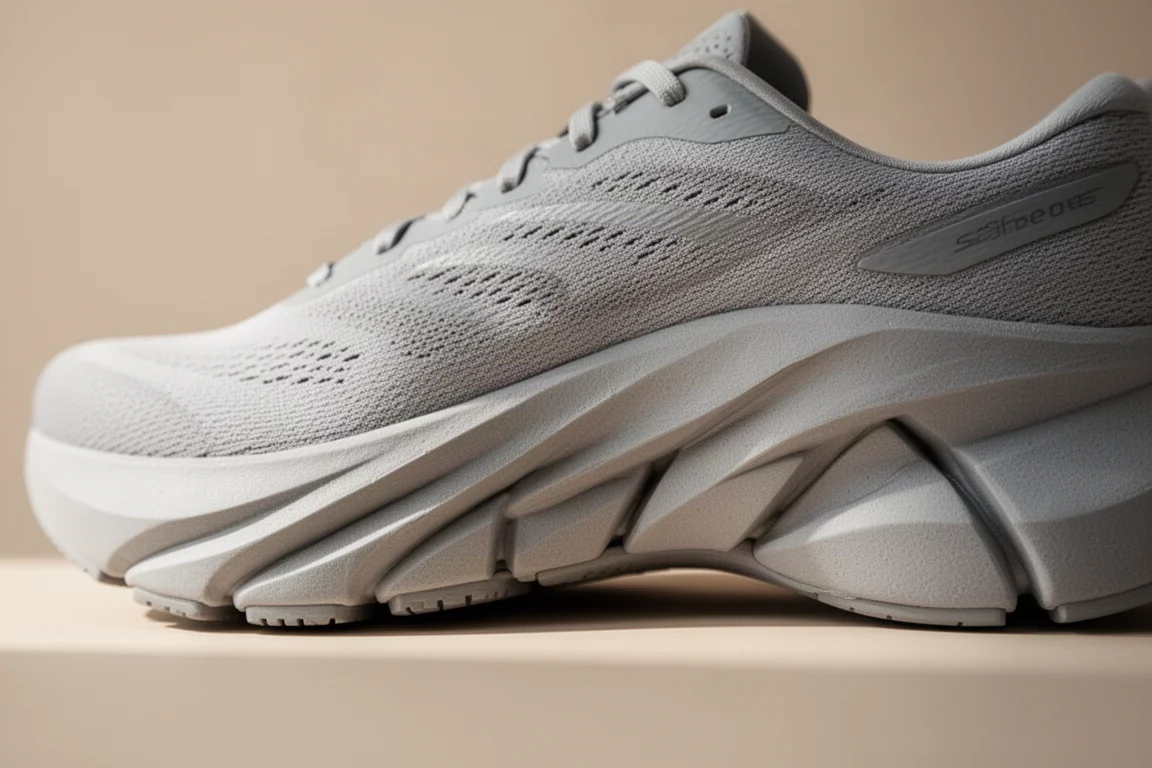
The result is a smooth, rocking ride that is surprisingly light for how soft it is. It cruises happily at easy paces yet still picks up the pace comfortably, making it a strong first-choice daily trainer.
Fit and Sizing
Both shoes fit true to size for most testers, with plenty of padding and generous room through the midfoot. The uppers feel similar: well reinforced, well padded, and welcoming the moment you slip them on.
The main difference is in the toe box. The 1080 v13 hugs the foot more closely, with a narrower toe box and a more dialled-in, compact fit. The Cloudsurfer 7 is airier and more spacious, feeling almost a touch loose by comparison, which many runners will appreciate for toe room on longer runs. One caveat: some runners found the Cloudsurfer runs slightly short, so trying a half size up is worth considering, especially if it will be your long run shoe. For the 1080 v13, sticking to your normal size is the safest bet.
How They Compare on the Run
On a side-by-side run, the biggest difference is the spring underfoot. The Fresh Foam X midsole in the 1080 has more volume and a bit more detectable bounce, and its wider platform offers marginally more stability. It also rolls through more noticeably, so heel strikers get a natural roll into toe-off.
The Cloudsurfer 7 is lighter, more compact, and more direct. Its firmer, more precise platform gives you a bit more response rolling through the forefoot and toe-off, which is why it is the better pick for faster miles. It feels less rocker-shaped until you get up on the front foot, so it runs a touch flatter early in the stride.

Both shoes are best suited to easy runs where you can enjoy a soft ride. If you want protection and maximum softness for long, slow miles, the 1080 wins. If you want a shoe that still has an edge when you go up the gears, the Cloudsurfer is the better all-rounder.
Durability and Details
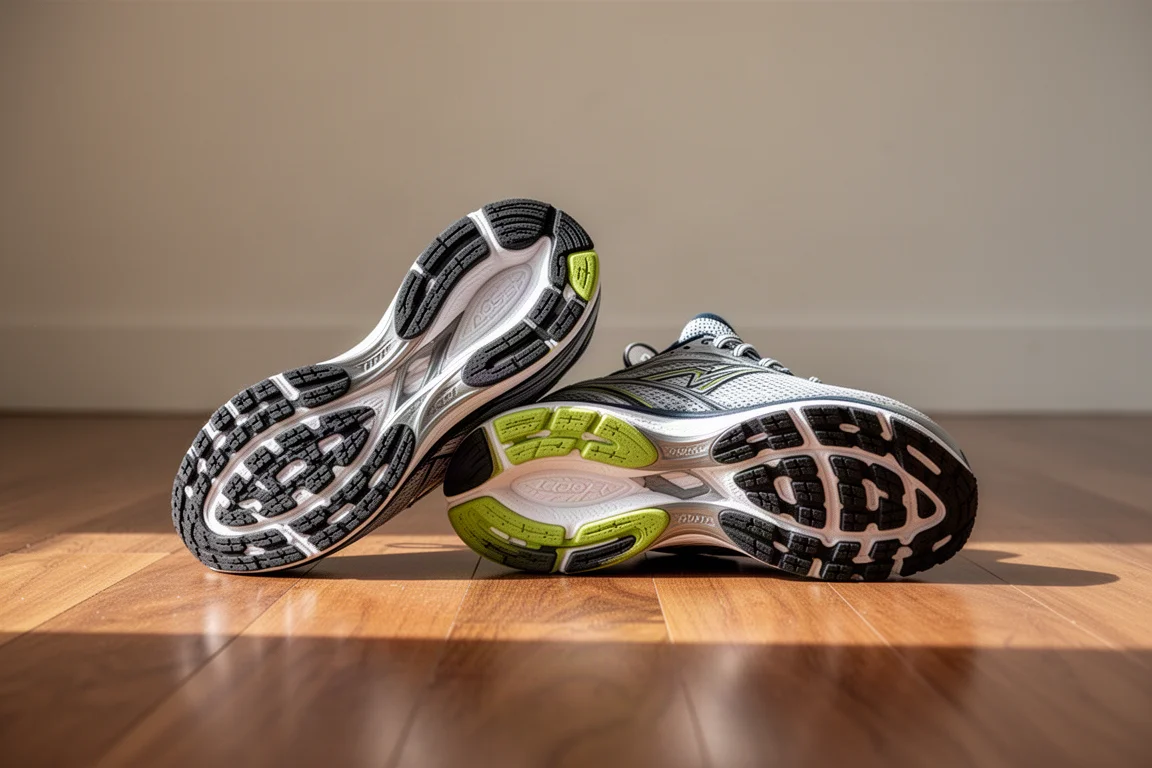
The outsole is better on the 1080 v13: more coverage, more grip, and better protection for the midsole, which should also help its long-term durability. The Cloudsurfer 7 has less rubber coverage, so its outsole is the weaker of the two.
One quirk worth knowing: the Cloudsurfer 7 squeaks, noticeably, from early runs in. It does not affect performance, but if squeaky shoes bother you, factor it in. There is also some uncertainty over how durable the CloudTec Phase midsole will prove long term, though no problems have surfaced so far.
Verdict: Which One Should You Buy?
If you love soft shoes and want the most cushioning and protection possible, the 1080 v13 delivers that in spades. It is comfortable, well built, and likely the more long-lasting of the two, but it is heavier and less enjoyable at faster paces.
The Cloudsurfer 7 is a touch cheaper, lighter, more versatile, and better at faster efforts while still soaking up slow miles and recovery runs. It is also a very good everyday shoe you can happily wear off the run. For most runners building a rotation around one capable daily trainer, it edges the win, though the 1080 v13 remains the standard-bearer for pure plush comfort.
Conclusion
Both shoes mark a clear shift toward the cushioned, easy-mile end of the market, and both do it well. Choose the On Cloudsurfer 7 if you want one lighter, more versatile daily trainer, and the New Balance Fresh Foam 1080 v13 if your priority is the softest, most protective ride for easy and recovery days.
Further reading
Related Reviews

Running Shoes
Best Road-to-Trail Running Shoes: Three Versatile Options for Mixed Terrain
A practical guide to three road-to-trail running shoes that handle both pavement and mild trails, with clear strengths and trade-offs for different runner types.

Running Shoes
Best Running Shoes for Achilles Tendonitis: Three Options Explained
Three running shoes with different heel drops and support features designed to help reduce Achilles tendon pain during walking and running.

Running Shoes
Best Running Shoes for Women: Five Top Choices Ranked
A ranked guide to five women's running shoes, from versatile daily trainers to high-performance racing options, with real strengths and trade-offs for each.