Running Shoes
New Balance Fresh Foam 1080 v13 vs More v4: Which Cushioned Cruiser Should You Buy?
Two plush New Balance daily trainers with very different personalities. Here's how the softer 1080 v13 compares with the wider, rockered More v4.
Introduction
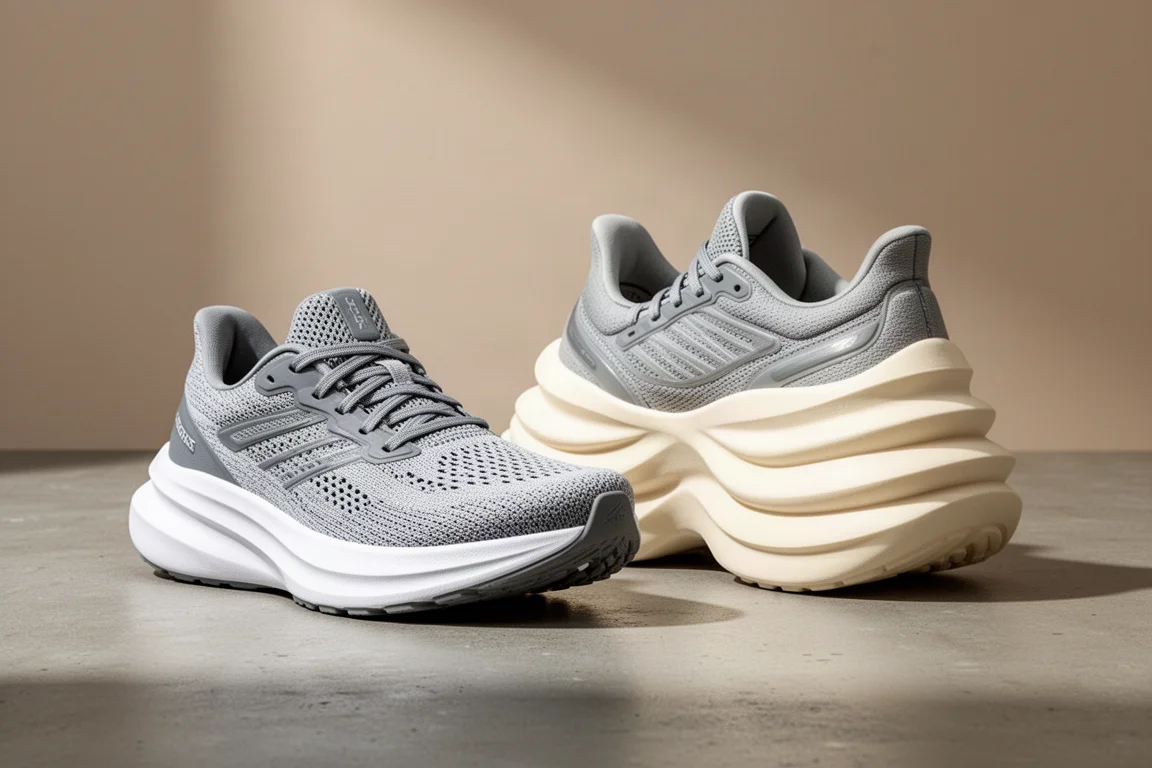
New Balance’s cushioned daily trainer range has two big names right now: the Fresh Foam 1080 v13 and the Fresh Foam More v4. Both are designed for easy miles, comfort and long cruising runs, but they go about it in noticeably different ways. After putting both shoes through their paces, here’s how they stack up.
New Balance Fresh Foam 1080 v13: Softer Than Ever
The 1080 has long been one of New Balance’s most popular cushioned daily trainers, but older versions historically leaned towards a firmer ride. The v13 changes that with a new, softer Fresh Foam midsole aimed squarely at improving cushioning and comfort. The upper has also been redesigned with a breathable mesh that offers more structure than earlier versions, which had a sock-like fit some runners found loose and unsupportive.
It costs £160 or $164.99, weighs 262 g (9.2 oz) for men in a size 8, and has a 6 mm drop. The shoe features plenty of padding around the ankle collar and tongue, plus an endurance rubber outsole for grip and durability.
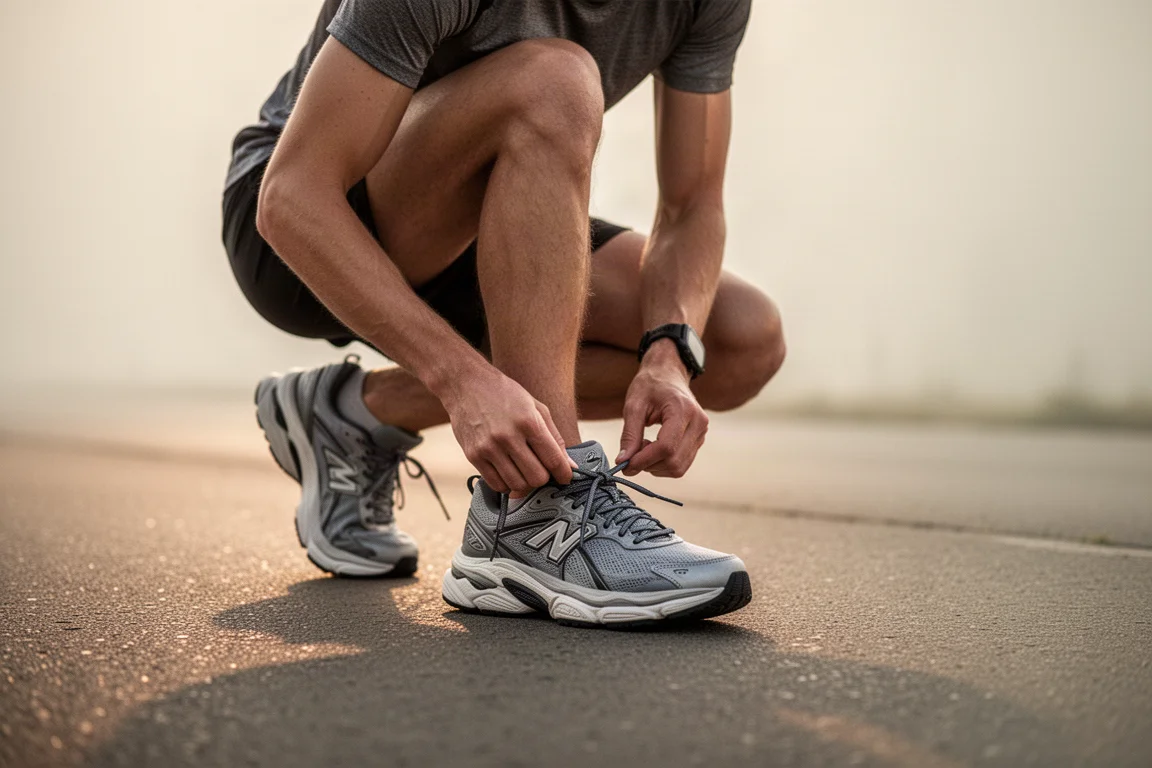
On the run, the v13 is a true plodder in the best sense: ultra soft, smooth and genuinely enjoyable at easy paces. It’s also notably lighter and more nimble on foot than the More v4, although the soft foam means you sink into it, so it isn’t really a shoe for fast running. It even copes better than the More v4 if a long run demands the occasional quicker interval.
New Balance More v4: Maximum Foam, Wider Base
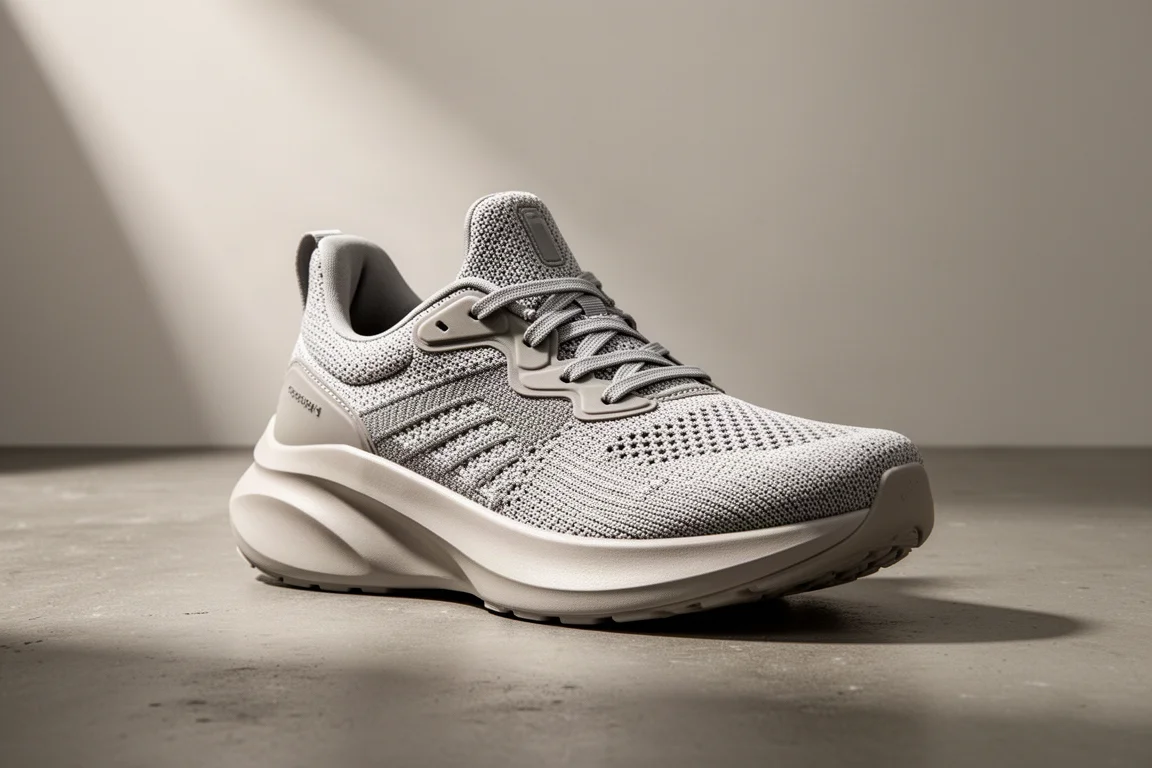
The More v4 is a max-cushion shoe built for plush, comfortable miles, and the headline change over the v3 is even more Fresh Foam X midsole foam, making it higher and wider than its predecessor. That wider platform improves the stability of the ride, while new cushion zones and flex zones across the outsole give it a more natural feel. It keeps a rocker profile for smooth transitions, a plush but breathable engineered mesh upper, generous rubber coverage for grip and protection, and a reflective logo for night running visibility.
It costs £140 or $149.99, weighs 298 g (10.5 oz) for men in a size 8, and has a 4 mm drop.
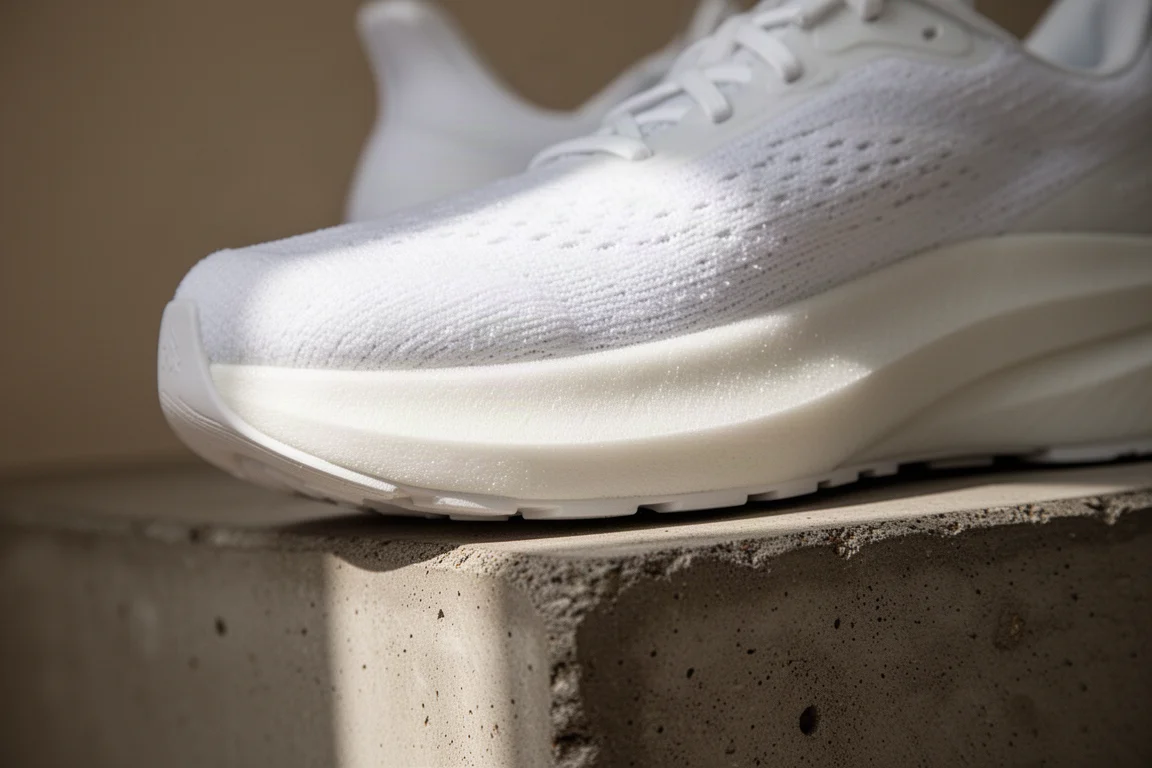
Despite the huge stack, the More v4 actually feels firmer than the 1080 v13 because there’s simply so much foam underfoot. That gives it a more solid base, which makes it the better long-run option, and the rolling rocker motion is a pleasure on easy days. The trade-offs are the weight: it’s a big, stable, slightly clunky shoe that you’ll only really want at slow paces.
Fit and Sizing
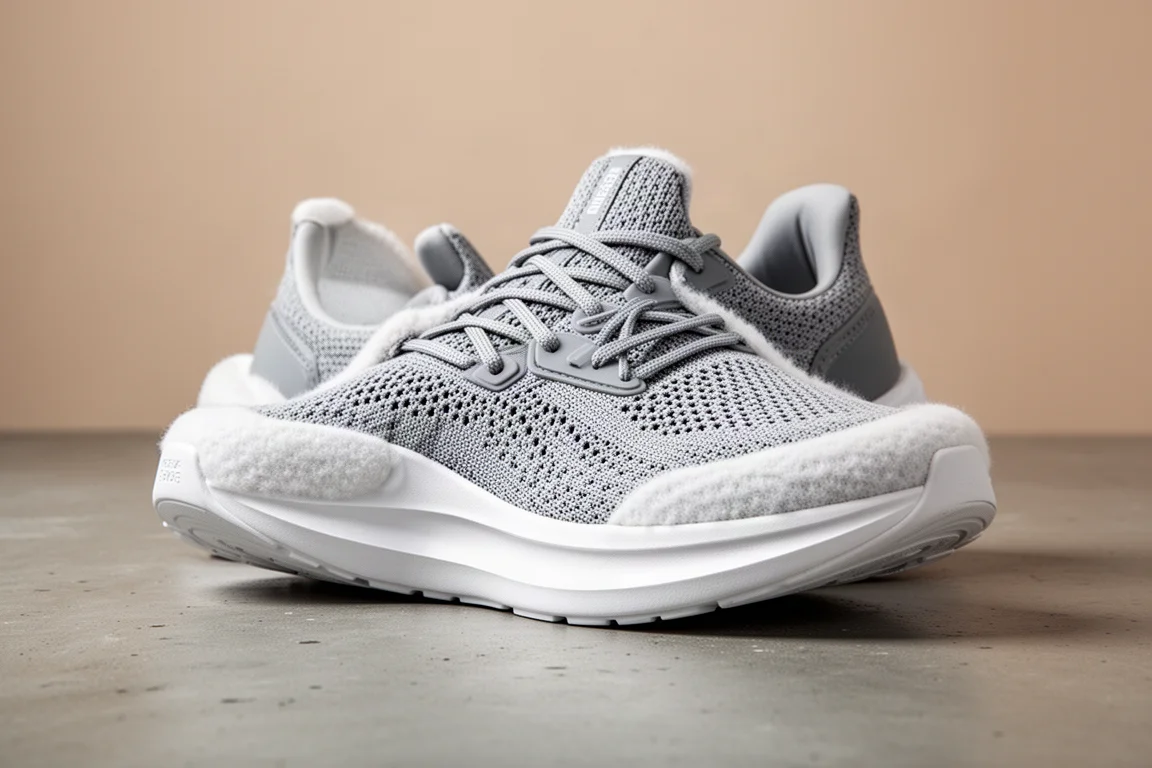
Both shoes share very similar uppers, and testers consistently found they run true to size with no need to size up or down. Good toe box room, secure midfoot hold and solid heel lockdown were reported across the board.
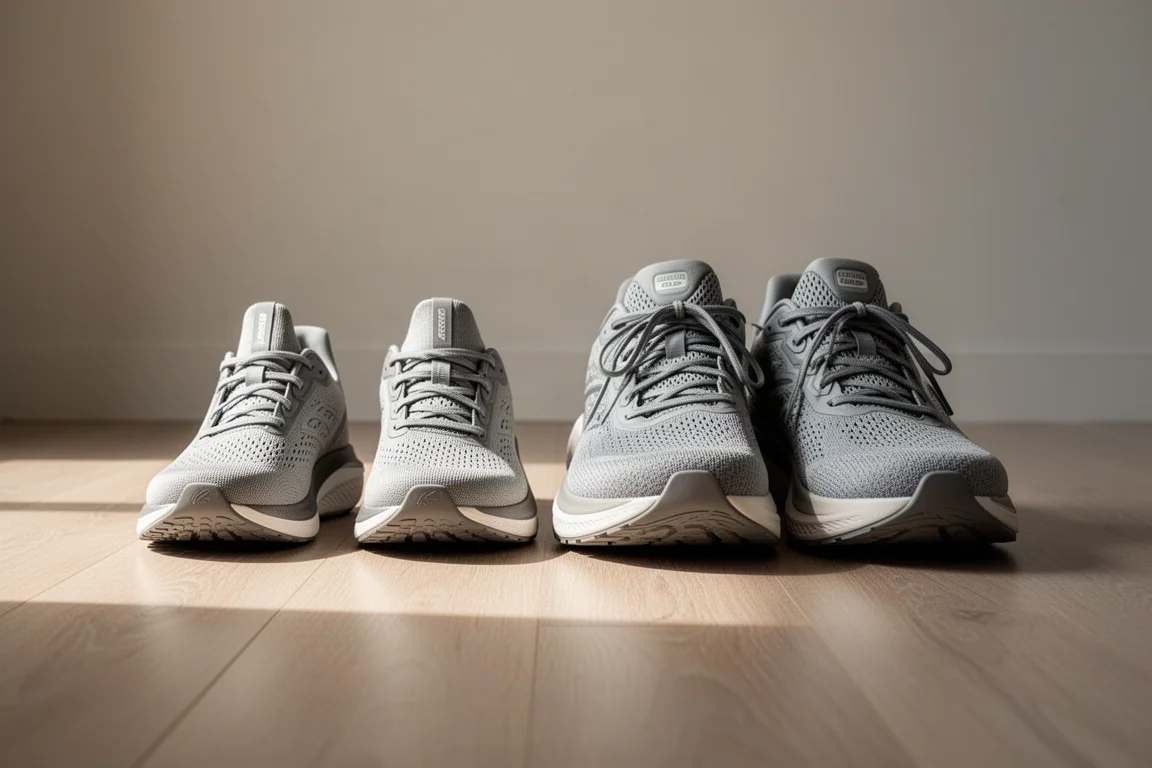
There are subtle differences, though: the 1080 v13 offers a touch more wiggle room and airiness in the toe box, while the More v4 hugs the foot slightly more and feels a little more snug and secure. Neither should cause sizing concerns if you already know your usual New Balance size.
How the Rides Compare
Side by side, these are both big, soft, cocoon-like cruisers with plush collars and tongues, and blindfolded you might struggle to tell which is on your foot. The real differences show up in the ride.
The More v4’s wider midsole acts almost as a guide, adding structure and support, and its more pronounced rocker encourages you to sit back and roll along at slow paces. The 1080 v13 has a gentler rocker, feels more agile and slightly more responsive, and runs a little flatter thanks to its higher drop.
On outsole durability, the More v4 has more rubber coverage overall, which may help it soak up more consistent mileage, although the 1080 v13 showed no obvious durability issues during testing. Neither shoe is springy or bouncy in the way some max-cushion rivals are; the 1080 v13 in particular is simply soft rather than energetic.
Which One Should You Buy?
If your running is built around easy days, recovery runs and comfortable, head-up cruising, both shoes can do the job. The More v4 wins for long runs thanks to its firmer, more solid base and smooth rolling feel, and it’s also the cheaper of the two. Its weight is the main compromise.

The 1080 v13 is the more notable experience: lighter, softer, more agile, and easier to recommend to most runners, though the extra softness can sap a little energy if you try to pick up the pace, and it costs a bit more. If you want maximum structure and stability underfoot, choose the More v4. If you want a lighter, plusher shoe with a bit more flexibility when a run gets quicker, the 1080 v13 is the stronger pick.
Conclusion
The Fresh Foam 1080 v13 and More v4 overlap more than ever, both built for the same easy, comfortable miles. The More v4 brings a wider, more stable, rockered platform that shines on long slow runs, while the 1080 v13 delivers a softer, lighter and more agile ride that’s the easier shoe to recommend overall. Pick based on whether you value stability and a solid base, or lightness and plushness.
Further reading
Related Reviews

Running Shoes
Best Road-to-Trail Running Shoes: Three Versatile Options for Mixed Terrain
A practical guide to three road-to-trail running shoes that handle both pavement and mild trails, with clear strengths and trade-offs for different runner types.

Running Shoes
Best Running Shoes for Achilles Tendonitis: Three Options Explained
Three running shoes with different heel drops and support features designed to help reduce Achilles tendon pain during walking and running.

Running Shoes
Best Running Shoes for Women: Five Top Choices Ranked
A ranked guide to five women's running shoes, from versatile daily trainers to high-performance racing options, with real strengths and trade-offs for each.