Running Shoes
New Balance Fresh Foam 1080 v13 vs Hoka Clifton 9: Which Cushioned Daily Trainer Fits You?
Two everyday running shoes that both got softer this generation, yet now do noticeably different jobs. Here is how they compare on cushioning, fit, and long-run comfort.
Introduction
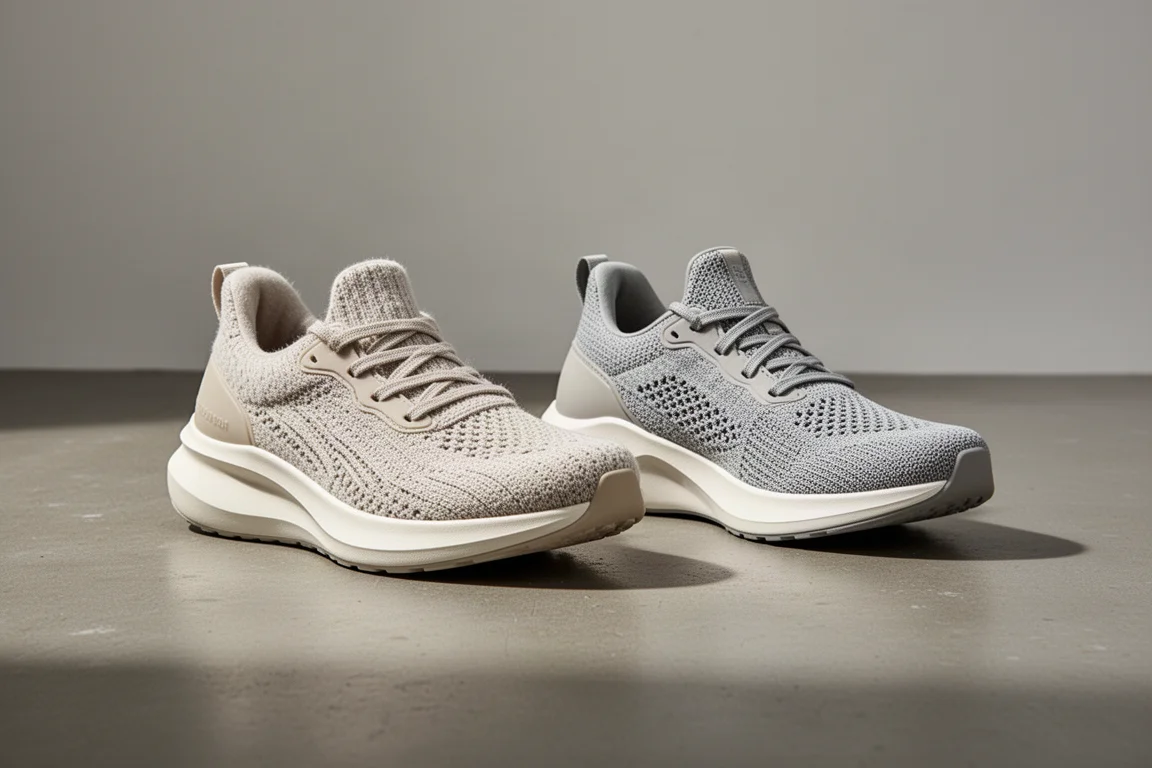
Few things have changed as much in the cushioned daily trainer category as these two shoes. Both the New Balance Fresh Foam 1080 v13 and the Hoka Clifton 9 received significant updates this generation, and in doing so they have shifted apart: one now leans hard into softness and comfort, while the other stays a more versatile all-round daily trainer.
In a head-to-head like this, the details matter. Pricing, weight, drop, midsole foam, and how each shoe behaves deep into a run all separate them. If you are shopping for a comfortable everyday shoe, this comparison should help you pick the right one.
At a Glance: Specs and Pricing
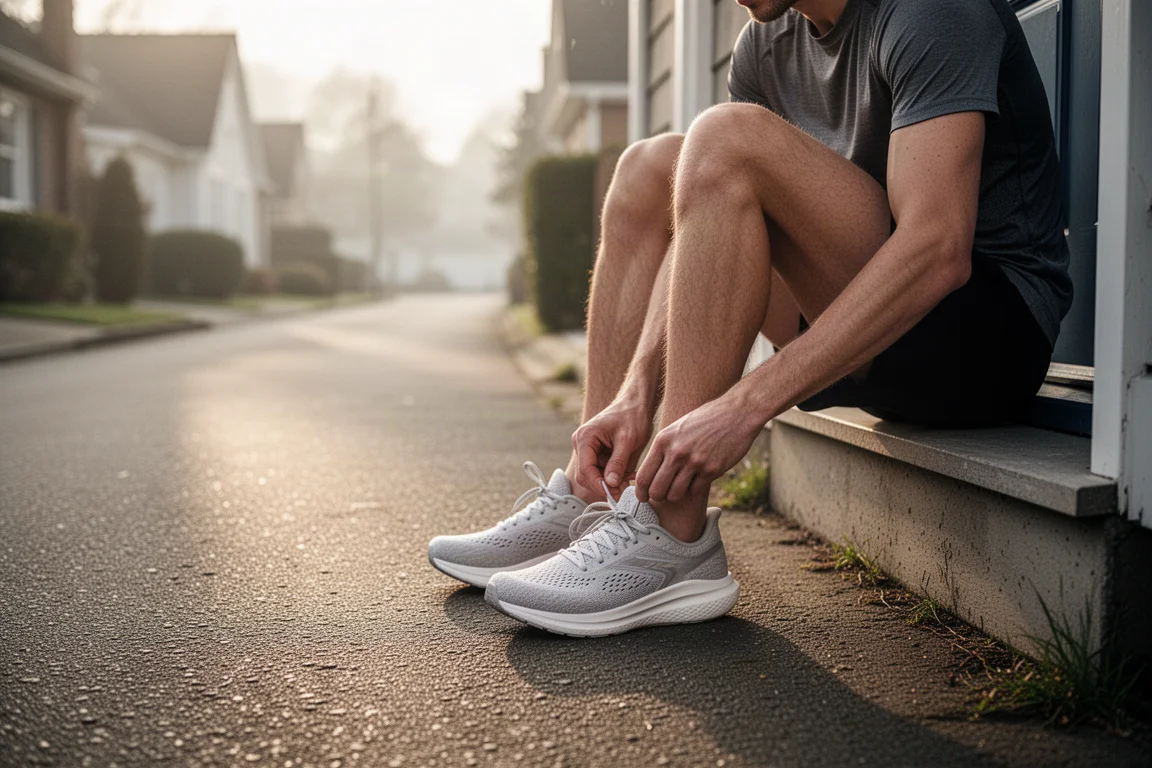
The New Balance Fresh Foam 1080 v13 costs £160 or $164.99, weighs 262g (9.2oz) for men in a size 8, and has a 6mm drop.
The Hoka Clifton 9 costs £130 or $145, weighs 247g (8.7oz) for men in a size 8, and has a 5mm drop. So the Clifton is the lighter and more affordable shoe of the two, with a slightly lower heel-to-toe offset.
How Each Shoe Has Changed
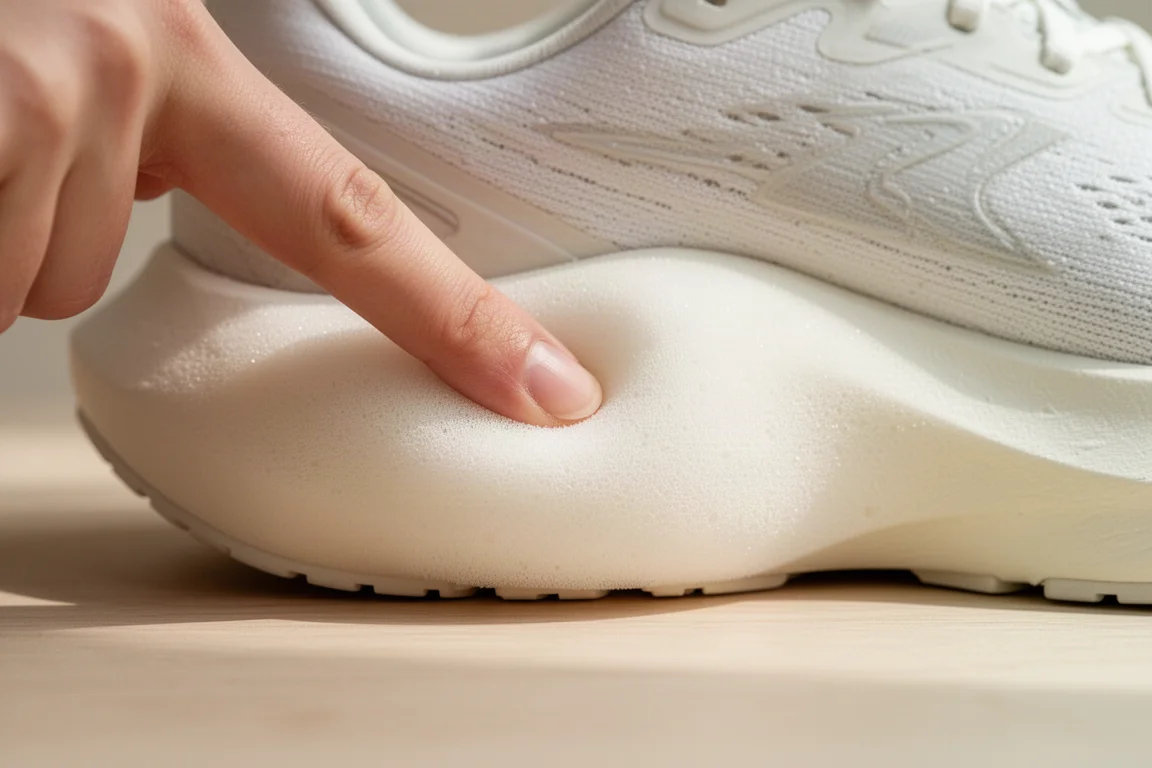
The 1080 v13 has been modified with a new, softer Fresh Foam midsole to improve cushioning and comfort, along with a redesigned breathable mesh upper that offers more structure than earlier versions. There is plenty of padding around the ankle collar and tongue for step-in comfort, plus an endurance rubber outsole for grip and durability.
The Clifton 9 also went through changes aimed at making it lighter and more cushioned. It features a softer compression-molded EVA foam midsole, a breathable engineered knit upper, a gusseted tongue, and an early-stage meta rocker to improve heel-to-toe transition. A modest covering of outsole rubber provides grip, and the geometry is designed to improve stability.
A year ago, comparing the previous versions would have told a very different story. Earlier 1080s and Cliftons both had firmer rides that many runners found a bit dull. With these updates, both shoes became softer and more enjoyable, but the 1080 moved much further into the comfort-first camp, while the Clifton improved all around at the job it was already doing.
Fit and Sizing
Both shoes are comfortable to wear in your normal running shoe size. The 1080 v13 has plenty of space in the forefoot, with a more reinforced upper than the sock-like design of previous versions, and generous padding around the collar and tongue. New Balance sizing can sometimes be inconsistent, but this version has a roomy toe box with no concerns.
Hoka shoes tend to run a little narrower, and the Clifton 9 is no exception, though it should not feel cramped for most feet unless you have a particularly wide forefoot. Both shoes are plush underfoot and around the ankle, and neither requires sizing up or down. Stick with your usual size for both.
On the Road: Ride Feel and Versatility
This is where the two shoes separate. The 1080 v13 is a very soft, comfortable cruiser. From the first few steps it feels plush and protective, and it shines on easy runs, recovery runs, and anything up to around five miles at an easy pace.

However, that softness has limits. As a run gets longer, the foam can feel like it lets you sink in a little, losing some sense of connection with the ground. It is not particularly bouncy and does not suit faster efforts or long sustained runs. It is not the most versatile shoe, but for its intended purpose of soft daily comfort, it does the job very well.
The Clifton 9 is not as soft as the 1080, but it is noticeably softer than previous Cliftons and offers a more resilient platform. The foam gives a little bounce back, the rocker delivers a smooth ride, and it feels good deep into runs, almost improving as the run goes on. That makes it more versatile: happy with easy runs, long runs, and even progression runs with a bit of pace.
Long Runs and Durability of the Ride
Over longer distances, the difference becomes clear. The 1080 feels amazing at the start of a run but can wear you down over time if you prefer a bit of structure underfoot. The Clifton, with its firmer-but-still-comfortable EVA, supports a steady rhythm better deep into a run and holds up well over long distances.

Both shoes use durable outsole rubber in their own way, and neither is a flimsy proposition. But if your typical week includes runs longer than five miles or any faster work, the Clifton’s platform makes the stronger case. If every run is a short, easy recovery jog, the 1080’s softness is hard to beat.
Which Should You Buy?
The choice comes down almost entirely to how soft you like your shoes. If you want the softest, most cushioned ride possible for easy and daily running, the 1080 v13 is the shoe that provides it, though it costs more and does less beyond comfortable cruising.
If you want a cushioned but slightly firmer, more versatile daily trainer that handles long runs and a range of paces better, the Clifton 9 is the better pick, and it is also the cheaper of the two. Both are good shoes that do their respective jobs well, and for many runners they could even be used interchangeably.
Conclusion
These two shoes now do quite different jobs despite their similar price positioning. The New Balance Fresh Foam 1080 v13 is a comfort-first cruiser with exceptional softness for easy and recovery runs, while the Hoka Clifton 9 is a cushioned yet more versatile daily trainer with a smoother, more resilient ride. Pick the 1080 for all-out softness and the Clifton if you want one shoe that can cover more of your training.
Product link
View more details for New Balance Fresh Foam 1080 v13
This product is mentioned in the review. Check the specifications, options, and compatibility before buying.
View more details for New Balance Fresh Foam 1080 v13Further reading
Related Reviews

Running Shoes
Best Road-to-Trail Running Shoes: Three Versatile Options for Mixed Terrain
A practical guide to three road-to-trail running shoes that handle both pavement and mild trails, with clear strengths and trade-offs for different runner types.

Running Shoes
Best Running Shoes for Achilles Tendonitis: Three Options Explained
Three running shoes with different heel drops and support features designed to help reduce Achilles tendon pain during walking and running.

Running Shoes
Best Running Shoes for Women: Five Top Choices Ranked
A ranked guide to five women's running shoes, from versatile daily trainers to high-performance racing options, with real strengths and trade-offs for each.