Running Shoes
New Balance Fresh Foam X 1080 v13 vs ASICS GEL Nimbus 25: Which Max Cushion Shoe Wins?
Two premium cushioned daily trainers go head to head on fit, ride, comfort and value to help you pick the right easy-day shoe.
Introduction
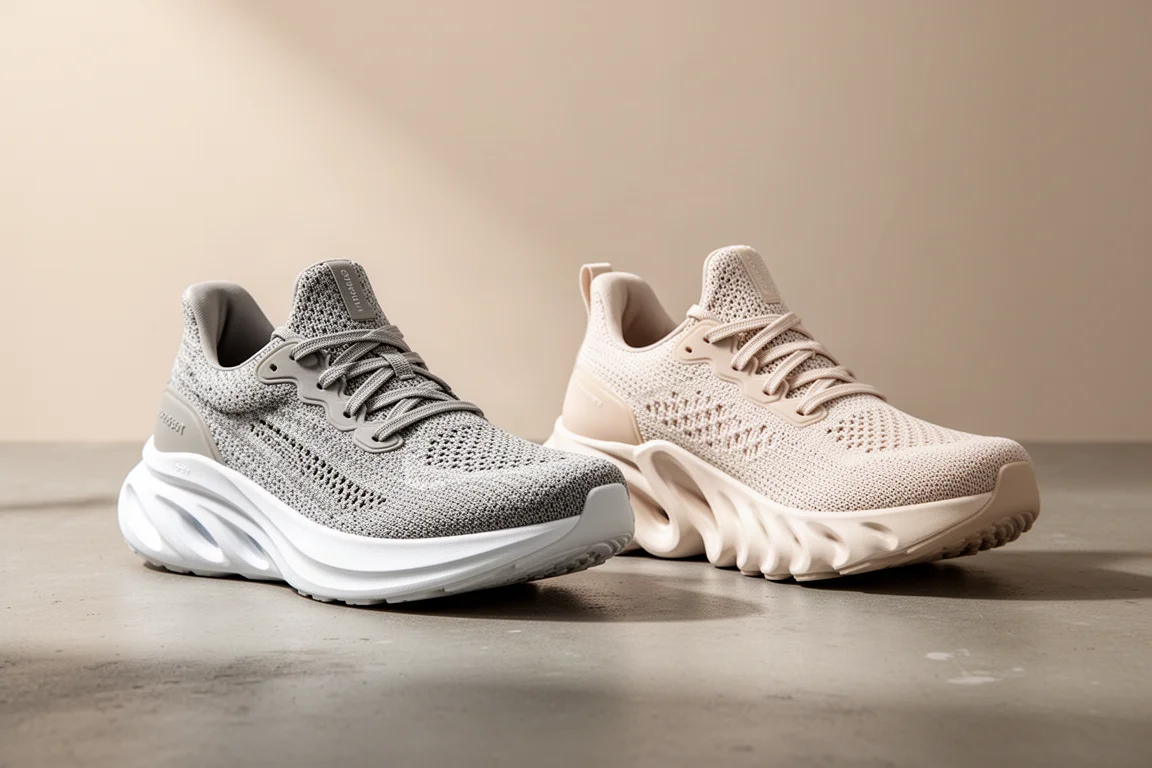
The New Balance Fresh Foam X 1080 v13 and the ASICS GEL Nimbus 25 are two of the most talked-about max cushion daily trainers, and both are priced at a premium level in the US and UK markets. After extensive multi-tester running in both shoes, the picture that emerges is of two very comfortable, very plush shoes that are surprisingly close in almost every area that matters.
Both are big, soft, cushioned shoes built to soak up easy miles, recovery runs and long Sunday cruises. Both are also major overhauls of shoes that were previously considered merely average in the cushioned trainer category. Choosing between them mostly comes down to subtle differences in ride feel, fit and price.
Key Specs at a Glance
Both shoes sit firmly in the cushion shoe category and are priced similarly across the board. The New Balance 1080 v13 is the lighter of the two shoes, which is notable for a max cushion trainer.
The specs diverge in a few key places. The 1080 v13 has a 6 mm drop, while the GEL Nimbus 25 sits at 10 mm. On the upper, the ASICS uses a flat knit construction, while New Balance opts for an engineered mesh. Midsole-wise, the 1080 v13 gets the Fresh Foam X midsole, while the Nimbus 25 uses FF Blast Eco foam paired with ASICS’ Pure Gel technology for stable foundations and a softer, plusher cushioning feel. Outsoles differ too: New Balance calls its rubber an endurance outsole, while ASICS uses its AHAR compound, with slightly different coverage layouts between the two.

Ultimately, both are designed for the same job: absorbing a lot of running time in comfort.
Fit and Sizing
Fit feedback from multiple testers was broadly positive for both shoes, with a few useful nuances. Several testers ran both true to size in their normal running shoe size, reporting good toe box room, a solid midfoot hold and comfortable padded uppers with no heel slippage.
That said, some testers found the GEL Nimbus 25 slightly short in the foot and suggested going up half a size if you are between sizes, especially since these are shoes you will likely wear for long runs and marathon training. The Nimbus has a bootie-style upper that wraps nicely around the foot and is super plush around the collar. Others found the Nimbus slightly more roomy in the toe box, both lengthwise and across the top of the toes, giving a more airy feel.
With the New Balance, the usual advice of sizing up half a size in the brand does not apply here. One tester who normally goes up half a size found the 1080 v13 true to size, with plenty of forefoot room. It has less of a bootie upper than the Nimbus but still locks in well.
The 1080 v13 is also a genuine revamp: previous versions used a sock-like design that some found hard to lock down and lacking padding, while the new version has a much more padded and reinforced upper, easy lockdown and enough room that wider feet may be accommodated.
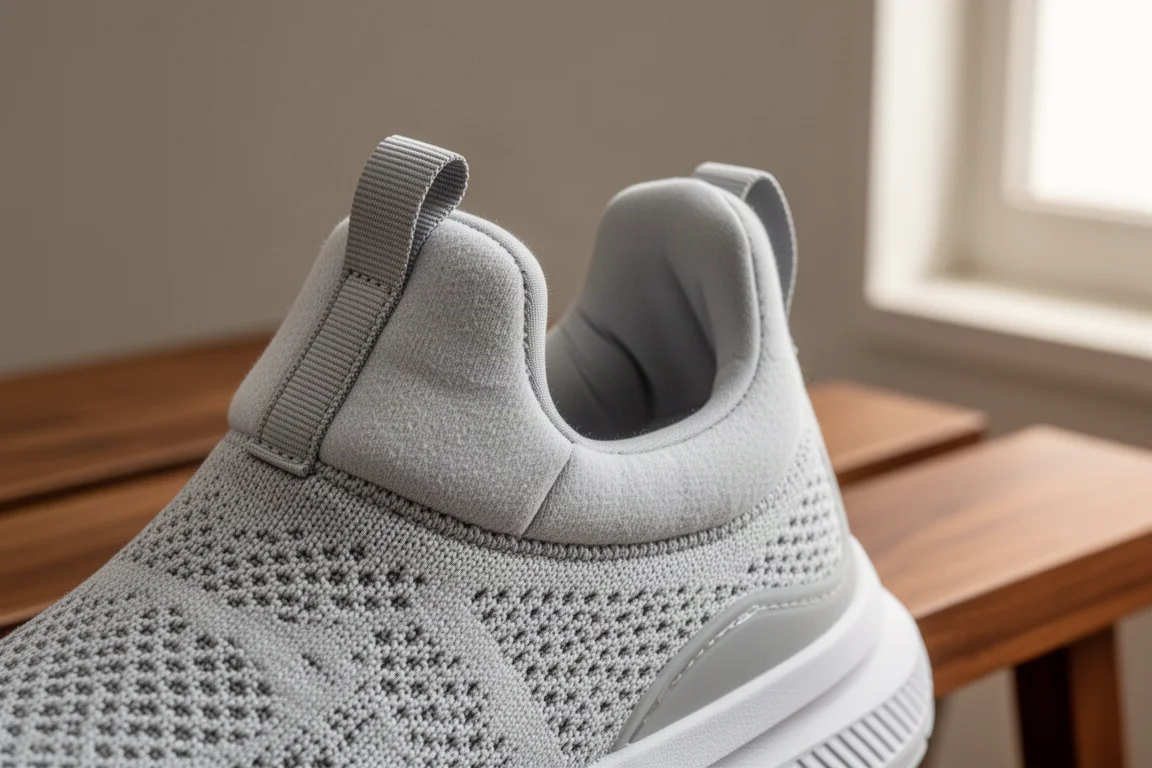
The practical takeaway: try both on if you can. If anything, the ASICS may suit runners who want more wraparound bootie comfort and have high arches, while the 1080 v13 fits true to size despite New Balance’s usual sizing quirks.
Ride and Performance
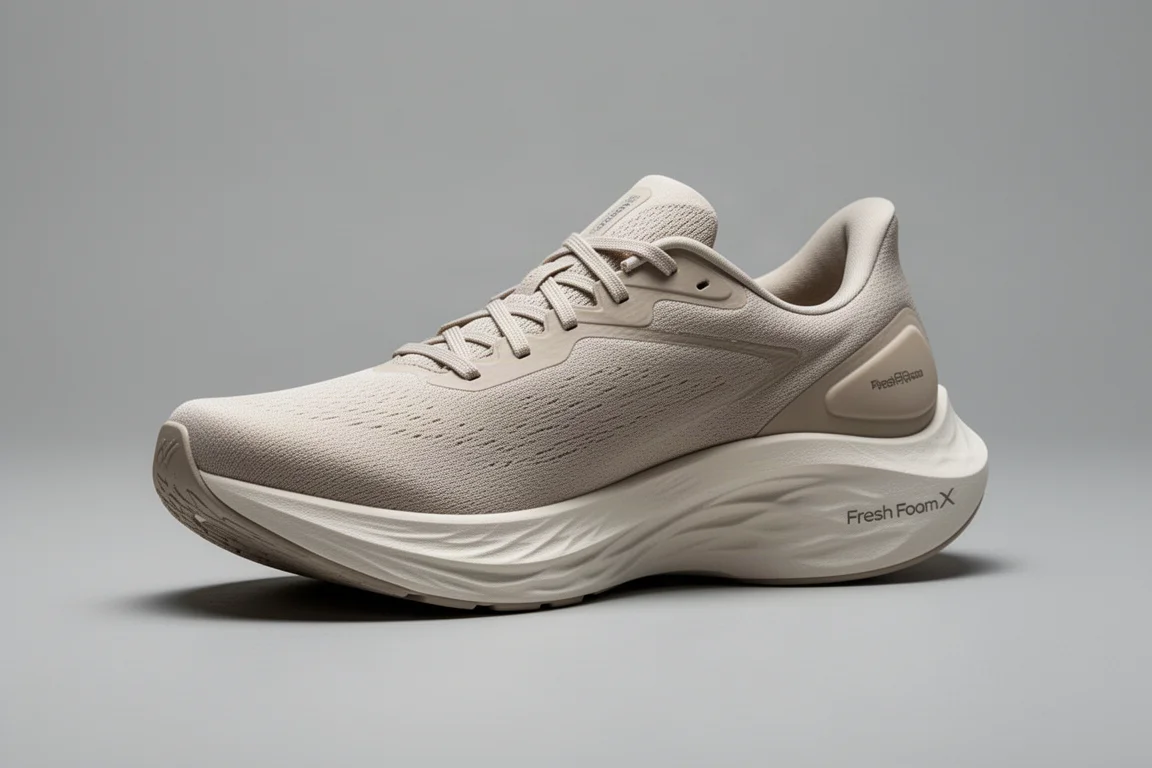
The 1080 v13 is a noticeably softer shoe than the Nimbus. The Fresh Foam X midsole is very squishy, giving a real sink-in feeling when you land. That makes it excellent for easy recovery runs of up to around 45 minutes to an hour, and for the day after a hard session. The trade-off is limited rebound: over longer runs and on progression runs where you try to pick up the pace, some testers found the softness sapping by the end. It is a foam that protects the body rather than bouncing back.
In a side-by-side mile with one shoe on each foot, testers found the comfort essentially equal. Both have a pronounced rocker, but the Nimbus has a firmer bulb of foam under the ball of the foot that gives a bit more roll through the stride, while the 1080 feels slightly flatter. The 1080 also felt a touch more stable, sitting slightly lower to the ground with heels more connected, and noticeably lighter on the foot. Overall, the New Balance felt like slightly less shoe.
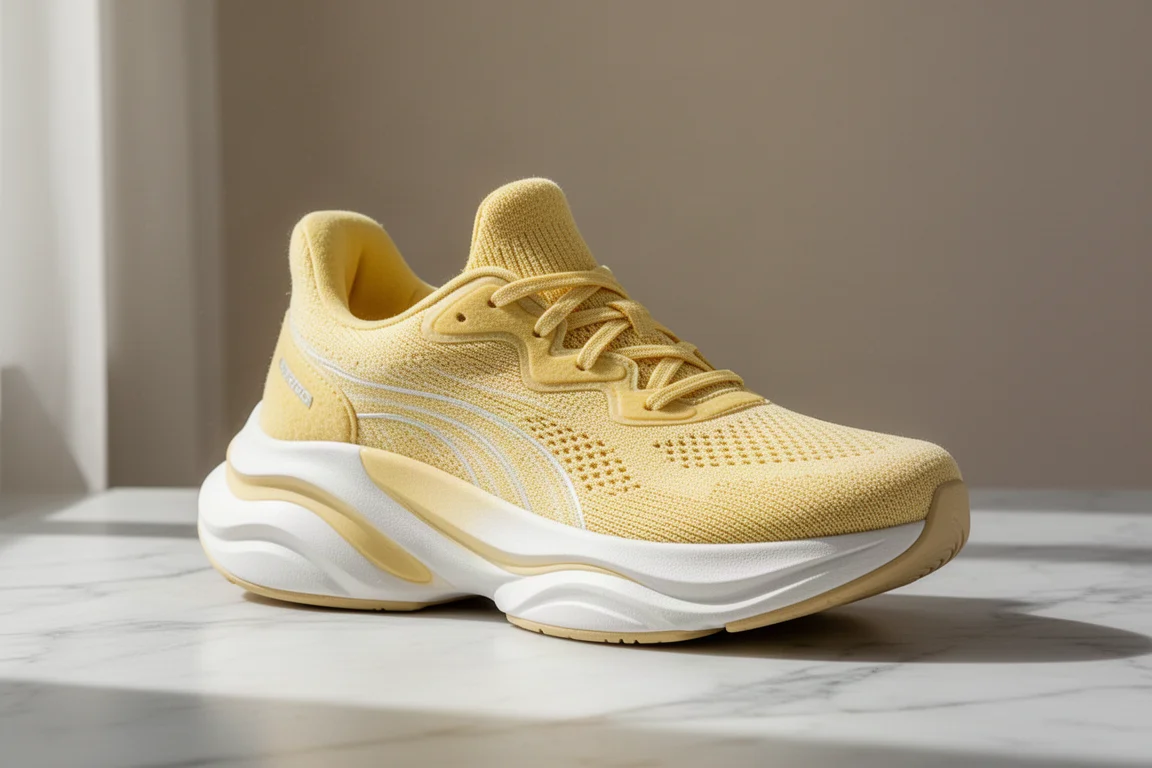
The GEL Nimbus 25, meanwhile, is one of the most complete overhauls ASICS has delivered. Previous versions were competent but unremarkable; this one feels like a completely different shoe. The FF Blast Eco midsole is soft enough for easy and long runs but firm enough to maintain a pace, with a decent amount of rebound and bounce. Testers consistently highlighted it as a standout long run shoe: comfortable without being overly squishy, consistent to the end of a run, and one tester called it their favourite long run shoe of the past year.
It is not a Versus-style speed shoe, given its size, but the foam has enough liveliness for tempo sessions. In fact, testers generally agreed the Nimbus has the slightly more vibrant, bouncy ride of the two, making it a little easier to run quicker in. Neither shoe is particularly versatile, but the Nimbus has a slight edge, and it handles longer runs better than the very soft 1080.
On durability, the New Balance’s outsole offers a bit more coverage and may edge out the Nimbus slightly, but the difference is not large. The 1080 may also cope slightly better with lighter trail use, since the Nimbus shows a little more exposed foam. On roads and pavements, both are well suited.
Which One Should You Buy?
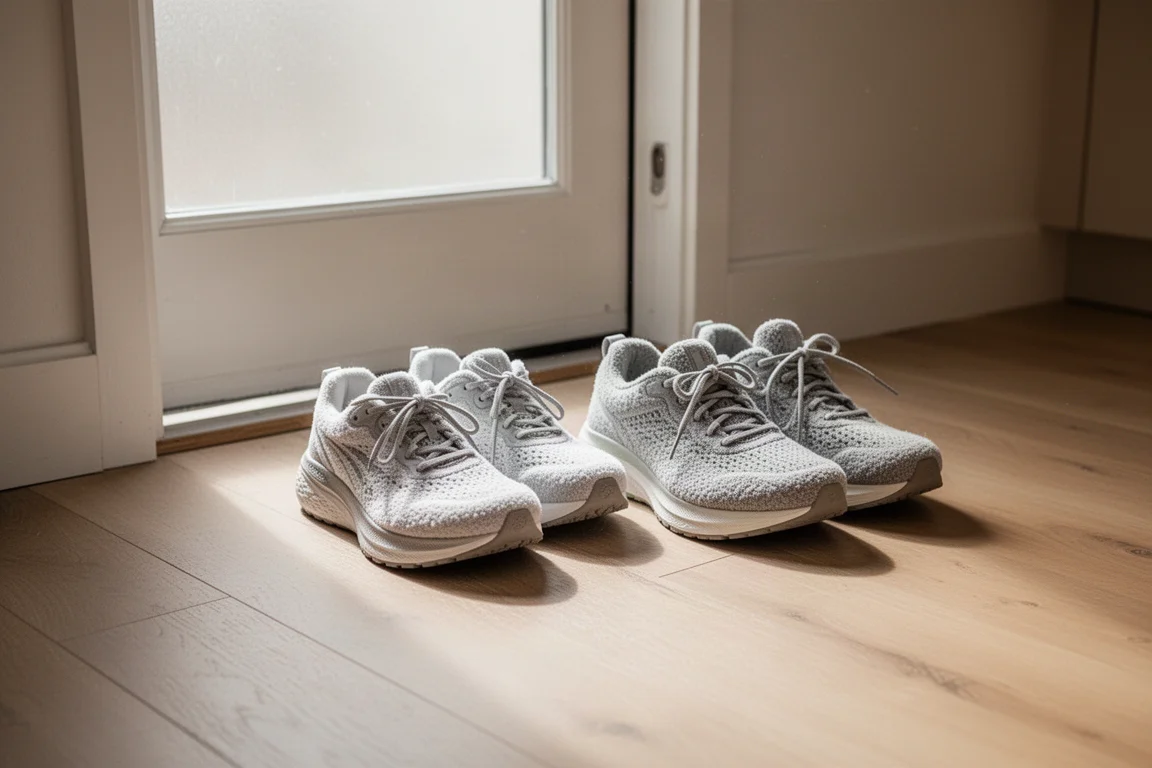
If you want a cushioned all-rounder, especially as a newer runner who wants one shoe to do a bit of everything, or as a first marathon shoe, the GEL Nimbus 25 is the stronger option. Its firmer, more balanced foam holds up through long runs and gives you more versatility for the occasional faster session.
If you want a very soft, comfortable easy-day shoe for your rotation, the 1080 v13 does a similarly good job and is a bit cheaper than the ASICS. For runners whose mileage is mostly easy and recovery runs, its softer feel may actually be preferable. Both shoes are much better than the versions that came before, so unlike many updates, buying the current version is genuinely worthwhile here.
Conclusion
These are two standout cushion shoes and you will not be disappointed with either. The Nimbus 25 delivers the more balanced, slightly more responsive ride and handles long runs better, while the 1080 v13 is lighter, softer, a touch more stable and a bit cheaper. In several testers’ verdicts the New Balance narrowly edged ahead on ride feel and value, but the fairest advice is to try both on and let fit decide, especially if you already lean towards one brand.
Further reading
Related Reviews

Running Shoes
Best Road-to-Trail Running Shoes: Three Versatile Options for Mixed Terrain
A practical guide to three road-to-trail running shoes that handle both pavement and mild trails, with clear strengths and trade-offs for different runner types.

Running Shoes
Best Running Shoes for Achilles Tendonitis: Three Options Explained
Three running shoes with different heel drops and support features designed to help reduce Achilles tendon pain during walking and running.

Running Shoes
Best Running Shoes for Women: Five Top Choices Ranked
A ranked guide to five women's running shoes, from versatile daily trainers to high-performance racing options, with real strengths and trade-offs for each.