Running Shoes
New Balance 1080 v13 Review: A Plush Classic That Changed Direction
The 1080 v13 gets lighter, softer and pricier. Here is what that means for easy runs, tempo work and whether the older versions are still the smarter buy.
Introduction
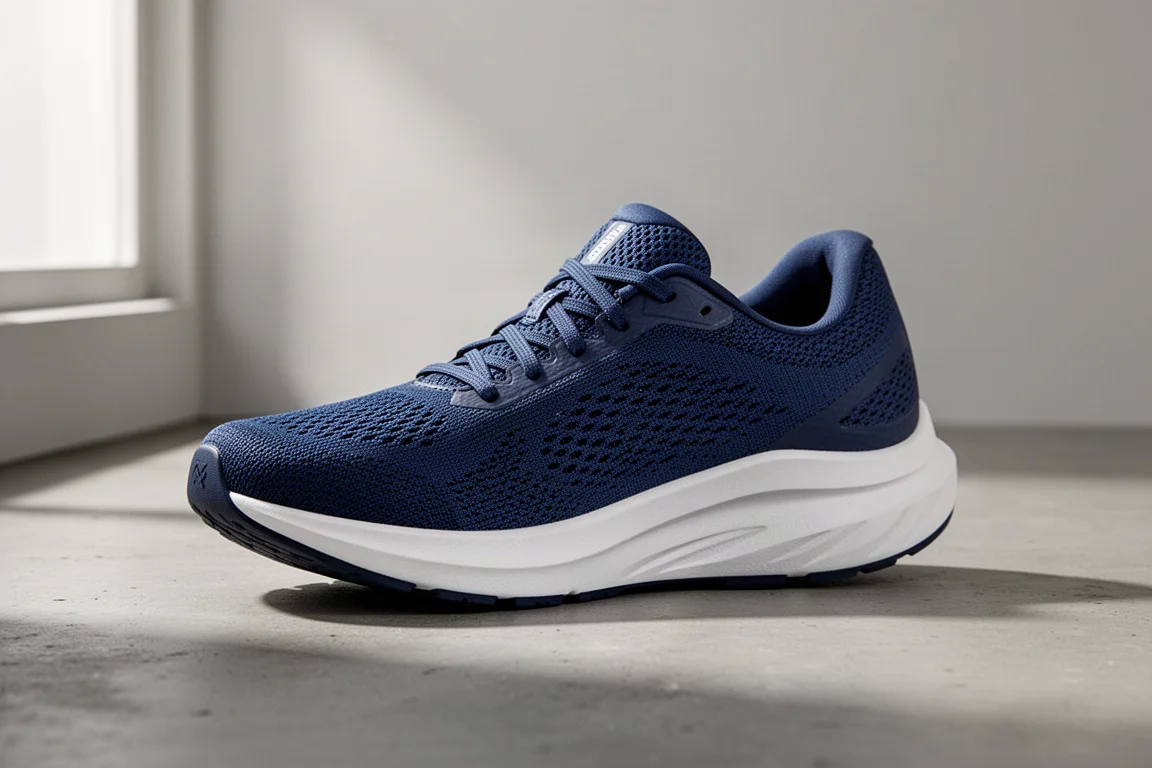
The New Balance 1080 has long been one of the safest recommendations in daily running shoes, a staple for beginners and experienced runners alike. Version 13, though, is a very different shoe from the ones that came before it. Early online reviews have been harsh, and after running in it extensively, it is easy to see why. This is now a super soft, plush recovery and easy-day shoe, and very little more.
This review breaks down what changed, what works, what does not, and whether the Novablast 4 or Nike Pegasus make better use of your money.
Key Changes in Version 13
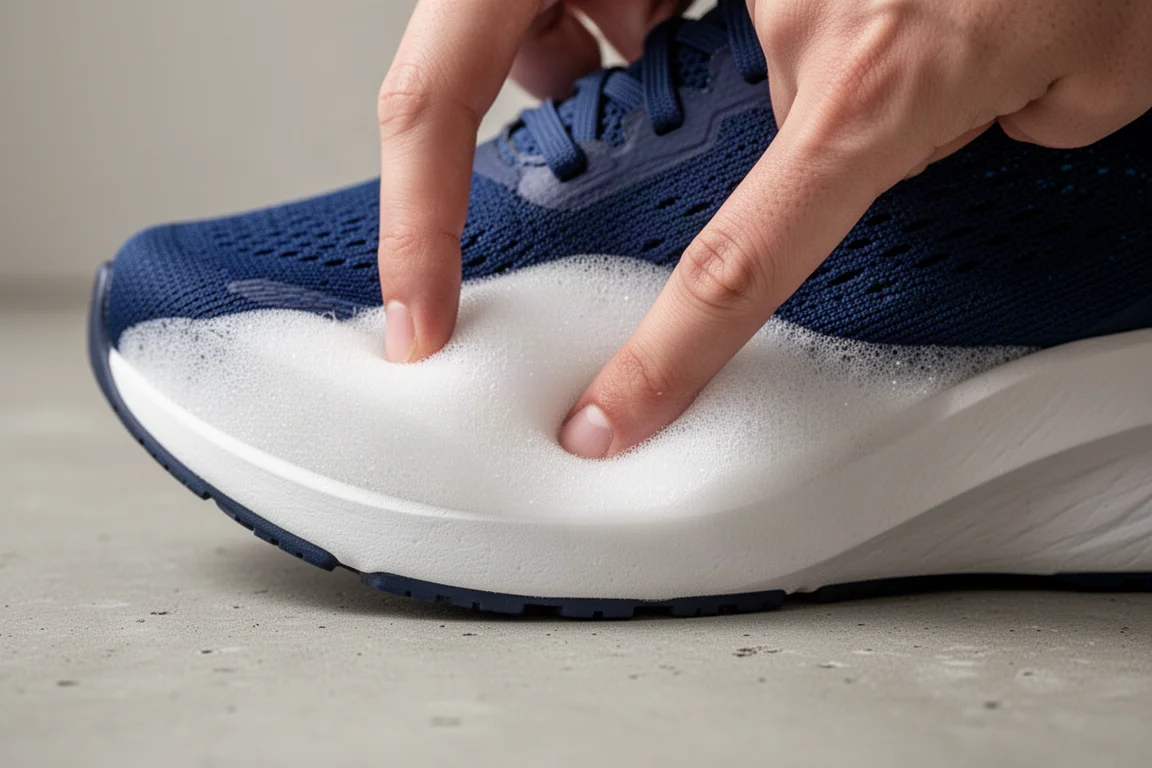
New Balance increased the stack height and packed in more Fresh Foam X cushioning. The drop has been reduced from 8 mm to 6 mm. The shoe is also 30 g lighter than version 12: the tested pair came in at 323 g in a UK size 12, down from 353 g. That weight saving is noticeable out on the road.
The price has gone up as well, by around £15 in the UK. Expect roughly $165 or €190 in other markets. It remains a neutral shoe with no plate, an engineered mesh upper New Balance describes as a second skin, and an endurance rubber outsole that held up well in wet, greasy test conditions.
Specs at a Glance
- Stack height: around 38 mm at the heel
- Drop: 6 mm (down from 8 mm)
- Weight: 323 g tested in UK size 12
- Midsole: Fresh Foam X, no plate
- Upper: engineered mesh
- Outsole: endurance rubber in high-wear areas
- Widths: four in the US, two (standard and wide) in Europe at launch
- Colors: six in the US, five in Europe
- Fit: true to size in a regular UK 12
What the 1080 v13 Does Well
Comfort is the headline. The upper hugs the foot nicely with no hot spots, no rubbing and no heel slip, and there were no Achilles issues even in cold 5 to 7 degree Celsius conditions. It is just as comfortable walking around as it is running.

The weight reduction is the second genuine plus. It genuinely feels even lighter than the 323 g the scales suggest. And at easy and recovery paces, the soft foam is genuinely pleasant. If you want a recovery shoe, or you spend long hours on your feet in retail, the plushness has real value.
Things to Consider Before Buying
The first problem is width. Even on fairly narrow feet, the standard fit is fine but tight, and anyone with regular-width feet should seriously consider the wide option. Much of the wave of one-star reviews came from runners who found the shoe simply too narrow, because the wide fit was not available at launch in all regions.
The second issue is price. At £165 it sits well above the competition: the Asics Novablast 4 sells for around £135 and the Nike Pegasus for just over £100, and neither asks you to sacrifice nearly as much.
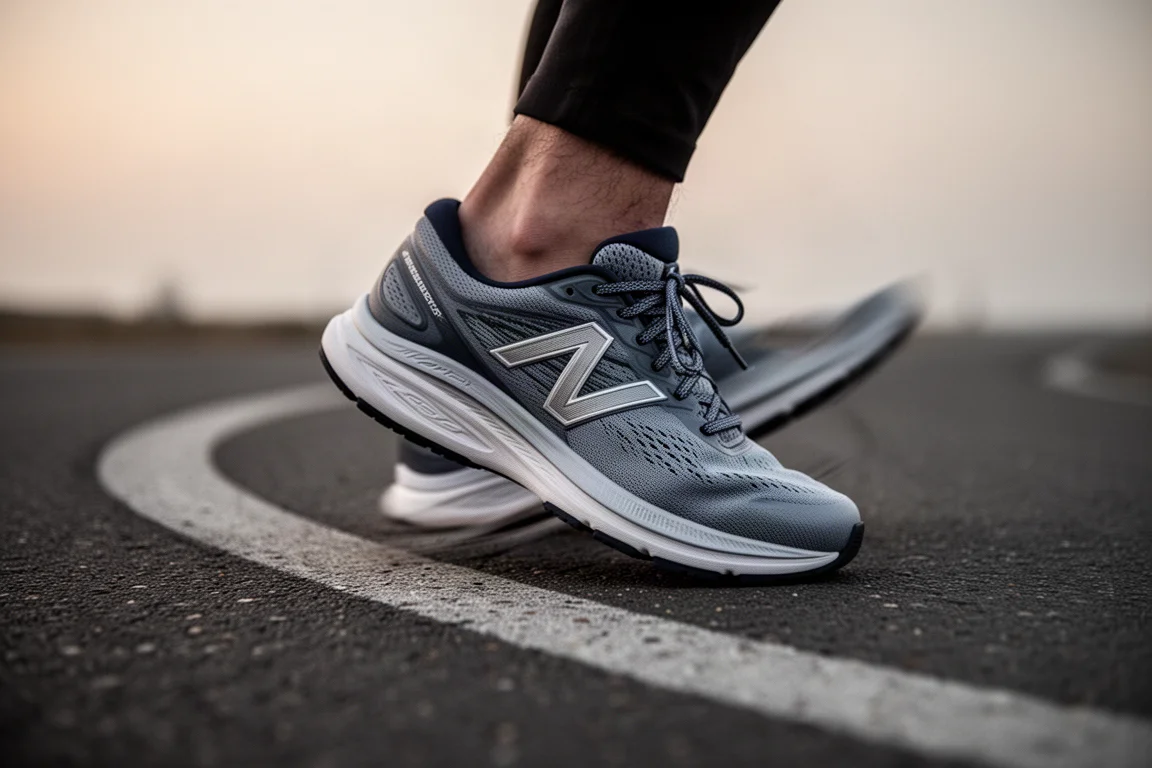
The third and biggest issue is what the foam does to your pace. It is so soft that anything faster than an easy run feels like running through a marshmallow. During testing, an intended 4:20 per km effort produced 4:35s on the watch, roughly 15 seconds per km slower than in other shoes. The softness also brings cornering stability down with it, so wiggly routes and parkrun turns are not much fun. If you loved versions 10, 11 or 12, be aware this is a fundamental change in character, not a refinement.
Who This Shoe Is For
The 1080 v13 suits runners who specifically want a super soft, plush, lightweight shoe for easy and recovery runs, and who either have narrow feet or are happy to size up to the wide fit. If your week includes tempo runs, threshold work or races, look elsewhere for those sessions. For easy pace only, it can work well.
Buying Advice: Upgrade or Switch?
If you are a fan of the older 1080s, this is not the upgrade you are hoping for. Version 12 was still selling for around £90, and stockpiling a pair while it remains available is a reasonable move for loyalists. The version 13 tested here is not staying in the rotation.
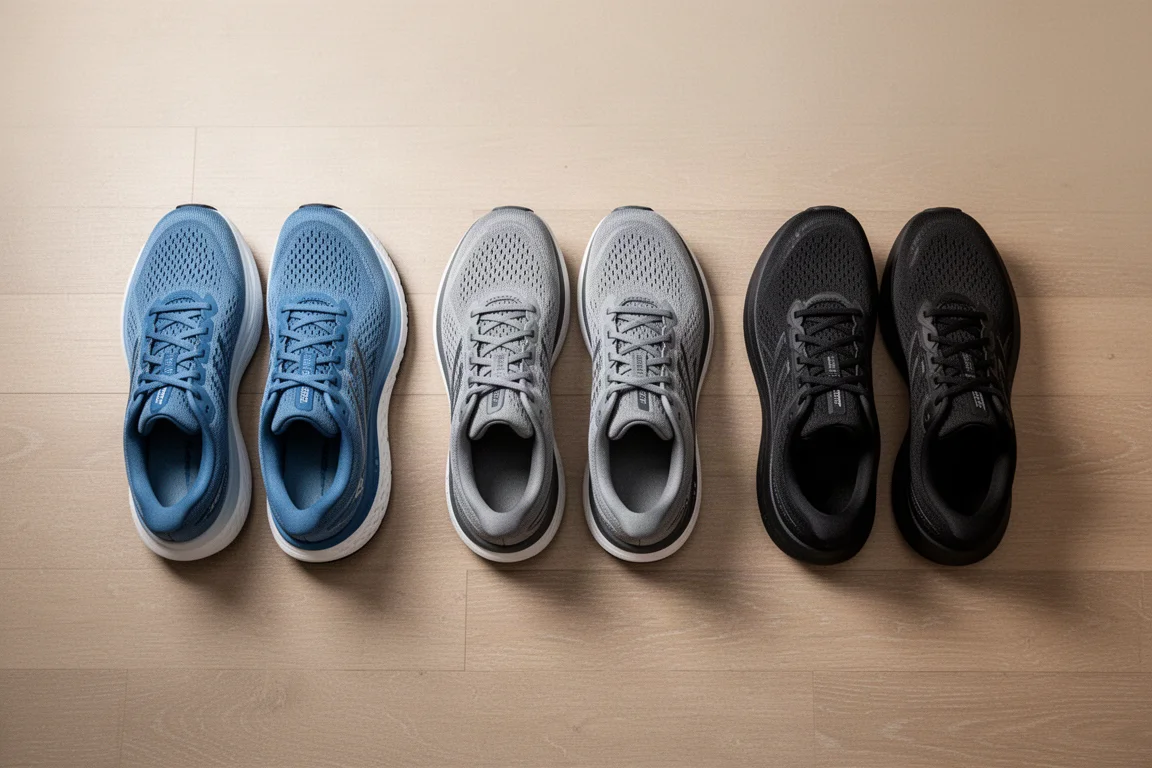
If you have this kind of budget, the Asics Novablast 4 at around £135 is now the gold standard all-rounder and saves you money. The Nike Pegasus at just over £100 is not quite as snappy or engaging, but it remains a very good everyday shoe at a friendlier price.
Conclusion
The 1080 v13 is a comfortable, lightweight, plush shoe that has narrowed its own appeal. For pure easy and recovery mileage, and with the right width choice, it can still earn a place in a rotation. For everything else, and for most runners’ money, the Novablast 4 or Pegasus are the more sensible picks this year.
Product link
View more details for New Balance 1080 v13
This product is mentioned in the review. Check the specifications, options, and compatibility before buying.
View more details for New Balance 1080 v13Further reading
Related Reviews

Running Shoes
Best Road-to-Trail Running Shoes: Three Versatile Options for Mixed Terrain
A practical guide to three road-to-trail running shoes that handle both pavement and mild trails, with clear strengths and trade-offs for different runner types.

Running Shoes
Best Running Shoes for Achilles Tendonitis: Three Options Explained
Three running shoes with different heel drops and support features designed to help reduce Achilles tendon pain during walking and running.

Running Shoes
Best Running Shoes for Women: Five Top Choices Ranked
A ranked guide to five women's running shoes, from versatile daily trainers to high-performance racing options, with real strengths and trade-offs for each.