Running Shoes
New Balance 1080 V13 First Look: A Soft, Cushioned Cruiser for Recovery Miles
After a hard race season, the 1080 V13 steps in as a comfortable daily trainer with a softer Fresh Foam feel, a lighter build, and a taller stack than its predecessor.
Introduction
After closing out a hard race season with a sub-1:20 half Ironman relay effort, the first thing on the shopping list was not another fast shoe. It was the opposite: something soft, cushioned, and completely relaxed. That is exactly the role the New Balance 1080 V13 is stepping into here.
This season’s training block was built around low-to-the-ground, non-plated shoes like the New Balance Rebel v3, the Adidas Adizero SL, and the Nike Pegasus. Great for sharpening up, but not the kind of ride you look forward to on a Monday morning after a long race build. The 1080 V13 is meant to be the antithesis of all that: a comfortable cruiser for easy miles and recovery-focused training.
First Impressions and Design
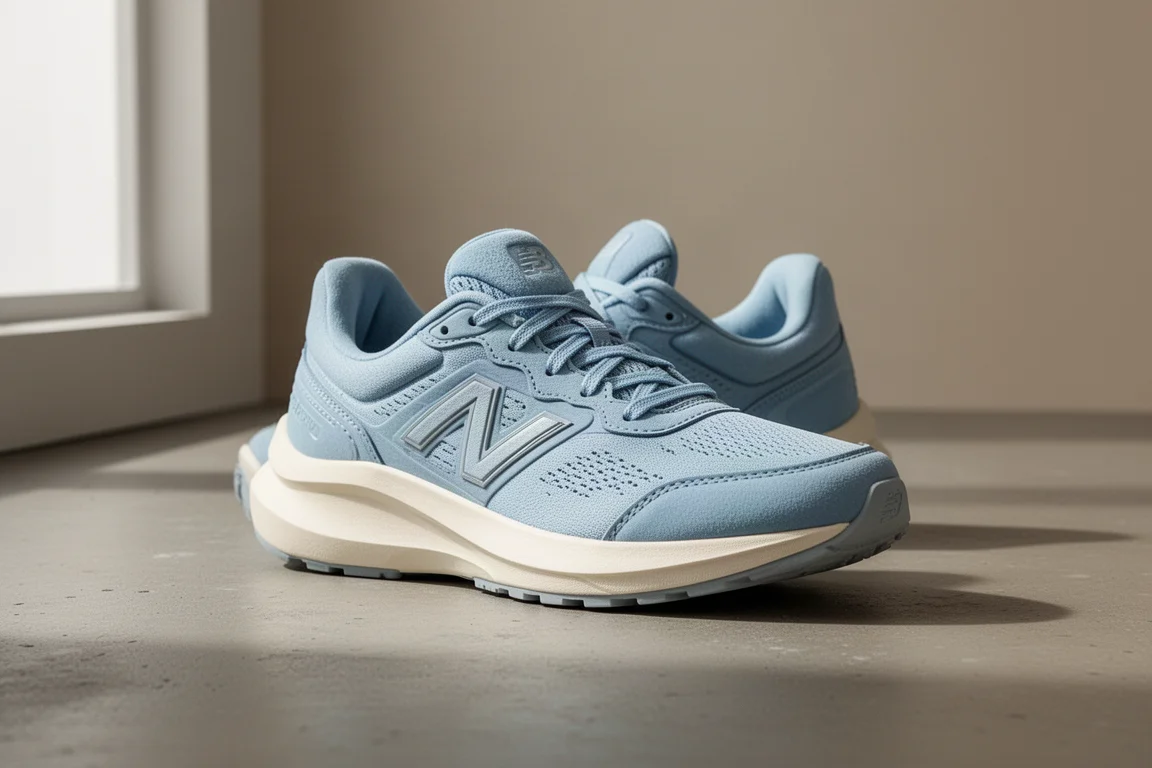
The review pair comes in a baby blue colorway that looks genuinely great in person. The upper uses a very soft material with the new N logo treatment, and while it may run a little warm in hotter weather, it feels plush right out of the box. Around the back, there is a nicely padded heel collar plus a small ankle stabilizing detail that adds a premium touch.
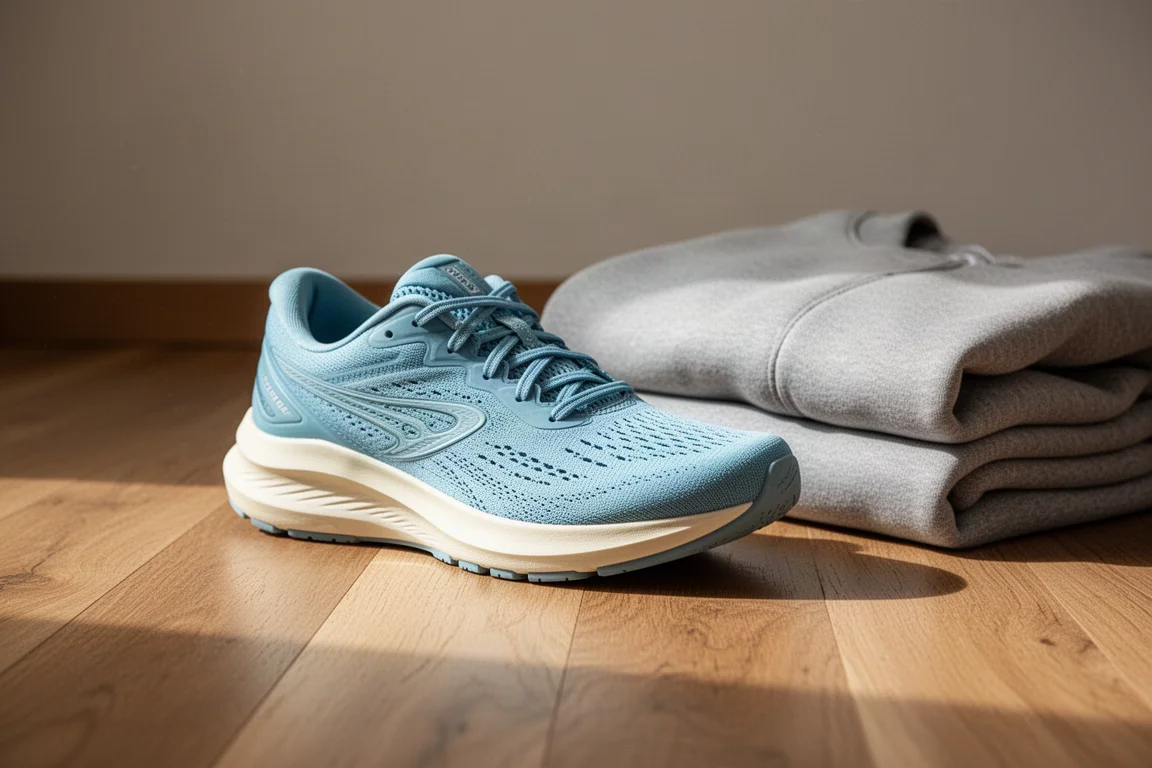
The styling details keep paying off elsewhere. The off-white cream midsole looks sharp, there are dark blue overlays inside that seem to add some stability around the rear of the shoe, and the lacing system is refreshingly normal with no gimmicks. The laces themselves are soft, and the tongue is generously padded. From tongue to laces to upper to heel, the theme here is comfort.
Midsole and Ride Feel
The 1080 V13 uses New Balance Fresh Foam, an EVA blend, with a 38 mm heel and 32 mm forefoot for a 6 mm drop. That 6 mm figure sits right in the sweet spot for daily training, accommodating most runners without overworking the calves or messing with stride mechanics.
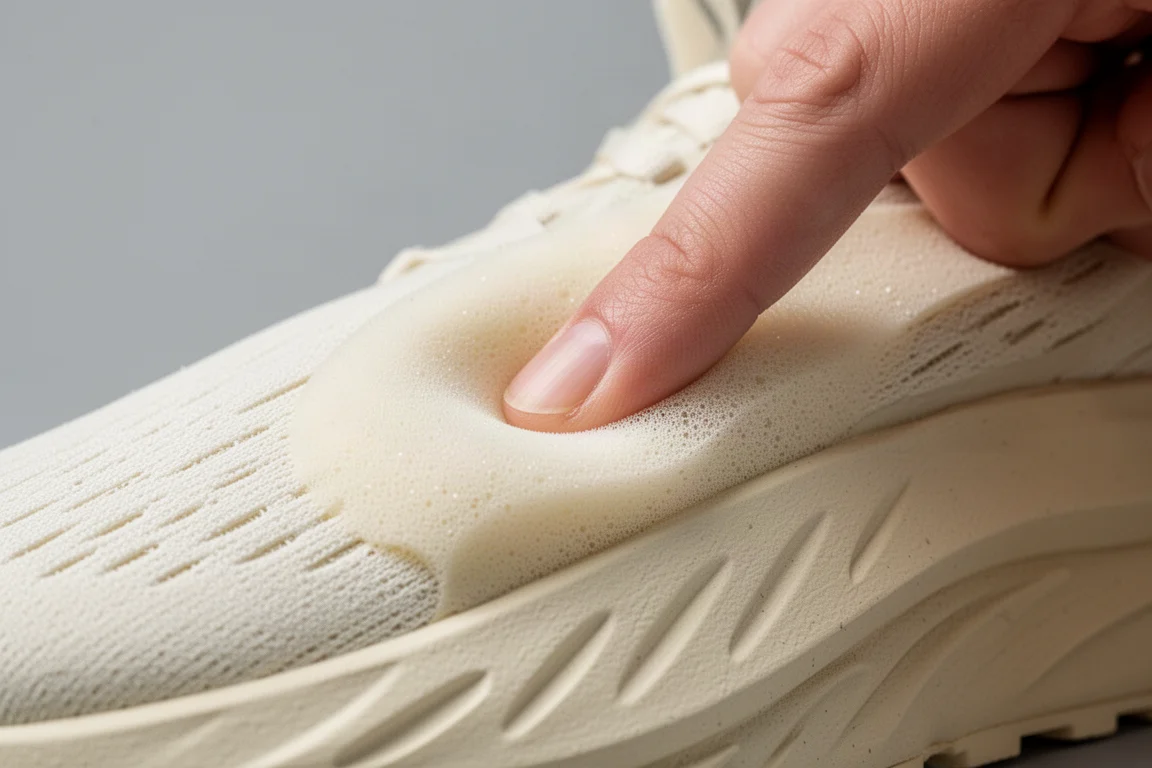
A push test confirms the foam is very soft, but there is an interesting wrinkle: the shoe barely bends. It is not marketed as a plated shoe, yet it feels like there may be some reinforcement under the sock liner, or possibly just the thick bed of Fresh Foam giving it structure. Either way, it suggests a firmer, more resilient ride than a pure marshmallow.
This is notable because the previous version, the 1080 V12, felt stiff and almost dead, with little excitement or life to it. The More v4 swung the other way, feeling soft and dead with a sinking sensation. Early indications are that the updated Fresh Foam in the V13 is bouncier and more responsive, which could land it right in that sweet spot between the two.
Weight and Stack Improvements
One of the most encouraging updates is the weight. The men’s US size 9 comes in at roughly 9.1 oz, about an ounce lighter than the V12. Combined with an increased stack height, that is a rare combination in a shoe iteration and a sign New Balance is taking the competitive daily trainer market seriously.
Dropping weight while raising the stack is exactly what you want from a max cushion daily trainer: more comfort underfoot without a bulky, heavy feeling. It makes the 1080 V13 a more plausible companion for a rotation that previously leaned on lighter, firmer shoes.
Who This Shoe Is For
This shoe makes the most sense for runners in recovery mode or base-building phases. Think easy 4 to 6 mile runs on weekday mornings, or long weekend zone 2 efforts around two hours where comfort matters more than speed.

The goal here is for the 1080 V13 to fill the role a shoe like the Saucony Triumph 20 played: the go-to long run shoe for easy miles. Last season’s rotation lacked that comfortable option, and firmer shoes like the Adizero SL were pressed into long run duty. The 1080 V13 aims to fix that problem.
Durability Watch: The Outsole
One area worth monitoring is the outsole. There is a solid covering of rubber, but in the high-wear heel area, the strategically placed rubber does not fully wrap up the sides where heel strikers tend to mash down hardest.
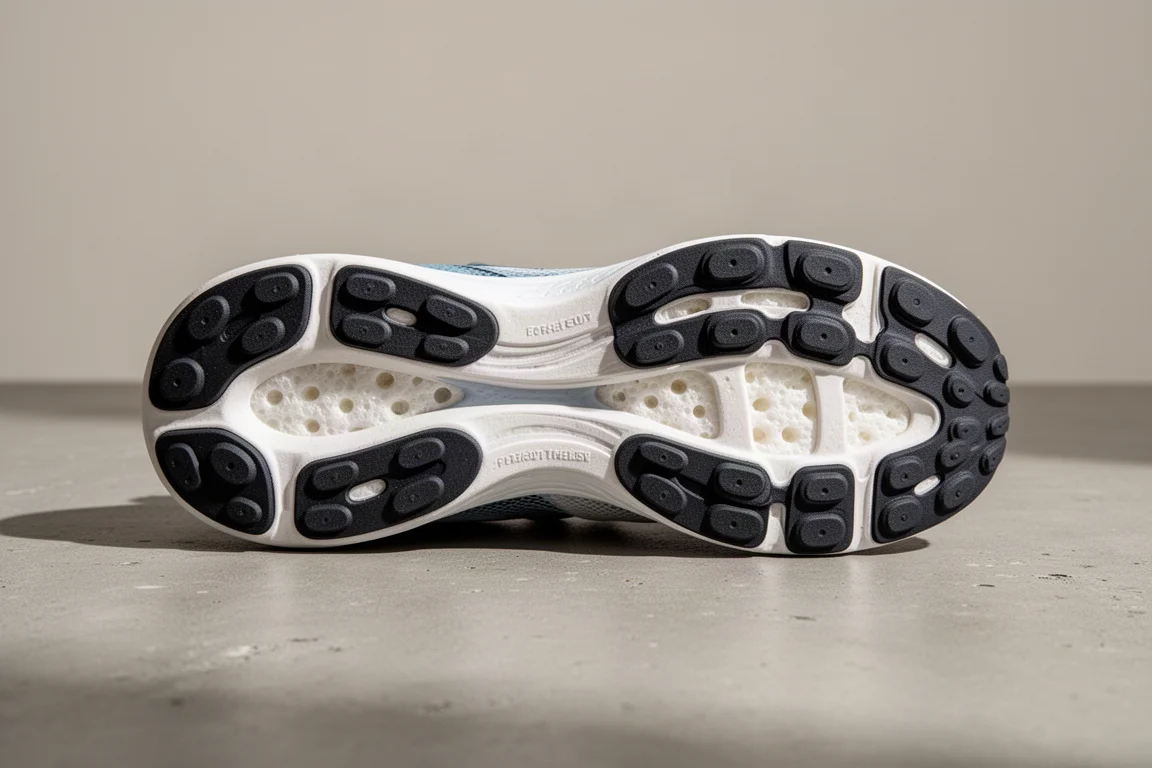
The central heel pad looks reasonably thick, so if it absorbs most of the abrasion, durability should be fine. If impact lands on the surrounding areas instead, the exposed foam could start to chip away. It is not a dealbreaker on first look, but it is the main thing to watch over the first hundred miles.
Buying Advice
If you want a soft, cushioned daily trainer for easy miles, recovery runs, and long weekend efforts, the 1080 V13 looks like a strong candidate, especially if you were turned off by the V12’s dull ride. Runners who loved the Rebel v3’s 6 mm drop will feel at home here, just with far more cushion underfoot.
If your training is mostly speed work and shorter races, a firmer, lighter shoe may still serve you better. But as a comfortable, well-built companion for high-mileage easy running, the 1080 V13 checks the boxes that matter.
Conclusion
The New Balance 1080 V13 arrives with a lighter build, a taller stack, and a softer, reportedly bouncier Fresh Foam update. On first look, it nails the brief for a recovery-season cruiser: comfortable everywhere, good-looking, and built to chew up miles. The outsole coverage is the one question mark, but everything else points to a daily trainer worth putting serious mileage on.
Product link
View more details for New Balance 1080 v13
This product is mentioned in the review. Check the specifications, options, and compatibility before buying.
View more details for New Balance 1080 v13Further reading
Related Reviews

Running Shoes
Best Road-to-Trail Running Shoes: Three Versatile Options for Mixed Terrain
A practical guide to three road-to-trail running shoes that handle both pavement and mild trails, with clear strengths and trade-offs for different runner types.

Running Shoes
Best Running Shoes for Achilles Tendonitis: Three Options Explained
Three running shoes with different heel drops and support features designed to help reduce Achilles tendon pain during walking and running.

Running Shoes
Best Running Shoes for Women: Five Top Choices Ranked
A ranked guide to five women's running shoes, from versatile daily trainers to high-performance racing options, with real strengths and trade-offs for each.