Running Shoes
New Balance 1080 v12 First Run: A Big Update Built Around Shaping
The Fresh Foam X 1080 v12 drops the heel and leans on a pronounced toe spring. Here is what that shaping means in practice, and who should think twice.
Introduction
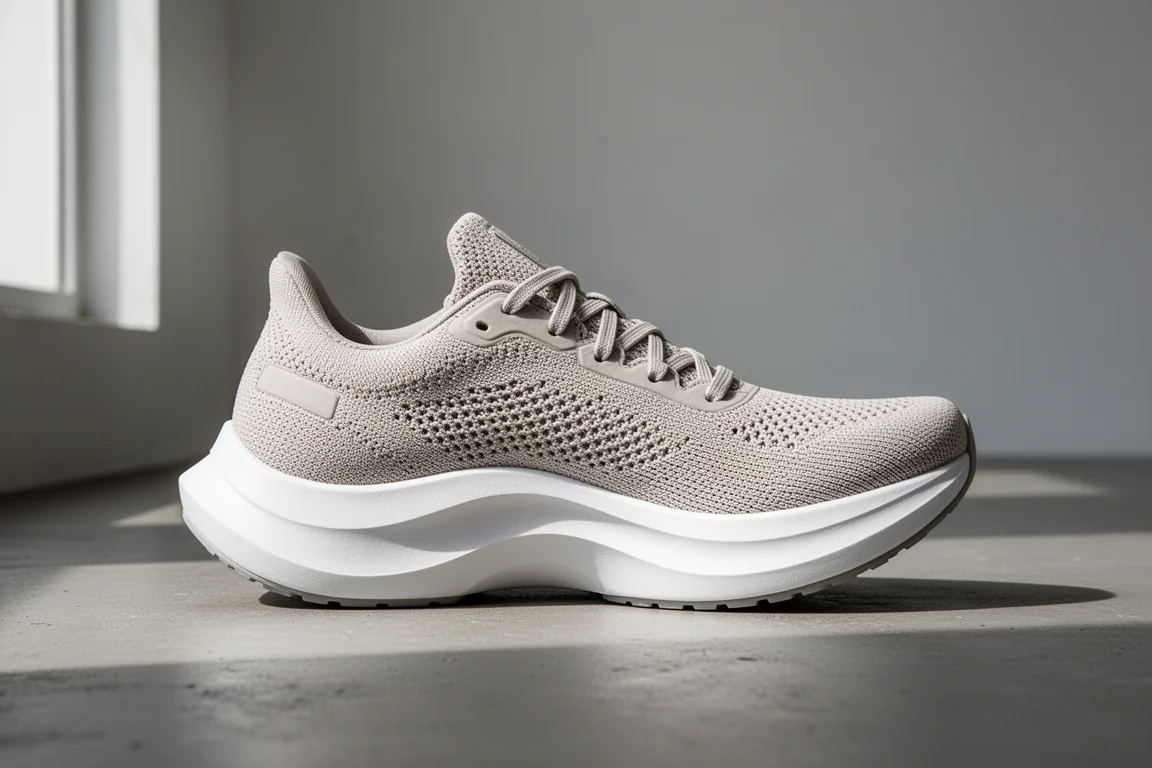
The New Balance 1080 v12 is a major update to one of the brand’s most established cushioned trainers. A first run makes it clear that the headline changes are structural rather than cosmetic: the heel has been removed from the previous design, the sole geometry has been reworked, and the shoe now leans heavily on a pronounced toe spring at the front. The Fresh Foam X midsole carries over, as does a rockered feel underfoot.
For most runners, the first-run impression is that the shoe rolls along smoothly and predictably. But there is one shaping detail that deserves real attention before buying, especially for anyone dealing with big toe joint issues.
The Big Change: Shaping and Toe Spring
The most noticeable feature of the v12 is the large toe spring in the front of the shoe. This is not just a subtle rocker through the sole; the front of the shoe lifts the toes into extension. That shaping has practical consequences depending on how your feet handle it.
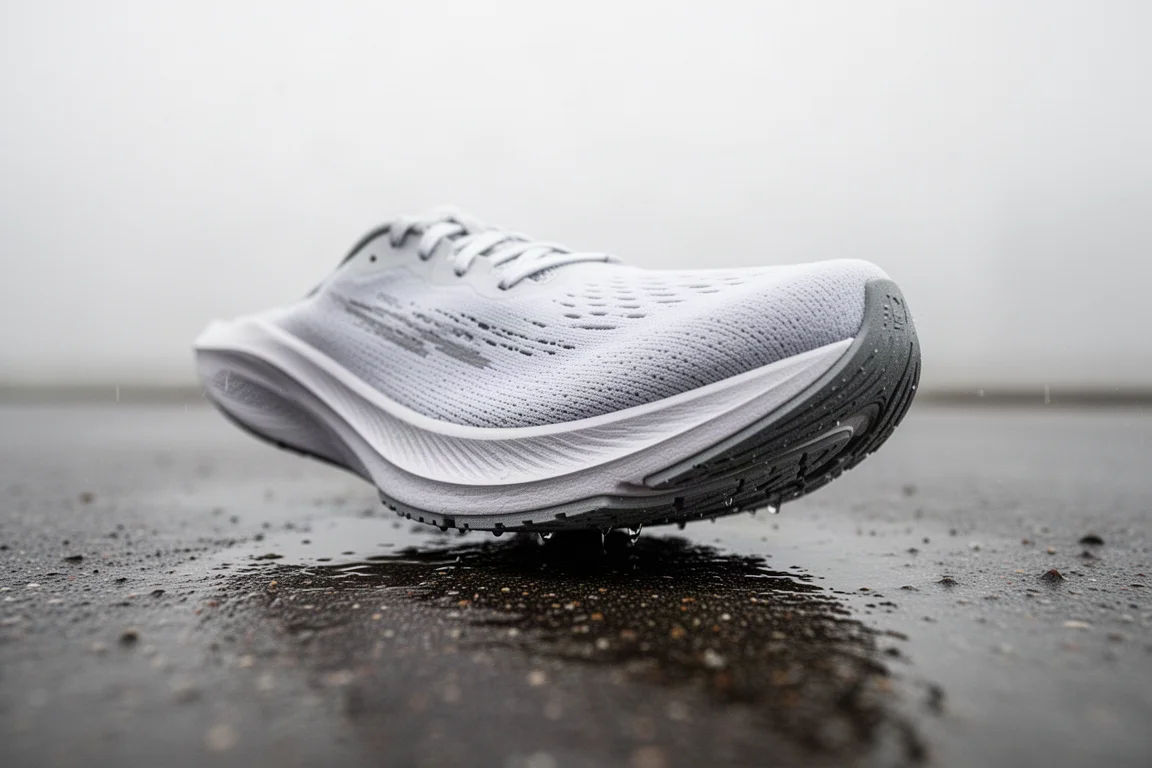
For runners with hallux rigidus, arthritis in the big toe joint, or a surgical fusion of the first toe, this shaping can be genuinely problematic. In static positions, such as standing, the toe spring holds the toe in a degree of extension that can be uncomfortable. If your big toe does not extend well, this is the detail to weigh most carefully.
How It Rolls
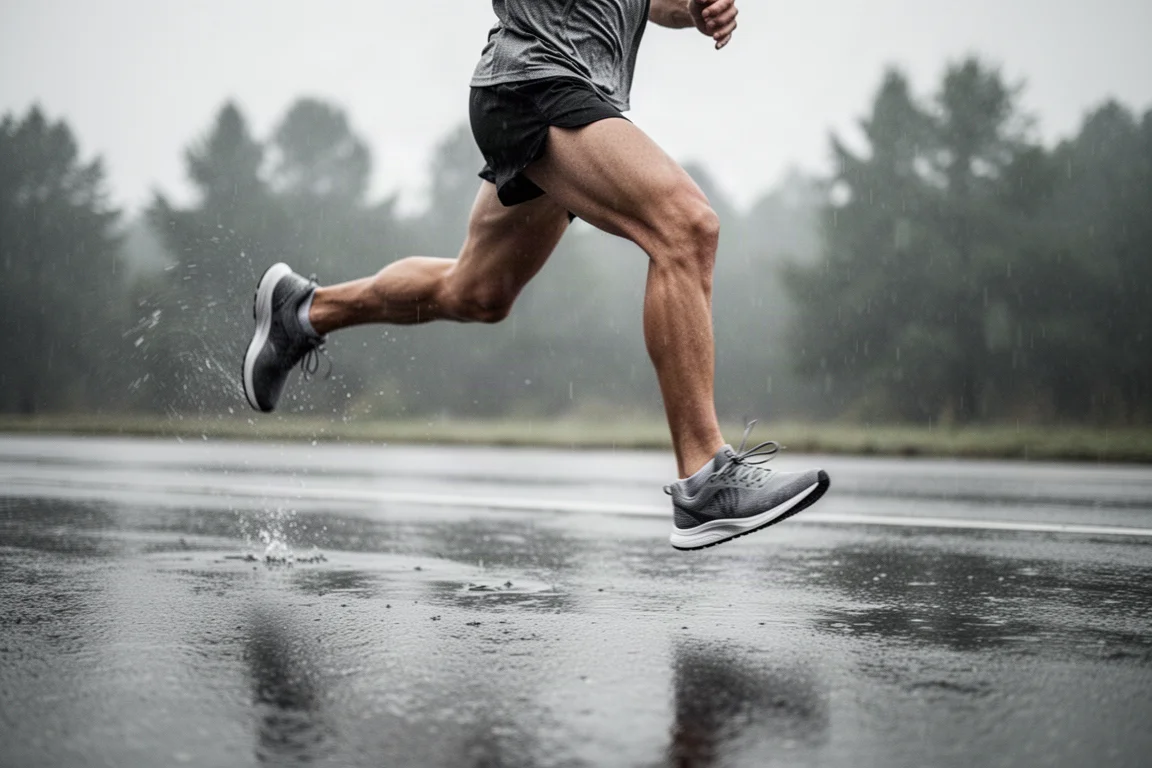
Once you start moving, the picture improves. The rocker in the v12 is relatively flexible, so it flattens out during the running cycle rather than locking the foot in place. On the road, the shoe rolls along nicely with no disruptive feel through the stride.
The bevel at the back extends slightly into where the foot sits, so if you land far back on your heel you may notice the rocker acting a bit like a buttress. In practice that did not create problems; the transition felt smooth from landing through toe-off.
Things to Consider Before Buying
The key question is less about how the shoe runs and more about how it behaves when you are on your feet. Standing in the 1080 v12 keeps the toes in some extension because of the front-end shaping, which matters most for runners with limited big toe extension, joint arthritis, or a fused first toe.
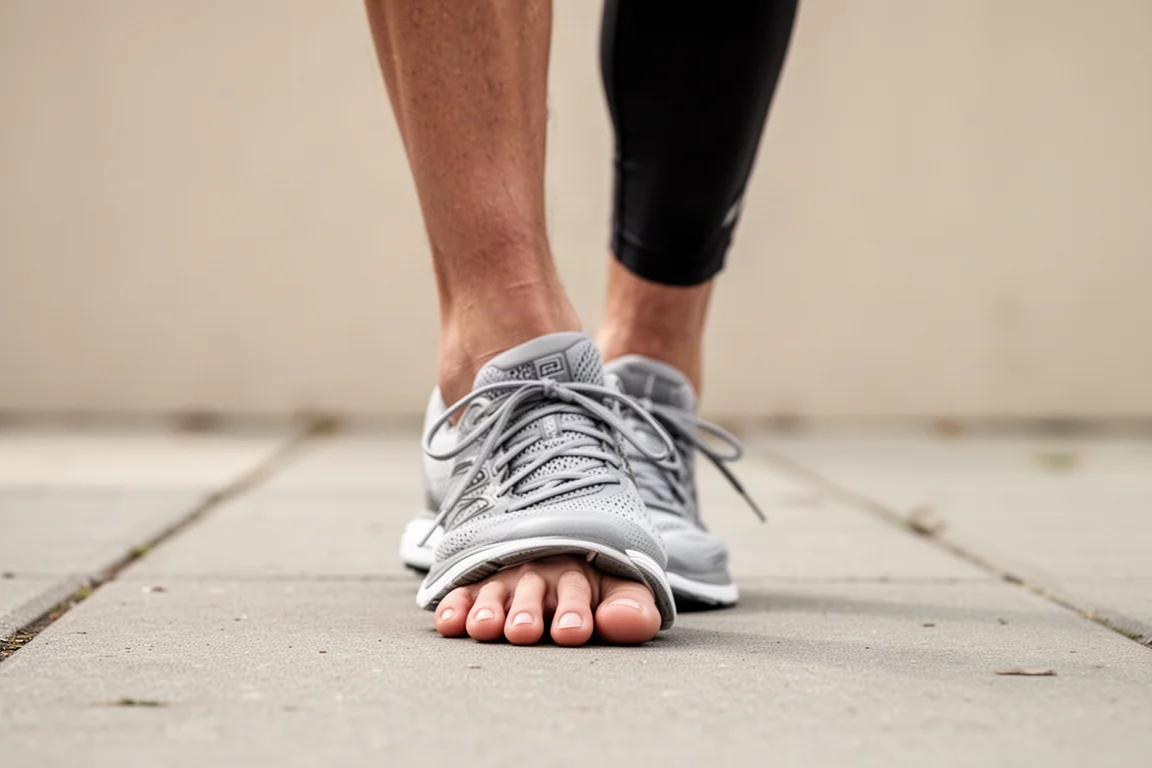
If you do not have those issues, the shaping simply reads as part of the shoe’s smooth rolling character. If you do, it is worth trying the shoe on and spending some time standing in it before committing.
Buying Advice
This is a shoe to match to your feet rather than to a spec sheet. Runners who want a cushioned, smooth-rolling daily trainer with a modern rockered ride will likely enjoy the v12 from the first mile. Runners with big toe joint limitations should approach with more caution and test the static fit first.
A full, deeper look at the shoe is coming soon, so treat this first run as the shaping-focused overview. Try the shoe in person where possible, especially if toe spring is a concern for you.
Conclusion
The New Balance 1080 v12 is a substantial update with a distinct personality shaped by its toe spring and flexible rocker. For most runners it delivers a smooth, comfortable ride. For those with hallux rigidus, arthritis, or a fused big toe, the front-end shaping is the one factor to check carefully before buying.
Product link
View more details for New Balance 1080 v12
This product is mentioned in the review. Check the specifications, options, and compatibility before buying.
View more details for New Balance 1080 v12Further reading
Related Reviews

Running Shoes
Best Road-to-Trail Running Shoes: Three Versatile Options for Mixed Terrain
A practical guide to three road-to-trail running shoes that handle both pavement and mild trails, with clear strengths and trade-offs for different runner types.

Running Shoes
Best Running Shoes for Achilles Tendonitis: Three Options Explained
Three running shoes with different heel drops and support features designed to help reduce Achilles tendon pain during walking and running.

Running Shoes
Best Running Shoes for Women: Five Top Choices Ranked
A ranked guide to five women's running shoes, from versatile daily trainers to high-performance racing options, with real strengths and trade-offs for each.