Backpacking Gear
New Backpacking Gear 2026: Sleep Systems, Pads, Chairs, and Shelter Worth Buying
A practical look at nine new backpacking items for sleep, camp comfort, and shelter, with the strengths that matter and the trade-offs to weigh before buying.
Introduction
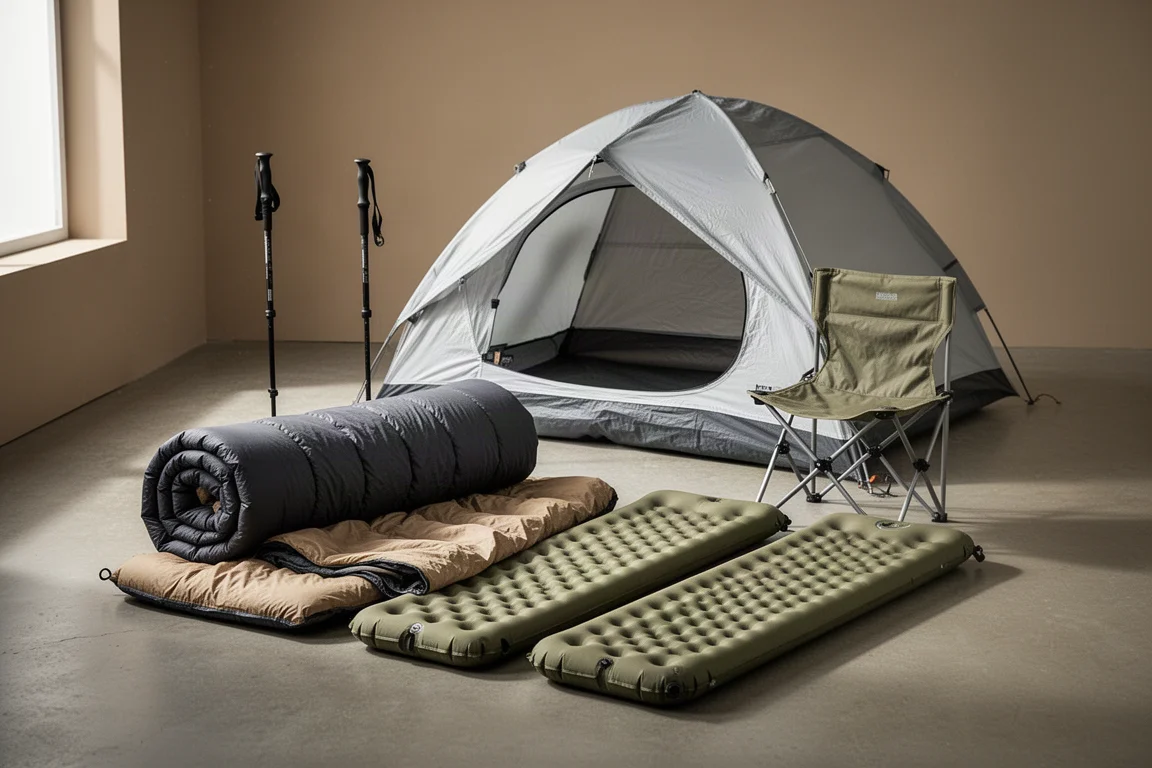
New gear season arrives every autumn, and this year’s crop of backpacking releases is a mixed bag. Some items solve a real problem on the trail. Others look better on a spec sheet than they feel in a sleeping bag at 2 a.m. This roundup covers nine new pieces for sleep, camp comfort, and shelter, with the strengths that matter and the trade-offs worth knowing before you spend.
The sleep system is usually the last place to save weight, and a camp chair is often the one luxury worth carrying. That is the lens used here: does the gear make a night out better, and does the weight or the price make sense for how you actually camp?
How We Evaluated This Year’s New Backpacking Gear
Weights quoted below are measured on a home scale where noted, which is why a few of them differ slightly from advertised figures. Warmth on sleeping pads is expressed as an R-value, and the ISO context matters: ISO-tested sleeping bags are tested on an R5 pad, so pairing an ISO-rated bag with a pad below 5R means you will not get the full warmth the rating promises.
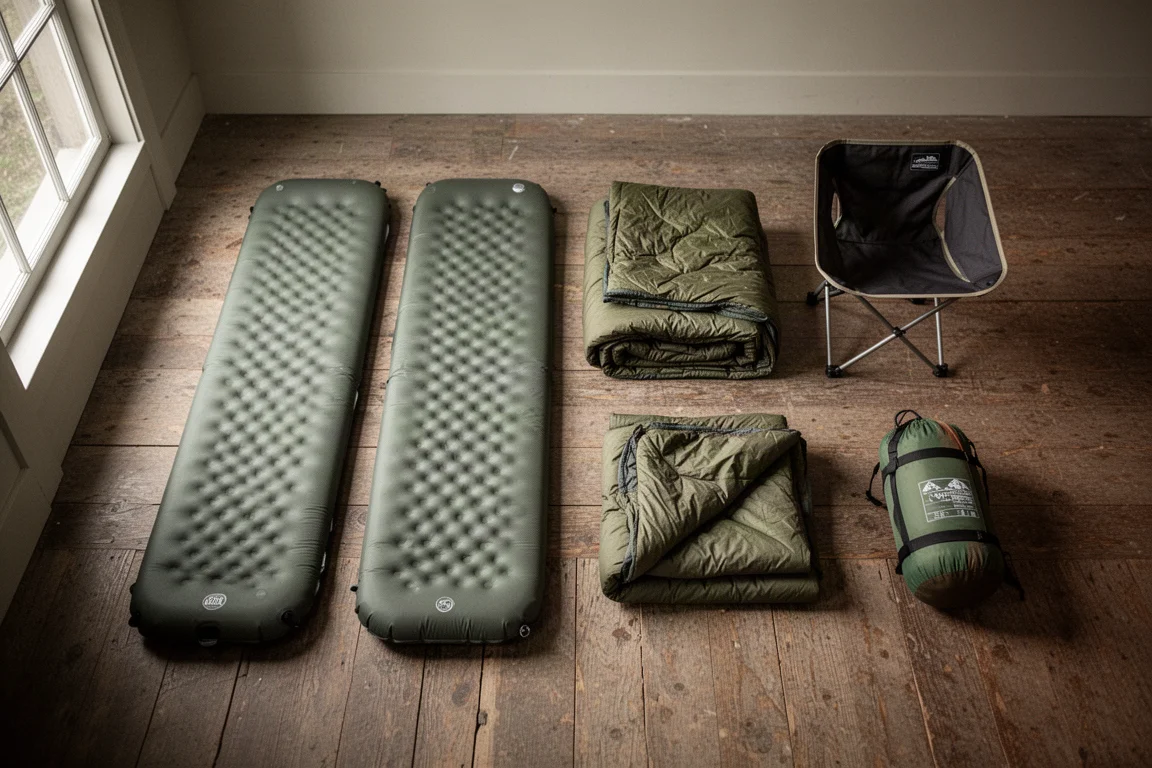
Comfort and fit carry as much weight as numbers here, especially for chairs, where body shape often decides whether a design works. Where a product has a clear drawback, it is called out rather than buried.
Zen Bivy Ultralight Bed: Lighter, With One Compromise
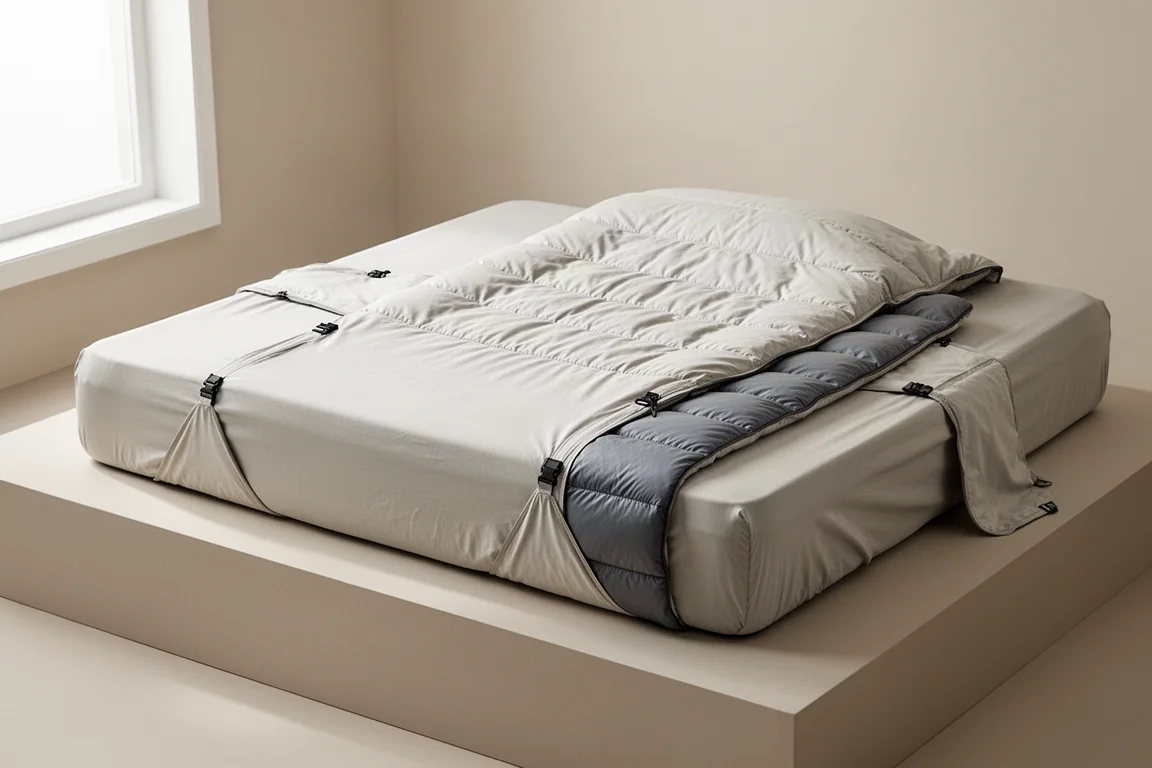
The Zen Bivy Ultralight Bed keeps most of what makes the Light Bed appealing while cutting real weight: 26.5 oz on a home scale, roughly 8 oz less than the Light Bed, which comes in at over 2 lb before a sleeping pad is added.
Most of that saving comes from an upgrade to 900 fill power down, up from 800, and a thinner 10D shell fabric, down from 20D. Both are genuine improvements. The compromise is the sheet, which has been cut in half. A half sheet is still better than the pad straps found on most ultralight quilts, but the full sheet was a large part of why the Zen Bivy feels closer to a bed at home.
A full sheet now means stepping up to the Core Bed, or buying the Core Bed Sheet, which is said to work with both the Ultralight and the Light Bed. Backpackers who want the original feel should plan for that extra piece.
Zen Bivy Flex Air Mattress: 5R Warmth at 1 lb 8 oz
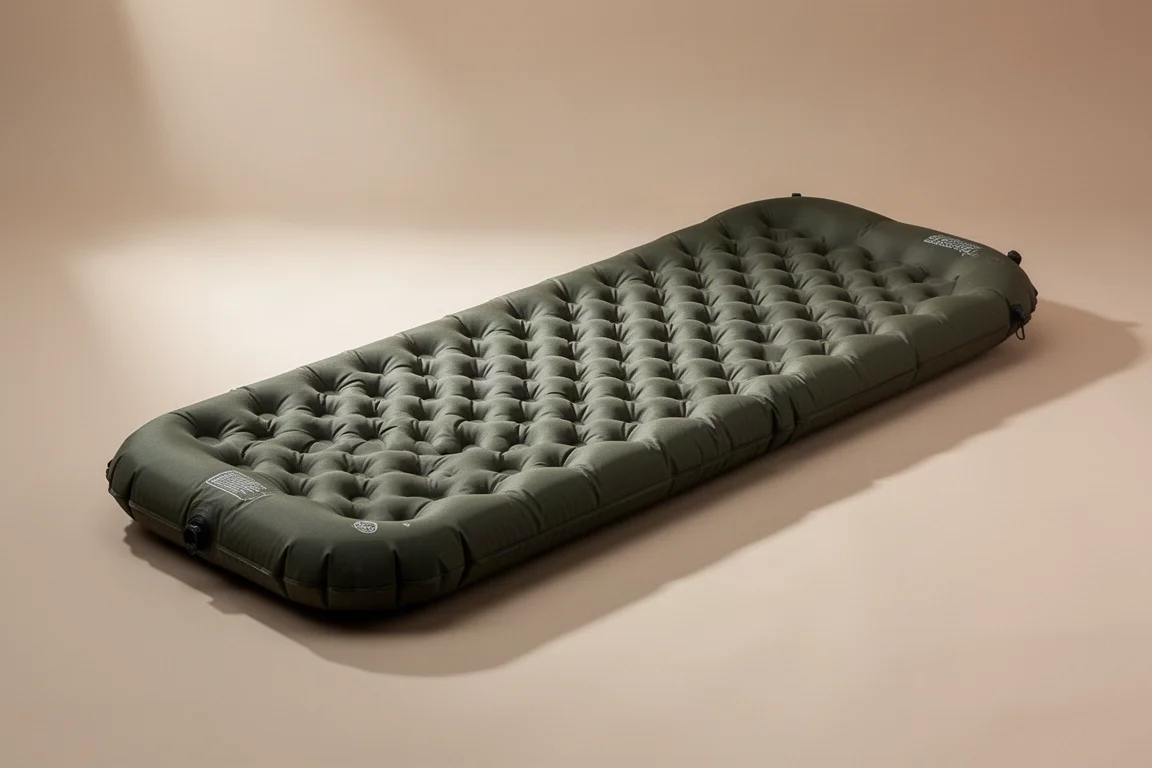
The Flex air mattress weighs 1 lb 8 oz and carries a 5R value, which lines up with the R5 pad used in ISO sleeping bag testing. If you own an ISO-rated bag, matching it with a 5R pad is how you actually get the warmth the rating promises.
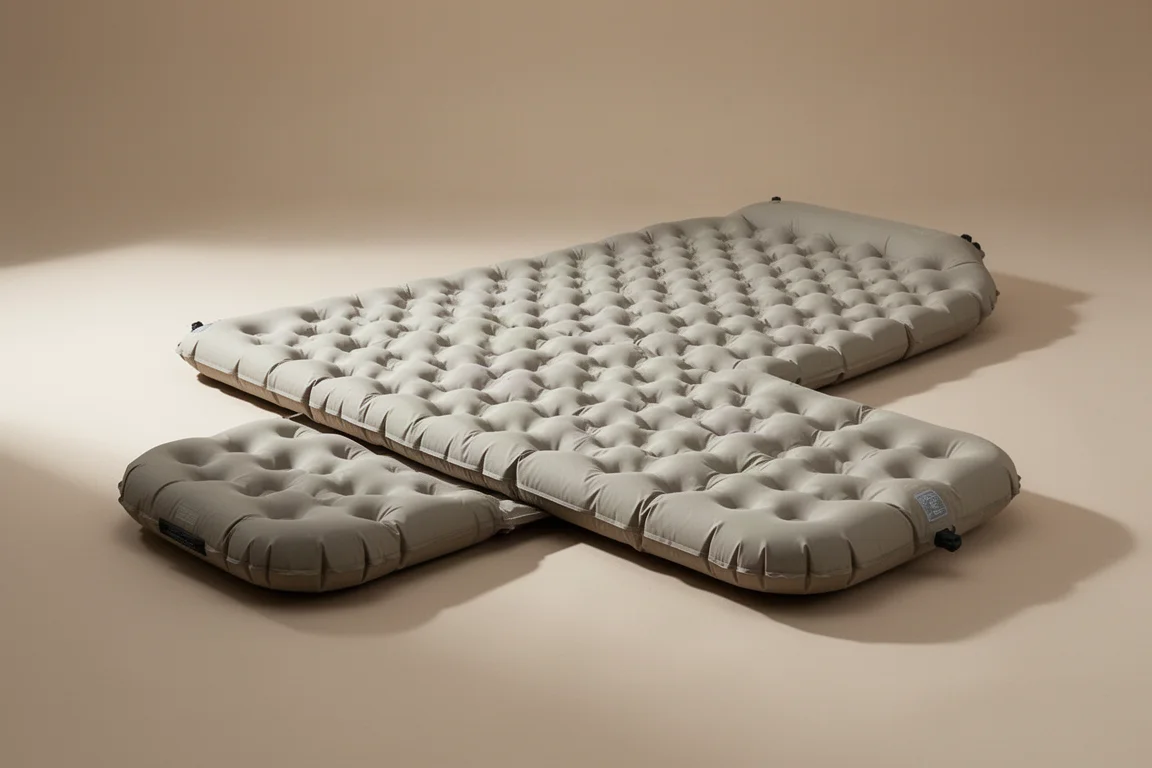
The deep dimpled construction is the highlight. Deeper quilted baffles give more under pressure, which reads as a softer surface and helps relieve the pressure points that leave arms and legs numb. Combined with the 5R rating, that makes this a comfortable, warm pad, and it is not priced far above comparable options.
Zen Bivy Ultralight Air Mattress: The Lighter Version of the Same Idea
At 1 lb 5 oz, the Ultralight air mattress is the lighter of the two new pads while keeping the same 5R value. The dimpled, quilted surface is why it feels more like a bed than a simple air chamber, and the baffle depth is what makes the difference in use.
One oddity is worth noting: the company does not have its own quilts ISO certified, which makes the emphasis on ISO-matched pads a little curious. The pads themselves still hold up, offering comfort and warmth at a weight that is easy to carry on a long day.
Nemo Moonlight Elite: Features Versus Fit
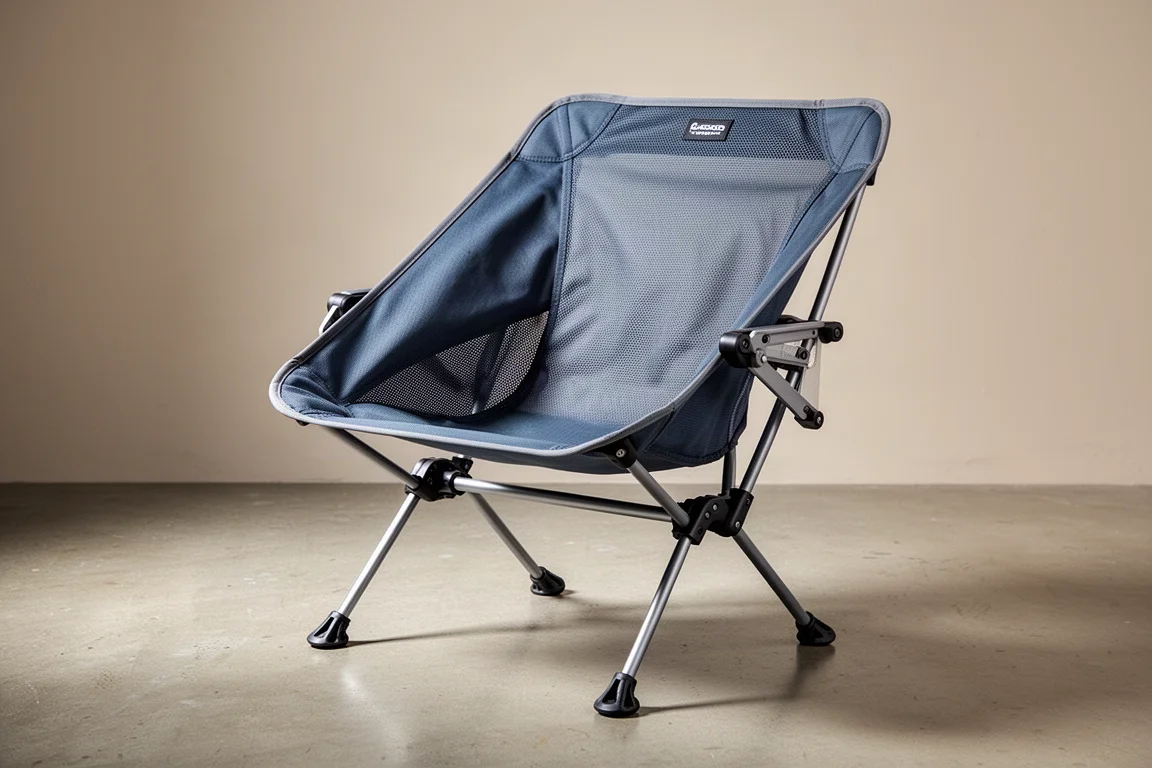
The Moonlight Elite lands just one ounce heavier than the long-standing benchmark in ultralight camp chairs, and it adds far more: a reclining back and a built-in footprint that stops the legs from sinking into dirt and mud. For plenty of backpackers, it has become the new favorite.
Fit is the catch. A meaningful number of users find the backrest digs into their spine, and that experience is common enough to factor in before buying. Comfort in a chair is personal, so the safest route is a retailer with an easy return policy, which lets an uncomfortable chair go back without drama.
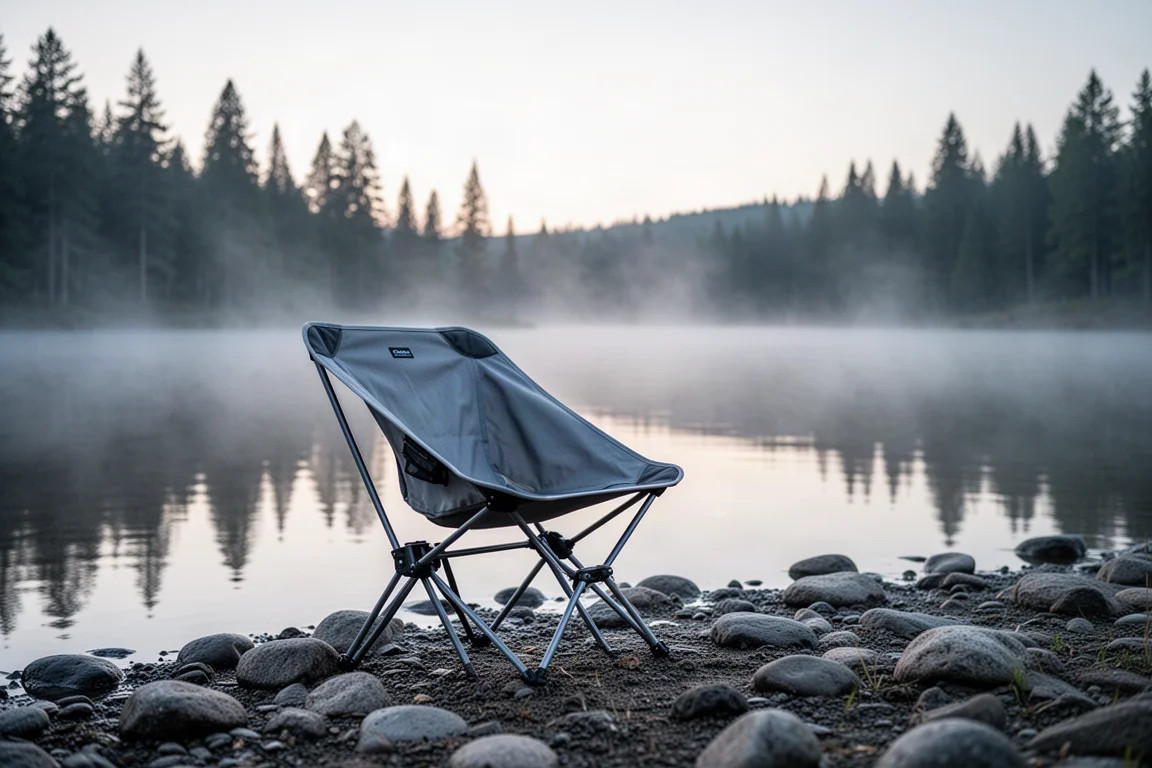
If the geometry suits your back, the feature set is hard to beat at this weight, and the built-in footprint is a genuine advantage on soft ground.
Nemo Tensor All-Season: More Warmth Without More Weight
The Tensor All-Season lifts its R-value from 4.3 to 5.4 without adding weight, staying at 22 oz in the wide size. That puts it right at the R5 mark that ISO sleeping bag testing assumes, which is a meaningful jump for anyone who sleeps cold.
Construction stays semi-quilted, the same approach as the earlier insulated Tensor pads. It is not as plush as the dimpled Zen Bivy design and not as affordable either, but it is a solid pad with better numbers than the version it replaces.
Nemo Tensor Extreme Conditions: An 8.5 R-Value Pad
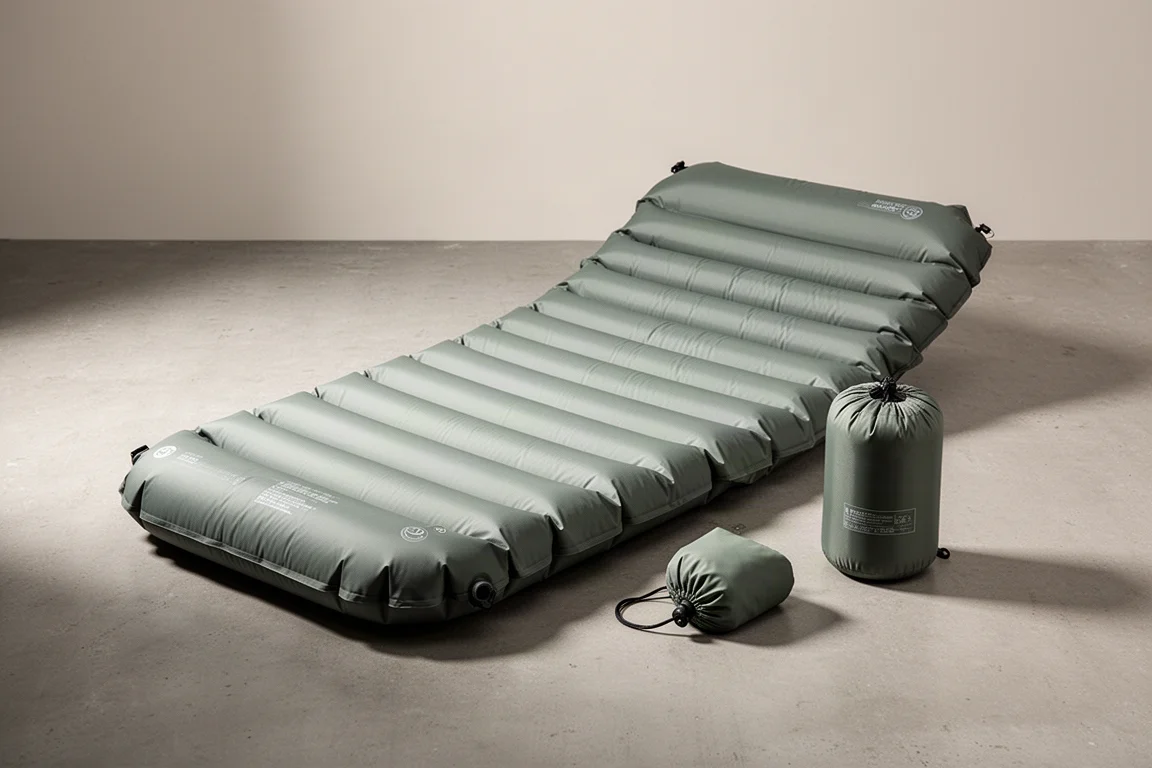
With an 8.5 R-value, the Tensor Extreme Conditions edges past the long-trusted Therm-a-Rest XTherm by a full point, which makes it a serious contender for winter camping and for sleepers who run cold.
It keeps the semi-quilted construction of the older Tensor pads, so the feel is familiar, just with stronger stats. It is not as comfortable or as affordable as the new Zen Bivy mattress, but as a cold-weather pad it competes well.
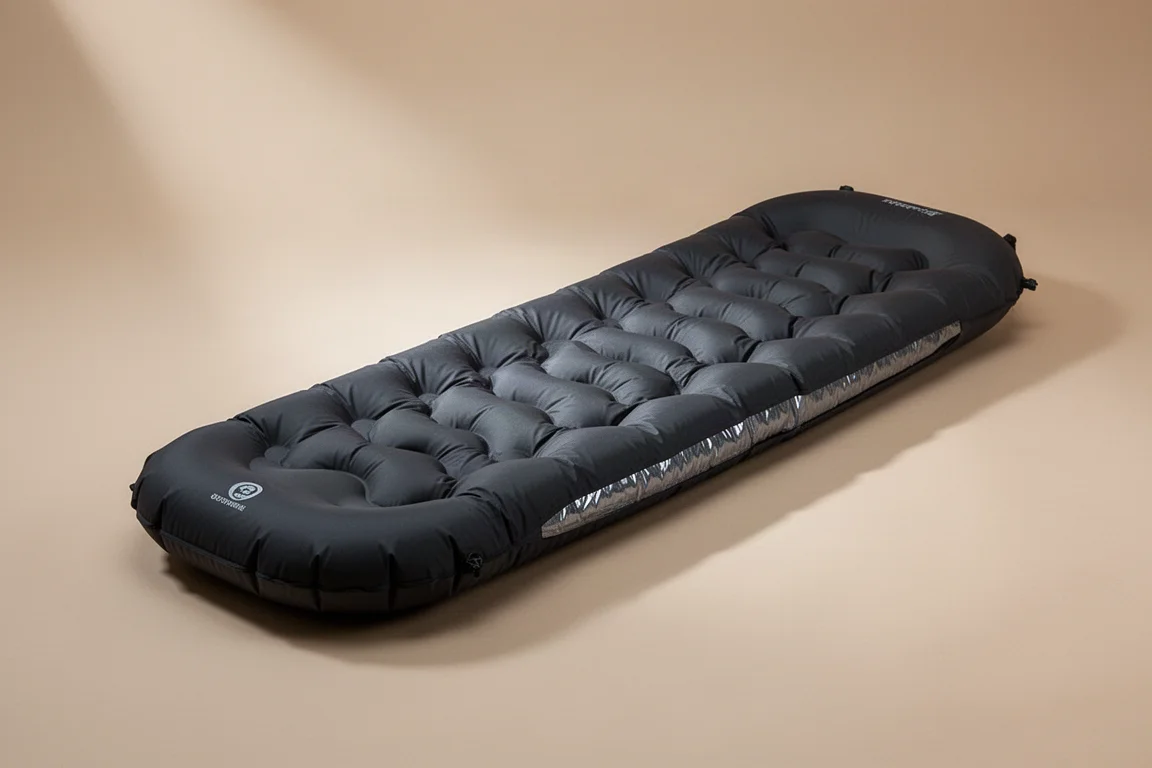
Sea to Summit Reactor Extreme Sleeping Bag Liner
The Reactor Extreme is a thin liner designed to add warmth and range to an existing bag. A controlled freezer test with a thermal mannequin measured the difference. An hour in a 30-degree bag alone drew 0.021 kWh and ran the heater for 26.5 of 60 minutes. Adding the liner dropped consumption to 0.018 kWh and 23 of 60 minutes, which works out to roughly 14.2% more warmth.
That lines up closely with the 15% figure printed on the liner. For the small weight and pack size, it is a useful margin on cold nights, and it lets a single bag cover a wider range of conditions.
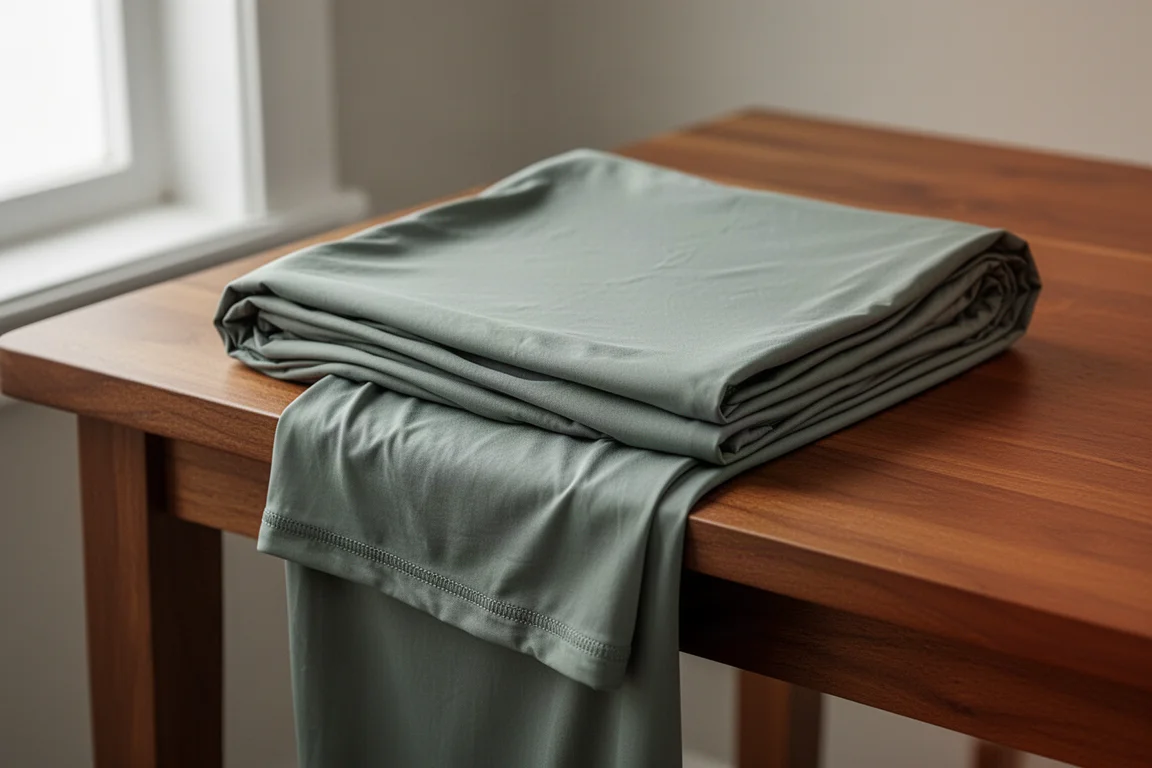
Sea to Summit Spark Pro 30 Sleeping Bag
The Spark Pro 30 is the bag used in that measurement, and it is built around 850 fill power down with a water-resistant hood and foot box to help protect against condensation.
As a 30-degree bag, it is at its best when temperatures stay near its rating. Adding the Reactor Extreme liner is the intended way to stretch it into colder nights without carrying a second bag.
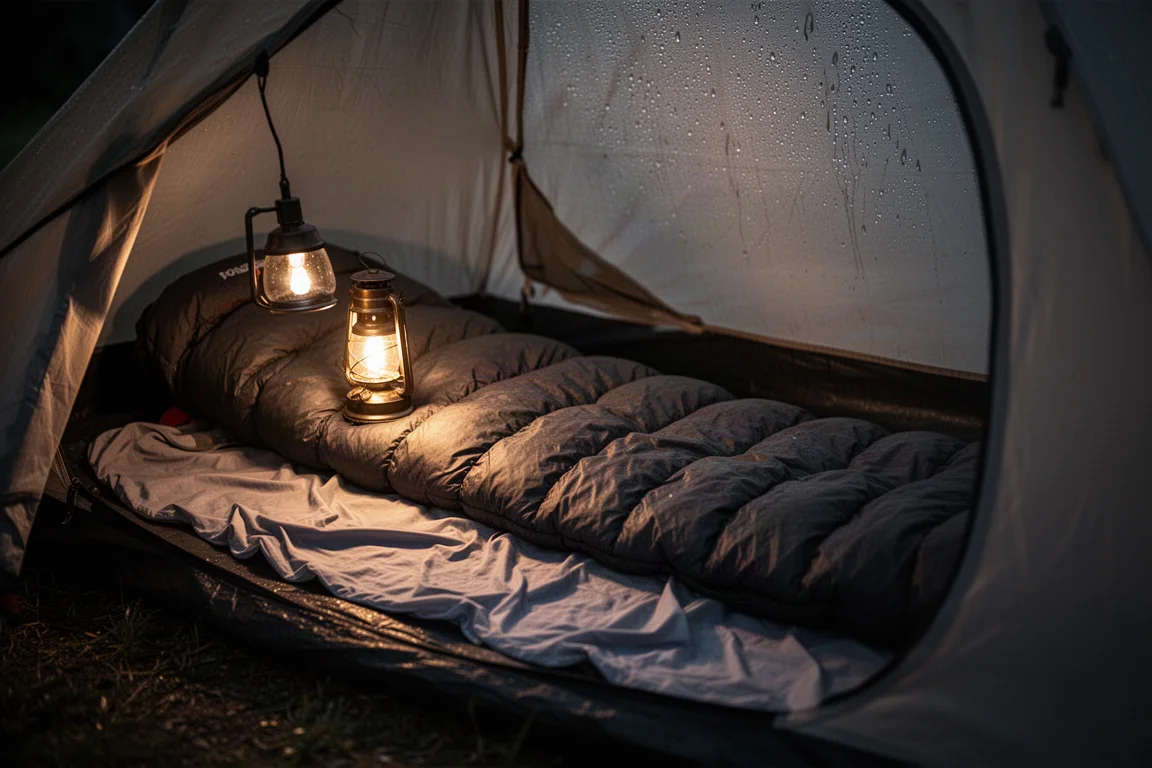
Pairing the two is straightforward: the liner adds warmth, the down does the insulating, and the water-resistant hood and foot box help manage moisture inside the tent.
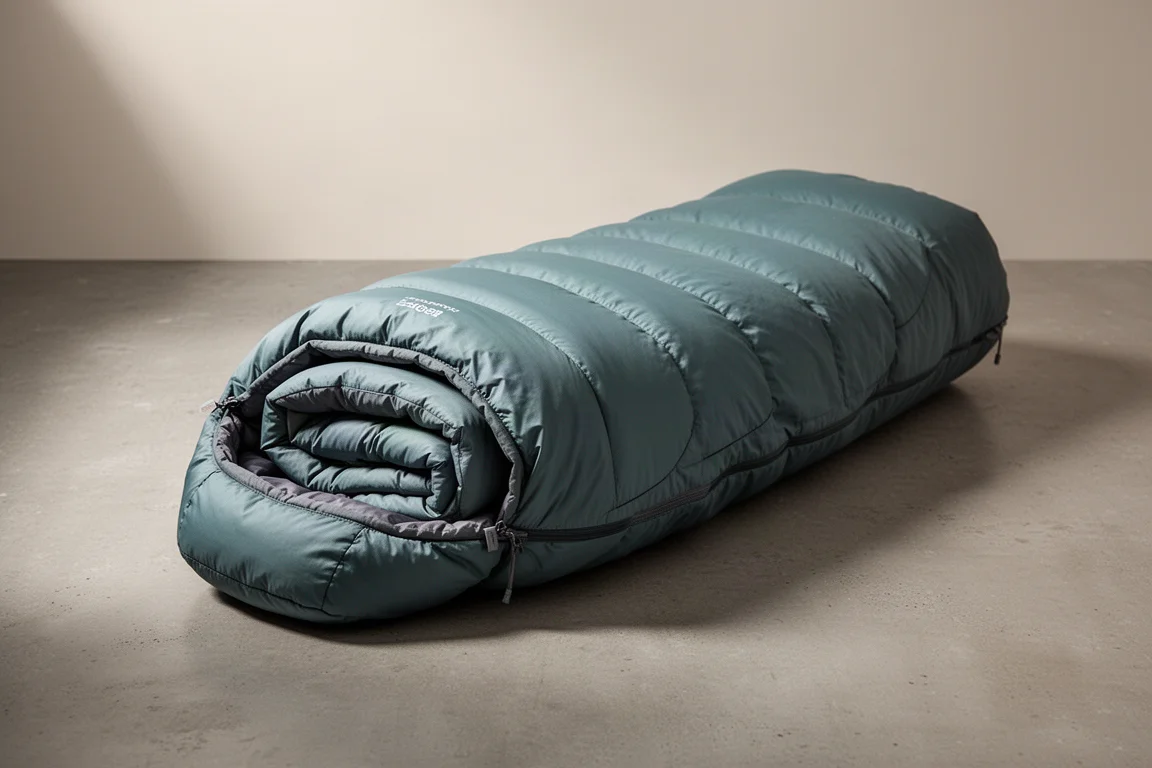
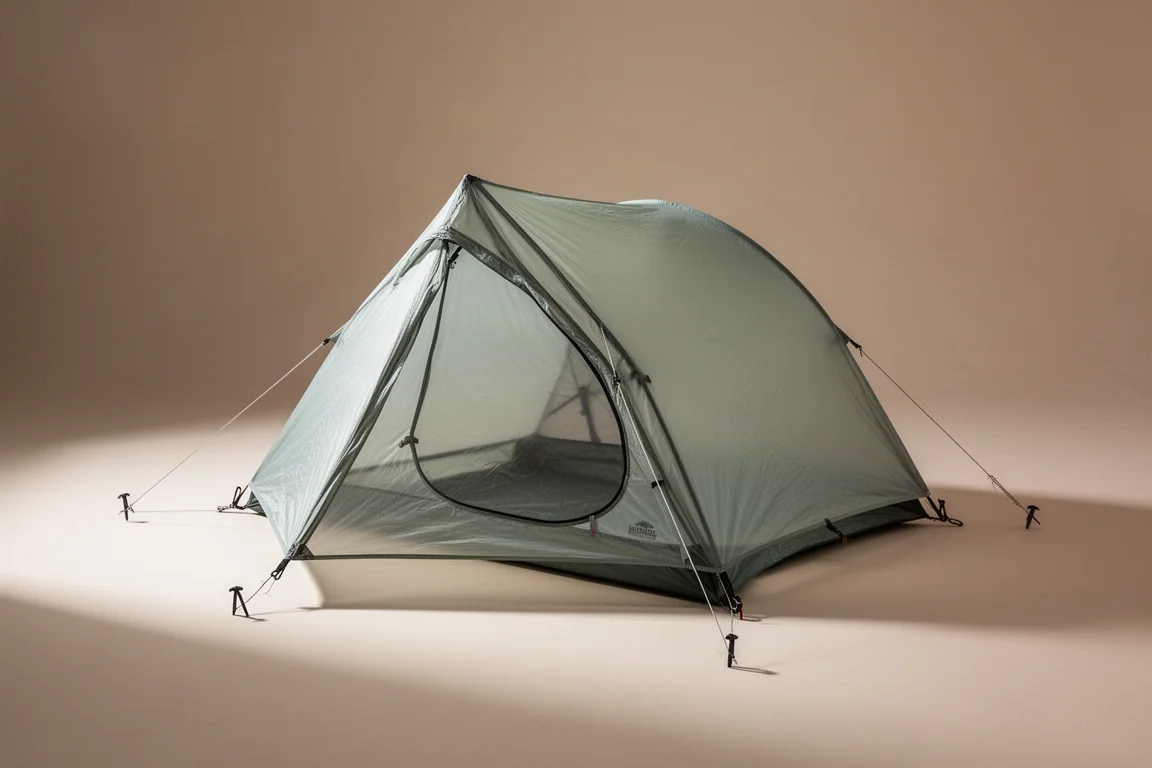
Zpacks Plex Solo: The Lightest Fully Enclosed Tent, Refined
The updated Plex Solo holds its place as the lightest fully enclosed tent and gets lighter still: 12.5 oz on a home scale against an advertised 11.8 oz. The previous version measured 13.7 oz, so the new model saves about an ounce.
That is impressive for a fully enclosed shelter, and it is also the reason existing owners can relax. A one-ounce saving is unlikely to justify replacing a tent that already works well. For anyone who does not own a Plex Solo and wants the absolute lightest fully enclosed tent available, nothing comes in lighter.
Overall Buying Advice
Sort the list by what actually changes your trip. If your sleep system is the weak point, the Zen Bivy pads pair comfort with a 5R rating at a reasonable weight, while the Nemo Tensor line is the safer bet for cold weather, with the Extreme Conditions pad leading on warmth. The Ultralight Bed is a genuine weight saving, but only if you can live without the full sheet.
For camp comfort, the Moonlight Elite’s features are compelling, though fit is individual, so buy where returns are simple. The Reactor Extreme liner is a light, straightforward way to add roughly 15% warmth to a bag, and the Spark Pro 30 is the natural partner for it. The Plex Solo stays a specialist purchase: worth it for someone who does not own one, less so as an upgrade.
Conclusion
This year’s releases split into two groups: gear that solves a real problem and gear that mostly improves a number. The Zen Bivy pads, the Reactor Extreme liner, and the Tensor All-Season all earn a place in a pack. The Ultralight Bed and the Plex Solo are excellent products whose case depends on what you already own. Match the purchase to the trip you actually take, and most of these choices become easy.
Further reading
Related Reviews

Backpacking Gear
Building a 10 lb Base Weight: An Ultralight Backpacking Gear List
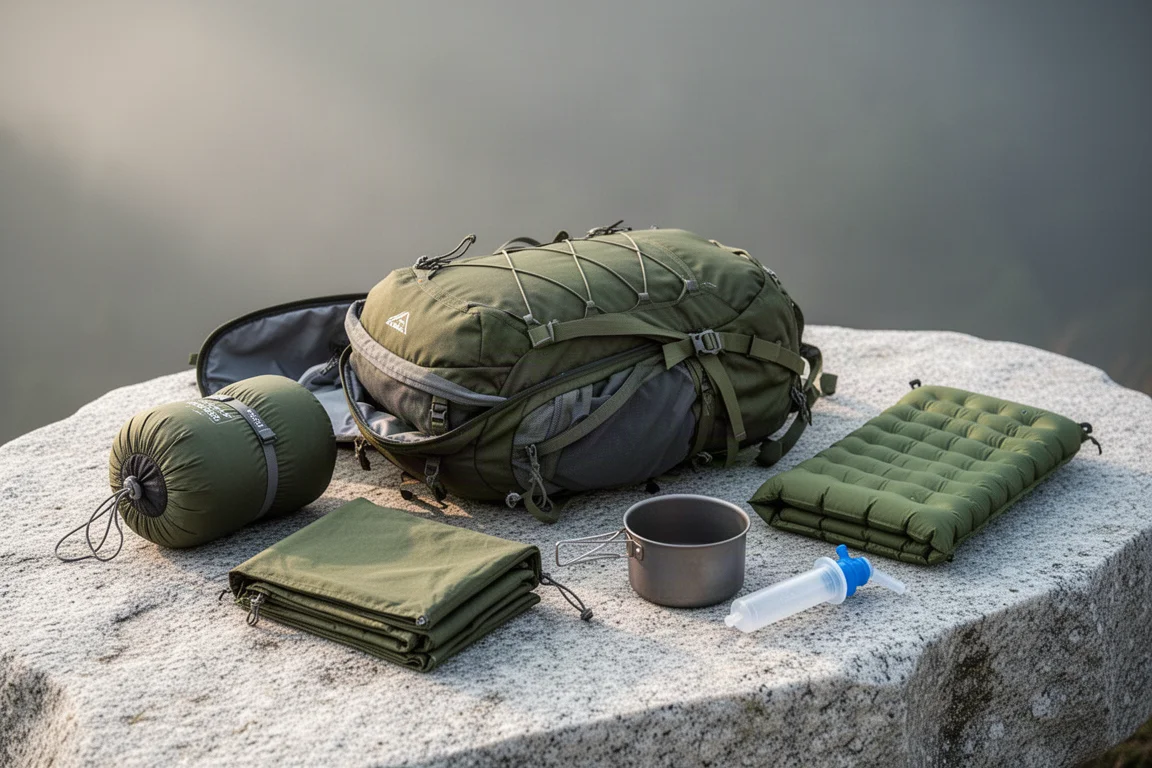
A practical walkthrough of the ultralight pieces behind a 10 lb base weight, from a 765 g pack and a roomy one-person tent to a full camp chair and a dependable water filter.
Backpacking Gear
A 15-Pound Lightweight Backpacking Gear List for Solo Trips
A beginner-friendly 15-pound backpacking setup built from easy-to-find gear, with notes on what each piece does, how it packs, and where to spend your attention.
Backpacking Gear
8 Ultralight Backpacking Gear Upgrades Worth Carrying
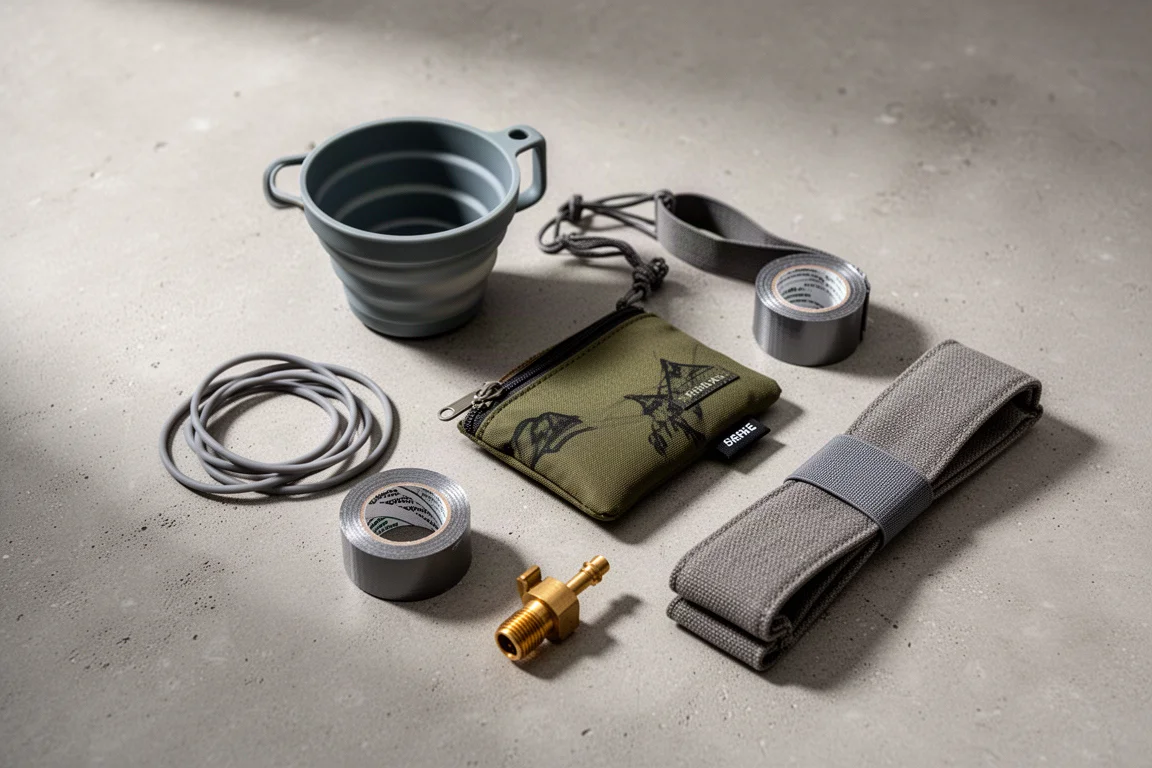
Eight small, affordable backpacking upgrades that solve real trail annoyances, from a pillow that stays put to a fuel valve that rescues leftover canister gas.