Outdoor Gear
New Backpacking and Training Gear 2026: Seven First-Look Impressions
Seven pieces of outdoor and strength gear tested in the field, from an R-6.2 budget sleeping pad and a 9-gram pump to a frameless pack with vest-style straps.
Introduction
Not every piece of gear earns a permanent place in a pack after one trip. Some items look promising indoors and fall apart the moment they meet wind, cold, and rough ground. The seven products below sit at the other end of that spectrum. Each one showed enough during real trail and training use to deserve a closer look, and a few of them reset expectations for what buyers can get at their price.
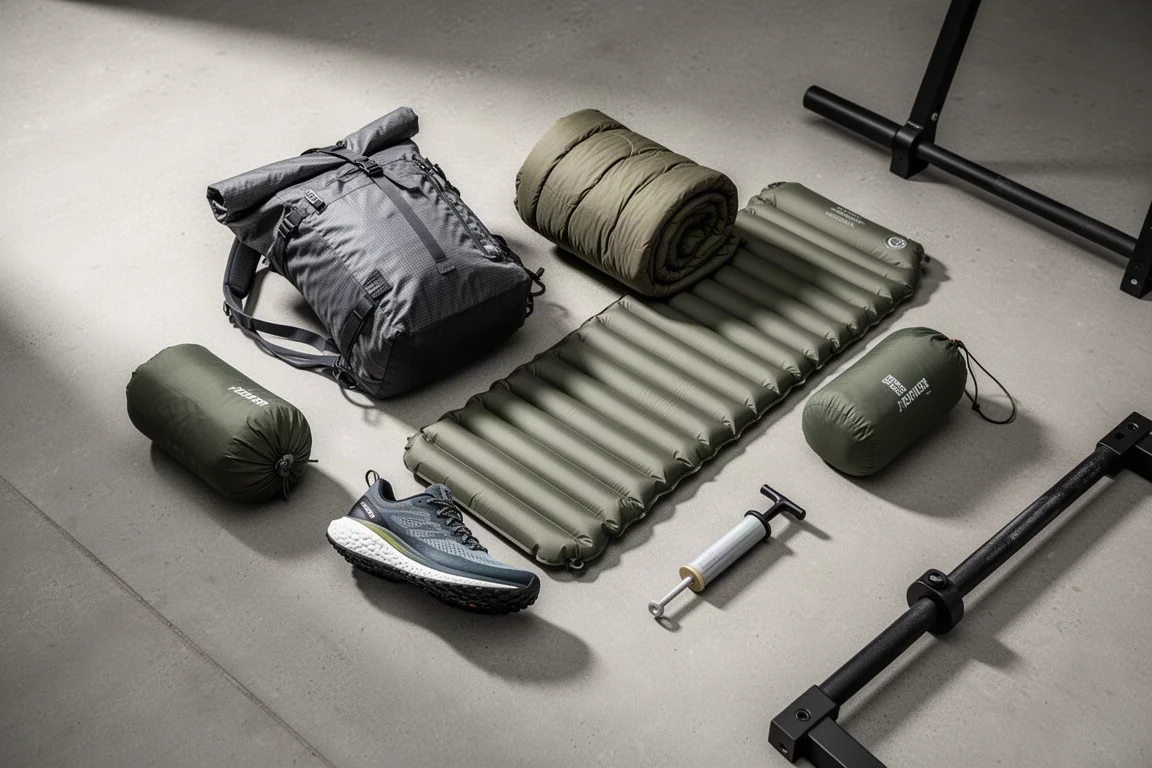
The mix is deliberately broad: a trail running shoe with a redesigned upper, a frameless ultralight backpack built around vest-style shoulder straps, a strength training bar for more ergonomic deadlifts, a one-person freestanding tent, a sleeping pad with a remarkably high warmth rating, a quilt system designed to eliminate drafts, and a 9-gram inflation pump.
What These First Impressions Cover
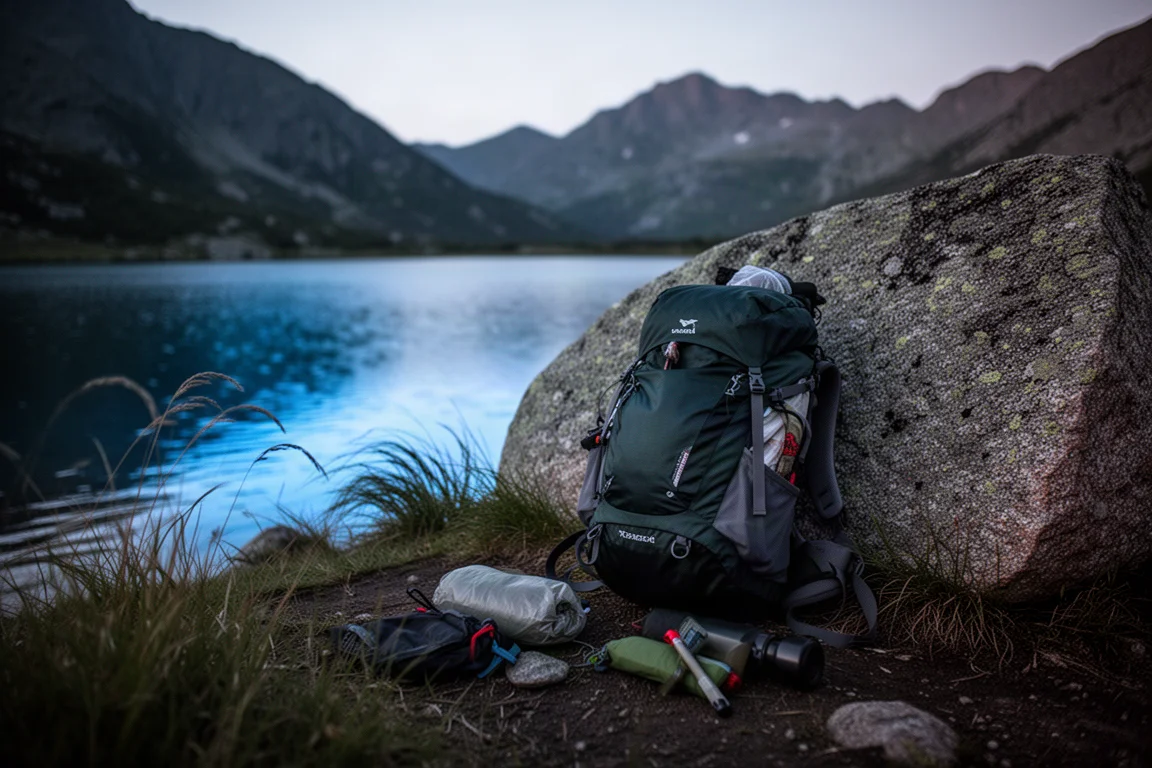
Every item here has been used in conditions that actually test it: cold nights close to water, exposed campsites with steady wind, and long miles under load. Where a figure comes from the manufacturer, such as an R-value or a comfort rating, it is presented as a claim, alongside what field use suggested in practice.
Durability is the hardest thing to judge early. Upper materials, midsoles, and inflatable fabrics show their limits over hundreds of miles rather than dozens, so the notes below focus on fit, comfort, function, and the details that stood out. On several of these products, long-term wear is still an open question.
Hoka Speedgoat 6: A Wider Forefoot and a Durable Upper
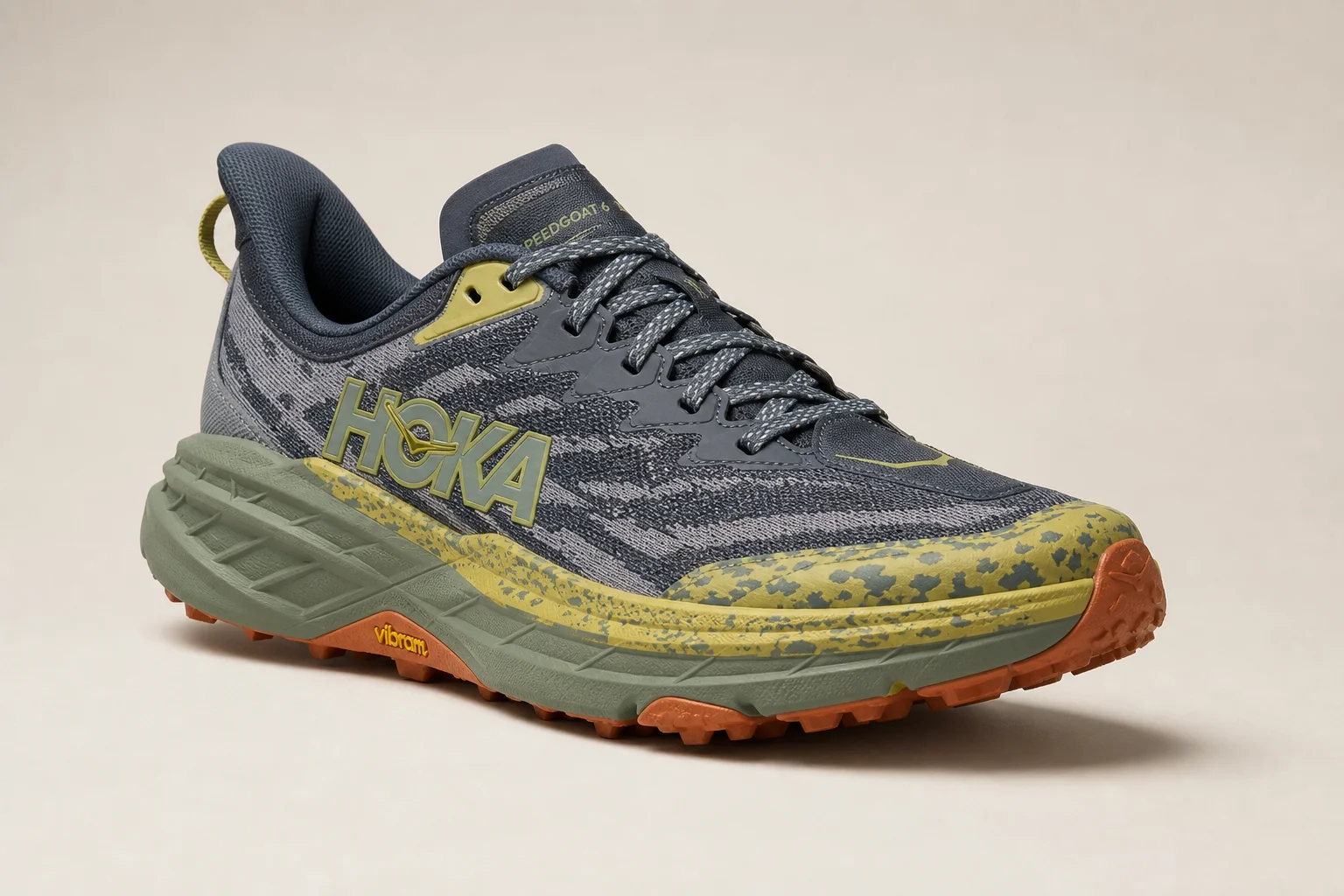
The Speedgoat line has been a go-to trail shoe for years, and the sixth version goes after three specific complaints about the previous model: an upper that did not accommodate wider feet, upper materials that wore prematurely, and a midsole that packed out relatively quickly.
The redesigned upper is intended to be both more durable and better suited to a broader range of foot shapes. For a moderately wide forefoot, the change is noticeable. There is more room across the toes, and the pinky toe no longer presses against the side of the upper, which was also a common source of premature wear on the earlier version. A wide version is available as well.
Early miles feel as comfortable as the previous generation, with the extra forefoot room being the clearest difference. The Vibram Megagrip outsole delivers confident traction, and the tall stack height provides the cushioning that long days on hard trails demand. The heel stays snug, so the fit remains secure despite the roomier front.
How well the upper resists abrasion and how long the midsole holds its cushioning are the open questions, and they will only be answered after several hundred miles.
Zpacks Super Nero: Vest-Style Shoulder Straps on a Frameless Pack
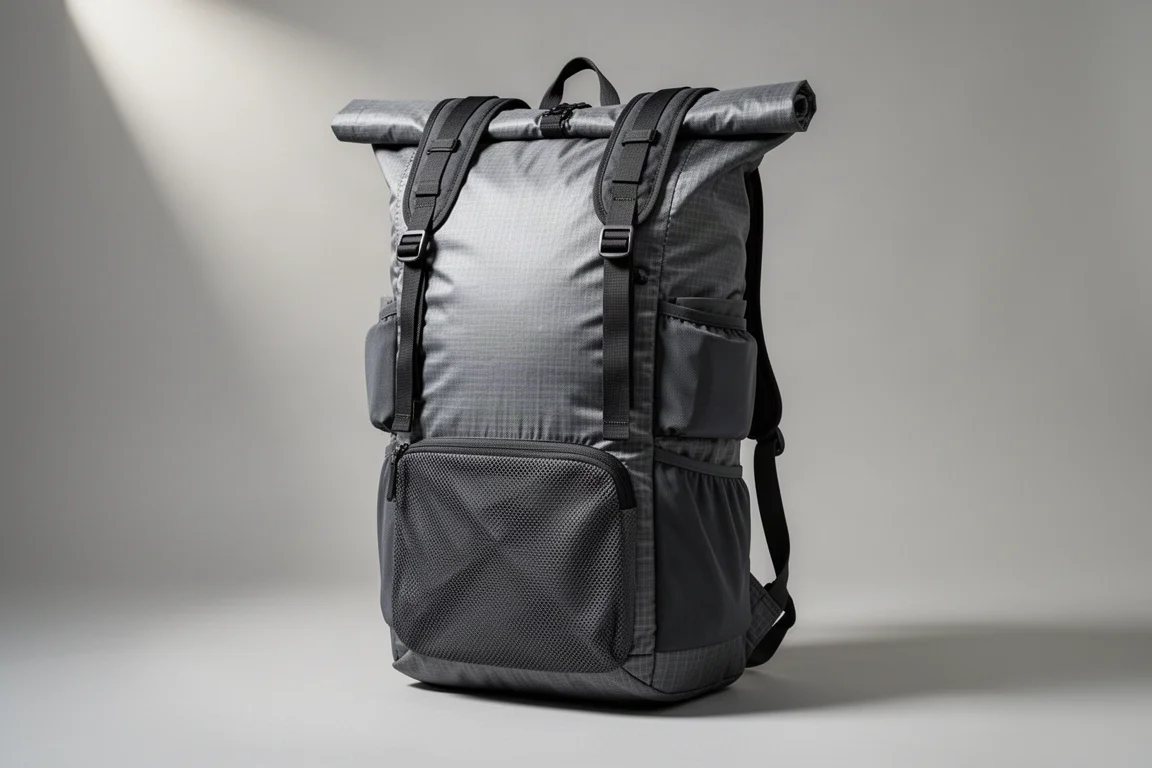
The Super Nero is a frameless pack and the first from Zpacks to use vest-style shoulder straps. That design choice matters for two reasons. Traditional shoulder straps concentrate load on the trapezius, while a vest harness spreads it across the shoulders and chest, which is noticeably more comfortable once weight climbs. Wider straps also create more room for pockets.
Each shoulder strap carries three of them: a long sleeve sized for a water bottle or bear spray, a smaller front pocket for snacks or sunscreen, and a zippered pocket for keys or a phone. Being able to reach food, sunscreen, or a bottle without stopping is a real convenience when the goal is covering distance.
The rest of the layout is straightforward ultralight design: reachable side water bottle pockets, a large front mesh pocket, straps along the bottom for bulky items such as a chair, and a roll top that adjusts to the load. Buyers can choose a one-inch webbing hip belt, a padded hip belt, or no hip belt at all. With roughly 22 pounds aboard, the pack carried well, distributed weight evenly, and avoided pressure points.
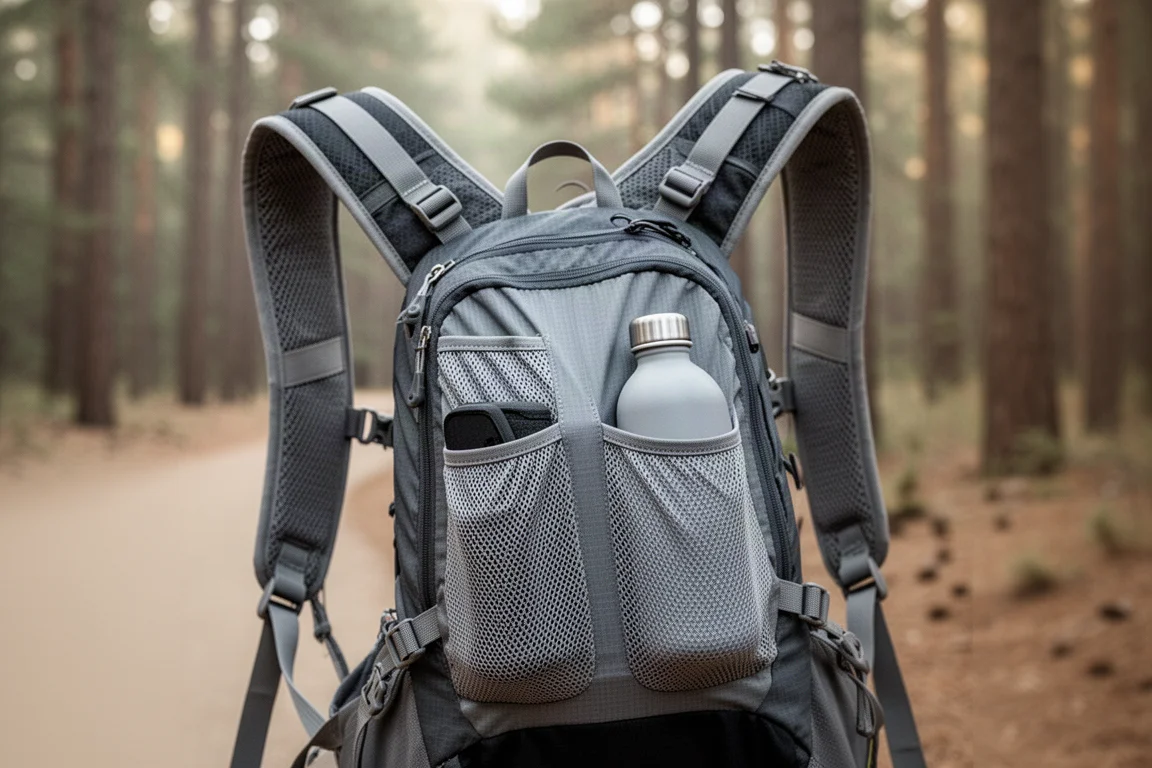
There are also unused attachment points on the shoulder straps, which suggests the vest harness may become an option across the wider range of packs over time.
Two small refinements would help. The stretchy shoulder pockets are a little floppy, and a cinch across the top would secure the contents and hold a bottle cap in place. A water bottle can also work loose from the side pockets when bending forward with the hips high.
Bells of Steel Open Trap Bar: More Ergonomic Deadlifts
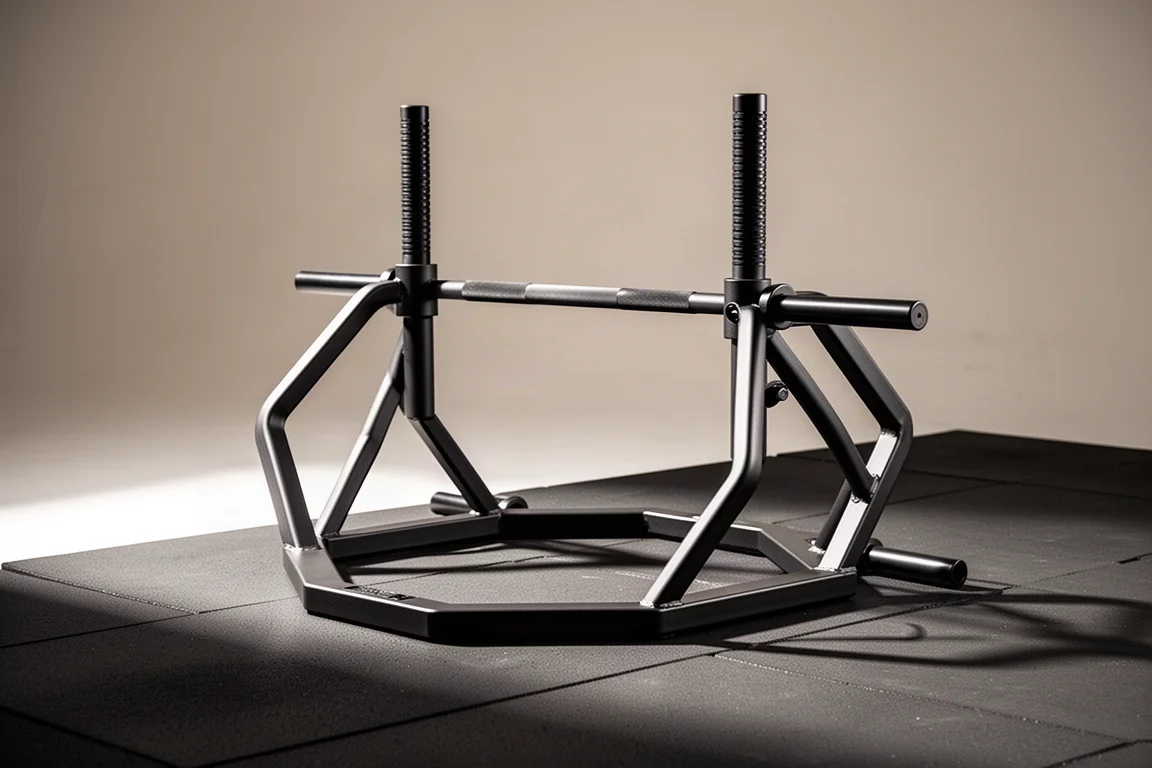
The open trap bar earns its place in a home gym by changing how a deadlift is set up and performed. Standing inside the bar removes the need to reach forward for the handles, and the vertical handles keep the hands in a more natural position than a horizontal barbell grip allows.
Stance and hip position determine where the load lands. Setting up in a more upright, squat-like position shifts demand toward the quads, while a setup closer to a conventional deadlift loads the posterior chain.
Loading is simpler too. Rolling the bar onto its legs lets plates slide straight on without a bar jack, and without holding one end up with one hand while feeding a plate on with the other. That matters most once the weight gets heavy.
The open-bar design is also intended to reduce injury risk during deadlifts compared with a straight barbell, which is a meaningful benefit for anyone training with long-term joint health in mind.
Nemo Dragonfly 1P: Light, Storm-Ready, and Compact
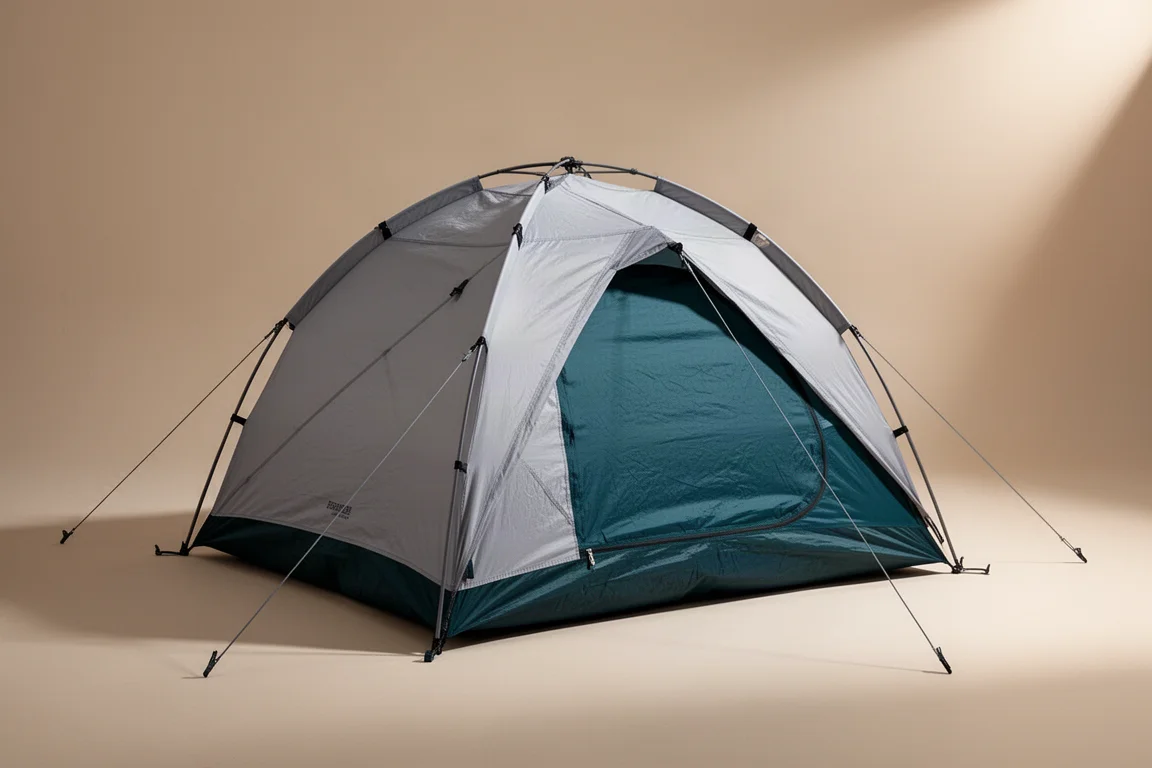
The Dragonfly 1P is a one-person freestanding tent, and freestanding shelters solve a specific problem: pitching on ground where stakes will not hold, whether sand or rock. The small footprint is the second advantage. On a cramped site hemmed in by a wind barrier, this tent tucked in easily and still left room to sit and spend time around camp.
At 948 grams, it is the lightest one-person freestanding tent we have found, which puts it under the one-kilogram mark that ultralight buyers watch closely.
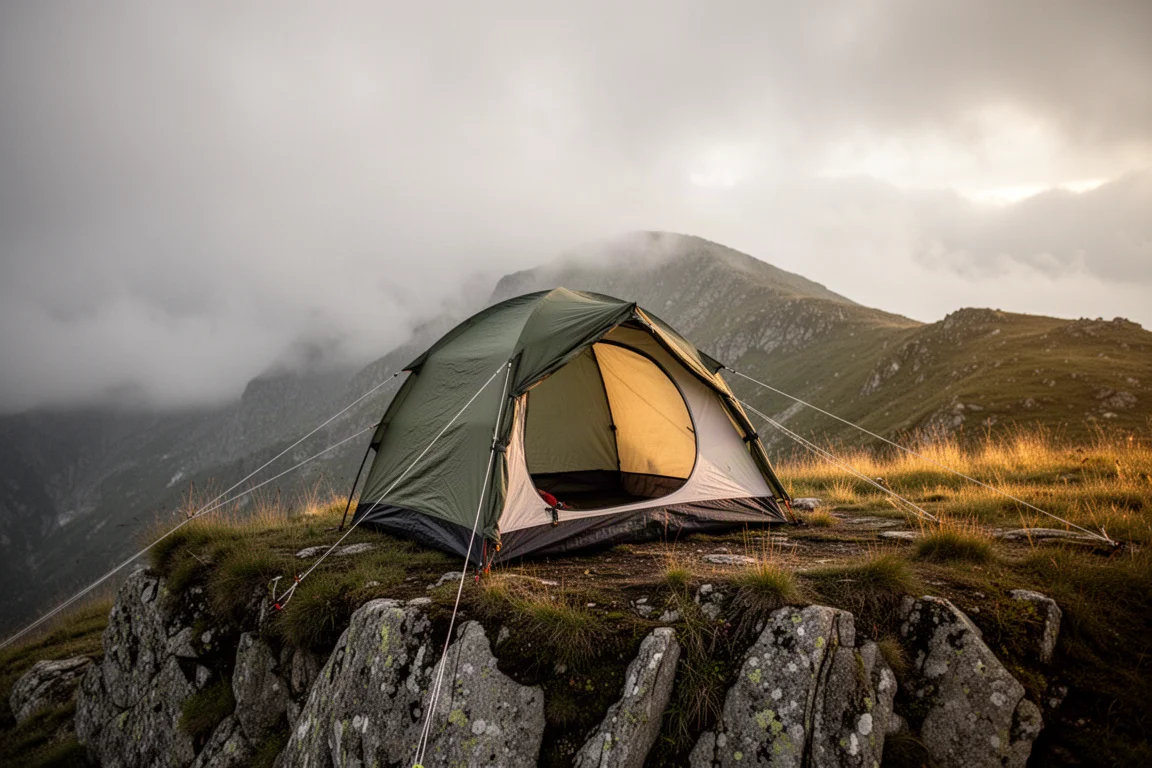
Storm worthiness is the other headline. The shape sheds wind well, and the multiple guy-out points add stability when conditions build. In steady wind it held its shape without drama.
The trade-off is interior space. One-person freestanding tents typically leave just enough room for a sleeping pad and a small amount of gear beside it, while one-person trekking pole shelters of the same capacity tend to feel roomier inside.
Hikenture Sleeping Pad: R-Value 6.2 at a Budget Price
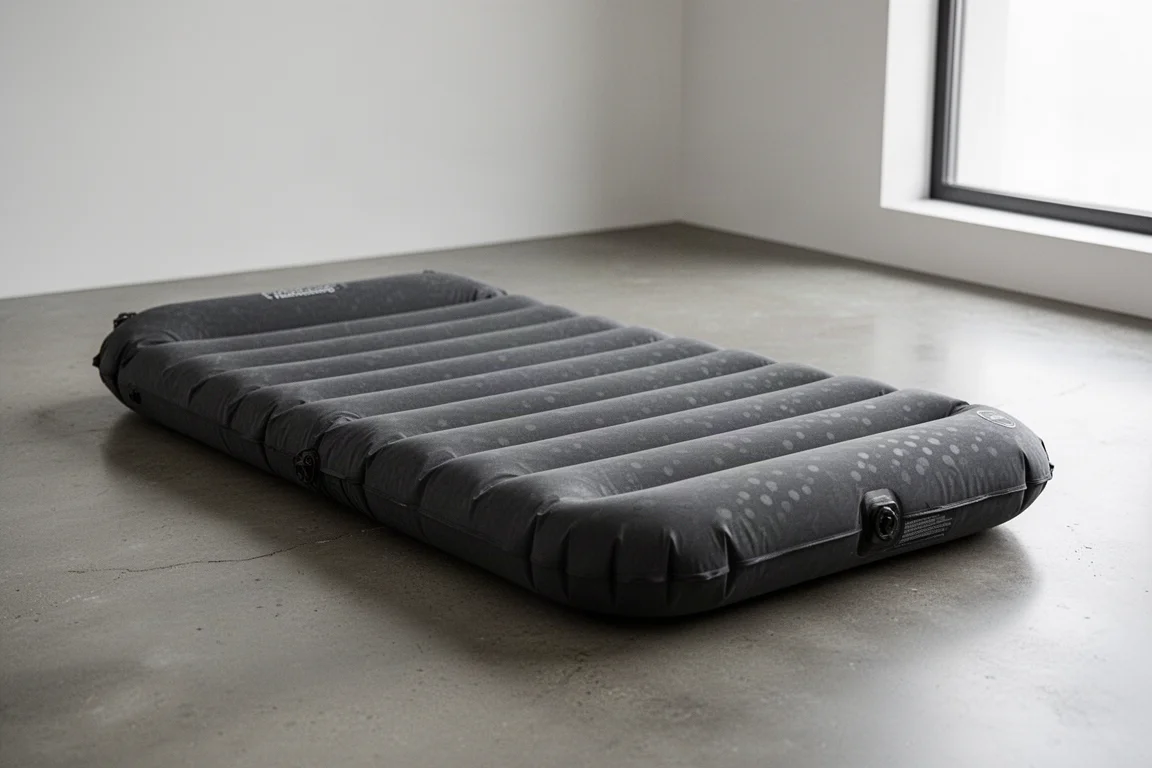
This sleeping pad from Hikenture pairs a baffle system similar to the Nemo Tensor line with a claimed R-value of 6.2 and a regular wide weight of 620 grams. It carries an ASTM-standard rating, and the test report showing the 6.2 figure is published alongside the product listing, which is a reassuring sign for a budget pad making a bold claim.
The construction backs it up. The reflective film inside is suspended close to the top and bottom surfaces with air gaps through the middle, rather than dropping to the bottom of the pad where it would lose much of its effectiveness.
In the field, comfort matched the Tensor-style baffling, and warmth was never in question on a night around 5 degrees Celsius at elevation, next to a cold lake, with wind pushing against the tent. Given those conditions, an R-value in at least the fours seems reasonable, and the 6.2 claim is plausible. Colder trips will be the real test.
At $75 USD for the regular wide, the price is the most surprising part of the package.
Rock Front Quilt System: Quilt Comfort Without the Fiddling
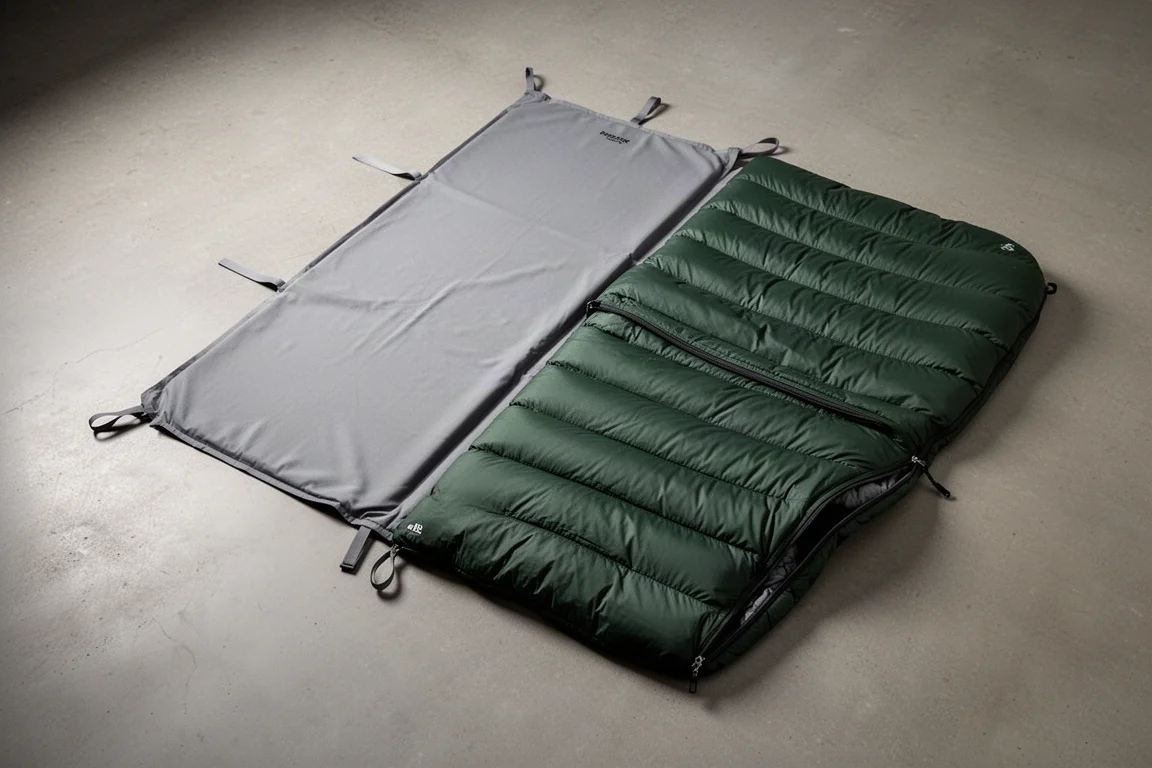
Rock Front, a Ukrainian company, builds this entire system in Ukraine. It pairs a sheet that runs over the sleeping pad with a quilt that zips to that sheet along its full perimeter. On a warm night the quilt can be left draped loosely over the top, and on a cold night both sides zip shut with the hood cinched down.
The result feels as secure and as warm as a sleeping bag while still allowing the freedom to roll over that makes quilts appealing in the first place. Total system weight, including the sheet, the quilt, and the pillow attachment, is 628 grams, and the quilt carries a -2 degrees Celsius comfort rating.
The pillow attachment is the standout detail. A buckle system holds a pillowcase to the sheet, and any pillow slides in and cinches down, so it stays put instead of migrating around the tent overnight. That opens up pillows that have no pad attachment of their own.
At $280 USD, the system undercuts most top quilts with a comparable comfort rating.
Pad Pal: A 9-Gram Pump That Saves Your Breath
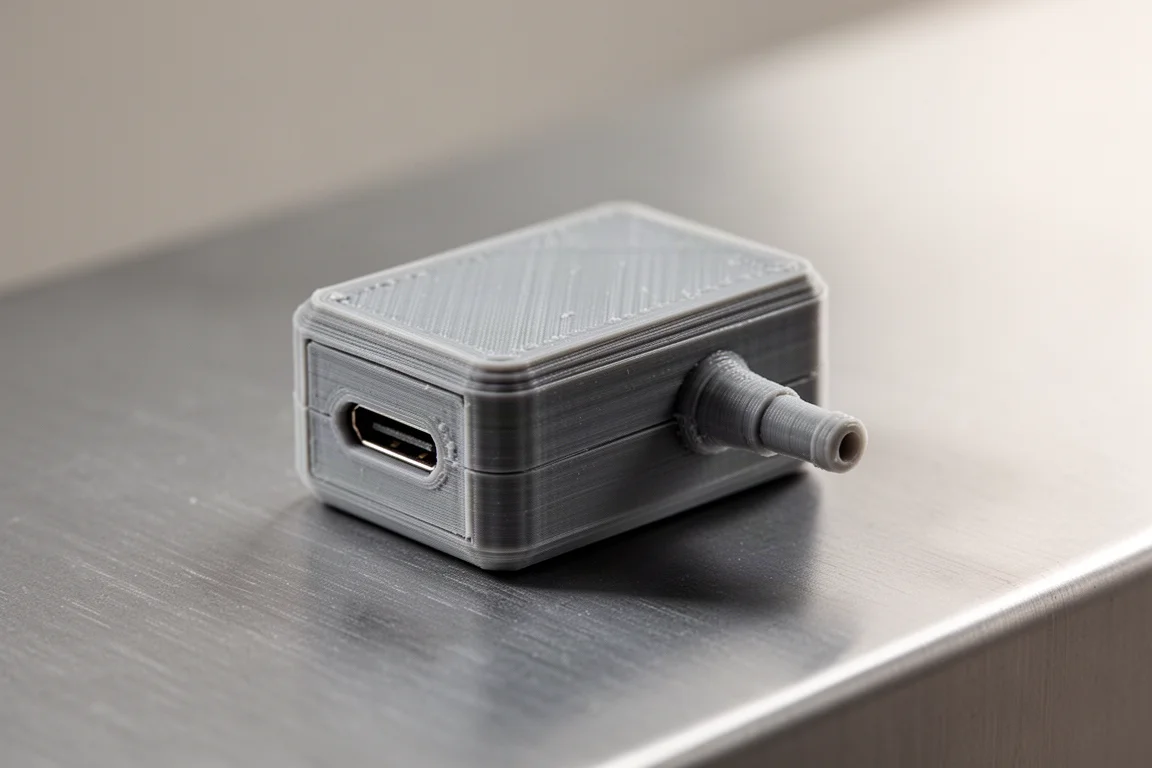
The Pad Pal is a 3D-printed inflation pump that weighs 9 grams together with its pad adapter. It has no internal battery. A USB-C cable connects it to a power bank, which drives the fan, and the maker offers adapters shaped for the most popular sleeping pads to maximize how much air reaches the pad.
Operation is simple: hold the button to power it on, then double-press to start pumping. Four speeds are available, and the fastest fills a pad quickly, though it is loud enough to be a poor choice in a busy campsite.
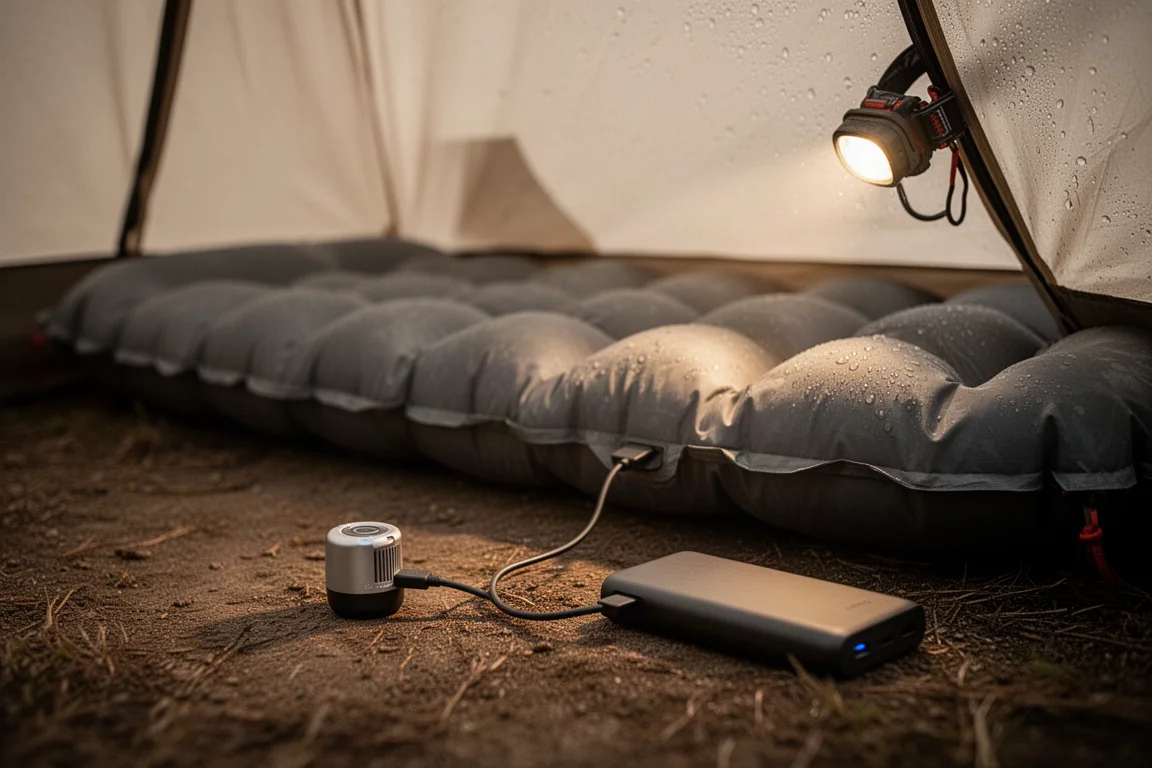
Real-world performance lands about where the weight suggests. The pump fills a pad to roughly 80 to 90 percent and needs one or two breaths to finish, which suits anyone who prefers a slightly softer pad anyway.
Durability has held up better than the featherweight construction implies, including a couple of drops onto rock. The USB-C port is the likeliest long-term weak point, since repeated plugging and unplugging wears on any port. For thru-hikers and fast packers who are tired of inflating a pad by breath at the end of a long day, the trade-offs are easy to accept.
Buying Advice: Matching Gear to Your Trip
The right choice here depends far more on the trip than on the spec sheet. The Speedgoat 6 is the natural pick for trail runners with a moderately wide forefoot who want cushioning and grip for long days. The Super Nero suits fast packers and thru-hikers carrying light loads who would rather spread weight across a vest harness than cinch down a hip belt.
The open trap bar is a home gym decision, and it makes the most sense for lifters who deadlift regularly and want a more ergonomic setup with simpler plate loading. The Dragonfly 1P is worth the interior space trade-off when the ground is sandy or rocky, or when the pitch is tight enough that a larger shelter will not fit.
On the sleep side, the Hikenture pad is the value play for cold-weather camping at a moderate weight, while the Rock Front system is for anyone who wants quilt comfort without pad straps or drafts. The Pad Pal is a specialist item, but for gram-counting backpackers it removes one of the least pleasant chores of the day.
One caution applies across the board: several of these products have not yet been through hundreds of miles, so treat early impressions as a starting point rather than a final verdict.
Conclusion
The strongest value stories in this group are the Hikenture sleeping pad at $75 USD with a claimed ASTM-tested 6.2 R-value, the Rock Front quilt system at $280 USD with a -2 degrees Celsius comfort rating and a 628-gram total weight, and the 9-gram Pad Pal pump that turns pad inflation into a one-button job.
On the performance side, the Speedgoat 6 looks set to remain a go-to trail shoe for the season thanks to its roomier forefoot, the Super Nero carried a 22-pound load well on its first outing, and the Dragonfly 1P delivered the light weight and wind performance that freestanding solo shelters promise, with interior space as the honest compromise.
If you are shopping any of these categories, buy for the conditions you actually camp and train in, and let durability be the deciding factor once long-term wear is known.
Further reading
Related Reviews
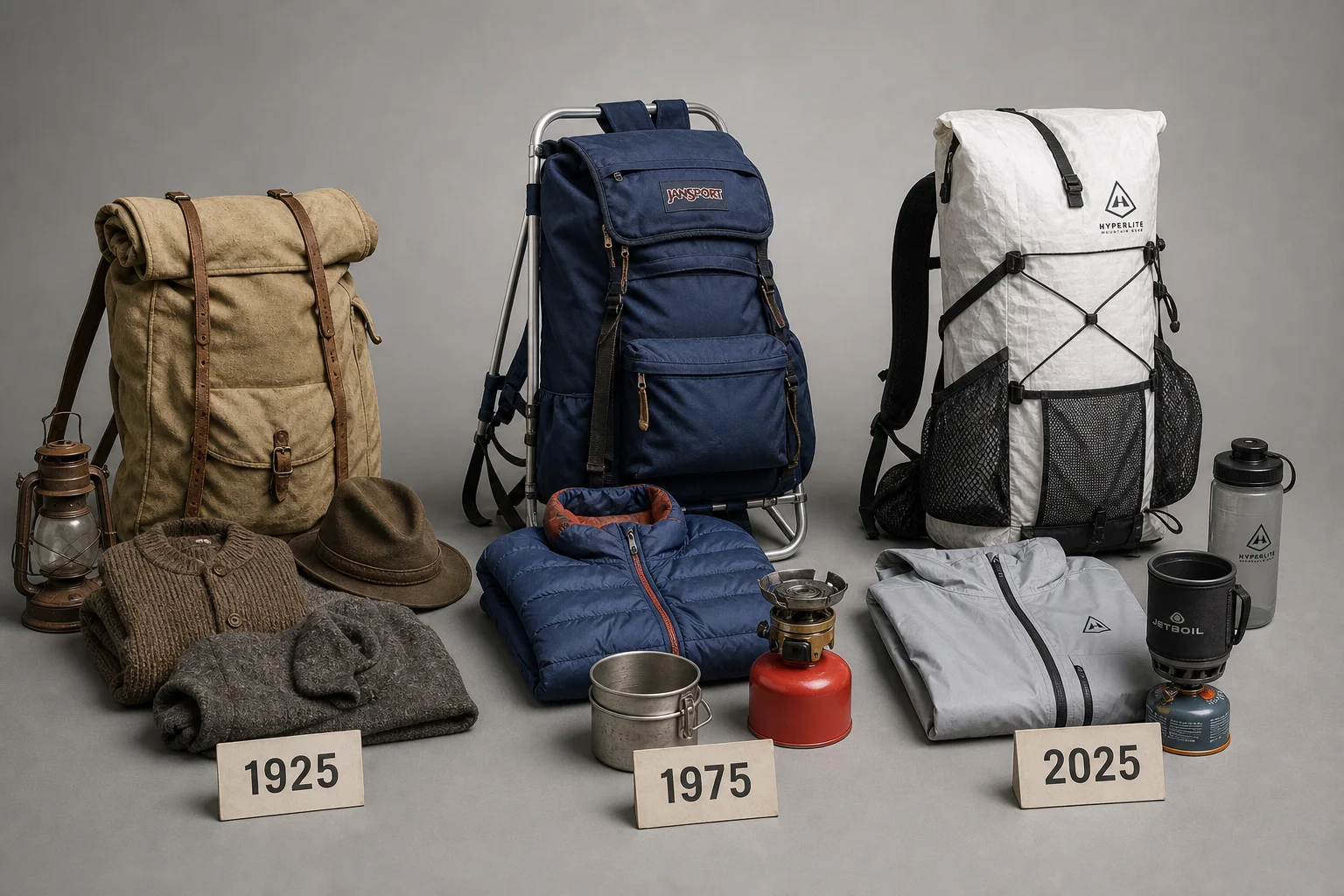
Outdoor Gear
Backpacking Gear Evolution: 100 Years of Technology Compared
We tested backpacking gear from 1925, 1975, and 2025 across a three-day hike in Yosemite. Here's how technology has transformed comfort, weight, and the outdoor experience.
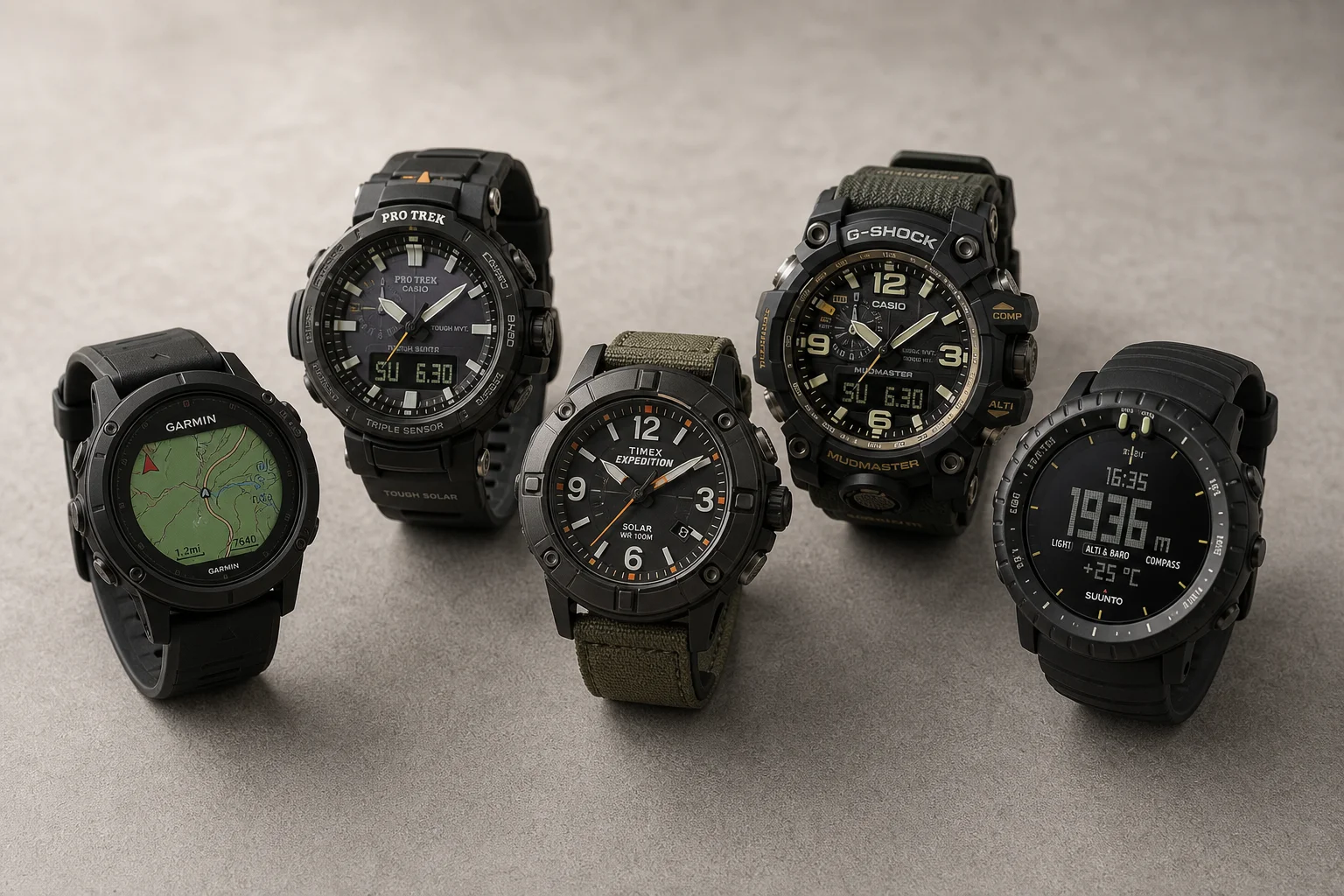
Outdoor Gear
Best Affordable Hiking Watches: Five Rugged Options for Outdoor Adventures
Five durable hiking watches that balance ruggedness, functionality, and value for outdoor enthusiasts who need reliable GPS tracking and weather resistance.
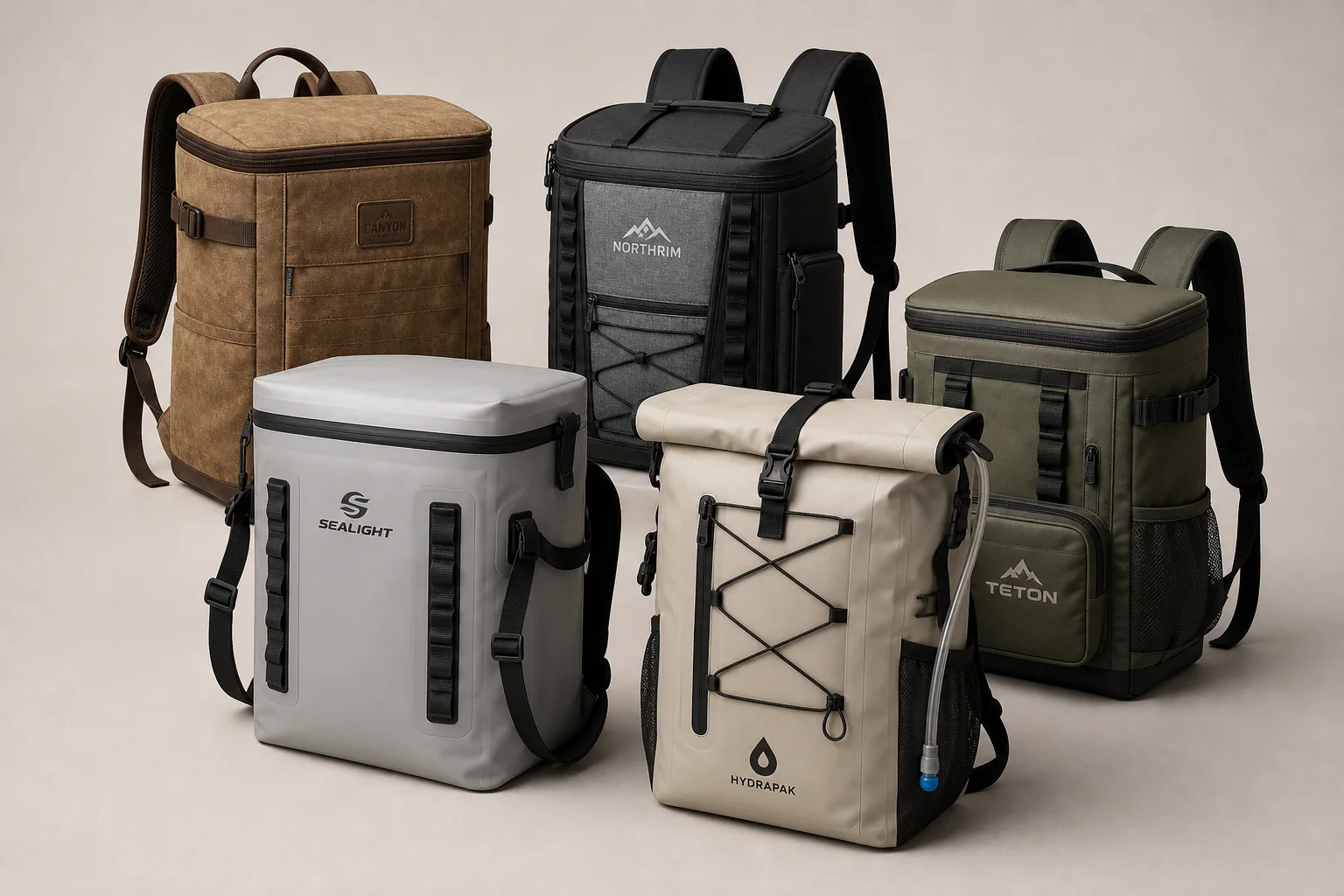
Outdoor Gear
Best Backpack Coolers 2026: Five Practical Options for Outdoor Adventures
Five backpack coolers with distinct cooling capabilities, storage features, and design trade-offs to help you choose the right one for your outdoor needs.