Outdoor Gear
New Backcountry Gear 2026: Eight Bikepacking and Backpacking Picks Worth a Look
Eight new pieces of bikepacking and backpacking gear for 2026, from a silt-friendly water filter to a custom three-quarter sleep system.
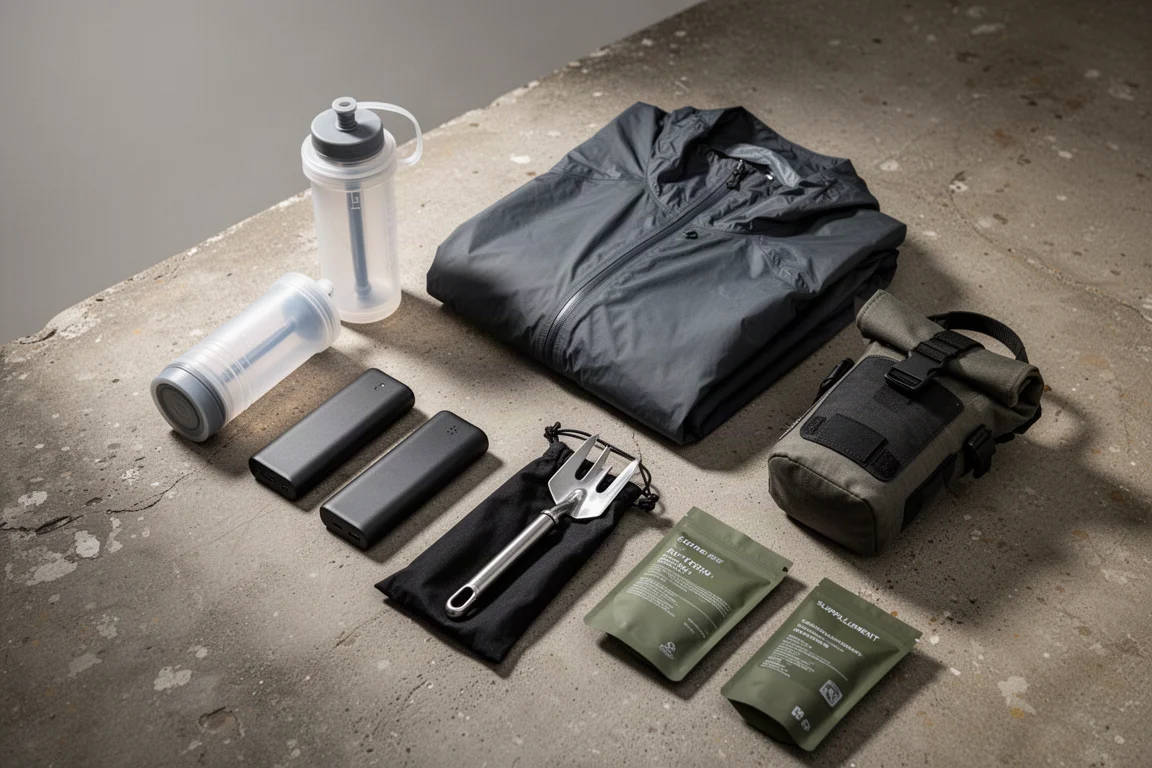
Introduction
A long self-supported ride forces hard decisions about every item in your bags. The kit assembled for this season was built around three priorities: cutting weight, cutting bulk, and choosing gear that still works when conditions turn cold, wet, or dusty.
The main event is a 2,700-mile bikepacking route from Banff, Canada down to the Mexico border, with backpacking and packrafting trips filling out the rest of the season. Some of the items below are refinements of gear that has been in rotation for years. One is a return to a product category that had been set aside. One is a piece of sleep gear that works nothing like a conventional bag or quilt.
How This Year’s Kit Came Together
The starting point was a simple question: what actually earns its place when you are carrying everything on a bike for weeks at a time? That pushed the kit toward items that do more than one job and away from anything that only makes sense in a single scenario.
Weight and packed volume mattered, but so did field serviceability. A filter that clogs and cannot be cleaned in the field is dead weight. A power bank that will not start charging from a dynamo hub is worse than useless on a long day. A front bag that shifts around on rough descents changes how the whole bike handles.
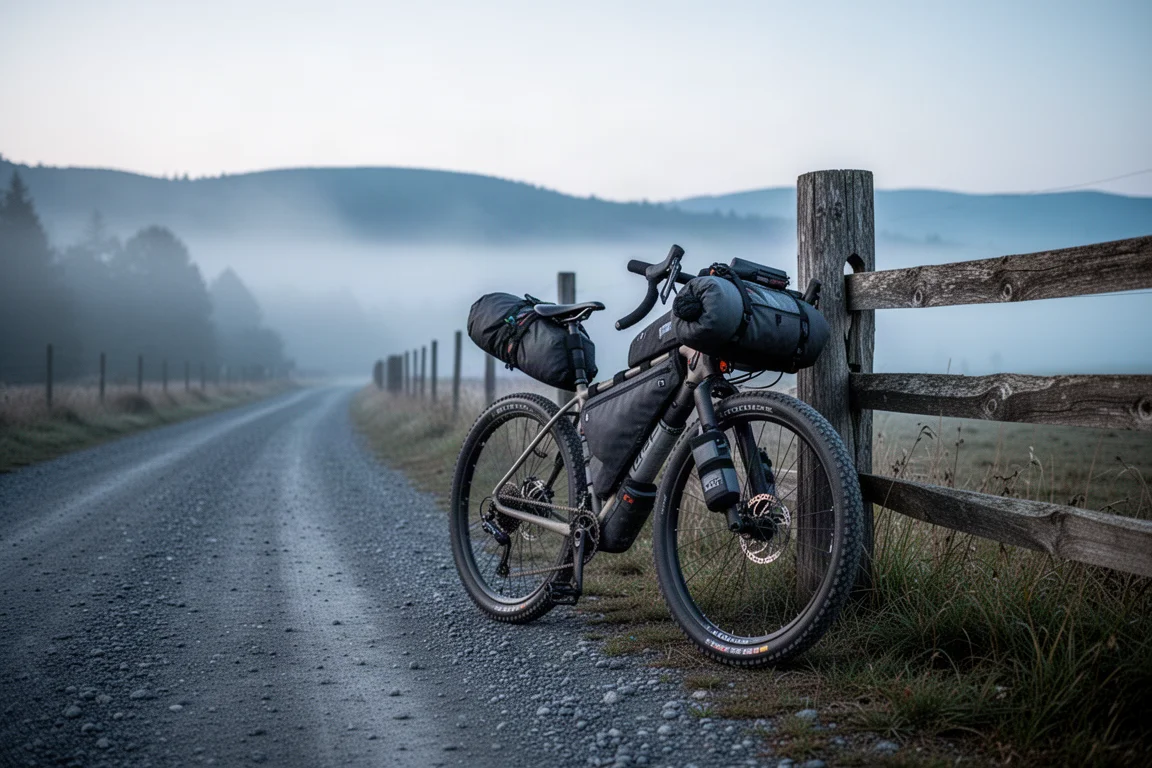
The other thread running through this list is durability in mixed conditions. Cold nights, silty water, wildfire smoke, and long stretches of rain all shaped which items made the cut, and which ones stayed at home.
Katadyn BeFree AC: A Silt-Friendly Filter With Better-Tasting Water
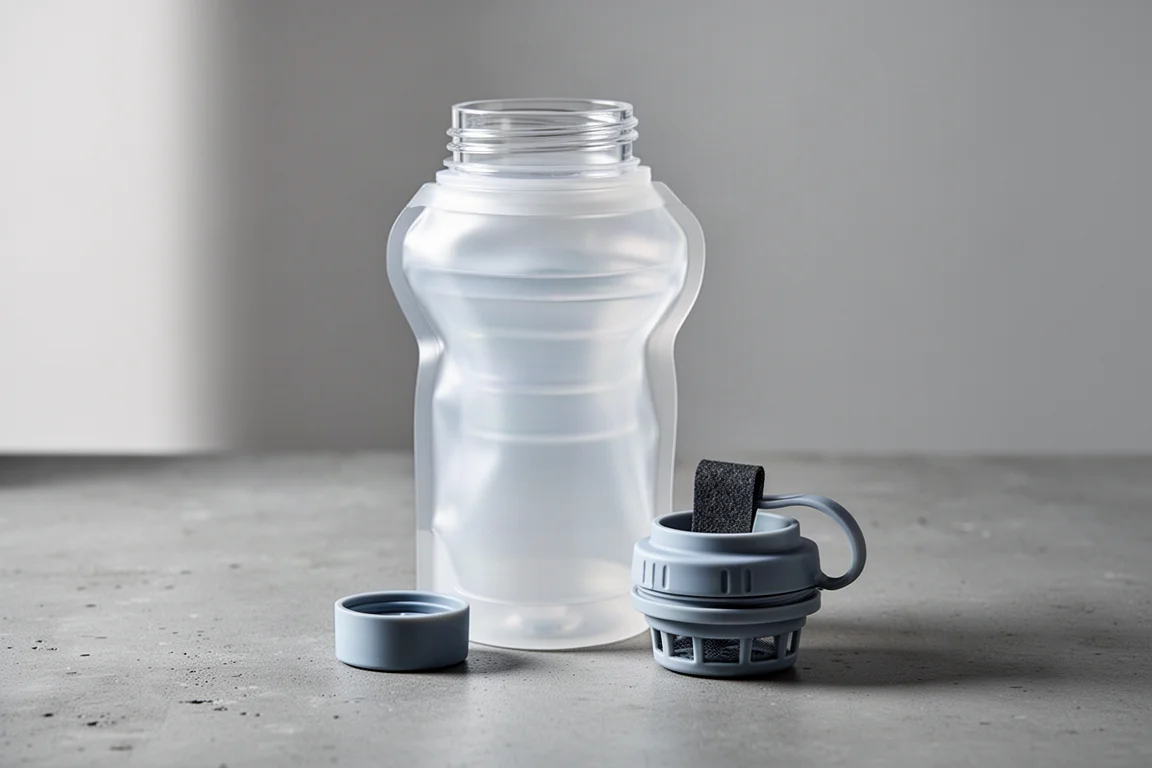
Filter choice depends heavily on the environment. The BeFree has a strong track record on routes with silty, unappealing water sources because the open basket design makes it easy to clean in the field without tools.
The AC version adds a small activated charcoal tab that seats in the top of the filter and targets taste and smell. It is worth being clear about what that does and does not do: the charcoal improves how questionable water tastes and smells, but it does not remove viruses. Treat it as a comfort upgrade for stagnant sources rather than a change in purification level. Early use across a handful of trips has been encouraging, and the same filter is expected to cover the silty ponds and cattle tanks that show up along the route.
Nitecore NB10000 Plus: A Compact Power Bank Worth Another Try
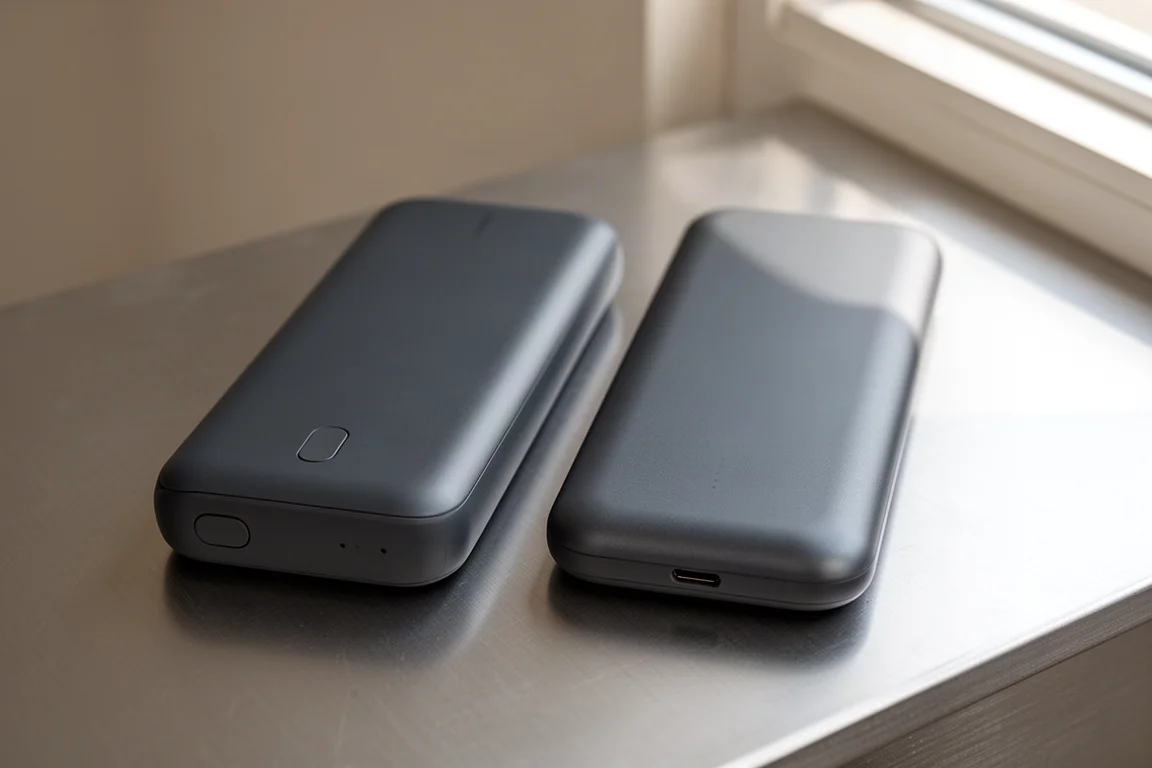
Earlier generations of this power bank had a reputation for thin casings and, more frustratingly, for charging quirks. Plugging in a phone sometimes required pressing the button first, and the unit did not always cooperate with a dynamo hub, which is the whole point of carrying a power bank on a bike with a generator front hub.
The Plus version is reported to have addressed those charging issues, and the plan for this season is to carry two compact units rather than a single large one. That arrangement reaches 20,000 mAh of total capacity while allowing one battery to charge off the bike during the day and the other to power devices.
The size advantage is real. Two of these take up less space and weigh less than a single 20,000 mAh power bank of the type commonly carried on long trips, and the swap-and-rotate routine keeps devices topped up without stopping. Long-term durability in cold weather is the open question, and that is exactly what a multi-week route will answer.
OnX Backcountry: One Navigation App for Multiple Sports
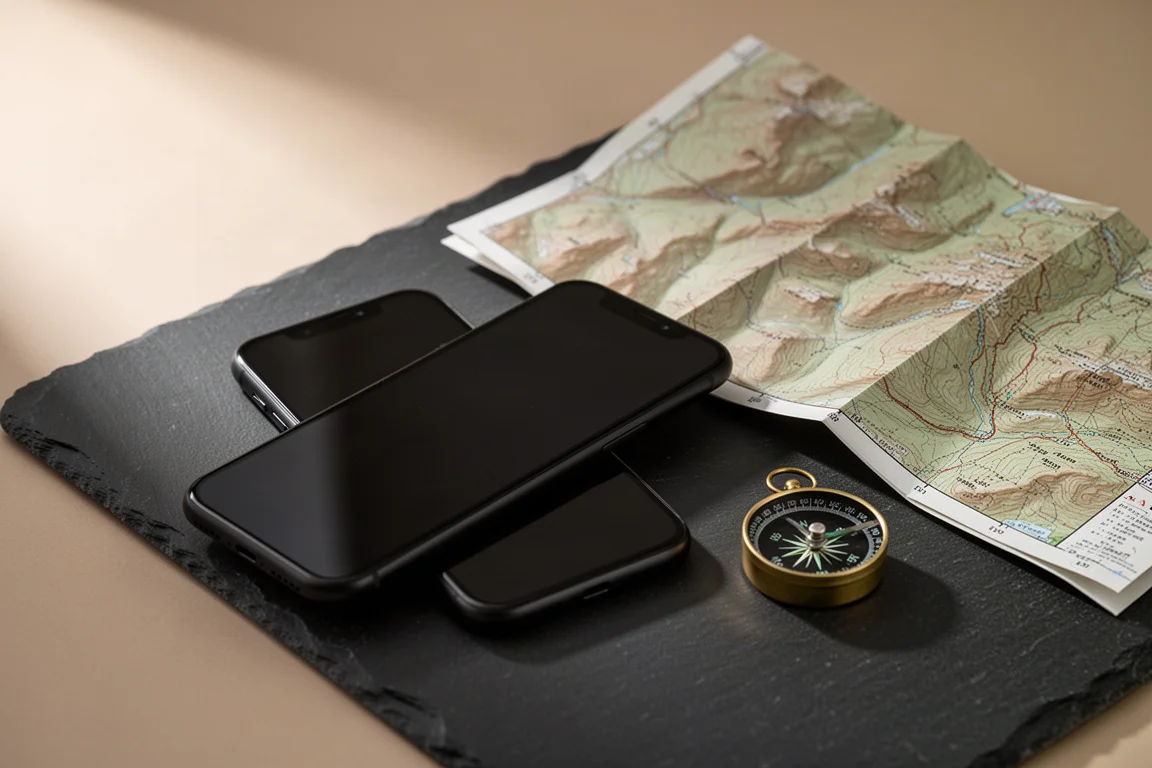
Route planning usually means juggling separate tools for hiking and riding. This app handles both, which is why it has become the default for everything from backpacking trips to bikepacking routes.
Routes can be built on a desktop and then loaded onto a phone for use in the field, so the same planning workflow covers a hiking route and a bike route. Several layers are directly relevant to long trips: current weather, active wildfires and closures, wildfire smoke and air quality, and slope angle for high mountain passes where snow lingers.
For summer travel in the Rockies, the wildfire and smoke layers are the difference between a safe night’s sleep and a miserable one. The slope angle layer matters on passes that hold snow well into the season, and having all of it in one app means fewer tools to manage before a big day.
7mesh Guardian Air: A Rain Shell Cut for the Bike
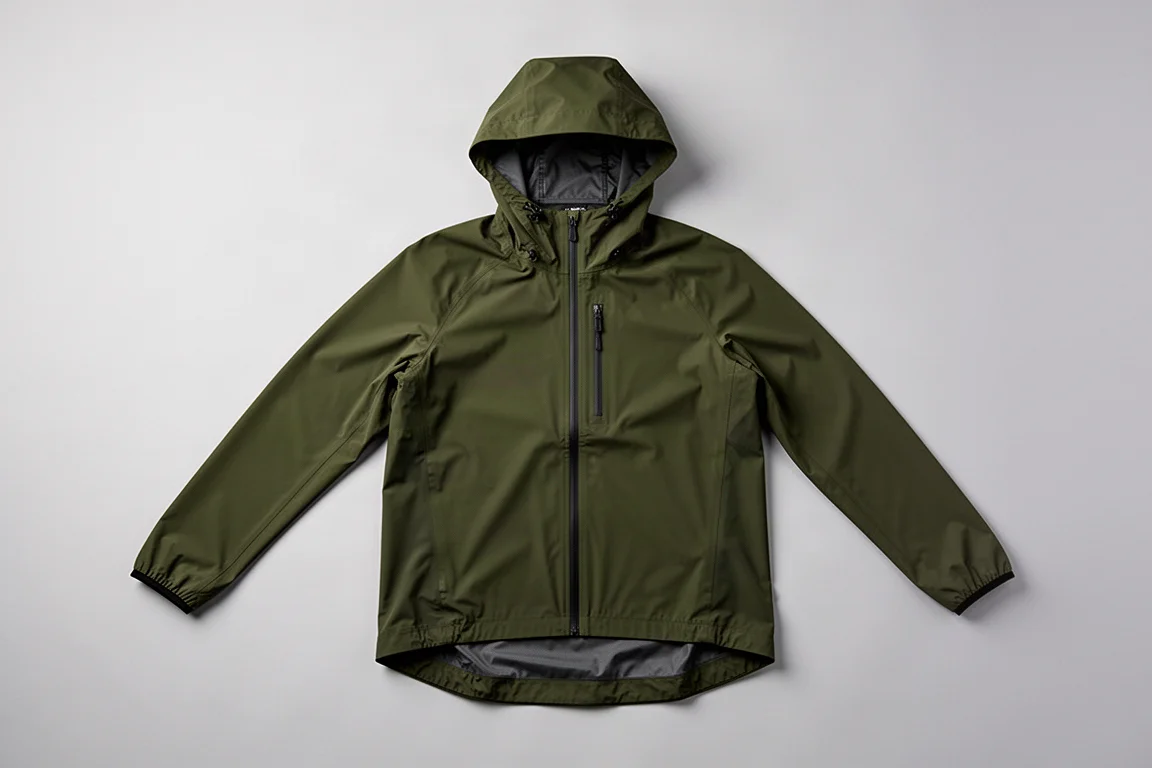
Rain jackets tend to fall into two camps: ultralight shells that barely hold up, and heavier mountaineering shells that feel like overkill on a ride. This jacket sits between them, with a Gore-Tex liner intended to keep you warmer when you are wet and moving fast in cold air.
The fit is the other reason it stands out. A cycling-specific cut means longer sleeves with Velcro cuffs, a drop tail that stays put when you are bent over the bars, and a dual zipper that lets you open the jacket from the bottom for ventilation without unzipping the whole front.
The hood is sized to fit over a helmet and has rear adjustability, and the whole jacket packs down into its own pocket, small enough to disappear into a front bag. For riders who want a shell that is more protective than an emergency layer without the bulk of a mountaineering jacket, this is a sensible middle ground. Field time on the bike is still limited, so the liner’s warmth advantage is the main thing worth watching over a full season.
Ardour Gear Trowel Sheath: One Pouch for Stakes and Toiletries
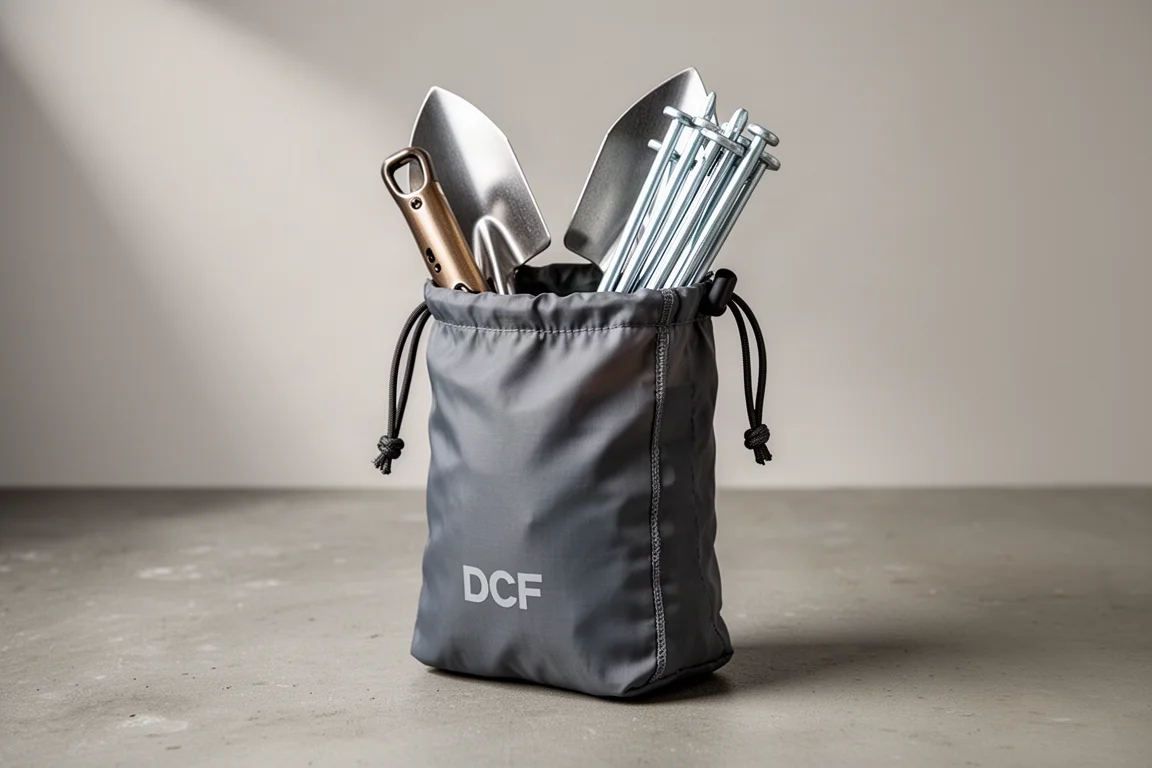
This is a small piece of gear that solves a specific annoyance. The original version of this DCF sheath doubled as a stake bag and a trowel holder, but the trowel was tight to remove when the stakes were packed in.
The large version fixes that with more room, and the extra space turns it into a single grab-and-go pouch for the whole camp and hygiene kit: tent stakes, a trowel, toilet paper, and a bidet. One bag instead of three, reachable from a pack side pocket or a bike bag, and ready whether you are pitching a tent or digging a cathole.
Multi-use items like this are worth more than their weight suggests. Anything that keeps the camp routine fast, and keeps everything dry and findable in the dark, earns its place in a setup where every bag has to justify itself.
OptiVenture Sunrise and Sunset: A Two-Part Supplement System
Long days of hiking or riding wear the body down, and the usual approach of carrying a multivitamin, a joint supplement, and a sleep aid adds up to a lot of separate containers. This system condenses all of that into two formulas built specifically for multi-day endurance efforts, developed by a thru-hiker and a mountain climber.
Sunrise is the morning formula, covering standard nutrients plus extras aimed at people working hard in the backcountry, including additional omegas and magnesium. Sunset is taken at camp and is designed to support recovery, calm inflammation, and encourage deeper sleep.
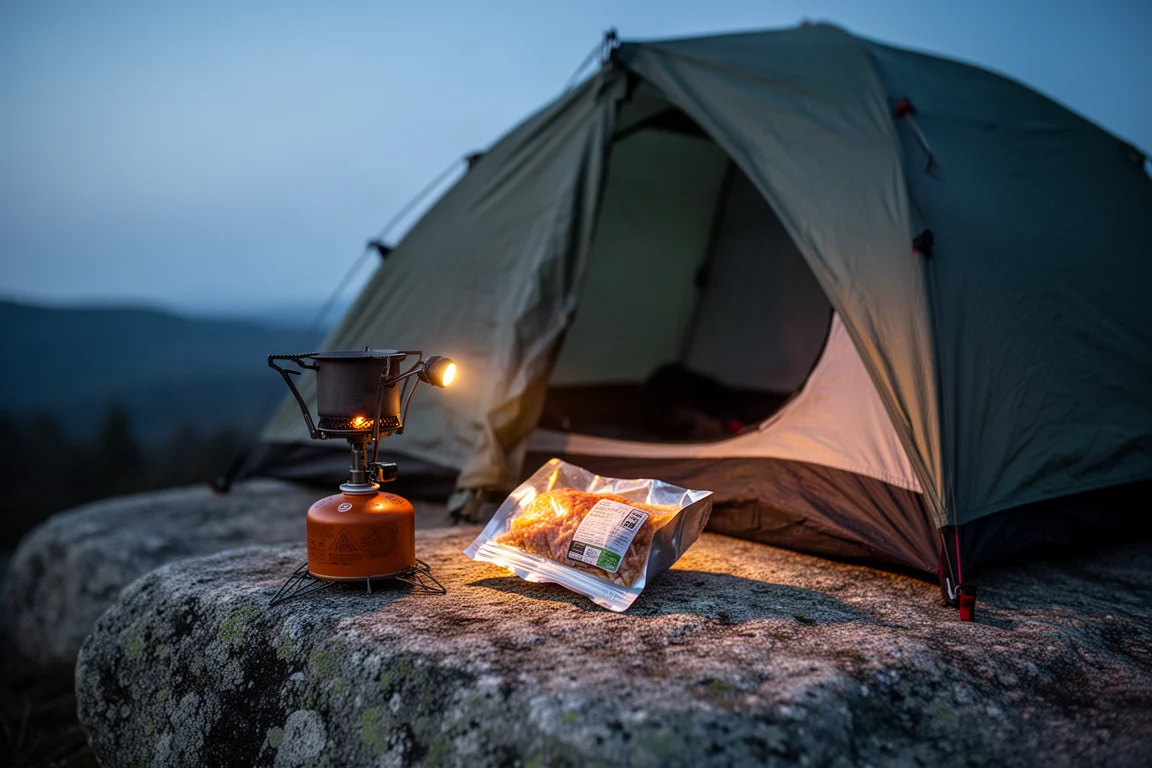
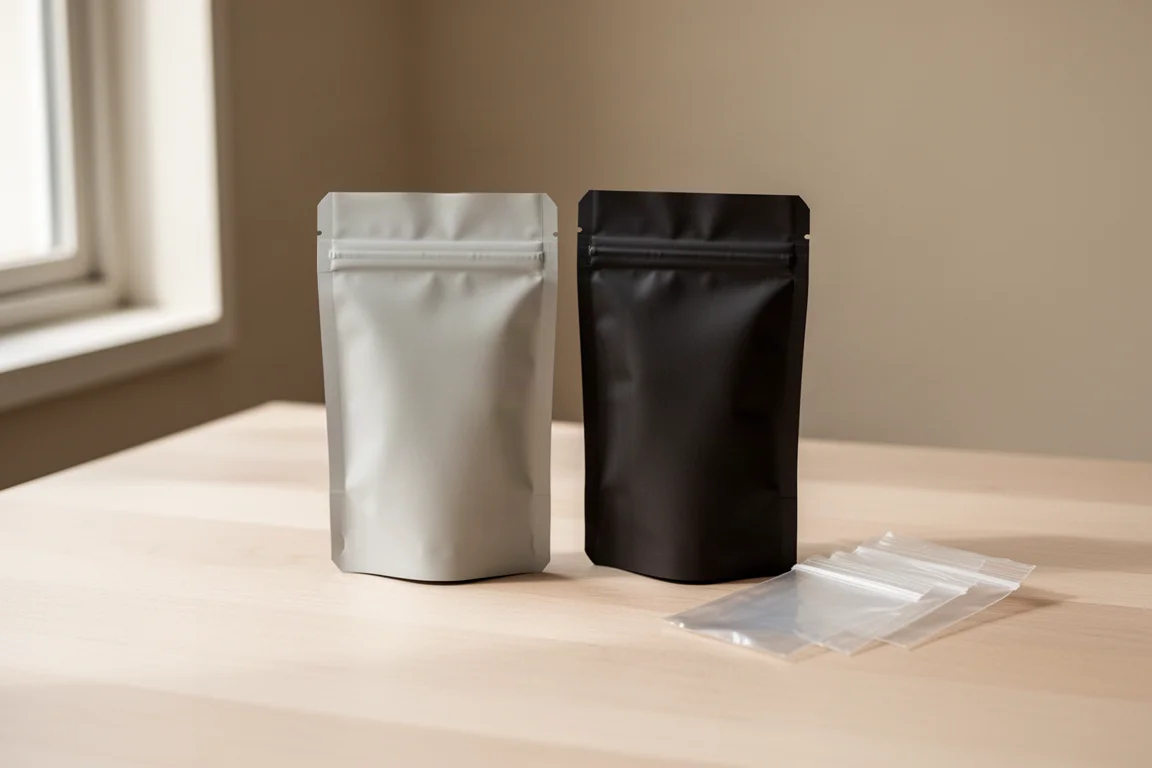
The practical detail is the packaging. A 30-day supply fits into small resealable bags that slide into a food bag, which matters when every gram and every cubic inch is contested. After roughly three months of use, the reported results are better sleep, less morning soreness in the knees and feet, and steadier energy through the day.
Tailfin Bar Cage System: A Stable Handlebar Setup
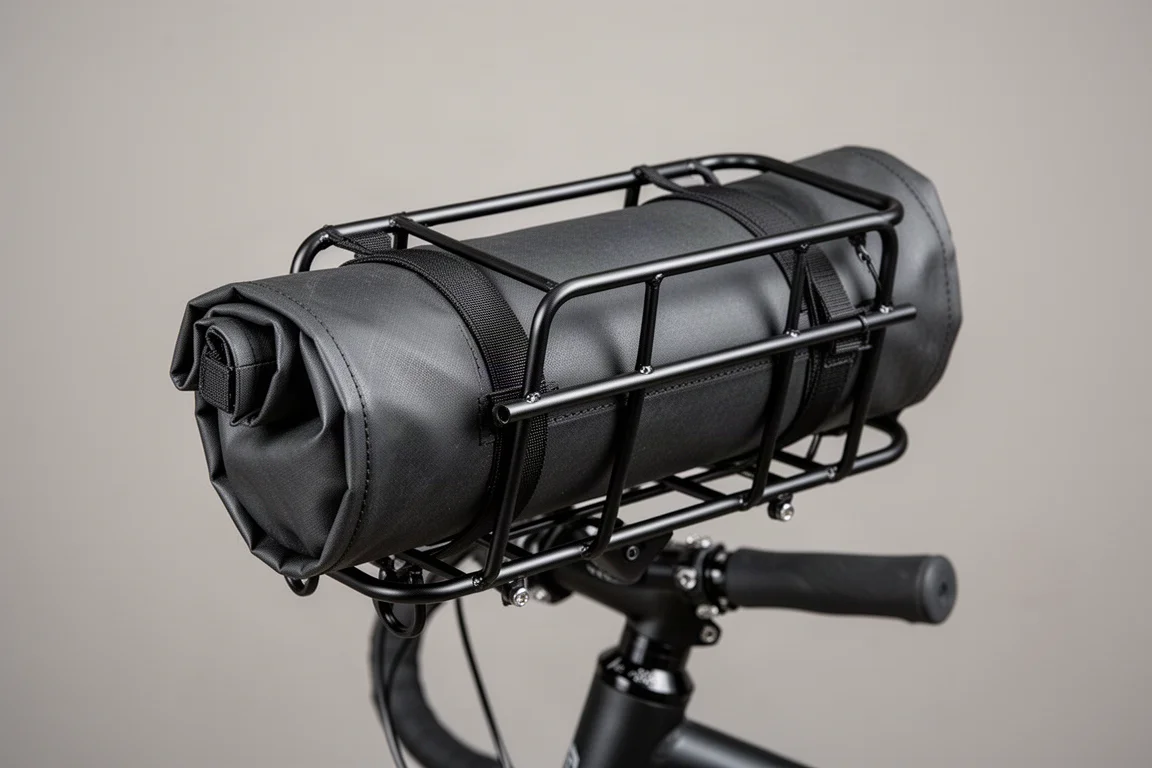
Front bags have a long history of bouncing, shifting, and generally misbehaving on rough descents. This system takes a different approach: a cargo cage bolts to the handlebars, and the roll bag clips into the cage before being strapped down with two Voile straps.
The result is a front load that stays put regardless of terrain. The bag itself is fully waterproof thanks to laser-welded seams, closes with a double roll, and includes an air release valve so the load can be compressed after packing.
The bigger change this year is what goes inside it. Instead of keeping the sleep system in a rear bag, the entire camp kit now rides up front: extra clothes, a beanie, a pillow, a sleeping pad, a down jacket, and a sleeping bag. At the end of the day the bag unclips and goes straight into the tent with everything still dry, which removes the nightly unpacking ritual from the equation.
GooseFeet Gear Elephant Foot: A Three-Quarter Sleep System
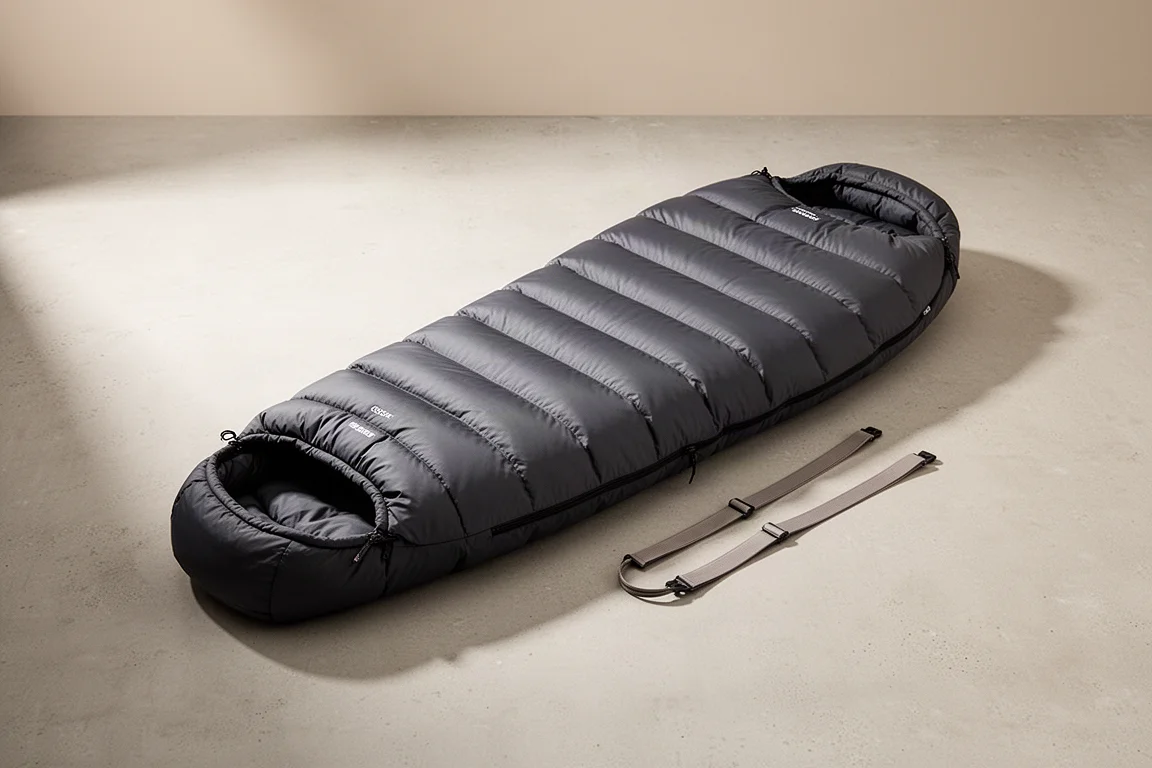
This is the most unusual item on the list. An elephant foot, sometimes called a mermaid tail, is a partially enclosed down bag with a fully closed footbox that reaches roughly to the mid-torso. It is not a quilt, and it is not a full sleeping bag.
The logic is straightforward for anyone who sleeps warm on top and cold below. The bag weighs under 12 oz, uses 950 fill down with a 20 degree rating, and packs down to roughly the size of a down jacket. Combined with the down jacket already in the pack and thin suspender straps that keep it from slipping, it forms a complete sleep system that puts insulation where it is actually needed.
The design has deep roots in alpine climbing, where a large down parka was always along for the ride and a partial bag kept the legs and feet warm. For a route where sleep will be short and weight matters, that efficiency is the appeal. This one is a custom build from a small maker known for down booties, jackets, and pants, which makes it a notably expensive option compared with an off-the-shelf quilt.
What to Consider Before You Buy
The right gear here depends entirely on the trip. A filter that excels in silty water is not the same as one built for clear mountain streams, and a three-quarter sleep system only makes sense if you already carry a warm jacket at night.
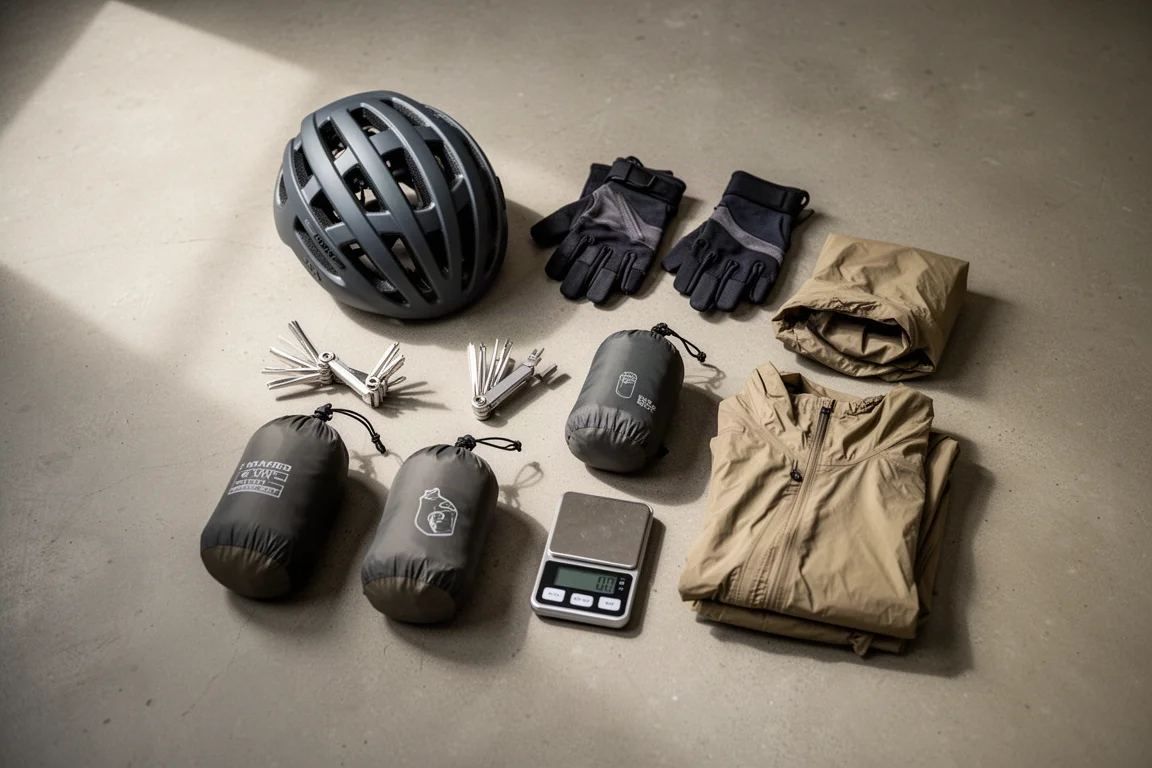
Weight and packed volume are the easy numbers to compare, but field serviceability and stability deserve equal weight. A front bag that never shifts, a filter you can clean without tools, and a power bank that starts charging the moment you plug it in are worth more on a long route than a spec sheet advantage. Buy for the conditions you will actually meet, and be honest about how much sleep and how much comfort you are willing to trade for a lighter load.
Conclusion
Choosing gear for a long route is really an exercise in matching tools to conditions. A field-cleanable filter for silty water, compact power banks that rotate through a dynamo setup, a waterproof front bag that carries the sleep system, and a partial down bag that leans on a jacket you already pack all point in the same direction: fewer items, more capability from each one.
The rest comes down to fit and routine. A rain shell cut for the bike, a single pouch for camp chores, and a two-part supplement system are small decisions individually, but together they reduce friction on the days when the miles are long and the weather is not cooperating. That is the standard worth holding new gear to.
Further reading
Related Reviews
Outdoor Gear
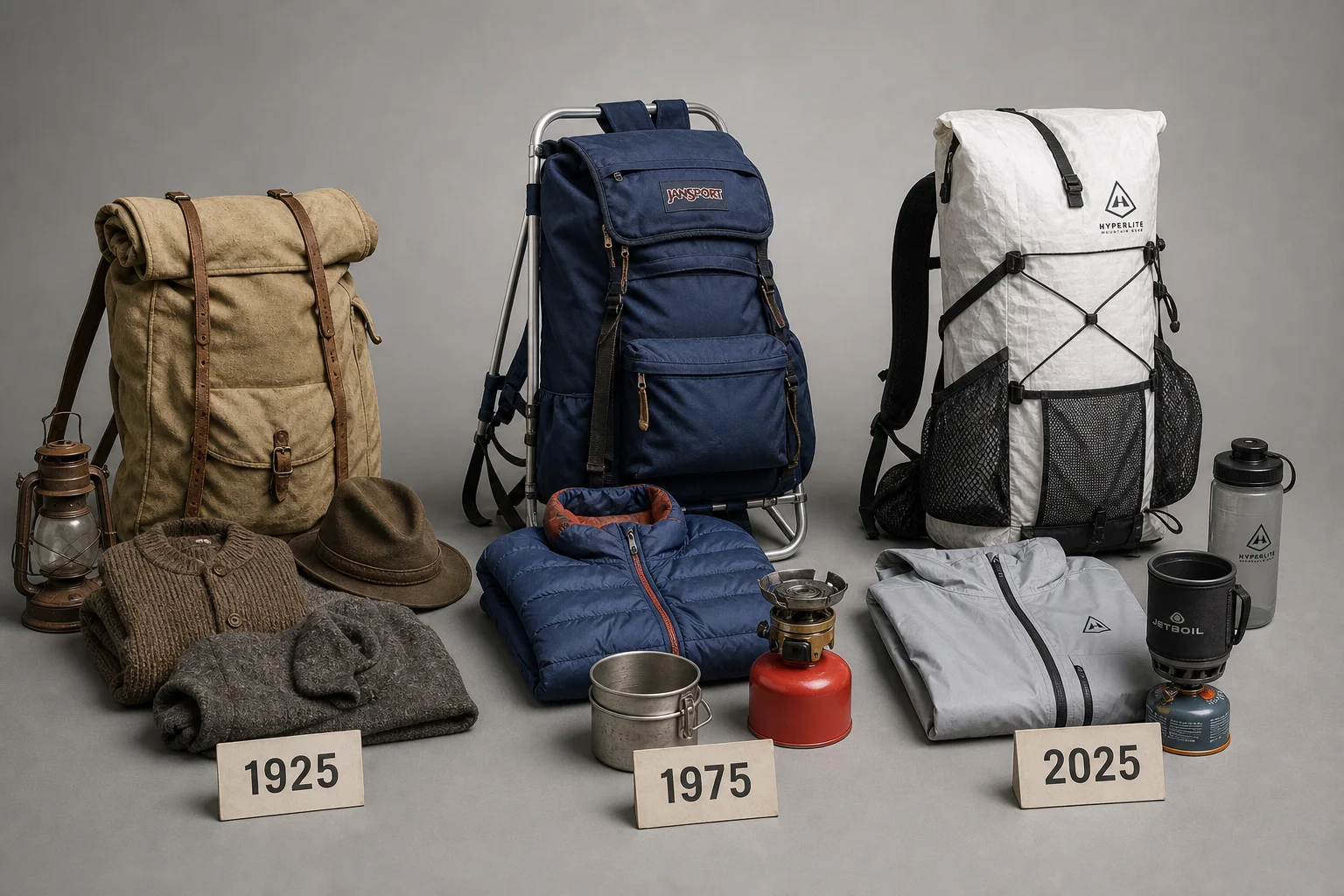
Backpacking Gear Evolution: 100 Years of Technology Compared
We tested backpacking gear from 1925, 1975, and 2025 across a three-day hike in Yosemite. Here's how technology has transformed comfort, weight, and the outdoor experience.
Outdoor Gear
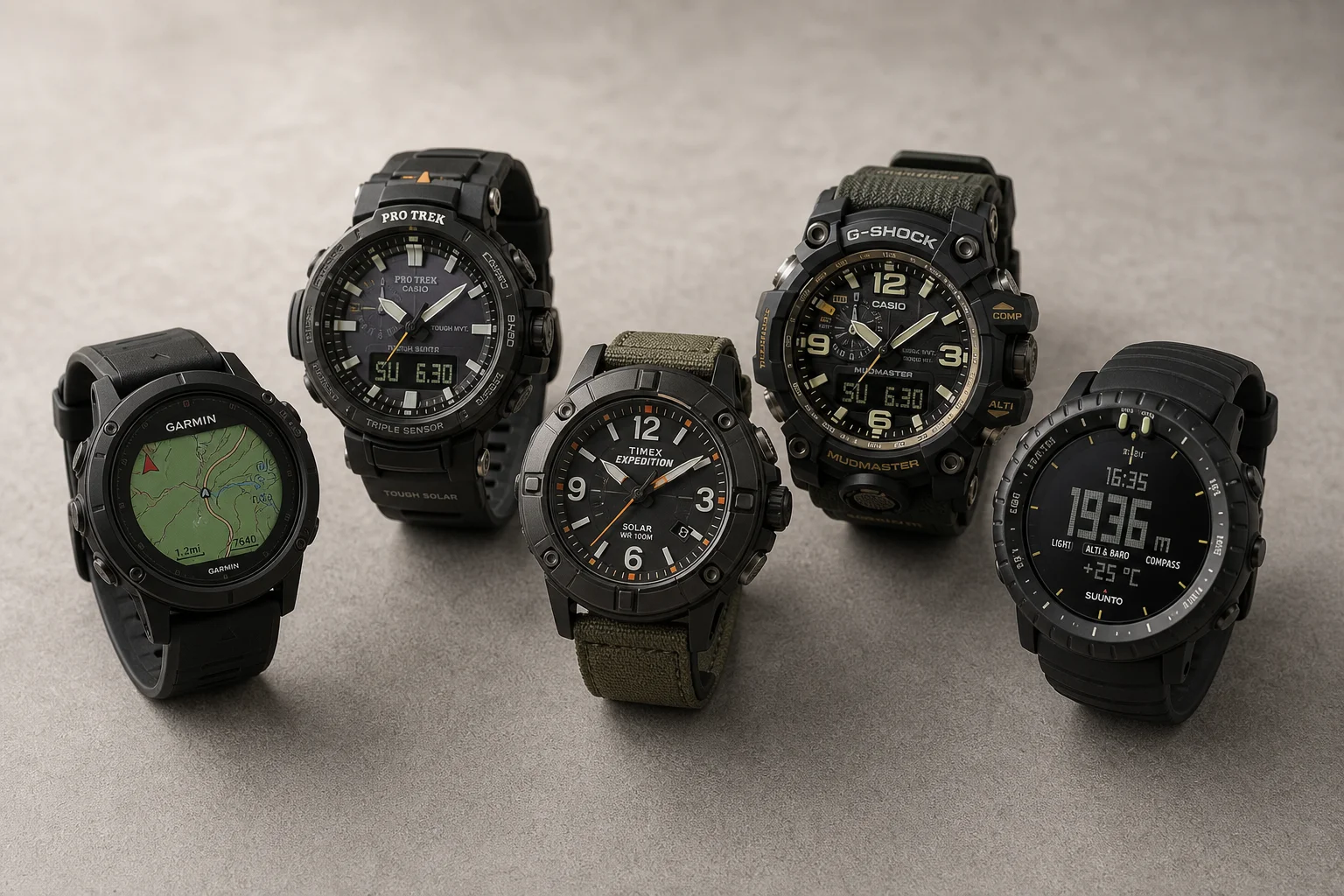
Best Affordable Hiking Watches: Five Rugged Options for Outdoor Adventures
Five durable hiking watches that balance ruggedness, functionality, and value for outdoor enthusiasts who need reliable GPS tracking and weather resistance.
Outdoor Gear
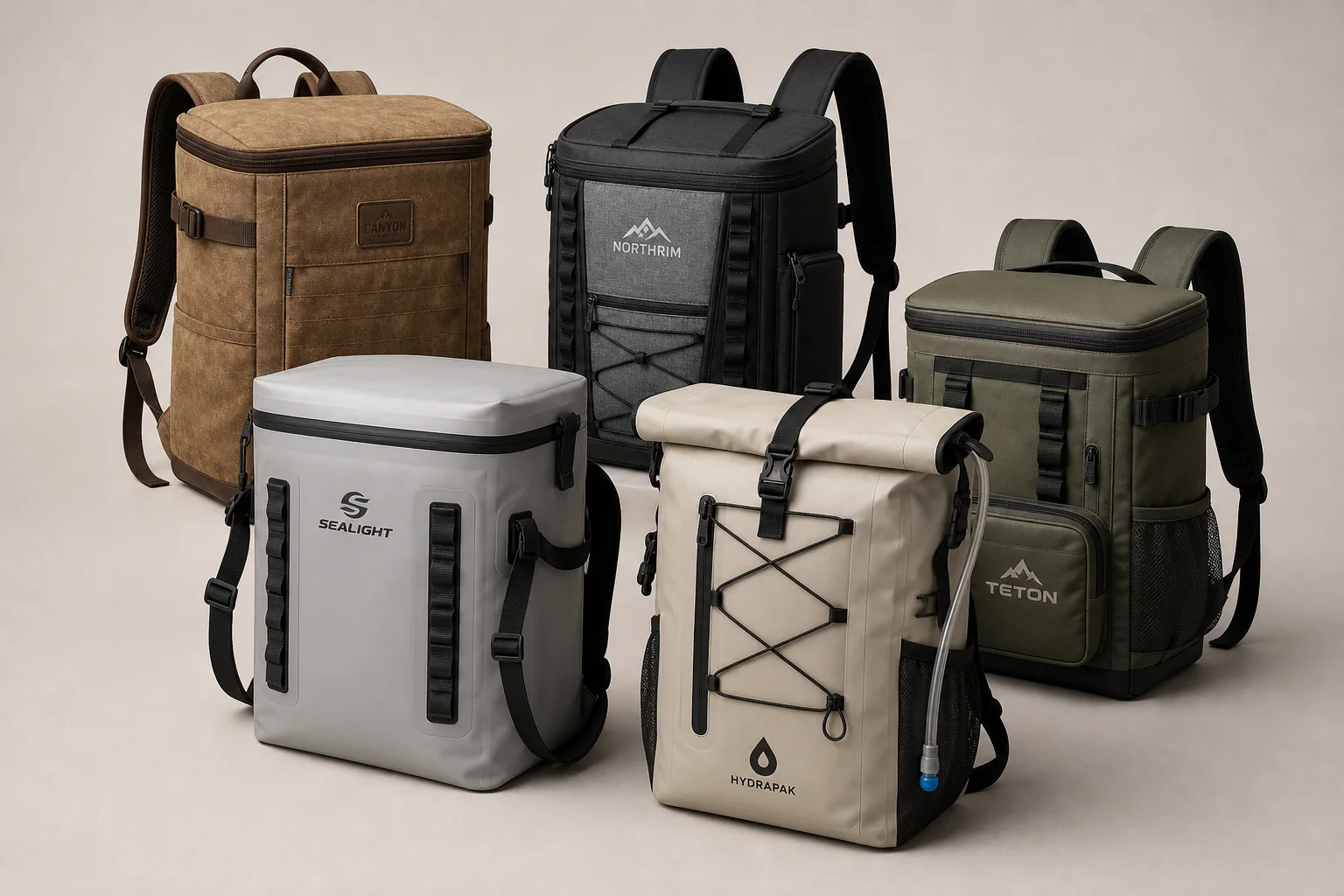
Best Backpack Coolers 2026: Five Practical Options for Outdoor Adventures
Five backpack coolers with distinct cooling capabilities, storage features, and design trade-offs to help you choose the right one for your outdoor needs.