Coffee Equipment
Nespresso Pod Technology Explained: Why Independent Capsules Struggle
A deep dive into the engineering behind Nespresso capsules, from gasket design to grind precision, and what it means for reusable alternatives.
Introduction
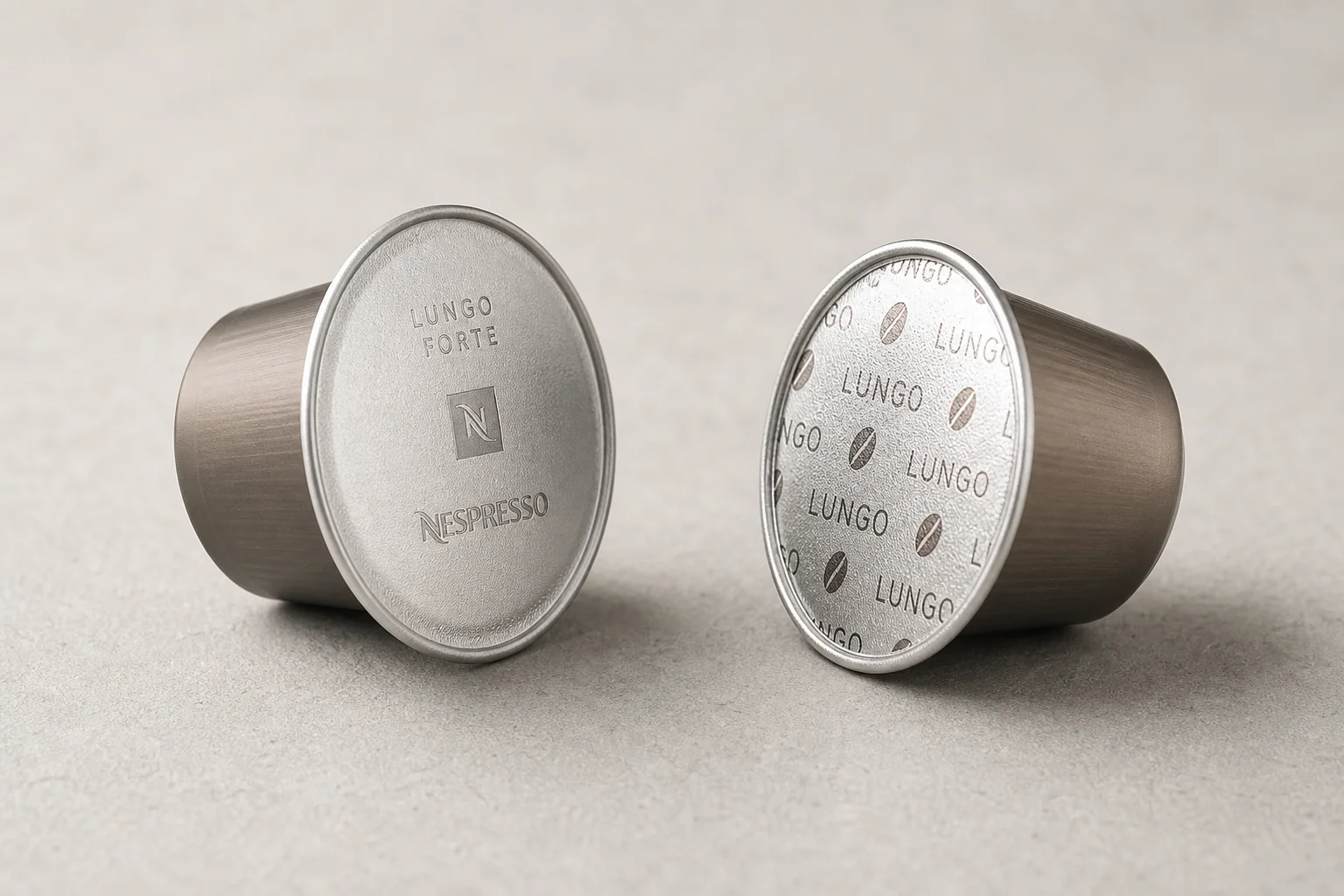
Nespresso built a multi-billion dollar business by turning espresso into something convenient and fast. The capsule system was a genuine innovation: within 30 seconds of wanting a coffee, you could have one in your cup. But when Nespresso lost a patent case in 2014, the playing field should have levelled. Independent roasters could now fill compatible capsules with higher-quality coffee. Yet it didn’t work out that way. The reason lies in engineering details that most people never notice, and understanding them reveals why Nespresso’s dominance persists despite better coffee being available elsewhere.
How the Machine Works
The Magimix Nespresso Inissia represents the classic design: simple, cheap to manufacture, and ubiquitous. You fill the water tank, load a capsule, press a button, and 30 seconds later you have espresso. The machine’s core technology is remarkably straightforward. Water is drawn through a flow meter, pushed by a vibration pump (the noisy component), heated by a small boiler, and forced into the capsule at pressure.
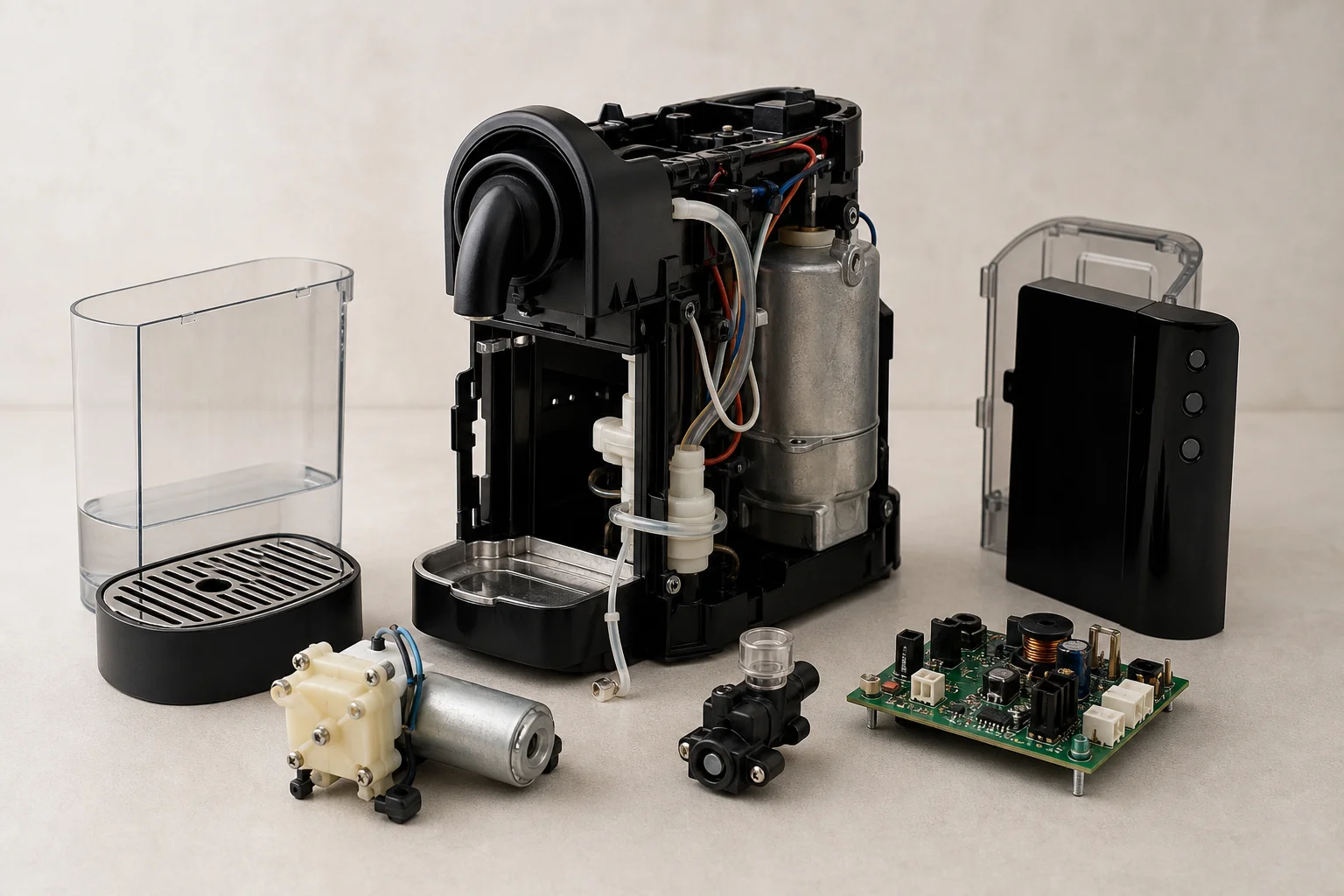
The real win for Nespresso as an experience is that the boiler heats very quickly. Temperature precision matters far less than people think. With darker roasts, brewing at 80, 85, or 90 degrees Celsius produces surprisingly consistent results. The user benefit is immediate: from cold start to espresso in your cup takes less than a minute.
The Capsule Design Advantage
At first glance, Nespresso and independent capsules look identical: aluminum bodies, foil tops, similar shapes. But look underneath, and there is one small difference. Nespresso capsules have a silicon gasket around the rim. Independent capsules do not. This gasket is still patented, and it matters more than you might expect.
When you load a capsule and push it into the machine, three small holes in the back get pierced. Water is pumped in through these holes. For a good seal, the capsule must fit snugly against the brewing chamber. The problem is that the surface the capsule sits against is not smooth. It has tiny ridges, almost like teeth. This design choice creates a significant advantage for Nespresso capsules with their gasket, because independent capsules without one tend to leak around the edges. A leaky pod is not a good experience, and it discourages buyers from trying independent brands again.
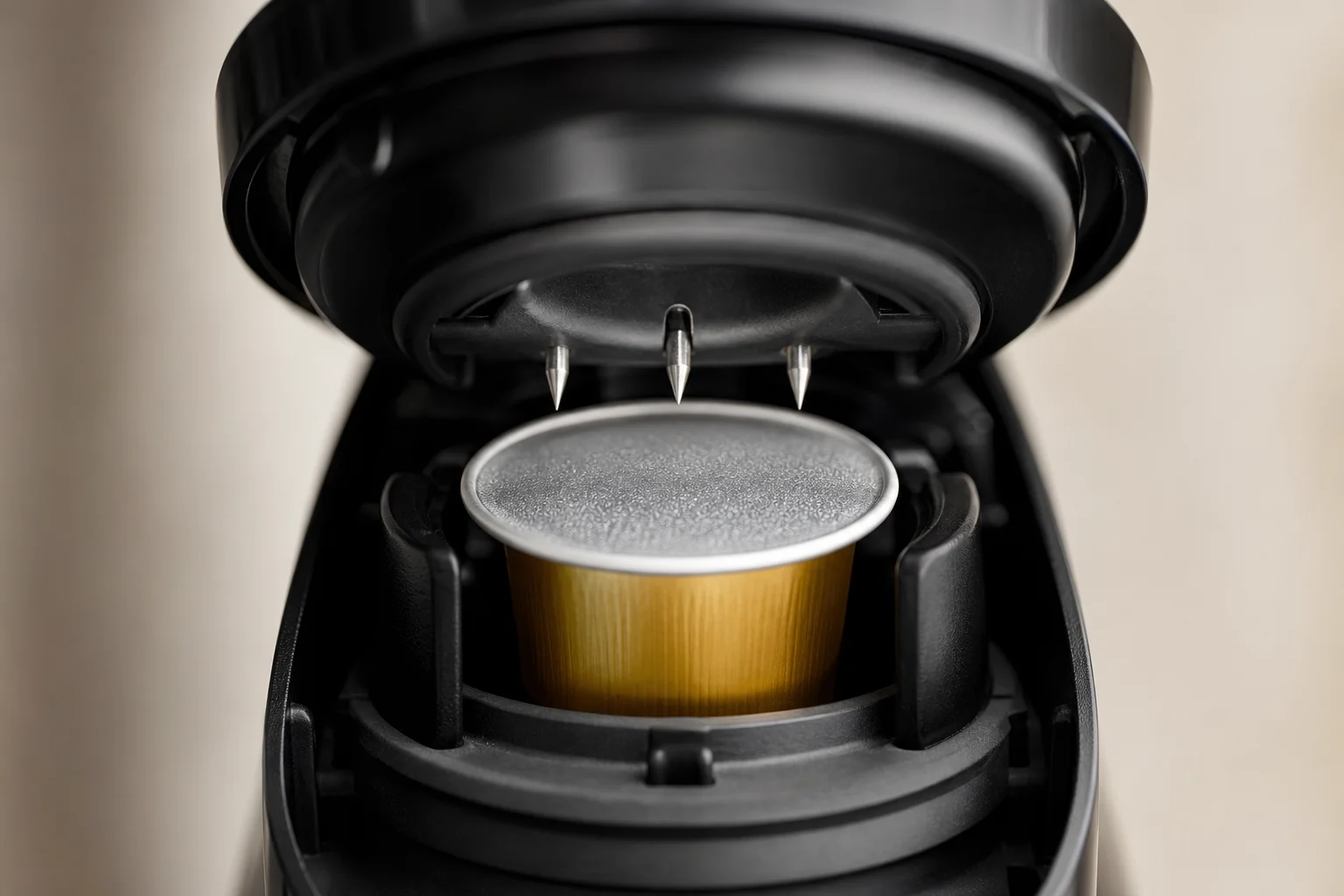
Some independent manufacturers responded cleverly by designing their own machines with a silicon gasket built into the chamber itself, eliminating the seal problem. These machines are slower to heat but offer better precision and solve a problem most people did not know existed.
Grind Size and Brewing Speed
Inside each capsule is coffee, and here is where Nespresso’s advantage becomes even more striking. When you compare a standard Nespresso pod to an independent specialty capsule, you might assume the Nespresso is ground coarser because it brews faster. You would be completely wrong.
Using a particle size analyzer, the Nespresso capsule is ground notably finer, by an average of 100 to 200 microns. The specialty capsule is actually coarser. This seems backwards: finer grounds should brew slower, not faster. Yet the Nespresso brews in seconds while the independent takes much longer.
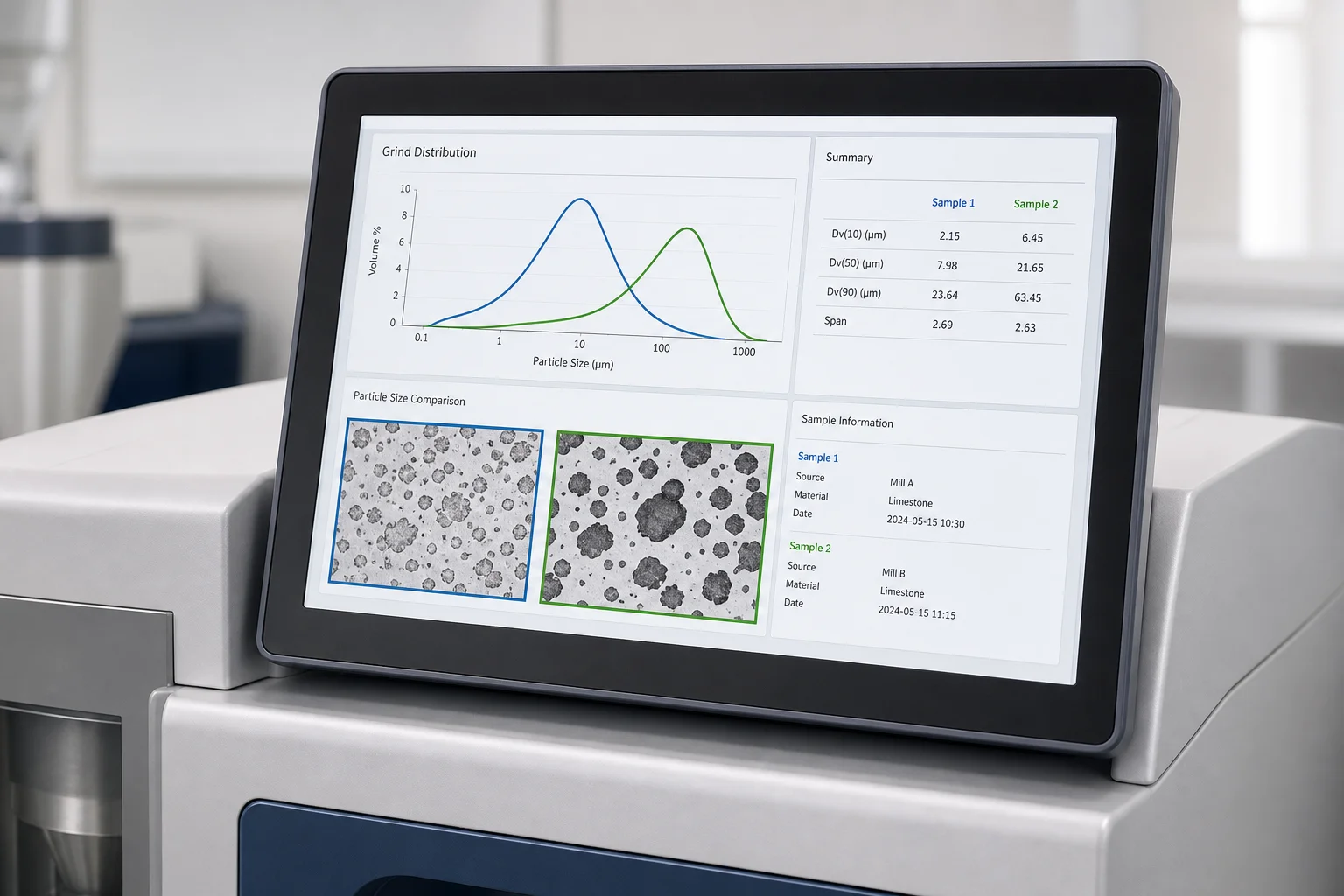
The explanation lies in Nespresso’s grinding technology. They use roller mill grinders that produce a specific particle shape and distribution that independent roasters cannot replicate. The Nespresso grind has fewer ultra-fine particles (under 30 microns) than you might expect from looking at the overall fineness. This distribution, combined with a small piece of filter paper inside the capsule that buffers and spreads the incoming water jets, allows them to brew finer coffee faster than should be possible.
Nespresso even released a light roast specialty capsule at a premium price. When analyzed on an Agtron roast color scale, it was nearly identical to specialty roaster standards. Yet they still ground it much finer and brewed it faster. Their grinding technology is simply superior to what independent roasters can achieve in a capsule format.
Flavor and Quality
In blind taste tests, independent specialty capsules consistently outperform standard Nespresso pods. They have more flavor complexity, sweetness, and texture. The raw material quality is noticeably higher. Nespresso’s premium specialty capsule sits somewhere in between: better than their standard offerings but not as good as the best independent options. On flavor, independent roasters are comfortably winning. On technology, they are not even close.
Reusable Capsule Options
For those wanting to reduce waste, reusable Nespresso-compatible capsules offer an alternative. There are three main types: metal capsules with foil lids, cheap plastic capsules with mesh covers, and metal capsules with metal lids and a tamper.
The foil-lid metal capsules come closest to mimicking Nespresso’s design. When sealed with foil, they create a pre-infusion moment as pressure builds before the foil breaks and coffee flows. This is an advantage over capsules without sealed ends. The downside is that the foil is consumable, not reusable, so you are still generating waste.
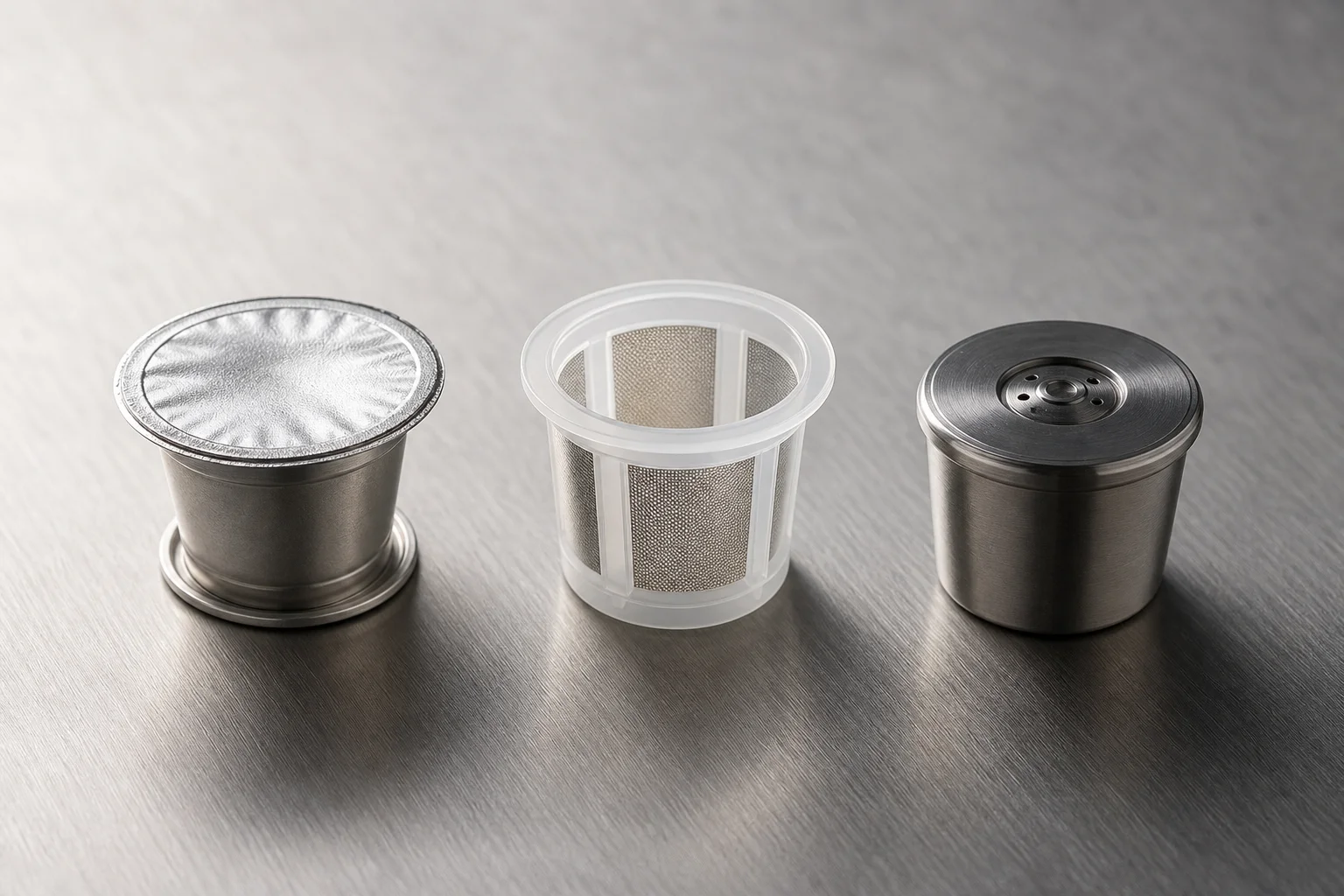
The plastic mesh option is the cheapest but produces noticeably under-extracted, channeled coffee. It works better with very dark roasts but struggles with specialty beans. The metal capsule with tamper is better than plastic but still does not match the foil-sealed version. None of these options have the internal filter paper that Nespresso uses to distribute water evenly, which is a significant disadvantage.
The real challenge with reusable capsules is that they require a grinder capable of matching Nespresso’s particle size precision. Most home grinders, even good ones, cannot achieve this consistency. Without that precision, reusable capsules will produce weaker, less balanced results than either Nespresso or quality independent pods.
What This Means for Coffee Drinkers
Nespresso’s technological advantages are real and substantial. Their grinding capability, capsule design, and internal engineering create a system that is genuinely difficult to compete with in the capsule format. Independent roasters can offer better coffee, but the system itself works against them.
For those committed to the capsule format, independent specialty pods offer better flavor than standard Nespresso, even if the brewing experience is slightly less polished. For those open to alternatives, other brewing methods like pour-over or immersion brewing offer excellent results without the complexity of matching Nespresso’s engineering. The key is supporting local roasters and choosing brewing methods that let quality coffee shine through.
Conclusion
The Nespresso capsule system is a masterclass in engineering constraint. Every detail, from the gasket to the grind profile to the internal filter paper, serves a purpose. Understanding this explains why independent capsules struggle despite offering better coffee. It also shows that the capsule format itself may not be the best way to enjoy specialty coffee, regardless of who fills it. The real opportunity lies in simpler brewing methods that let roasters focus on coffee quality rather than fighting against patented mechanical advantages.
Product link
View more details for Magimix Nespresso Inissia
This product is mentioned in the review. Check the specifications, options, and compatibility before buying.
View more details for Magimix Nespresso InissiaFurther reading
Related Reviews
Coffee Equipment
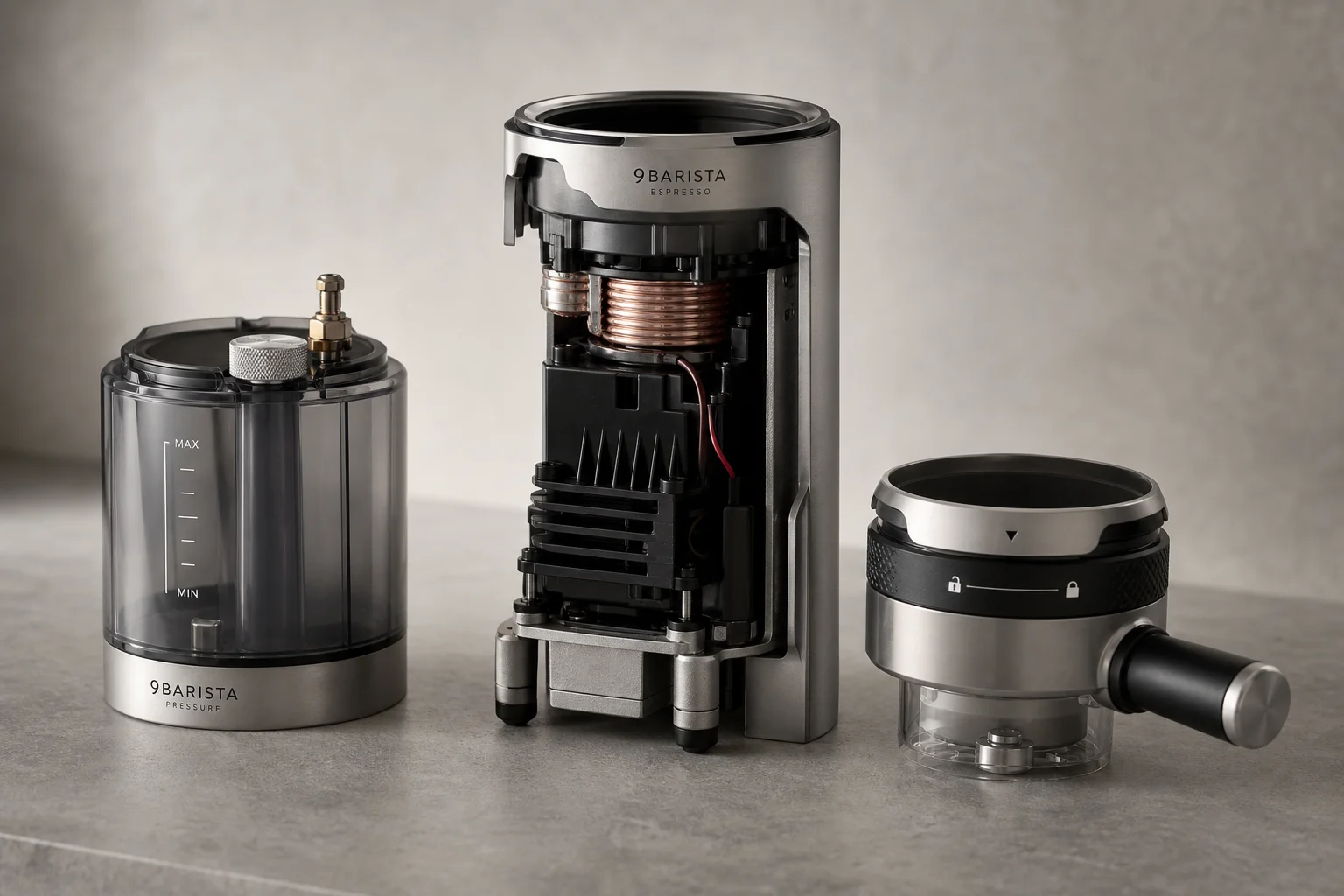
9Barista Espresso Machine Review: Stovetop Espresso for Single-Cup Enthusiasts
A cleverly engineered stovetop espresso maker that generates nine bars of pressure without electricity. Excellent coffee quality, but requires patience and suits solo drinkers only.
Coffee Equipment
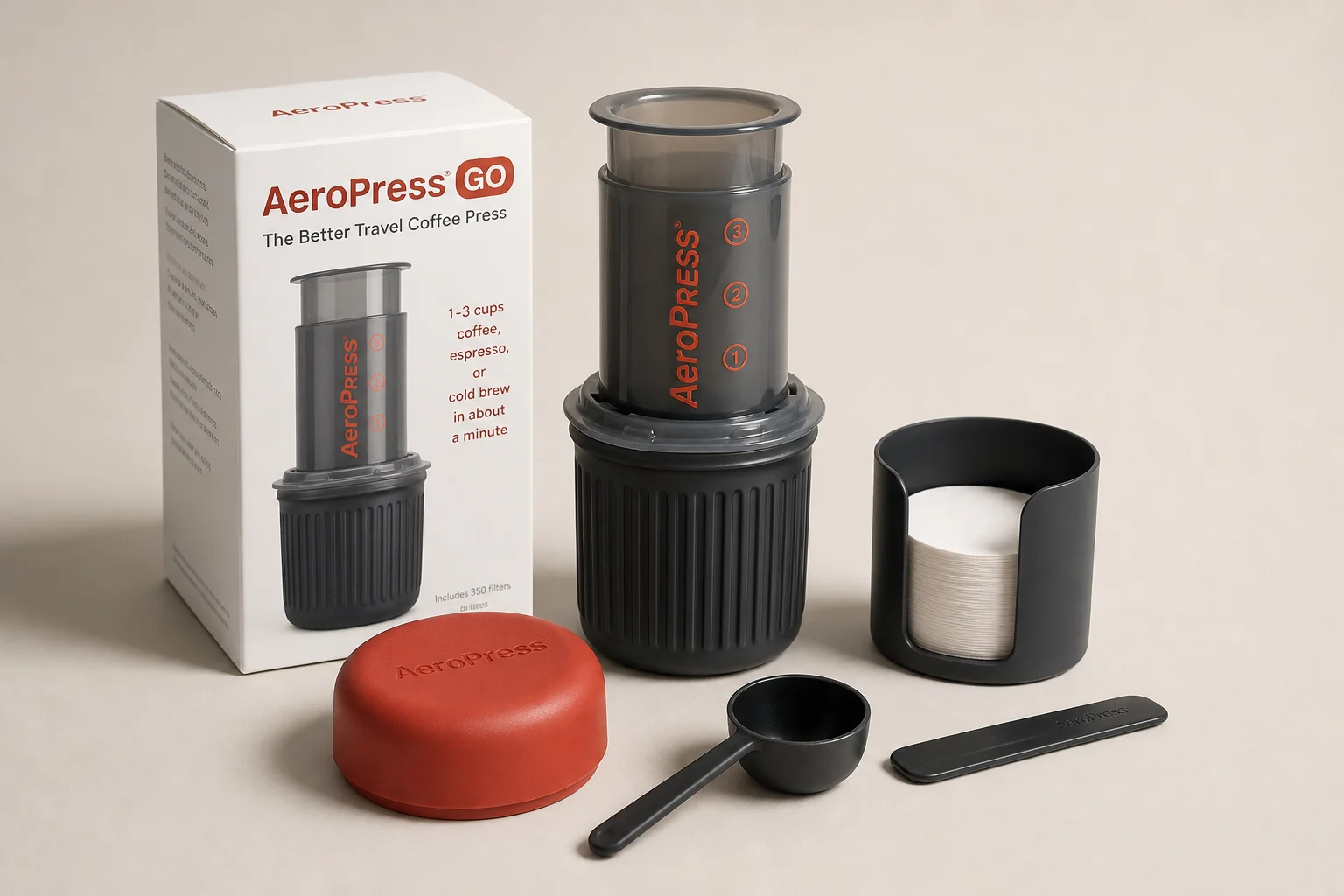
Aeropress Go Review: A Compact Travel Brewer That Solves One Specific Problem
The Aeropress Go shrinks the original design and adds an integrated cup, but it may not address the travel challenges most coffee enthusiasts actually face.
Coffee Equipment
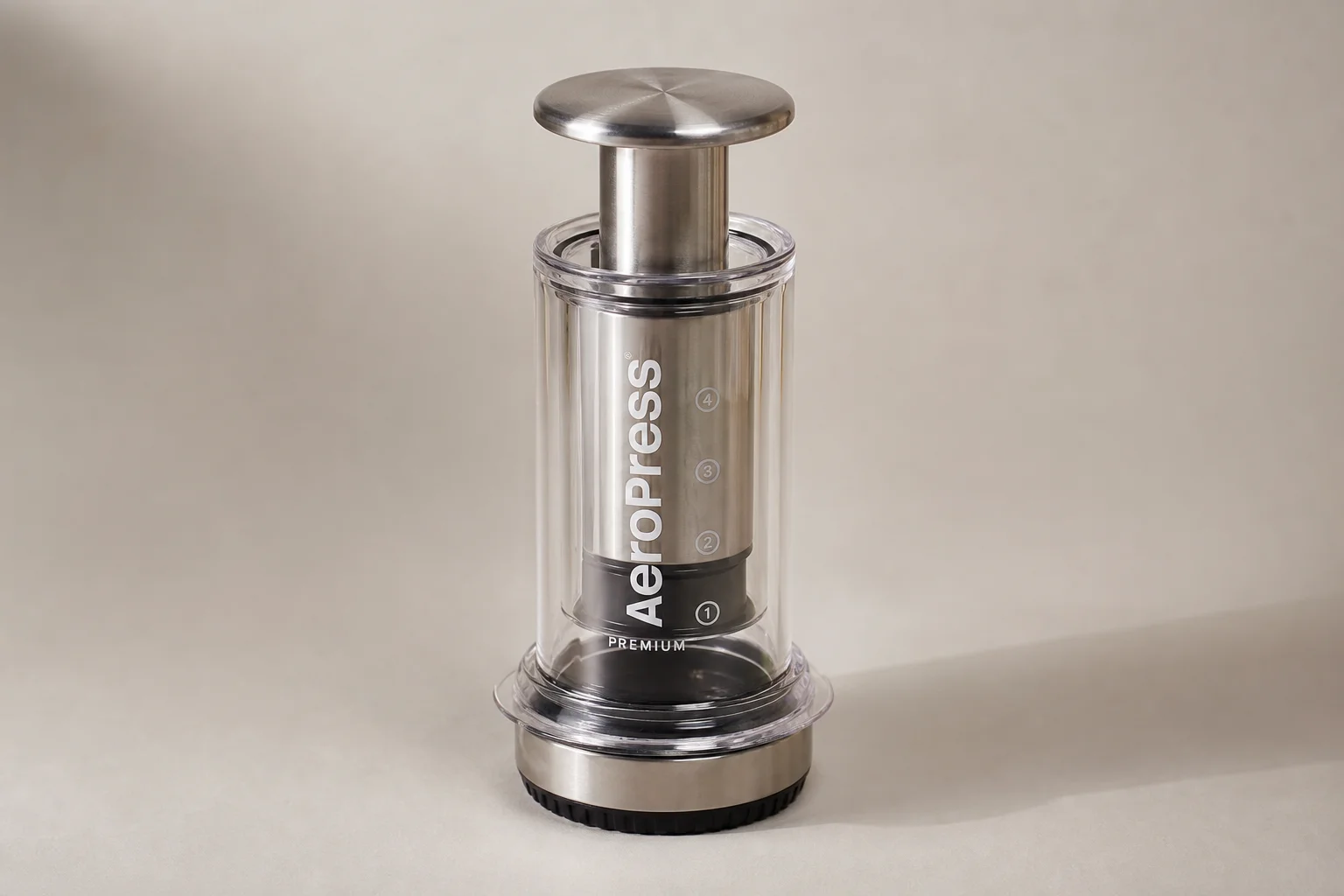
AeroPress Premium Review: Premium Materials, Practical Trade-offs
The AeroPress Premium brings glass and metal construction to a beloved brewer, but trades portability and durability for a more refined feel. Here's what changes in the cup and what matters before you buy.