Backpacking Tents
Nemo Hornet Osmo vs Nemo Dagger Osmo: Choosing the Right Backpacking Tent
A practical comparison of two lightweight Nemo backpacking tents, covering floor space, headroom, vestibules, fabric, and setup so you can match the tent to the trip.
Introduction
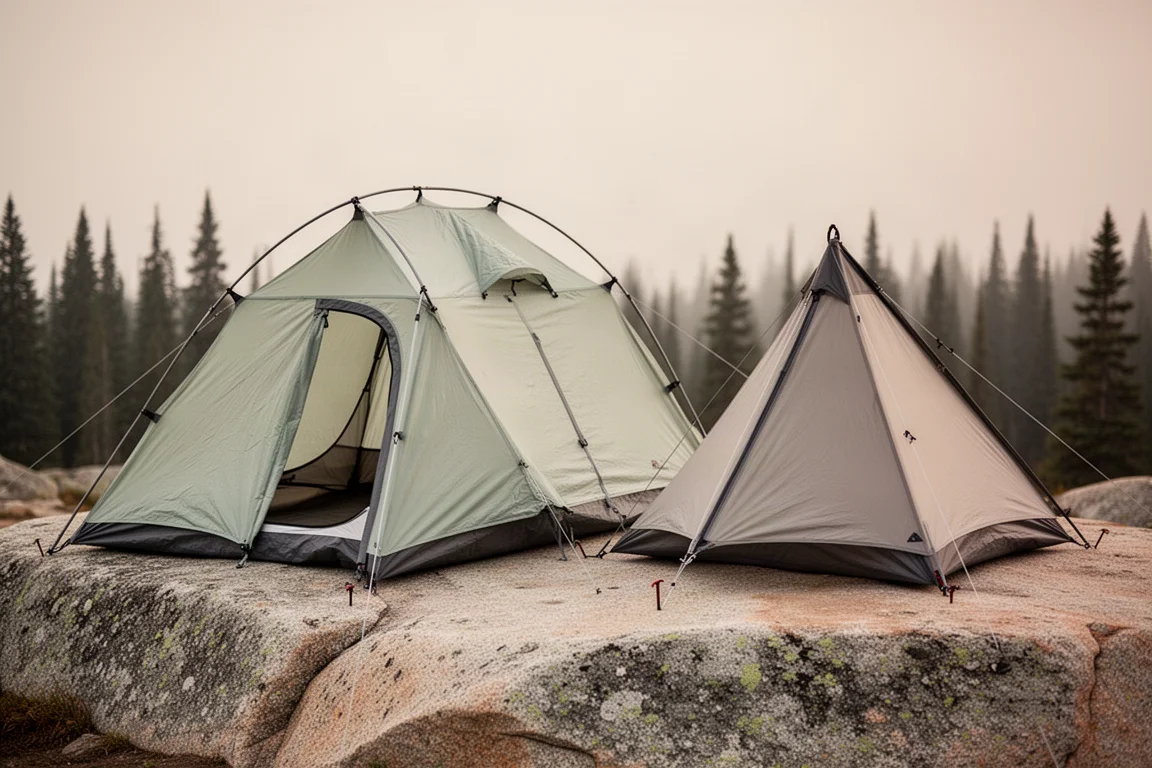
Two lightweight double-wall tents from Nemo sit at opposite ends of the same idea. The Dagger Osmo is the roomier option, built around comfort for two people. The Hornet Osmo trims weight and interior volume for backpackers who cover long distances. Both use Osmo fabric and both are pitched as two-person shelters, yet the experience inside them is very different.
This comparison covers the details that actually change a trip: floor dimensions, headroom, vestibule space, setup, and the kind of backpacker each tent suits.
What Sets These Two Tents Apart
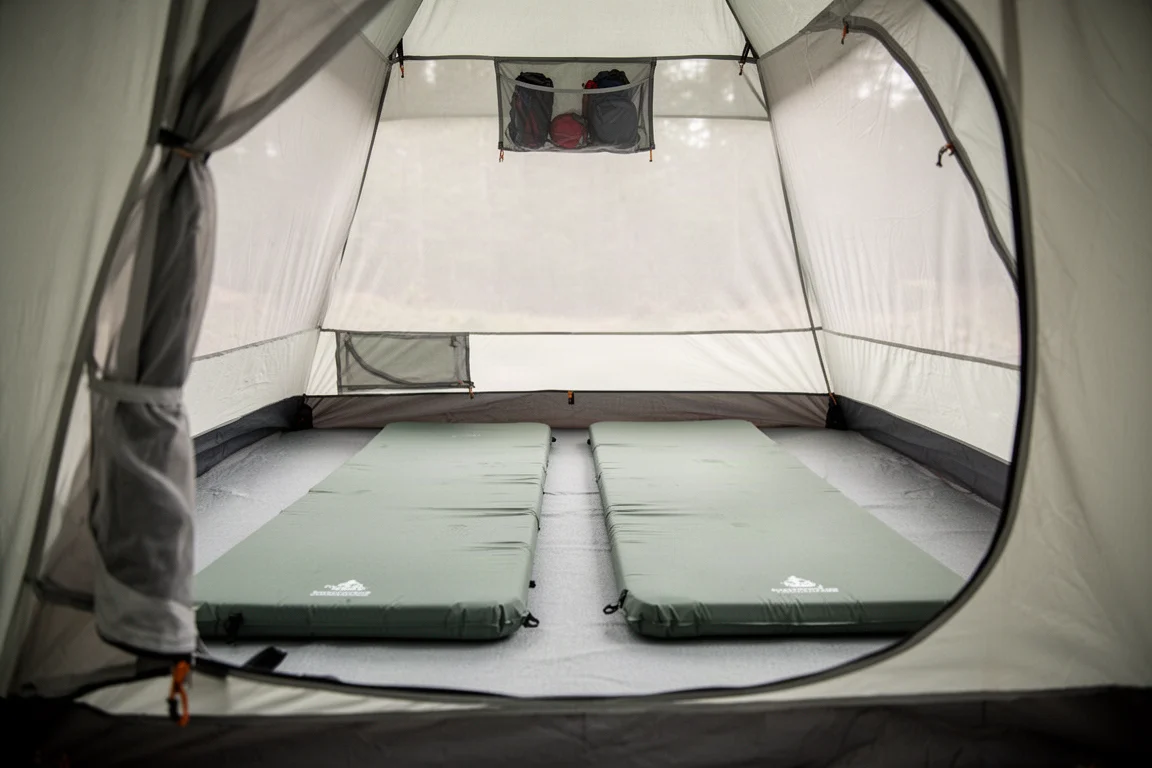
The clearest difference is interior volume. The Dagger Osmo is noticeably bigger and far more spacious, with a rectangular 50-inch floor that takes two 25-inch wide sleeping pads without tapering at the head or the foot. Around a 72-inch long pad there is roughly a foot of extra room at each end.
The Hornet Osmo takes the opposite approach. Its floor is decent but average in size and not square, tapering to roughly 42 inches at the foot and around 48 to 50 inches at the head. Two people can sleep inside, but sitting up together is not realistic. The reward is weight: the Hornet Osmo comes in at just over two pounds, around two pounds five ounces all in.
Both tents share Osmo fabric, which is described as stronger and more stretch resistant than standard nylon, and notably less prone to sagging once it gets wet.
Nemo Dagger Osmo: A Roomy Two-Person Shelter
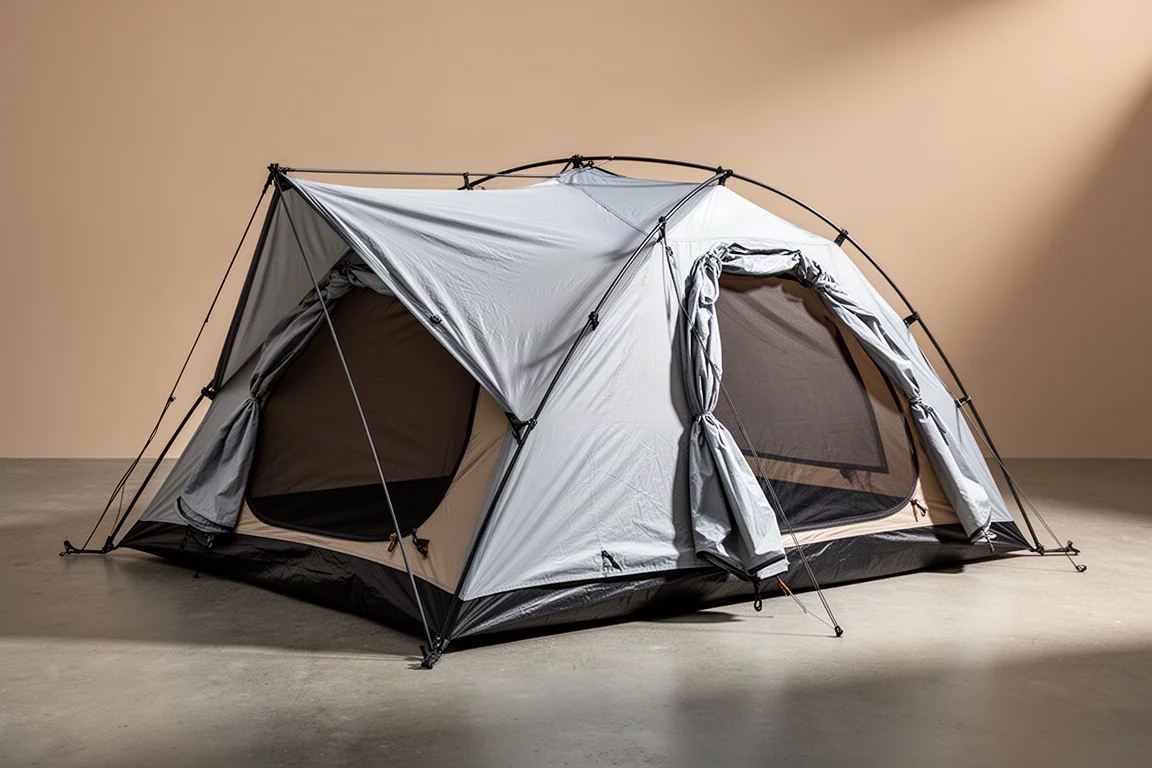
The Dagger Osmo is fully freestanding and pitches from a single connected pole set, so there are no separate pole assemblies to juggle while you build the shelter. The brow pole is large, and its wings create a substantial amount of living space. The result is a tent with enough headroom for two people to sit up comfortably, closer to a small room than a minimal bivy.
Vestibule Space and Door Design
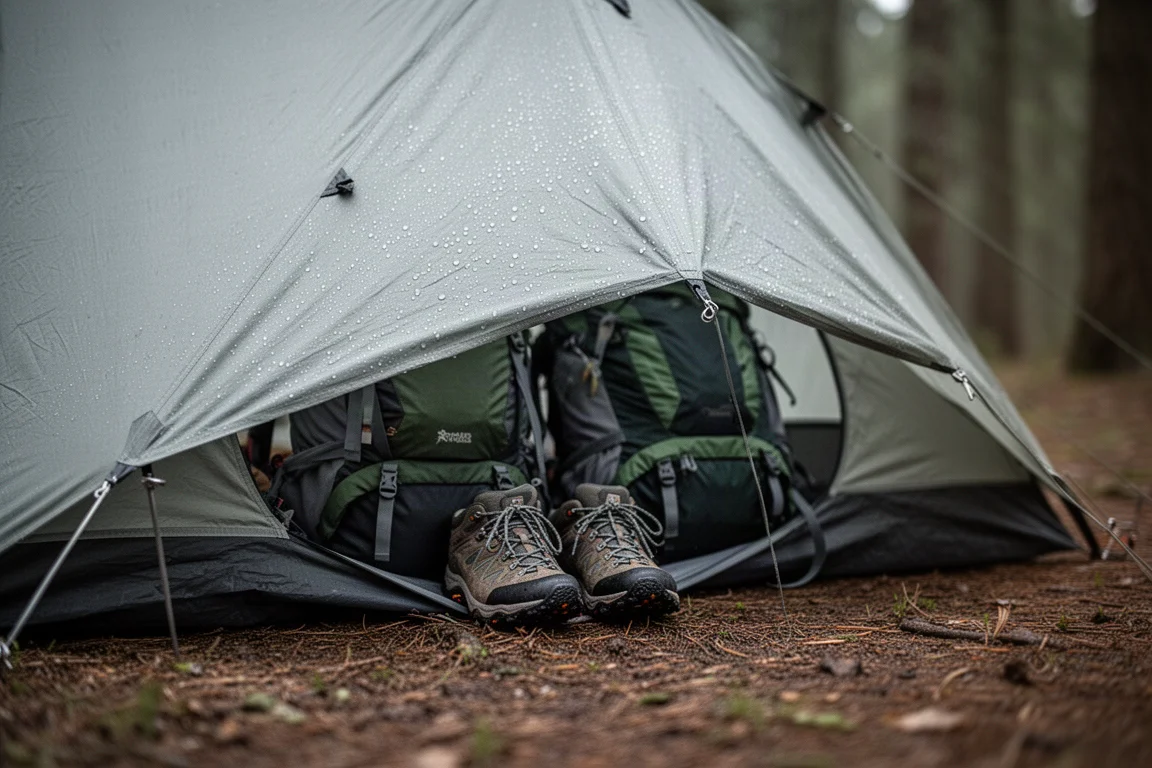
The doorways are a defining feature. Each side is supported by two stakes, which gives the structure a double-supported action and creates a protected vestibule on both sides. When you open a door, gear stays covered and almost none of the tent interior is exposed to rain. Setup is designed around eight stakes in total.
Storage is straightforward: a hang point at the center of the ceiling, double light ports that hold headlamps and cast a soft glow, and enough pockets to keep small items off the floor. The rain fly can also be left off entirely, and the resulting visibility makes stargazing a genuine highlight of the design.
Nemo Hornet Osmo: Built for Long Miles
The Hornet Osmo is aimed at the long-distance traveler, the thru-hiker, or the solo camper putting in big mileage who wants a lighter pack above all else. It is a semi-freestanding design: it stands on its own, but two stakes at the foot are needed to open the tent up to its full width. In a pinch, a trekking pole can be rigged between the foot points to spread the shelter out when staking is not possible.
Headroom and Interior Layout
Headroom is where the Hornet Osmo gives the most away. A small plastic brow pole opens the top slightly rather than creating a real structural arch, so the interior feels tighter than the Dagger Osmo’s. A short string attached to the door pulls it open to gain a little extra interior room, and when the tent is pitched properly the door can be opened one-handed. A door that resists one-handed operation is usually a sign that the pitch needs adjusting.
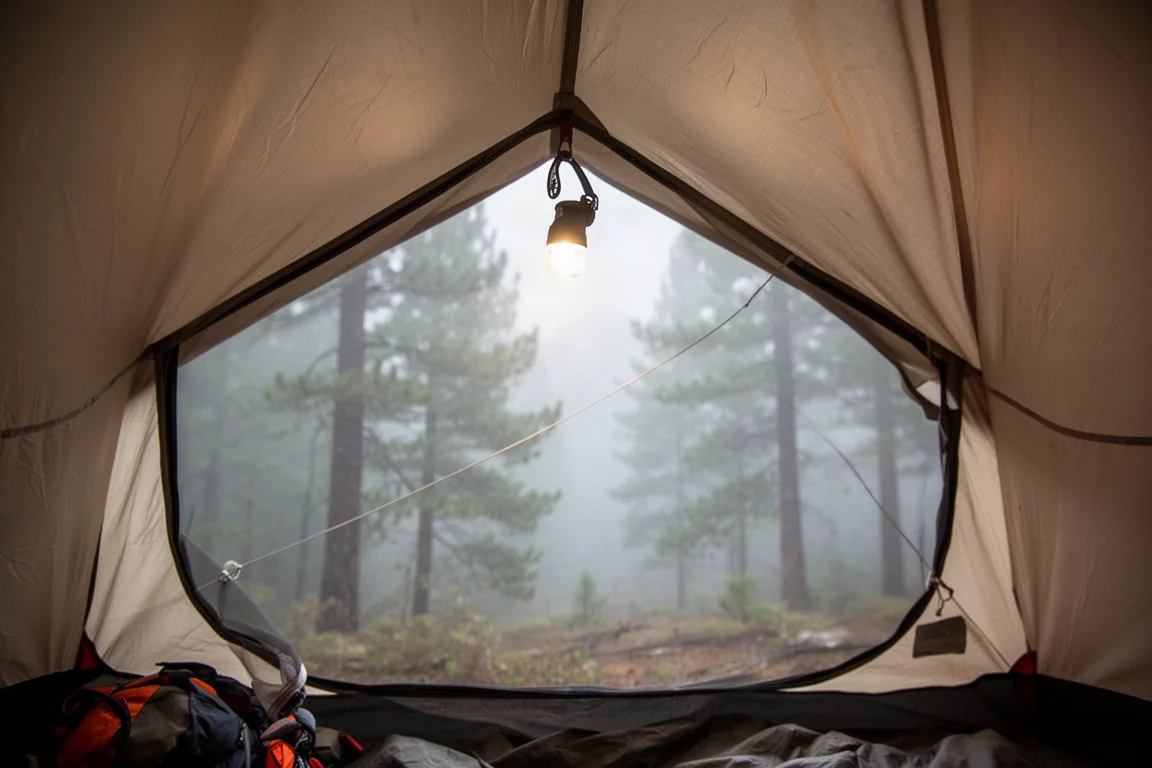
Storage is simpler than on the Dagger Osmo: a gear pocket up top, a headlamp pocket, and hanging points for a light. A single pole runs down the middle of the tent, and the one-person version of this design uses a single door and a single vestibule.
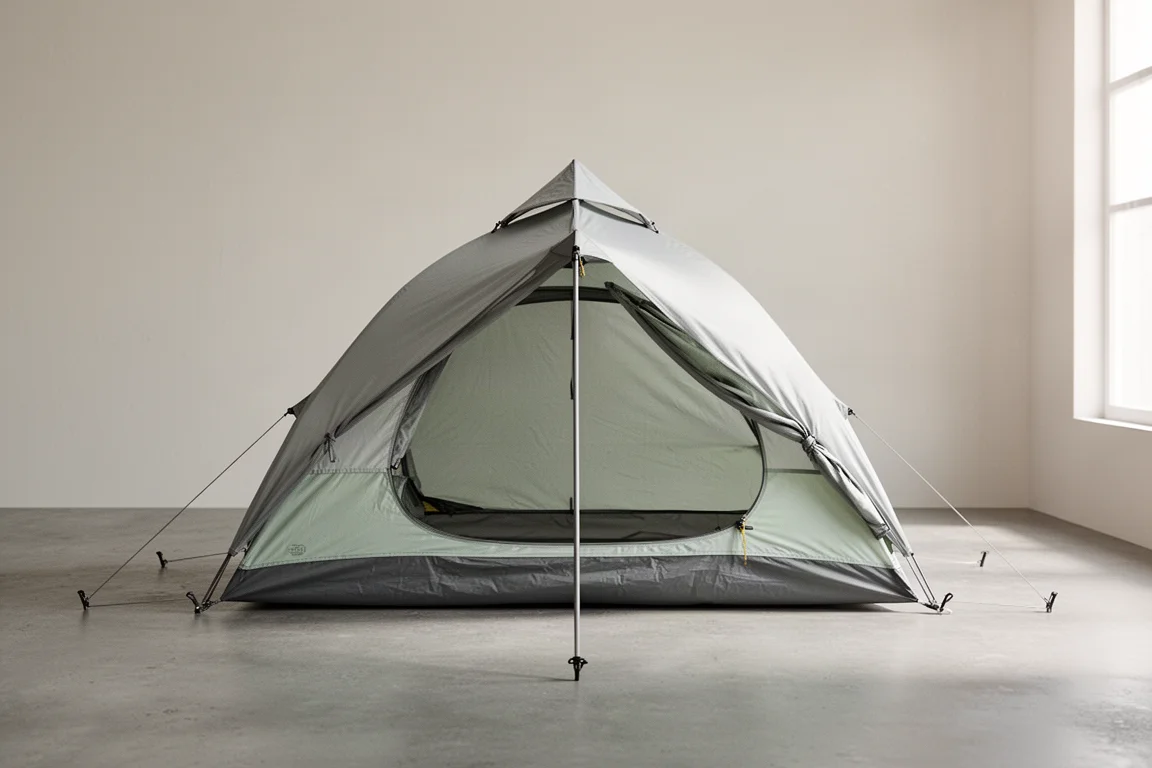
Semi-Freestanding vs Freestanding Setup
The setup difference matters more than it first sounds. A freestanding tent like the Dagger Osmo holds its shape while you move it around camp and is easier to reposition before you commit to stakes. A semi-freestanding tent like the Hornet Osmo needs its foot staked to reach full width, which can be awkward on rock or hard ground, though the trekking pole workaround covers most of those situations.
Both tents use the same clip-based door closures, a small detail that makes daily use simpler than threading and unthreading fabric.
Which Tent Should You Buy?
Choose the Dagger Osmo if comfort and living space matter most. It suits two people who want to sit up, spread out, and keep gear protected in a large vestibule, and it works well for backpackers who value a comfortable shelter at the end of the day rather than the absolute lightest option on the shelf.
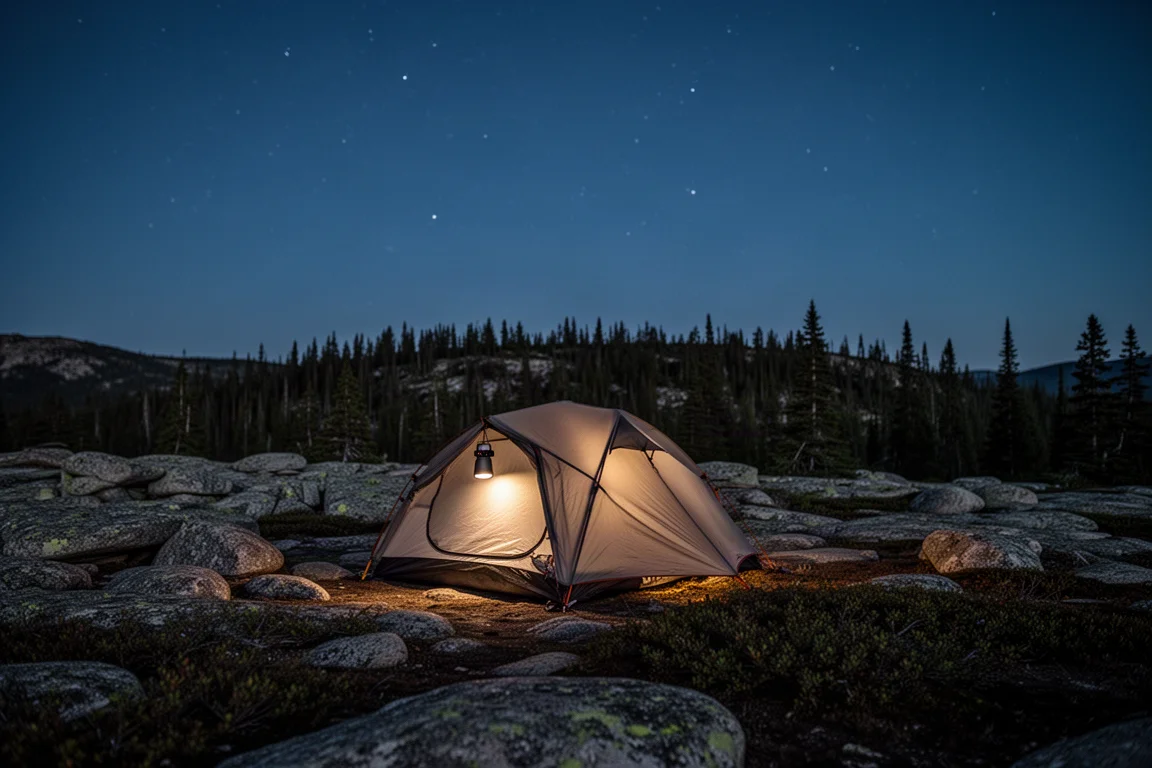
Choose the Hornet Osmo if you are covering long distances and counting grams. It is the lighter tent and the easier carry over big miles, and it remains a strong double-wall option for solo travelers or for two people who mainly need somewhere to sleep rather than somewhere to spend an evening.
Conclusion
Neither tent wins outright, because they are not really solving the same problem. The Dagger Osmo trades weight for space, headroom, and two genuinely protected vestibules. The Hornet Osmo trades interior room for a pack weight that stays comfortable over long days. Match the tent to how you actually camp, and either one will do its job well.
Further reading
Related Reviews
Backpacking Tents
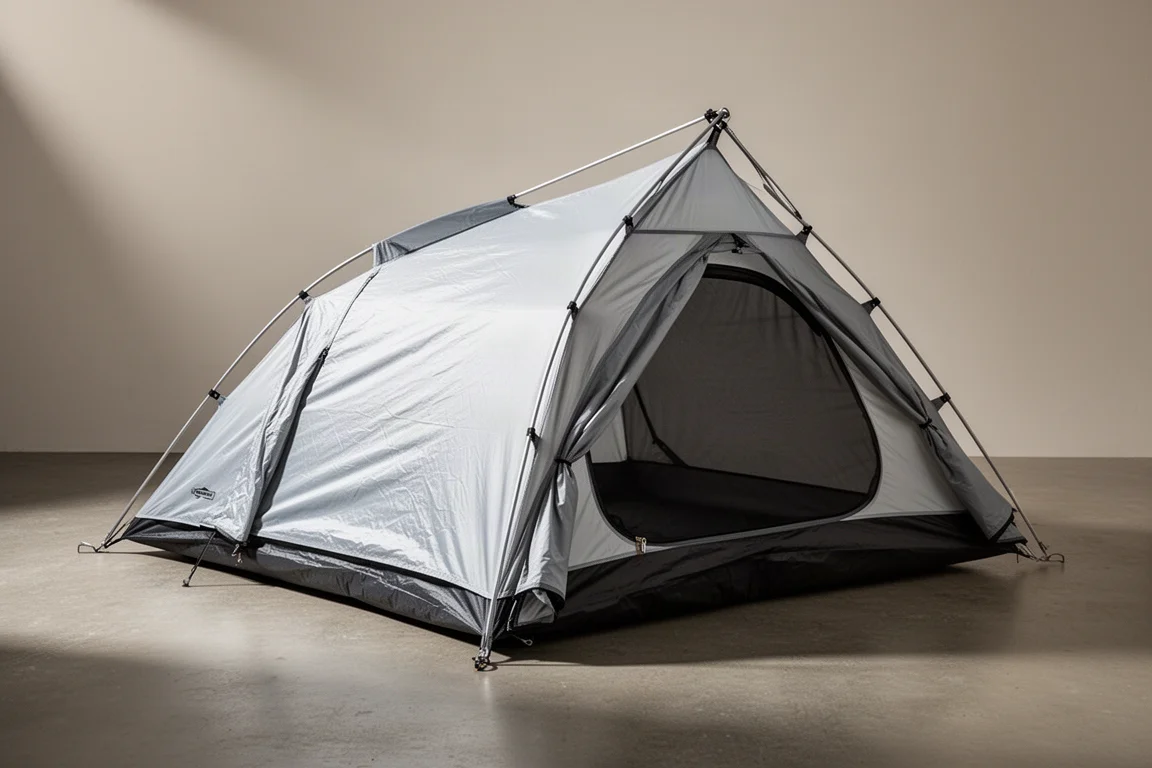
3F UL Lanchan Pro 1 Review: A 1 lb 8 oz Single-Wall Trekking Pole Tent
A practical look at the 3F UL Lanchan Pro 1, a single-wall trekking pole shelter with a 1 lb 8 oz weight, 20D silnylon fabrics, and a roomy 90 x 31 x 49 inch interior.
Backpacking Tents
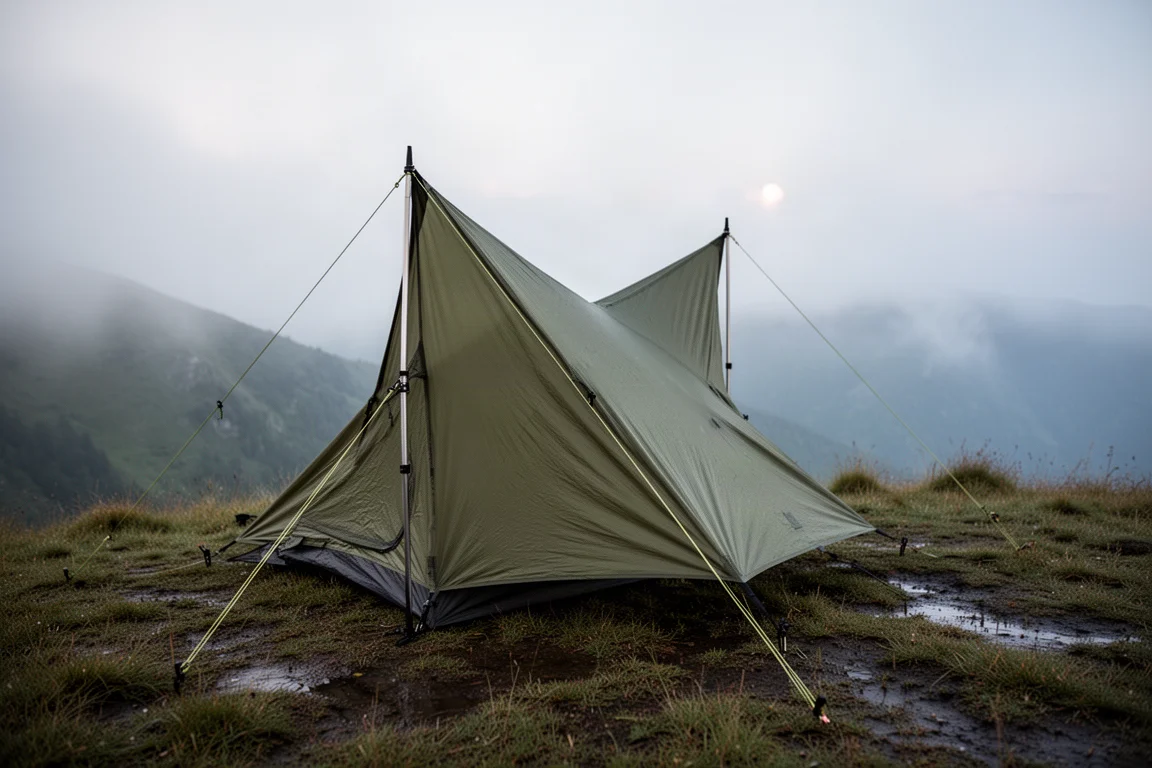
3F UL Taiji 2-Person Tent: A Convertible Backpacking Shelter Worth a Closer Look
A practical look at the 3F UL Taiji two-person tent, covering its materials, true two-person interior, fly-first pitching, and the seasonal inner swap that lets one shelter cover more of the year.
Backpacking Tents
3FUL Lanshan Twoerson Pro Review: A Light Trekking Pole Shelter That Struggled in Rain
A two-person trekking pole shelter with a 2026 redesign, pitched with sticks and put through a night of steady rain. Here is what worked, what did not, and what to check before buying.