Backpacking Tents
Nemo Hornet Elite Osmo 2-Person Tent Review: Is a Two-Pound Double-Wall Shelter Worth $600?
A two-pound double-wall backpacking tent with Osmo fabric, two doors, and a narrow interior. Here is who the Nemo Hornet Elite Osmo 2-Person suits and what $600 really buys.
Introduction
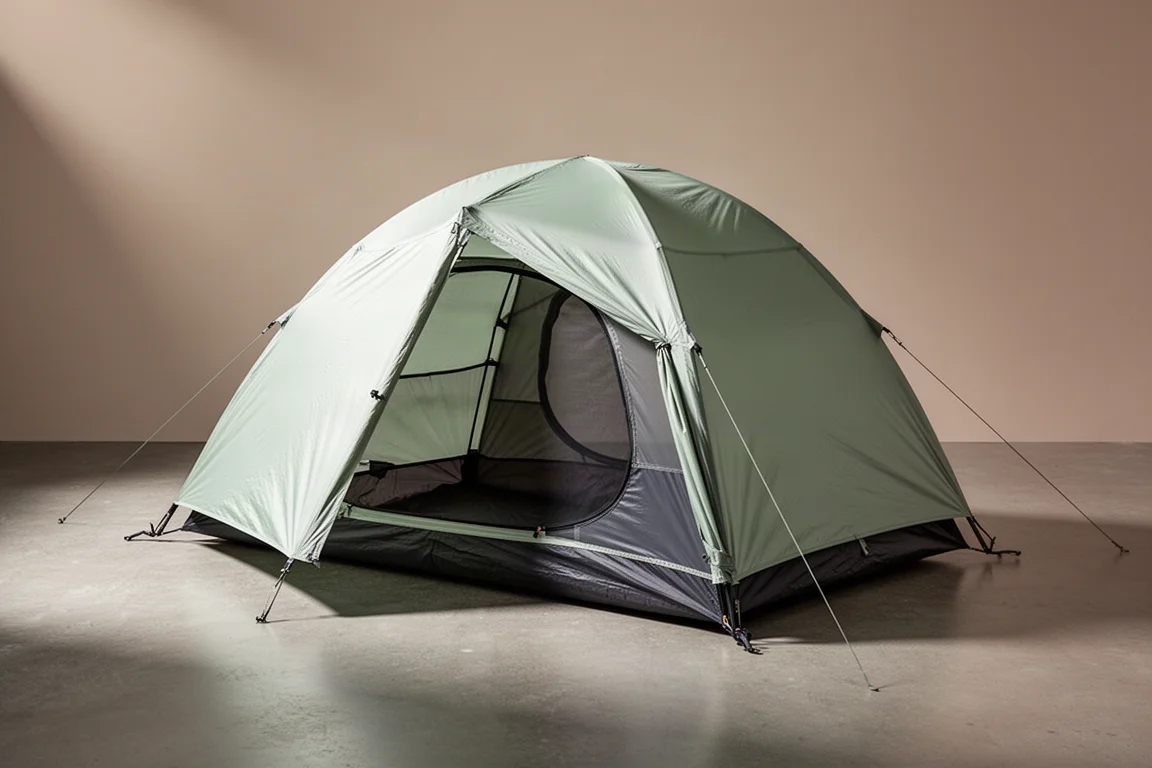
Ultralight backpacking tents usually ask you to give something up: interior space, weather protection, or the double-wall design that keeps condensation away from your sleeping bag. The Nemo Hornet Elite Osmo 2-Person is built around a different set of priorities. It is a true double-wall shelter that weighs about two pounds, uses Nemo’s Osmo fabric for the floor and fly, and sells for around $600. That combination places it near the top of the ultralight price bracket, so the real question is whether the weight savings justify the cost for the trips you actually take.
This review covers what the tent does well, where it makes compromises, and which backpackers will get the most value from it.
Who This Tent Is For
The Hornet Elite Osmo 2-Person is aimed at backpackers who count every gram and still want a separate rain fly rather than a single-wall shelter. Nemo’s own sizing gives a clear picture of the intended use: fitting two people comfortably requires two 20-inch mummy-shaped pads, and the body is shaped more like an A, with steep walls rising to a peak rather than a wide, boxy footprint. Shoulder room is limited, and two occupants will likely brush the sidewalls.
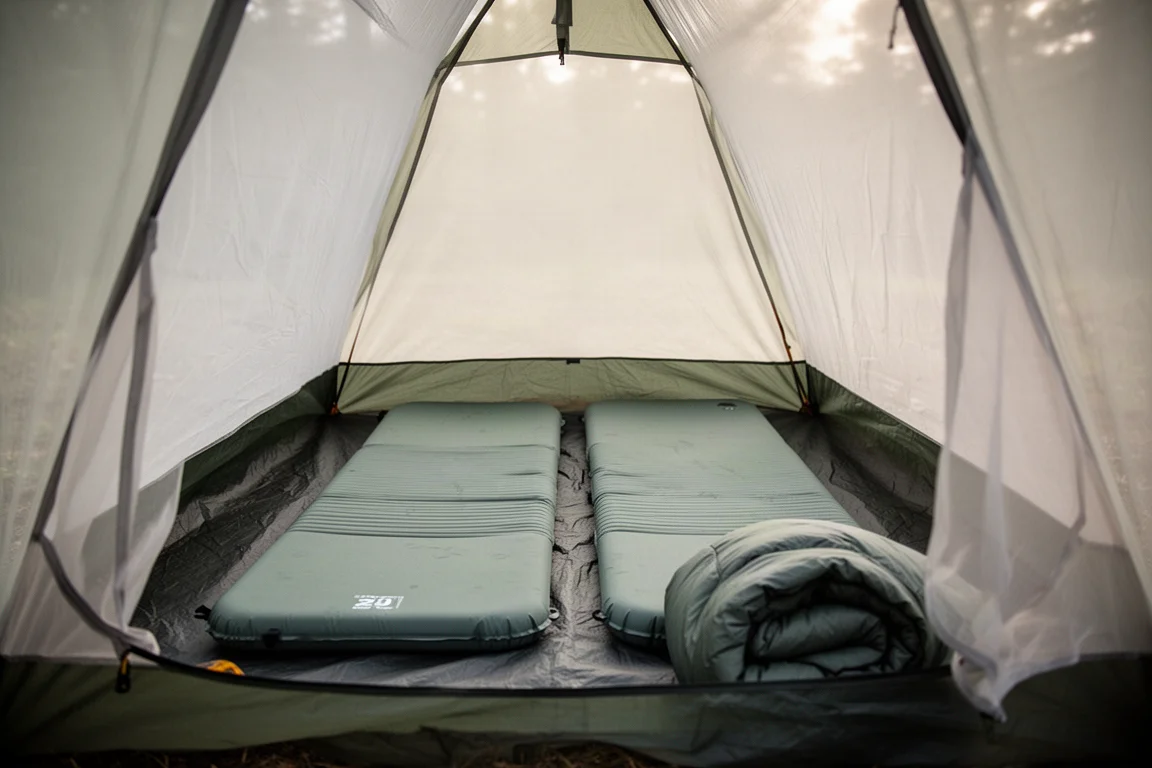
For a solo backpacker, the two-person version is a more forgiving proposition. It adds usable room for gear and a sleeping system without much penalty in weight, and the second door and vestibule give you a place to store a pack outside the sleeping area. Two people who spend long evenings sitting up inside the tent, or who ride out storms for hours at a time, should treat this as a tight fit rather than a spacious one.
Main Strengths: Weight, Packed Size, and Materials
The headline number is weight. This is a double-wall shelter at roughly two pounds, which is unusual in a category where a separate fly usually adds bulk and grams. The roll-top stuff sack with a buckle makes packing straightforward, and the tent, fly, stakes, and guy lines all travel as one bundle.
Weight can be trimmed further. The included stakes are substantial and heavy for a tent in this class, and replacing them with lighter options is one of the simplest ways to reduce packed weight. The guy lines are already part of the kit.
Weather Protection and the Osmo Fabric
Both the floor and the fly use Nemo’s Osmo fabric, rated to a 1200 mm hydrostatic head. Osmo blends nylon and polyester fibers, which reduces stretch compared with a pure nylon fabric and improves water repellency. Nemo also builds the material with recycled content and production processes intended to lower the carbon footprint, which matters to buyers who weigh sustainability alongside performance.
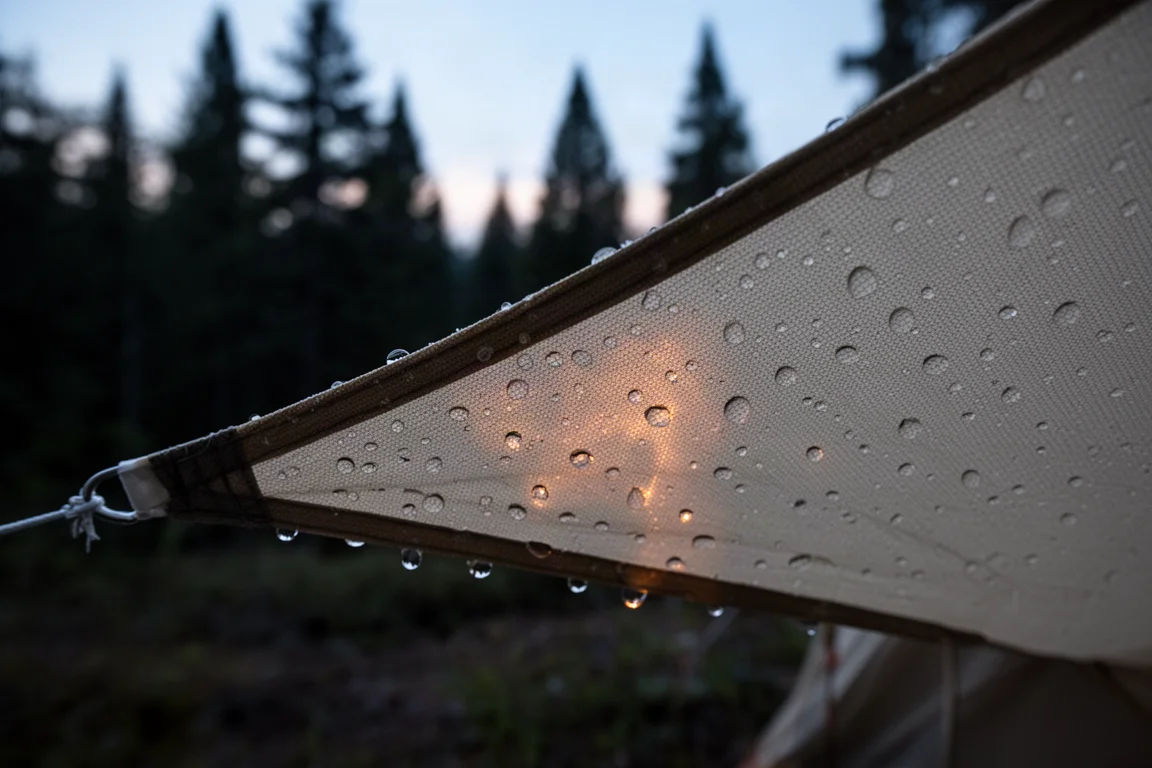
The reduced stretch is the part that affects daily use. A full nylon shelter can relax and sag once it gets wet, which pulls the fly closer to the inner body and can transfer condensation onto the inside of the tent. A fabric that holds its shape better keeps that gap intact through a wet night.
Interior Space and Livability
Peak height is 39 inches, and width at the head end is about 40 inches. That is workable for one person and tight for two. Storage inside is limited to three pockets: one on each side of the door plus a night light pocket near the top of the tent. There is no larger gear loft or overhead net system, so most of your kit ends up on the floor or pushed toward the foot end.
Entry and exit are handled well. There are two doors and two vestibules, one for each side, and the vestibules are a standard size rather than an oversized one. The doors roll back far and stay out of the way with a simple clip, and the door panel falls to the inside of the tent, so getting in and out does not turn into a wrestling match.
Pitching and Setup in Practice
This is a semi-freestanding design. The pole structure does not reach all four corners: the head end has two anchor points, and a single pole runs down to the center of the foot end. The tent has to be staked out to stand properly on its own. Nemo’s Flybar system adds volume across the interior width, which helps offset the narrow footprint.
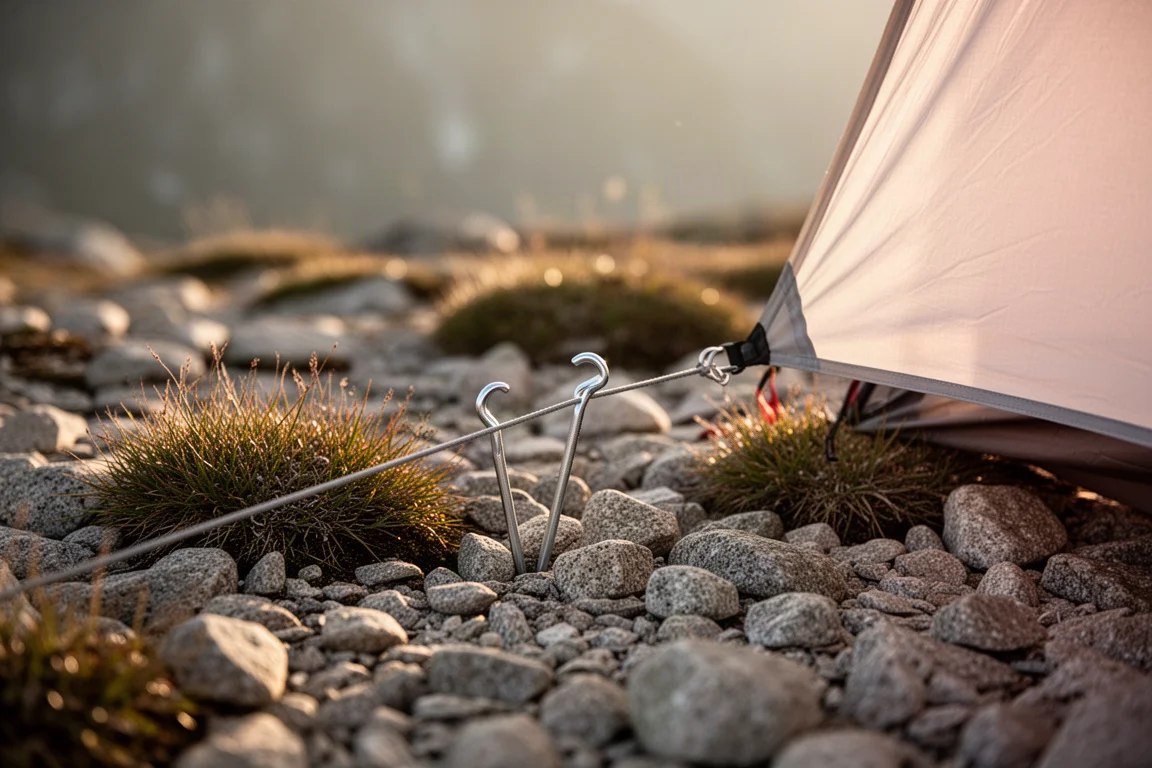
Pitching is quick once you accept the need for stakes, and the resulting structure has some flex to it. That flex is part of how the tent handles wind, but it also means the frame is less rigid than a fully freestanding design with poles at every corner. On exposed ground, or in snow-load conditions, that difference is worth thinking about before you commit to a shelter at this price.
Things to Consider Before Buying
Several details are worth weighing before you spend $600 on a tent this light.
The stakeout points use fixed loops with no tensioners. When the ground is uneven, or when rocks make it hard to place a stake exactly where the loop sits, there is no way to adjust tension at that point. Line locks would give more flexibility in those situations.
The included stakes are heavier than the rest of the kit suggests, and they are the first thing most buyers will replace. Interior storage is limited to three pockets. And at roughly 40 inches wide at the head end, this is not a tent that two people will find comfortable on long trips with a lot of time spent inside.
The pole structure is also the main question mark for serious weather. With a flexible three-point frame, this is not the shelter to choose for high alpine trips or conditions where heavy wind, rain, or snow load are likely. Full nylon shelters such as the Big Agnes Tiger Wall UL2 add a little weight and cost less, while single-wall Dyneema options such as the Tarptent Double Rainbow Lithium come in around 29 ounces but move the condensation question to the center of the decision.
Buying Advice
At full price, this tent is a specialist purchase. It makes sense if saving weight is the top priority and you want a double-wall shelter that keeps condensation off your sleeping bag on three-season trips in moderate conditions. The Osmo fabric performs well in that role, and the weight and packed size are the reasons to pay the premium.
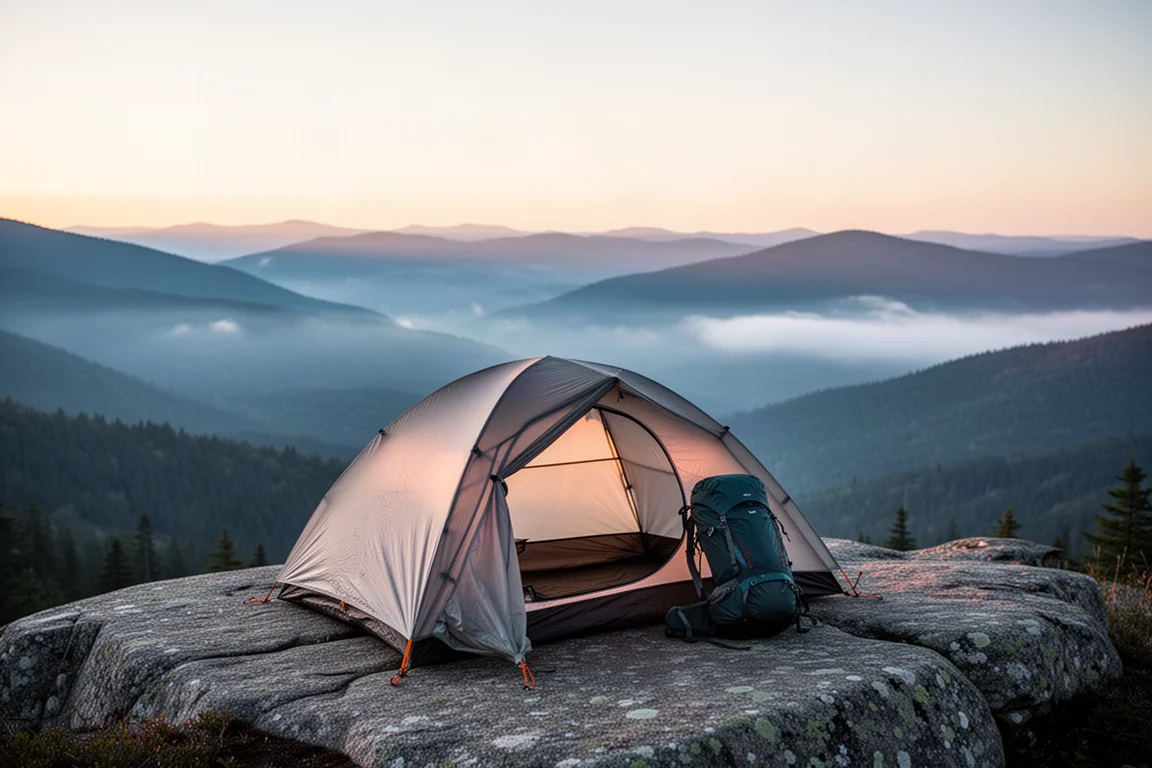
If your trips regularly put you in exposed terrain, or if you want a tent that two people can share comfortably, the value calculation changes. A more rigid structure or a wider footprint may serve you better, even at a small weight penalty. Judged purely as an ultralight double-wall shelter, a price closer to $500 would feel more proportionate to what the Hornet Elite Osmo 2-Person delivers.
Conclusion
The Nemo Hornet Elite Osmo 2-Person is a genuinely light double-wall tent with a fabric that resists stretching and water well, quick entry through two doors, and a simple pitch. Its limits are just as clear: narrow interior dimensions, minimal internal storage, fixed stakeout loops, and a flexible frame that is not built for the worst weather. Buyers who prioritize low weight and accept those trade-offs will get exactly what they are paying for. Buyers who want a roomier or more storm-ready shelter should keep looking.
Product link
View more details for Nemo Hornet Elite Osmo 2-Person Backpacking Tent
This product is mentioned in the review. Check the specifications, options, and compatibility before buying.
View more details for Nemo Hornet Elite Osmo 2-Person Backpacking TentFurther reading
Related Reviews
Backpacking Tents
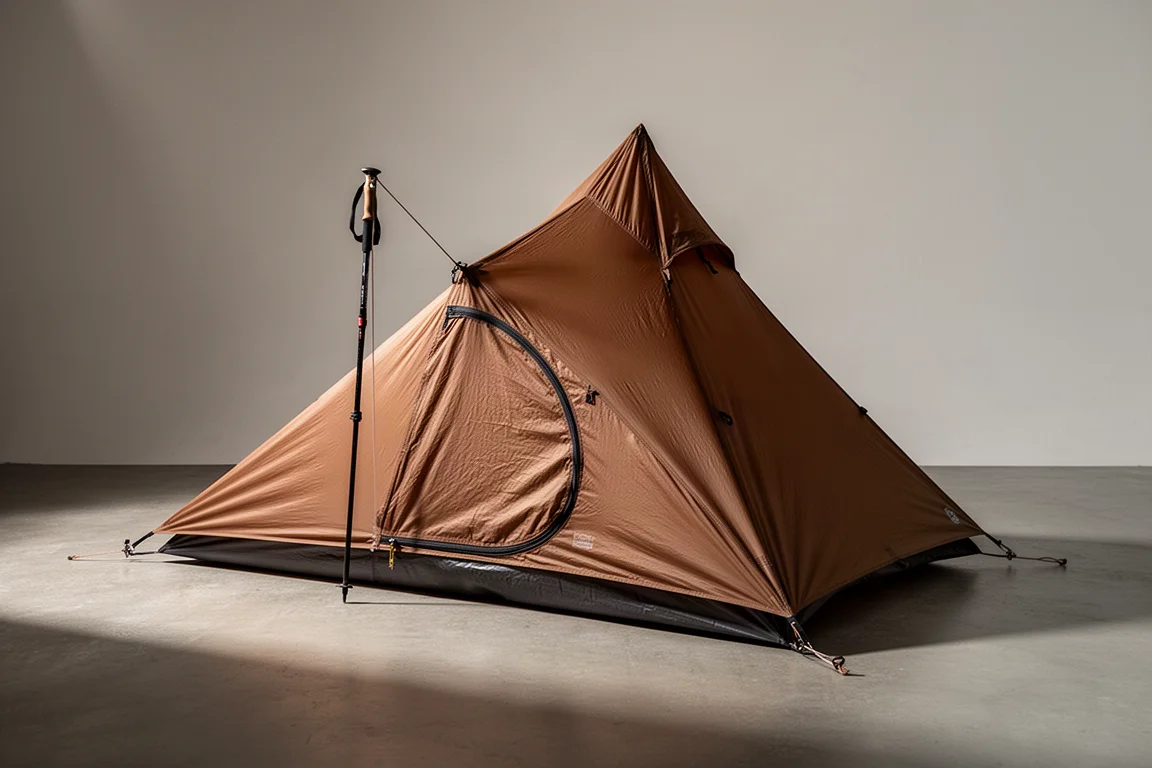
3F UL Lanchan Pro 1 Review: A 1 lb 8 oz Single-Wall Trekking Pole Tent
A practical look at the 3F UL Lanchan Pro 1, a single-wall trekking pole shelter with a 1 lb 8 oz weight, 20D silnylon fabrics, and a roomy 90 x 31 x 49 inch interior.
Backpacking Tents
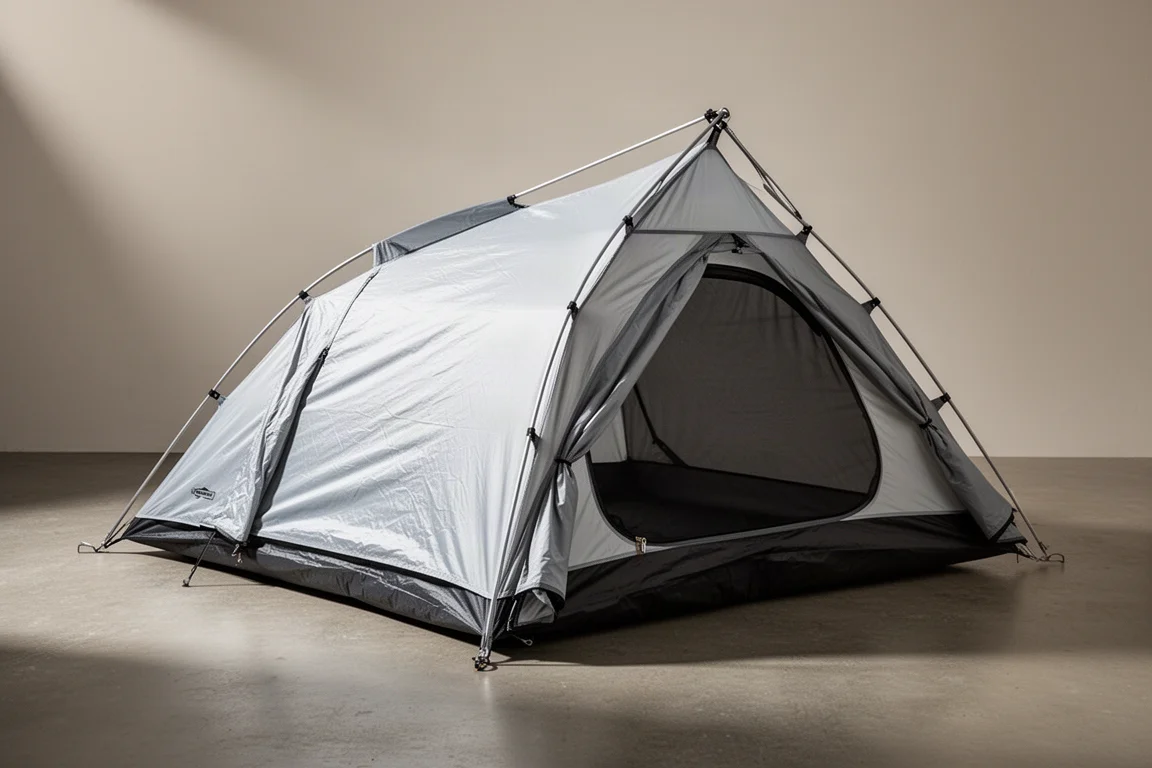
3F UL Taiji 2-Person Tent: A Convertible Backpacking Shelter Worth a Closer Look
A practical look at the 3F UL Taiji two-person tent, covering its materials, true two-person interior, fly-first pitching, and the seasonal inner swap that lets one shelter cover more of the year.
Backpacking Tents
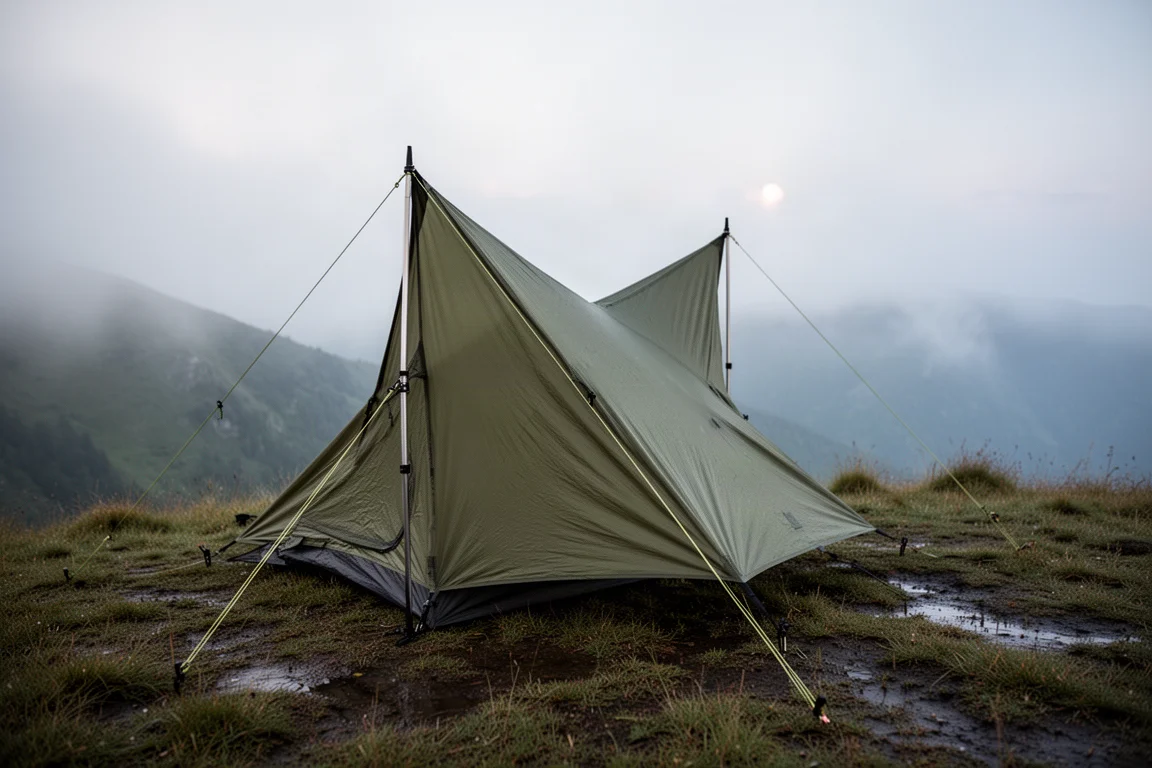
3FUL Lanshan Twoerson Pro Review: A Light Trekking Pole Shelter That Struggled in Rain
A two-person trekking pole shelter with a 2026 redesign, pitched with sticks and put through a night of steady rain. Here is what worked, what did not, and what to check before buying.