Backpacking Tents
NEMO Dragonfly OSMO vs NEMO Dagger OSMO: Which Two-Person Tent Fits Your Trips?
A side-by-side look at the NEMO Dragonfly OSMO and NEMO Dagger OSMO, covering packed weight, floor shape, interior storage, venting, and vestibule design so you can choose the right shelter.
Introduction
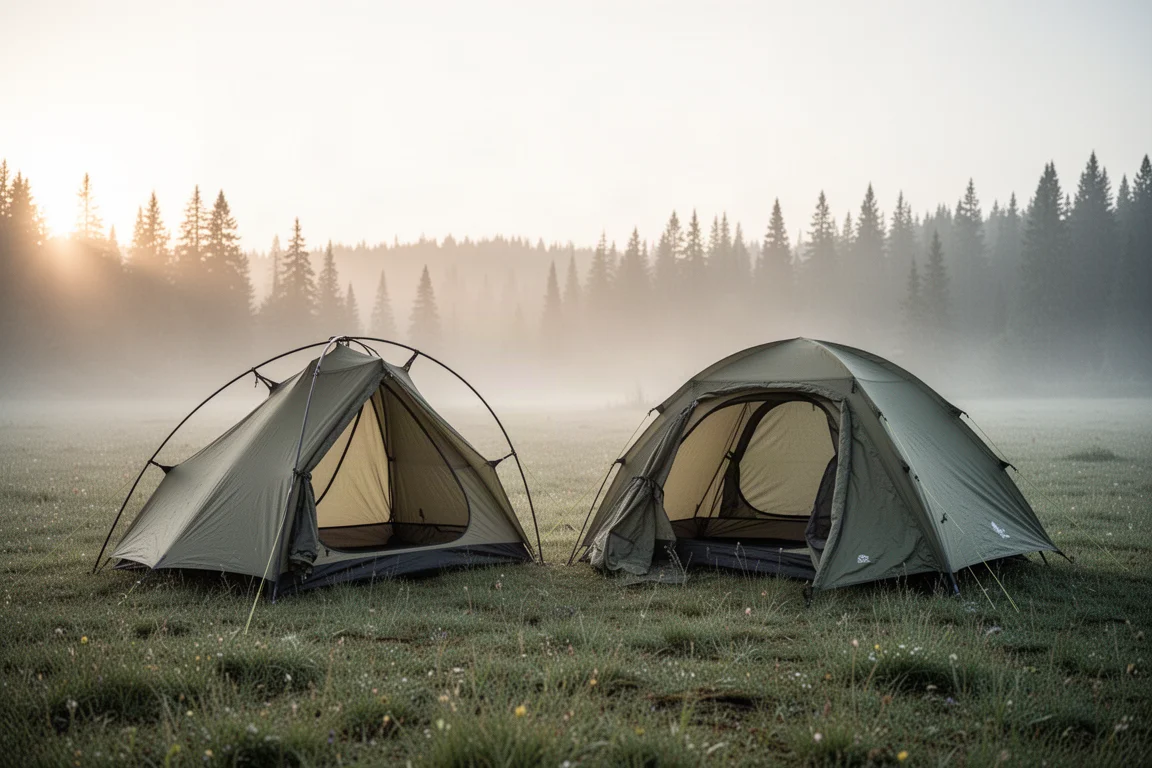
Choosing between two shelters from the same family is often harder than comparing tents from different brands. The NEMO Dragonfly OSMO and the NEMO Dagger OSMO share a fabric, a construction approach, and a two-person rating, yet they are built for genuinely different trips. One is a light solo shelter that can host a partner in a pinch. The other is a roomy two-person tent that carries comfortably when the load is split.
This guide works through the real differences: packed weight, floor shape, interior storage, venting, and vestibule design. By the end, the decision should feel straightforward.
What Both NEMO OSMO Tents Share
Both tents use OSMO fabric, a polyester and nylon blend that NEMO introduced as a new material for these shelters. The blend is designed to be strong while resisting the stretch that wet weather can cause in fly fabric. Less stretch means the rainfly holds its shape and keeps its distance from the inner tent once rain sets in.
Both are also double-wall shelters, with an inner tent and a separate rainfly. That construction helps keep condensation off sleeping bags and gear, although neither tent offers much venting beyond the zipper vents on the rainfly. Both models also use a white privacy mesh on the side panels, which reduces how much of the interior is visible from outside.
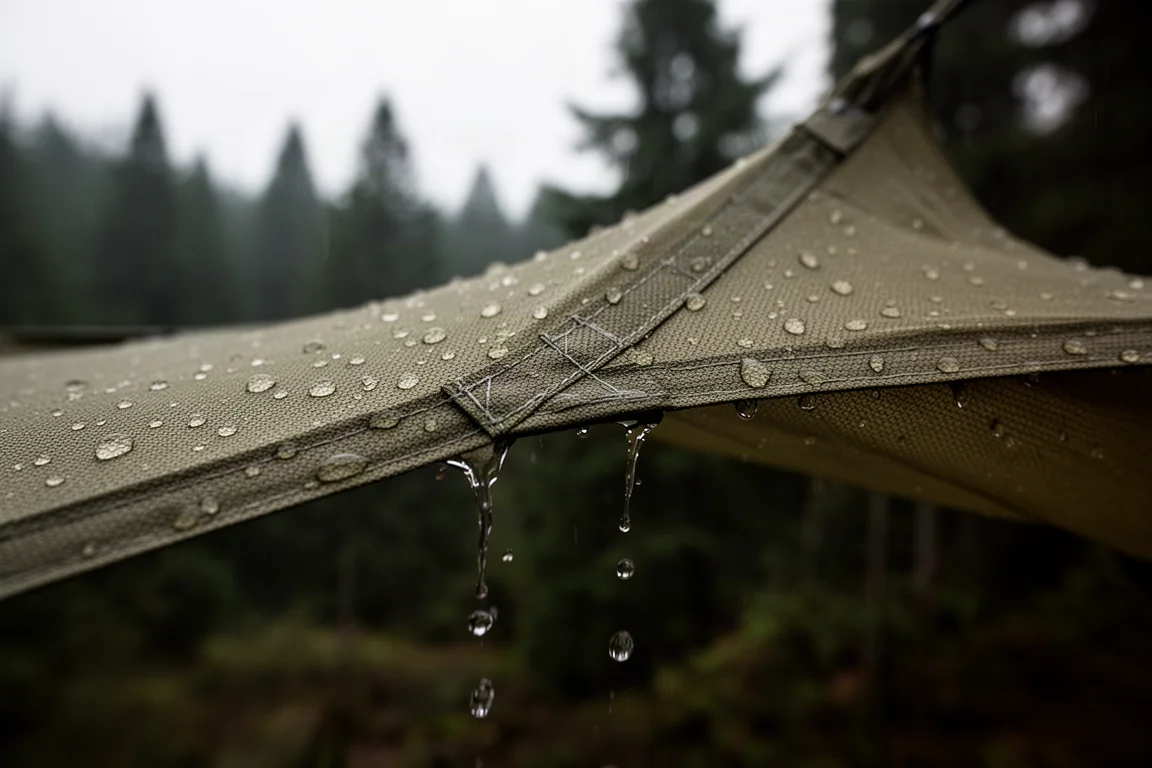
Interior details carry across as well. Each tent has a nightlight pocket that holds a headlamp and turns it into a lantern, and both use a black mesh on the upper panels for stargazing on clear nights when the rainfly is off.
NEMO Dragonfly OSMO: The Lighter Solo-First Option
The Dragonfly OSMO packs down to 3 lb 2 oz and comes in at $499. Its floor is tapered, measuring 50 in wide at the head end and narrowing to 45 in at the foot. Peak height is 41 in and the floor runs 88 in long, so taller campers have room to stretch out.
That taper is the key detail to understand before buying. Two 25 in wide rectangular sleeping pads do not fit effectively inside the Dragonfly. It can work as a two-person shelter, but it is tight, and sitting up or changing clothes at the same time as a partner takes coordination. As a solo shelter, the same dimensions feel generous.
Storage is a strong point. A large pocket at the top of the tent holds gear, a second pocket at the foot end lifts items off the floor, and side pockets are sized for a phone. There are no low pockets sitting against the floor, which helps keep gear away from condensation. A wide bridge pole creates fairly vertical walls at the head end, so sitting up is comfortable.
NEMO Dagger OSMO: A True Two-Person Shelter
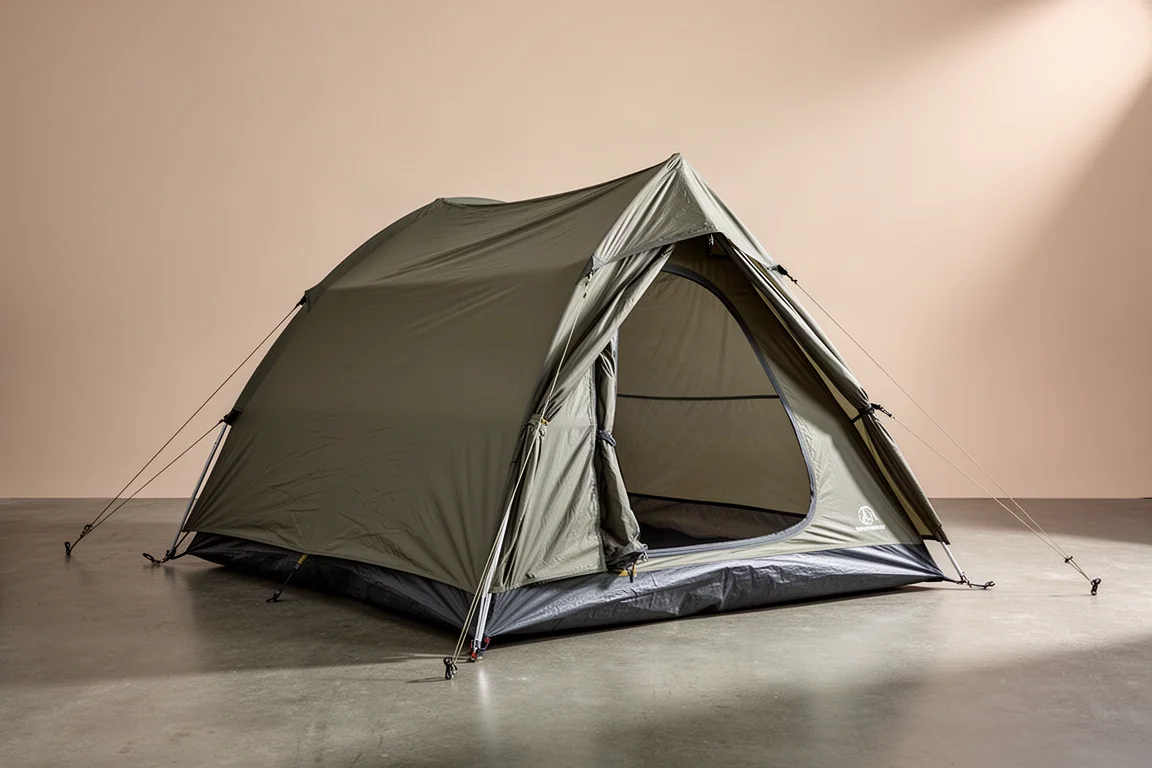
The Dagger OSMO weighs 4 lb 2 oz, roughly a pound more than the Dragonfly. In exchange, the floor stays 50 in wide for its entire length. That symmetry is what makes it a genuine two-person tent: two 25 in wide rectangular pads fit side by side with room left at the ends for gear, and occupants can sleep in whichever orientation they prefer.
Split the load between two hikers and the carry weight lands at about 2 lb per person. The Dagger also works as a solo shelter, and it remains the more comfortable option when sitting out a storm is part of the plan.
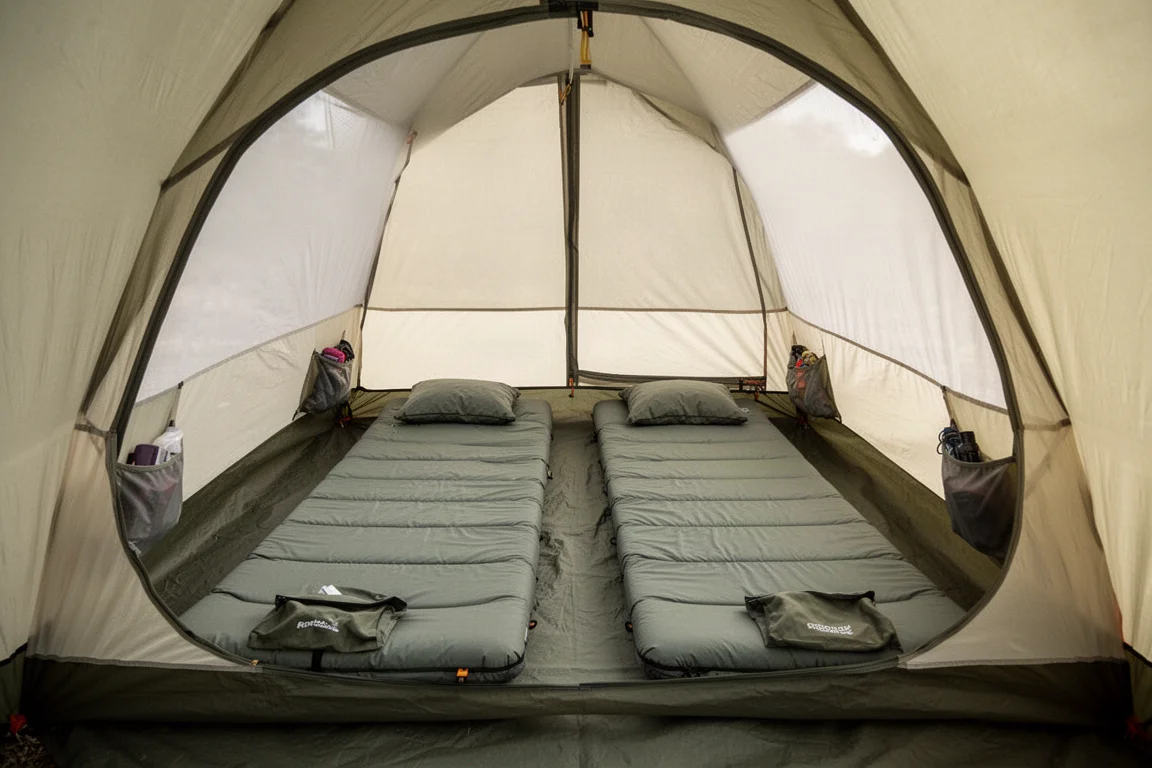
The trade-off is airflow. The Dagger uses a fuller coverage rainfly than the Dragonfly, with no scooped opening at the head end, so moving air through the tent depends on opening the rainfly vents or leaving a door open in good weather.
Interior Storage and Living Space
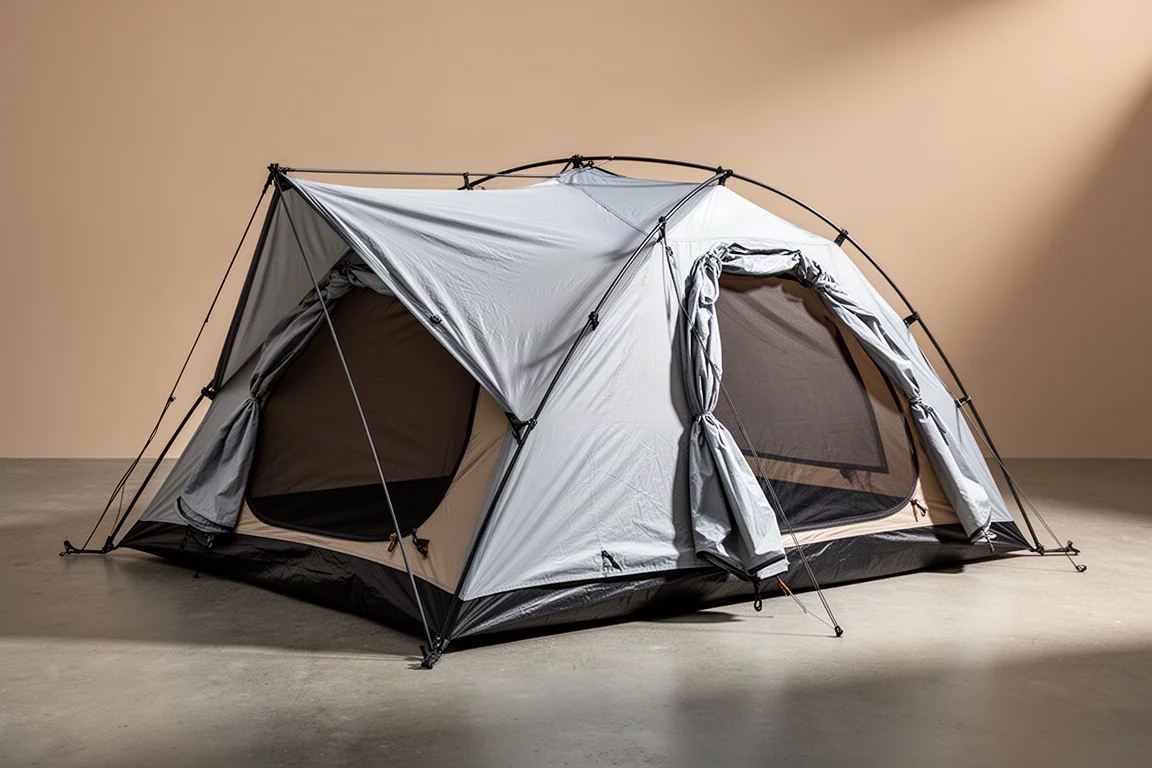
The two tents diverge most clearly in how they handle gear. The Dragonfly leans on overhead storage: a large top pocket, a foot-end pocket, and phone-sized side pockets. Those gear lofts keep items off the floor and out of the vestibules, which matters when two people are sharing a compact interior.
The Dagger has less built-in storage. There is a nightlight pocket at the head end and small stash pockets at either end, one per occupant, but no overhead gear loft. Its advantage is floor area rather than shelving, so the space you gain goes to bodies and sleeping pads rather than to pockets.
Inside the Dagger, the upper panels use a black mesh that opens up the view for stargazing when the rainfly is off, while the white privacy mesh on the side panels is shared with the Dragonfly.
Venting, Condensation, and Weather Protection
Both shelters take the same basic approach to moisture: a double-wall design that separates the inner tent from the rainfly, so condensation forms on the fly rather than on sleeping bags and gear. Neither tent has a peak vent. The available airflow comes from vents at the rainfly zipper.
The Dragonfly has an edge here. Its rainfly has a large scooped opening at the head end, which moves more air through the tent than the Dagger’s fuller coverage fly. On the Dagger, getting those zipper vents open matters more, and in mild weather leaving a door fully open is the practical way to keep air moving with two people inside.
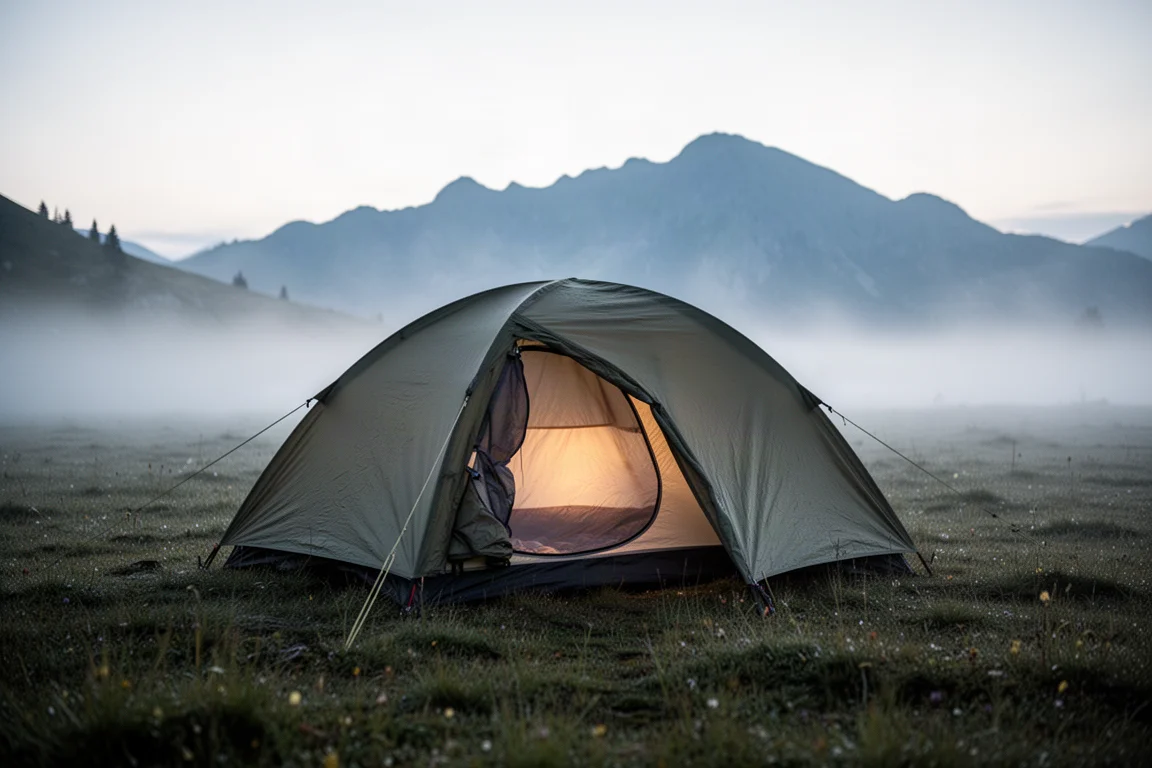
In practice, the difference shows up on still, humid nights, when airflow matters more than any other single factor. Opening the vents before you settle in for the night is a simple habit that pays off on both models.
Doors and Vestibules: Where the Dagger Pulls Ahead
The Dagger’s door is centered in a wide opening and rolls back on all sides, with toggles and clips that make it quick to open the tent up completely. That matters in two situations: maximizing ventilation on warm nights, and keeping the rainfly on while the door is open so protection can be restored fast if weather moves in overnight.
The Dagger also includes the Landing Zone, a small bathtub floor panel that clips to the tent body and the rainfly in a triangle to create a clean, dry spot for gear. The one catch is that rolling back that side of the door requires unclipping the Landing Zone, which exposes whatever is stored there.
The Dragonfly takes a simpler route. Its rainfly zipper runs straight up rather than in an arc, the D-shaped door rolls back fully with a keeper to hold it in place, and the tent keeps two doors and two vestibules. The rainfly on one side uses a trapezoidal shape that pulls the fabric away from a standing backpack, reducing the sag that can press a wet fly against gear and transfer moisture onto it.
Which Tent Should You Choose?
The decision comes down to how the tent will actually be used. If most trips are solo with the occasional second person, the Dragonfly OSMO is the better match. At 3 lb 2 oz and $499, it saves both weight and cost, and it stays a strong backcountry performer for one.
If two people will share the tent on most trips, the Dagger OSMO is the more sensible purchase. The symmetrical 50 in floor, the large vestibules, and the ability to fit two 25 in wide rectangular pads make it comfortable for two, and the weight splits to roughly 2 lb per person. Solo trips and trips with a dog remain workable, and it is the tent to reach for when comfort during a storm matters most.
Weight and floor area are the two numbers that matter most here, and both are easy to weigh against the trips you already have planned.
Conclusion
Both tents share the same OSMO fabric and double-wall construction, so the choice is about space and weight rather than materials. The Dragonfly trades interior room for a lighter pack and a lower price. The Dagger trades about a pound of weight for a floor that genuinely fits two people and the vestibule space to match. Pick the one that matches the trips you take most often.
Further reading
Related Reviews
Backpacking Tents
3F UL Lanchan Pro 1 Review: A 1 lb 8 oz Single-Wall Trekking Pole Tent
A practical look at the 3F UL Lanchan Pro 1, a single-wall trekking pole shelter with a 1 lb 8 oz weight, 20D silnylon fabrics, and a roomy 90 x 31 x 49 inch interior.
Backpacking Tents
3F UL Taiji 2-Person Tent: A Convertible Backpacking Shelter Worth a Closer Look
A practical look at the 3F UL Taiji two-person tent, covering its materials, true two-person interior, fly-first pitching, and the seasonal inner swap that lets one shelter cover more of the year.
Backpacking Tents
3FUL Lanshan Twoerson Pro Review: A Light Trekking Pole Shelter That Struggled in Rain
A two-person trekking pole shelter with a 2026 redesign, pitched with sticks and put through a night of steady rain. Here is what worked, what did not, and what to check before buying.